
India holds 880 tonnes of gold: How does it compare with other major economies?
India's 880-tonne gold stockpile is higher than Japan's 846 tonnes and Australia's 80 tonnes, while Switzerland holds a larger 1,040 tonnes. Gold represents 17.7% of India's reserves, compared with 8.7% for Japan and 13.6% for Switzerland.
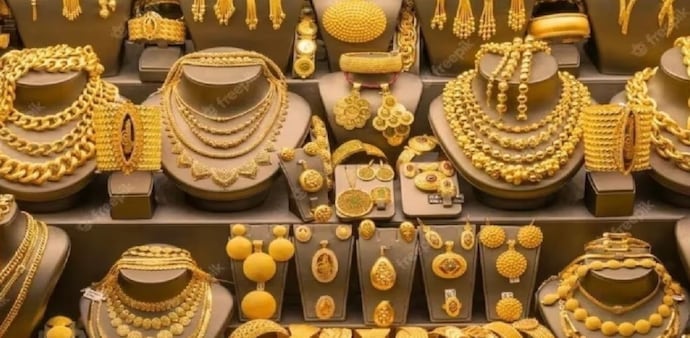
- Aug 21, 2026,
- Updated Aug 21, 2026 3:35 AM IST
India held 880 tonnes of gold in its central bank reserves as of December 2025, with the precious metal accounting for 17.7% of its total reserves, according to World Gold Council data. While India's gold holdings are substantial, the share of gold in its reserves is considerably lower than that of the US and several major European economies.
The data highlights the wide differences in how countries allocate their reserve assets, with gold accounting for anywhere between zero and more than 80% of reserves among the economies covered.
India holds more gold than...
India's 880-tonne gold stockpile is higher than Japan's 846 tonnes and Australia's 80 tonnes, while Switzerland holds a larger 1,040 tonnes. Gold represents 17.7% of India's reserves, compared with 8.7% for Japan and 13.6% for Switzerland.
The UK, meanwhile, holds 310 tonnes, with gold accounting for 20.3% of its central bank reserves. This means that although India holds significantly more gold in absolute terms than the UK, the precious metal makes up a smaller proportion of India's overall reserves.
China provides an even more striking comparison. It holds 2,306 tonnes of gold, more than twice India's holdings, but gold accounts for only 8.6% of its reserves. The difference shows why gold holdings cannot be assessed only by looking at the number of tonnes held.
The share also depends on the size and composition of a country's other reserve assets.
MUST READ: Aditya Birla Capital shares jump 3% amid entry into gold loan business; details here
US and Europe have the highest gold allocation
The US remains the largest gold holder among the selected economies, with 8,133 tonnes, while gold accounts for 82.4% of its central bank reserves.
Germany follows with 3,350 tonnes, representing 82.2% of its reserves. France holds 2,437 tonnes, with gold accounting for 79.9%, while Italy has 2,452 tonnes and a gold share of 79.3%.
The Netherlands also has a high allocation, with its 612 tonnes accounting for 72.9% of reserves.
The contrast with India is significant. India's 17.7% allocation is less than a quarter of the share held by the US, despite the country's sizeable gold stockpile.
Gold Reserves of Major Economies
| Economy | Gold Reserves (tonnes) | Gold Share of Central Bank Reserves |
|---|---|---|
| US | 8,133 | 82.4% |
| Germany | 3,350 | 82.2% |
| France | 2,437 | 79.9% |
| Italy | 2,452 | 79.3% |
| Netherlands | 612 | 72.9% |
| Turkey | 614 | 54.6% |
| Spain | 282 | 30.8% |
| UK | 310 | 20.3% |
| India | 880 | 17.7% |
| Australia | 80 | 15.3% |
| Switzerland | 1,040 | 13.6% |
| Saudi Arabia | 323 | 9.0% |
| Japan | 846 | 8.7% |
| China | 2,306 | 8.6% |
| Indonesia | 86 | 7.7% |
| Brazil | 172 | 6.8% |
| Mexico | 120 | 6.6% |
| South Korea | 104 | 3.4% |
| Canada | 0 | 0.0% |
Source: World Gold Council, December 2025 data.
Gold's role varies across reserve strategies
The data underscores that countries use gold differently within their reserve-management strategies. Some major Western economies have a very large proportion of reserves in gold, while countries such as China, Japan and India maintain a greater proportion of their reserves in other assets.
ALSO READ: Gold, silver prices fall in India: Why are precious metals under pressure?
India's 880 tonnes therefore place it among the significant official gold holders, but its 17.7% share indicates that gold remains only one component of its broader reserve portfolio.
India held 880 tonnes of gold in its central bank reserves as of December 2025, with the precious metal accounting for 17.7% of its total reserves, according to World Gold Council data. While India's gold holdings are substantial, the share of gold in its reserves is considerably lower than that of the US and several major European economies.
The data highlights the wide differences in how countries allocate their reserve assets, with gold accounting for anywhere between zero and more than 80% of reserves among the economies covered.
India holds more gold than...
India's 880-tonne gold stockpile is higher than Japan's 846 tonnes and Australia's 80 tonnes, while Switzerland holds a larger 1,040 tonnes. Gold represents 17.7% of India's reserves, compared with 8.7% for Japan and 13.6% for Switzerland.
The UK, meanwhile, holds 310 tonnes, with gold accounting for 20.3% of its central bank reserves. This means that although India holds significantly more gold in absolute terms than the UK, the precious metal makes up a smaller proportion of India's overall reserves.
China provides an even more striking comparison. It holds 2,306 tonnes of gold, more than twice India's holdings, but gold accounts for only 8.6% of its reserves. The difference shows why gold holdings cannot be assessed only by looking at the number of tonnes held.
The share also depends on the size and composition of a country's other reserve assets.
MUST READ: Aditya Birla Capital shares jump 3% amid entry into gold loan business; details here
US and Europe have the highest gold allocation
The US remains the largest gold holder among the selected economies, with 8,133 tonnes, while gold accounts for 82.4% of its central bank reserves.
Germany follows with 3,350 tonnes, representing 82.2% of its reserves. France holds 2,437 tonnes, with gold accounting for 79.9%, while Italy has 2,452 tonnes and a gold share of 79.3%.
The Netherlands also has a high allocation, with its 612 tonnes accounting for 72.9% of reserves.
The contrast with India is significant. India's 17.7% allocation is less than a quarter of the share held by the US, despite the country's sizeable gold stockpile.
Gold Reserves of Major Economies
| Economy | Gold Reserves (tonnes) | Gold Share of Central Bank Reserves |
|---|---|---|
| US | 8,133 | 82.4% |
| Germany | 3,350 | 82.2% |
| France | 2,437 | 79.9% |
| Italy | 2,452 | 79.3% |
| Netherlands | 612 | 72.9% |
| Turkey | 614 | 54.6% |
| Spain | 282 | 30.8% |
| UK | 310 | 20.3% |
| India | 880 | 17.7% |
| Australia | 80 | 15.3% |
| Switzerland | 1,040 | 13.6% |
| Saudi Arabia | 323 | 9.0% |
| Japan | 846 | 8.7% |
| China | 2,306 | 8.6% |
| Indonesia | 86 | 7.7% |
| Brazil | 172 | 6.8% |
| Mexico | 120 | 6.6% |
| South Korea | 104 | 3.4% |
| Canada | 0 | 0.0% |
Source: World Gold Council, December 2025 data.
Gold's role varies across reserve strategies
The data underscores that countries use gold differently within their reserve-management strategies. Some major Western economies have a very large proportion of reserves in gold, while countries such as China, Japan and India maintain a greater proportion of their reserves in other assets.
ALSO READ: Gold, silver prices fall in India: Why are precious metals under pressure?
India's 880 tonnes therefore place it among the significant official gold holders, but its 17.7% share indicates that gold remains only one component of its broader reserve portfolio.