
India relaxes FDI norms for China and neighbouring countries amid expanding trade
Under the revised rules, foreign companies with shareholders from these countries no longer need mandatory government approval to invest in India across various sectors
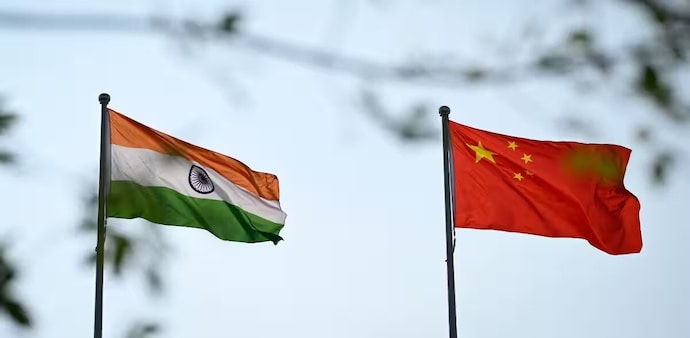
- Mar 10, 2026,
- Updated Mar 10, 2026 4:37 PM IST
The Indian government has eased foreign direct investment (FDI) regulations for all neighbouring countries, including China, in a move that could open up new investment opportunities. The update was announced on March 10, following a Union Cabinet meeting chaired by Prime Minister Narendra Modi, which also amended Press Note 3 of 2020.
Under the revised rules, foreign companies with shareholders from these countries no longer need mandatory government approval to invest in India across various sectors. The countries affected by this move include China, Bangladesh, Pakistan, Bhutan, Nepal, Myanmar, and Afghanistan.
Changes in FDI approval process
Previously, companies from these countries were required to seek prior approval from the government to make any investments in India. However, with the updated guidelines, these restrictions have been lifted, paving the way for smoother business transactions and potential growth in foreign investments.
Limited Chinese share in FDI
Despite this shift, China still accounts for only a small share of India's overall FDI inflows. As of December 2025, China’s share stands at just 0.32%, which amounts to USD 2.51 billion in FDI since April 2000.
The strained diplomatic ties following the Galwan Valley clash in June 2020 have limited China’s influence on India’s FDI. Since then, India has banned numerous Chinese apps, including TikTok and WeChat, as tensions have heightened.
Bilateral trade with China grows
While China’s contribution to FDI in India remains minimal, trade between the two countries has grown substantially. Despite ongoing geopolitical issues, China remains India’s second-largest trading partner.
In 2024-25, India’s exports to China fell by 14.5%, totalling USD 14.25 billion, down from USD 16.66 billion the previous year. On the other hand, imports from China rose 11.52% to USD 113.45 billion, up from USD 101.73 billion in 2023-24. This resulted in an expanded trade deficit, which rose to USD 99.2 billion in 2024-25, up from USD 85 billion the year before.
In the 2025-26 period, India’s exports to China surged by 38.37%, reaching USD 15.88 billion, while imports rose by 13.82% to USD 108.18 billion, keeping the trade deficit high at USD 92.3 billion.
Vaibhav Kakkar, Senior Partner at Saraf and Partners, said: "India's move to relax FDI norms for countries sharing land borders is expected to reflect a nuanced recalibration rather than a wholesale liberalization of existing regulations. By diluting the blanket approval regime introduced in 2020, the government would reduce the transactional friction for genuine investors, including from China, while retaining the overall sectoral safeguards. The change is likely to facilitate cross-border M&A, minority investments and delayed funding rounds, particularly in capital-intensive sectors such as manufacturing, and the startup ecosystem, where several Indian startups have historically relied on Chinese venture capital and strategic investors in their early and growth stages."
Kakkar added: "Companies should remain mindful that sectoral caps, beneficial ownership disclosures, and other conditionalities would continue to apply. Seen in a broader context, the decision would signal a more pragmatic foreign investment policy shift for India, one that seeks to balance strategic caution with the need for predictable, growth-oriented capital flows into the Indian economy."
(With inputs from PTI)
The Indian government has eased foreign direct investment (FDI) regulations for all neighbouring countries, including China, in a move that could open up new investment opportunities. The update was announced on March 10, following a Union Cabinet meeting chaired by Prime Minister Narendra Modi, which also amended Press Note 3 of 2020.
Under the revised rules, foreign companies with shareholders from these countries no longer need mandatory government approval to invest in India across various sectors. The countries affected by this move include China, Bangladesh, Pakistan, Bhutan, Nepal, Myanmar, and Afghanistan.
Changes in FDI approval process
Previously, companies from these countries were required to seek prior approval from the government to make any investments in India. However, with the updated guidelines, these restrictions have been lifted, paving the way for smoother business transactions and potential growth in foreign investments.
Limited Chinese share in FDI
Despite this shift, China still accounts for only a small share of India's overall FDI inflows. As of December 2025, China’s share stands at just 0.32%, which amounts to USD 2.51 billion in FDI since April 2000.
The strained diplomatic ties following the Galwan Valley clash in June 2020 have limited China’s influence on India’s FDI. Since then, India has banned numerous Chinese apps, including TikTok and WeChat, as tensions have heightened.
Bilateral trade with China grows
While China’s contribution to FDI in India remains minimal, trade between the two countries has grown substantially. Despite ongoing geopolitical issues, China remains India’s second-largest trading partner.
In 2024-25, India’s exports to China fell by 14.5%, totalling USD 14.25 billion, down from USD 16.66 billion the previous year. On the other hand, imports from China rose 11.52% to USD 113.45 billion, up from USD 101.73 billion in 2023-24. This resulted in an expanded trade deficit, which rose to USD 99.2 billion in 2024-25, up from USD 85 billion the year before.
In the 2025-26 period, India’s exports to China surged by 38.37%, reaching USD 15.88 billion, while imports rose by 13.82% to USD 108.18 billion, keeping the trade deficit high at USD 92.3 billion.
Vaibhav Kakkar, Senior Partner at Saraf and Partners, said: "India's move to relax FDI norms for countries sharing land borders is expected to reflect a nuanced recalibration rather than a wholesale liberalization of existing regulations. By diluting the blanket approval regime introduced in 2020, the government would reduce the transactional friction for genuine investors, including from China, while retaining the overall sectoral safeguards. The change is likely to facilitate cross-border M&A, minority investments and delayed funding rounds, particularly in capital-intensive sectors such as manufacturing, and the startup ecosystem, where several Indian startups have historically relied on Chinese venture capital and strategic investors in their early and growth stages."
Kakkar added: "Companies should remain mindful that sectoral caps, beneficial ownership disclosures, and other conditionalities would continue to apply. Seen in a broader context, the decision would signal a more pragmatic foreign investment policy shift for India, one that seeks to balance strategic caution with the need for predictable, growth-oriented capital flows into the Indian economy."
(With inputs from PTI)