
India secures 1.9 MT steel quota under EU tariff regime; total access seen at 2.8 MT
The 2.8 MT quota would cover more than 80 per cent of India’s steel exports to the EU. India exported around 3 MT of steel goods to the 27-nation bloc in the last financial year
- Sep 17, 2026,
- Updated Sep 17, 2026 4:35 PM IST
India has secured a country-specific tariff-rate quota (TRQ) of 1.9 million tonnes (MT) annually for steel exports to the European Union, with the government expecting exporters to access another 0.9 MT through residual quotas, taking the total potential quota to 2.8 MT, a Commerce Ministry official said on Thursday.
The 2.8 MT quota would cover more than 80 per cent of India’s steel exports to the EU. India exported around 3 MT of steel goods to the 27-nation bloc in the last financial year.
The quota follows the European Union’s Steel Overcapacity Regulation, which came into force on July 1, 2026. The regulation provides for 18.3 MT of duty-free quotas for steel imports, while imports beyond the available quota face a 50 per cent duty. It also introduces a melt-and-pour regime aimed at enhancing transparency.
READ THIS: India's new industrial revolution: Jefferies flags 6 high-growth sectors driving next expansion
Indian exporters have already started using the quota and shipping steel to the EU, the official said, adding that the benefits under the India-EU free trade agreement (FTA) for the steel sector had been “frontloaded”.
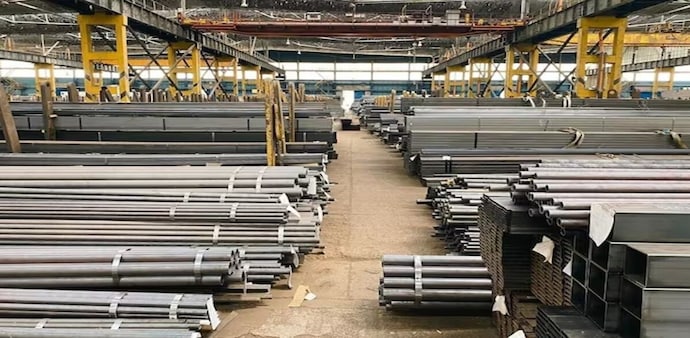
The quotas cover a range of steel products, including non-alloy and alloy hot-rolled sheets and strips, cold-rolled sheets, metallic-coated sheets, organic-coated sheets, tin mill products, stainless steel products, merchant bars and light sections, rebars, wire rods, pipes and tubes.
For product categories where India does not have a country-specific quota, exporters can access residual quotas. These include general residual quotas available to eligible trading partners and preferential quotas reserved for EU FTA partners.
India and the EU announced the conclusion of negotiations for the FTA on January 27. The agreement is expected to be signed by the end of 2026 and is likely to be implemented next year.
Government sources said two in-person visits by the India and EU legal teams have taken place as part of the legal ratification process, which they described as the fastest legal scrub undertaken in India’s FTAs. The government expects the European Parliament to pass the agreement in early 2027.
ALSO READ: Core sector growth eases to 5.4% in July from 6% in June; iron ore, cement lead
The government had sought frontloading of benefits for steel before formal legal ratification of the agreement, and Indian exporters have been receiving these benefits since July.
India has also started working with the EU on guidelines related to the Carbon Border Adjustment Mechanism (CBAM), including measurement, quantity and technical understanding of carbon footprints.
The two sides have held three meetings on the issue. The EU has also opened the process for verification agencies, with six applications from India already filed, according to the official.
India has secured a country-specific tariff-rate quota (TRQ) of 1.9 million tonnes (MT) annually for steel exports to the European Union, with the government expecting exporters to access another 0.9 MT through residual quotas, taking the total potential quota to 2.8 MT, a Commerce Ministry official said on Thursday.
The 2.8 MT quota would cover more than 80 per cent of India’s steel exports to the EU. India exported around 3 MT of steel goods to the 27-nation bloc in the last financial year.
The quota follows the European Union’s Steel Overcapacity Regulation, which came into force on July 1, 2026. The regulation provides for 18.3 MT of duty-free quotas for steel imports, while imports beyond the available quota face a 50 per cent duty. It also introduces a melt-and-pour regime aimed at enhancing transparency.
READ THIS: India's new industrial revolution: Jefferies flags 6 high-growth sectors driving next expansion
Indian exporters have already started using the quota and shipping steel to the EU, the official said, adding that the benefits under the India-EU free trade agreement (FTA) for the steel sector had been “frontloaded”.
The quotas cover a range of steel products, including non-alloy and alloy hot-rolled sheets and strips, cold-rolled sheets, metallic-coated sheets, organic-coated sheets, tin mill products, stainless steel products, merchant bars and light sections, rebars, wire rods, pipes and tubes.
For product categories where India does not have a country-specific quota, exporters can access residual quotas. These include general residual quotas available to eligible trading partners and preferential quotas reserved for EU FTA partners.
India and the EU announced the conclusion of negotiations for the FTA on January 27. The agreement is expected to be signed by the end of 2026 and is likely to be implemented next year.
Government sources said two in-person visits by the India and EU legal teams have taken place as part of the legal ratification process, which they described as the fastest legal scrub undertaken in India’s FTAs. The government expects the European Parliament to pass the agreement in early 2027.
ALSO READ: Core sector growth eases to 5.4% in July from 6% in June; iron ore, cement lead
The government had sought frontloading of benefits for steel before formal legal ratification of the agreement, and Indian exporters have been receiving these benefits since July.
India has also started working with the EU on guidelines related to the Carbon Border Adjustment Mechanism (CBAM), including measurement, quantity and technical understanding of carbon footprints.
The two sides have held three meetings on the issue. The EU has also opened the process for verification agencies, with six applications from India already filed, according to the official.