
Rupee weakness: Why RBI governor is not worried about the Indian currency
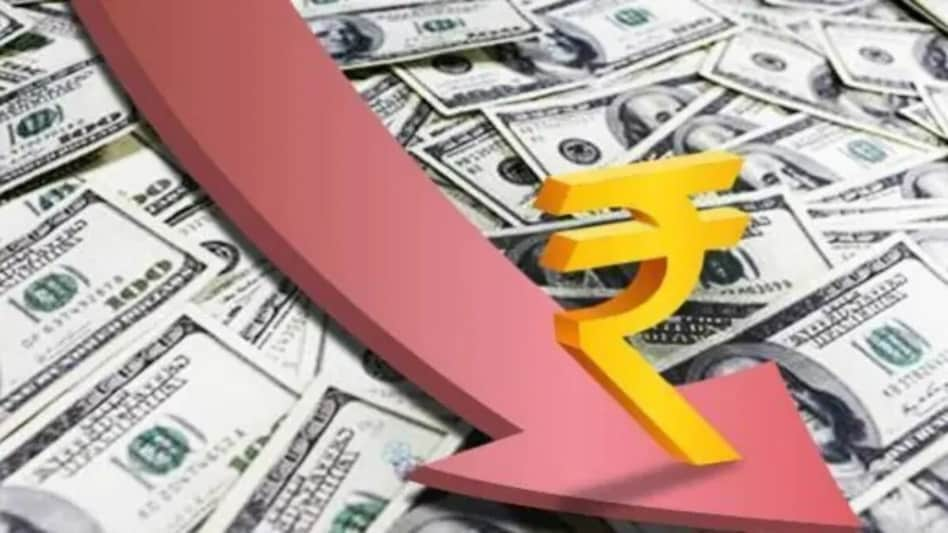
The rupee is down 4.68% in 2025, positioning it as the worst performer among the Asian currencies.
- Dec 22, 2025,
- Updated Dec 23, 2025 7:08 AM IST
Rupee weakness: RBI Governor Sanjay Malhotra has ruled out any significant effect of the rupee depreciation on the Indian economy. In an interview to India Today, Malhotra said he expects the depreciation level should not be significantly different from the level seen in the past 10-20 years.
Rupee has fallen about 3 per cent per year in 10 years and about 3.4 per cent in the previous 20 years.
This year, the Indian currency has hit a series of record lows caused by a strengthening of the US dollar, foreign fund outflows and the impending India-US trade tariff deal. The rupee fell to a record low of 91.16 against the US dollar on December 16. The currency is down 4.68% in 2025, positioning it as the worst performer among the Asian currencies.
Another significant factor behind the rupee fall is that the Reserve Bank of India (RBI) is said to have adopted a less aggressive intervention strategy compared to the past, partly due to low domestic inflation.
On the policy of RBI intervention in the forex market for controlling rupee fall, Malhotra said the central bank allows the market forces decide the appropriate level of the rupee in comparison to other currencies.
"Our aim is to primarily curb any kind of undue or excessive or abnormal volatility or any kind of unnecessary speculation getting built into the prices. That is when we come in," the RBI governor told India Today.
Amid a weak sentiment in the currency market, which analysts believe would have a negative effect on the trade imbalances, Malhotra said the central bank is quite confident of having a very strong and robust external sector position.
Malhotra's positive statement on the Indian economy comes amid the latest trade deficit data in November.
Trade deficit slipped to a five-month low of $24.53 billion in November, led by a fall in gold, oil and coal imports, while exports to the US picked nearly 10% month on month and over 21% on a year on year basis.
The Indian economy has a 11 months of import cover for goods, and a 92 per cent coverage for external debt, the RBI Governor said.
"Our external debt is about $750 billion, and we have about $690 billion of forex reserves. So, we are very comfortable in meeting our external sector liabilities, whether in the current account or on the capital account," added Malhotra.
Rupee weakness: RBI Governor Sanjay Malhotra has ruled out any significant effect of the rupee depreciation on the Indian economy. In an interview to India Today, Malhotra said he expects the depreciation level should not be significantly different from the level seen in the past 10-20 years.
Rupee has fallen about 3 per cent per year in 10 years and about 3.4 per cent in the previous 20 years.
This year, the Indian currency has hit a series of record lows caused by a strengthening of the US dollar, foreign fund outflows and the impending India-US trade tariff deal. The rupee fell to a record low of 91.16 against the US dollar on December 16. The currency is down 4.68% in 2025, positioning it as the worst performer among the Asian currencies.
Another significant factor behind the rupee fall is that the Reserve Bank of India (RBI) is said to have adopted a less aggressive intervention strategy compared to the past, partly due to low domestic inflation.
On the policy of RBI intervention in the forex market for controlling rupee fall, Malhotra said the central bank allows the market forces decide the appropriate level of the rupee in comparison to other currencies.
"Our aim is to primarily curb any kind of undue or excessive or abnormal volatility or any kind of unnecessary speculation getting built into the prices. That is when we come in," the RBI governor told India Today.
Amid a weak sentiment in the currency market, which analysts believe would have a negative effect on the trade imbalances, Malhotra said the central bank is quite confident of having a very strong and robust external sector position.
Malhotra's positive statement on the Indian economy comes amid the latest trade deficit data in November.
Trade deficit slipped to a five-month low of $24.53 billion in November, led by a fall in gold, oil and coal imports, while exports to the US picked nearly 10% month on month and over 21% on a year on year basis.
The Indian economy has a 11 months of import cover for goods, and a 92 per cent coverage for external debt, the RBI Governor said.
"Our external debt is about $750 billion, and we have about $690 billion of forex reserves. So, we are very comfortable in meeting our external sector liabilities, whether in the current account or on the capital account," added Malhotra.