
India’s microfinance sector past stress peak, portfolio quality improves: MFIN
The microfinance industry serves around 7 crore low-income women borrowers. Including household members, it impacts nearly 30 crore individuals. The total outstanding portfolio stands at roughly ₹3.2 lakh crore, with about 75% of lending concentrated in rural areas.
- Feb 28, 2026,
- Updated Feb 28, 2026 7:04 PM IST
India’s microfinance sector is past the peak of its recent stress cycle, with fresh loan disbursements showing improved portfolio performance, industry leaders said on February 28.
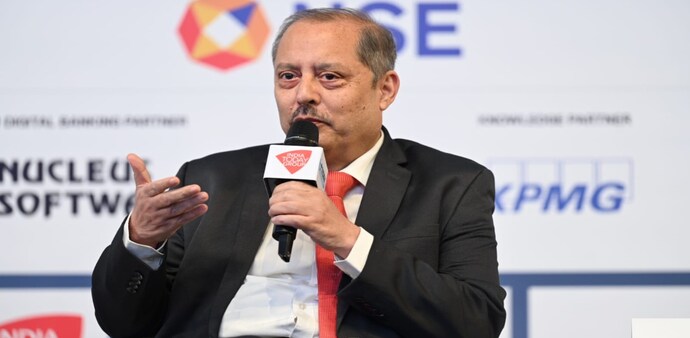
Portfolio at Risk (PAR) for loans overdue between one and 180 days stood at 4.7% as of January, according to data cited by Alok Misra, CEO and Director of Microfinance Institutions Network (MFIN). The portfolio disbursed over the past year is performing at around 4.5%. “We are past the peak. That was six to seven months ago,” Misra said at the Business Today Banking & Economy Summit.
The sector had faced pressure in mid-2024 amid severe heatwaves, state-level interventions and policy uncertainty. Misra described those developments as episodic rather than structural.
Liquidity conditions, however, remain tight. “The funding winter the sector is going through is the main concern. If funding conditions improve, we will stabilise further,” he said.
The microfinance industry serves around 7 crore low-income women borrowers. Including household members, it impacts nearly 30 crore individuals. The total outstanding portfolio stands at roughly ₹3.2 lakh crore, with about 75% of lending concentrated in rural areas.
Addressing concerns around borrower overleveraging, Misra referred to additional guardrails introduced in November 2024 by MFIN as a self-regulatory organisation. These include a ₹2 lakh cap on total microfinance exposure per borrower across lenders and a limit of three lenders per borrower.
“As of December-end, 96.4% of loans are within Reserve Bank of India regulations and SRO norms. Slippages of two to three percent may occur due to technical factors, but the overwhelming majority is compliant,” he said.
Under the Reserve Bank of India’s regulatory framework for microfinance loans, regulated entities must ensure that a borrower’s total repayment obligations do not exceed 50% of household income. Large Non-Banking Financial Company-Microfinance Institutions follow Indian Accounting Standards and use the Expected Credit Loss framework, under which provisions for stressed assets are recognised.
The discussion also addressed whether the sector requires a shift from unsecured group lending to asset-backed products such as gold loans and small mortgages. Misra said the core objective of extending unsecured credit to low-income households remains relevant.
Ravi Narayanan, Managing Director and CEO of SMFG India Credit, said growing interest in asset-linked products reflects borrower aspirations.
“This is not a structural reset. It is an evolution. Aspirational Bharat will look to build assets. If a borrower who began with group lending now seeks a gold loan or a small mortgage, that is a natural progression,” Narayanan said.
Narayanan said the expansion into gold loans and small-ticket mortgages should be viewed as balance sheet diversification aligned with rural consumption trends rather than a departure from the sector’s foundational model. He added that reducing volatility, rather than pushing structural overhauls, should remain the focus for policymakers and lenders.
He added that institutions with established rural presence are positioned to manage product diversification while maintaining credit discipline.
Looking ahead, Misra said that in the absence of further external disruptions, the sector could expand over the remainder of the decade.
“If there are no episodic shocks, the sector could reach around ₹7.5 lakh crore by 2030,” he said, adding that access to responsible credit remains critical for nano and micro enterprises within India’s 6.5 crore micro, small and medium enterprises.
India’s microfinance sector is past the peak of its recent stress cycle, with fresh loan disbursements showing improved portfolio performance, industry leaders said on February 28.
Portfolio at Risk (PAR) for loans overdue between one and 180 days stood at 4.7% as of January, according to data cited by Alok Misra, CEO and Director of Microfinance Institutions Network (MFIN). The portfolio disbursed over the past year is performing at around 4.5%. “We are past the peak. That was six to seven months ago,” Misra said at the Business Today Banking & Economy Summit.
The sector had faced pressure in mid-2024 amid severe heatwaves, state-level interventions and policy uncertainty. Misra described those developments as episodic rather than structural.
Liquidity conditions, however, remain tight. “The funding winter the sector is going through is the main concern. If funding conditions improve, we will stabilise further,” he said.
The microfinance industry serves around 7 crore low-income women borrowers. Including household members, it impacts nearly 30 crore individuals. The total outstanding portfolio stands at roughly ₹3.2 lakh crore, with about 75% of lending concentrated in rural areas.
Addressing concerns around borrower overleveraging, Misra referred to additional guardrails introduced in November 2024 by MFIN as a self-regulatory organisation. These include a ₹2 lakh cap on total microfinance exposure per borrower across lenders and a limit of three lenders per borrower.
“As of December-end, 96.4% of loans are within Reserve Bank of India regulations and SRO norms. Slippages of two to three percent may occur due to technical factors, but the overwhelming majority is compliant,” he said.
Under the Reserve Bank of India’s regulatory framework for microfinance loans, regulated entities must ensure that a borrower’s total repayment obligations do not exceed 50% of household income. Large Non-Banking Financial Company-Microfinance Institutions follow Indian Accounting Standards and use the Expected Credit Loss framework, under which provisions for stressed assets are recognised.
The discussion also addressed whether the sector requires a shift from unsecured group lending to asset-backed products such as gold loans and small mortgages. Misra said the core objective of extending unsecured credit to low-income households remains relevant.
Ravi Narayanan, Managing Director and CEO of SMFG India Credit, said growing interest in asset-linked products reflects borrower aspirations.
“This is not a structural reset. It is an evolution. Aspirational Bharat will look to build assets. If a borrower who began with group lending now seeks a gold loan or a small mortgage, that is a natural progression,” Narayanan said.
Narayanan said the expansion into gold loans and small-ticket mortgages should be viewed as balance sheet diversification aligned with rural consumption trends rather than a departure from the sector’s foundational model. He added that reducing volatility, rather than pushing structural overhauls, should remain the focus for policymakers and lenders.
He added that institutions with established rural presence are positioned to manage product diversification while maintaining credit discipline.
Looking ahead, Misra said that in the absence of further external disruptions, the sector could expand over the remainder of the decade.
“If there are no episodic shocks, the sector could reach around ₹7.5 lakh crore by 2030,” he said, adding that access to responsible credit remains critical for nano and micro enterprises within India’s 6.5 crore micro, small and medium enterprises.