
More oil shock ahead? Temporary US waiver for Russian crude expires
The US waiver had allowed purchases of Russian crude already loaded onto tankers
- May 17, 2026,
- Updated May 17, 2026 9:24 AM IST
The Trump administration has allowed a sanctions waiver covering some Russian crude oil sales to expire, Bloomberg reported on Sunday. This ends a temporary arrangement that had enabled limited purchases of Russian oil amid rising concerns over global energy supplies.
The waiver expired as the Iran war and disruptions around the Strait of Hormuz continued to tighten global crude markets and push fuel prices higher.
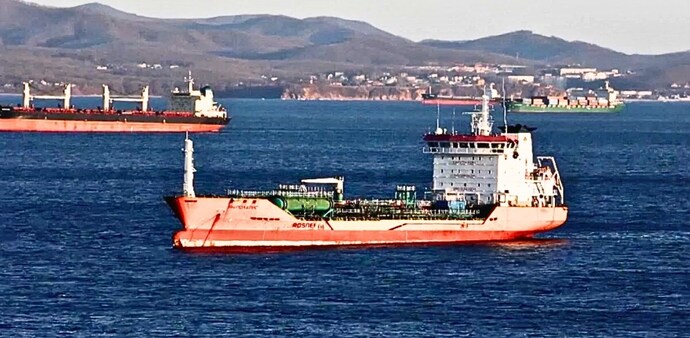
The US waiver had allowed purchases of Russian crude already loaded onto tankers. Washington first issued the waiver in March and later extended it in April after lobbying from countries dependent on oil imports.
Don't Miss: Why further fall in rupee could offset any gains expected from fuel price hike?
The expiry now removes, at least temporarily, a narrow sanctions relief window that some countries, including India and Indonesia, wanted to continue as oil prices surged.
India sought an extension of the waiver for Russian oil
Ahead of the deadline, India asked the US to extend the waiver, Bloomberg reported earlier this week.
Indian officials told Washington that stable energy supplies remained critical as volatility in oil markets risked wider economic consequences for the country’s 1.4 billion people.
The officials also warned that rising energy costs were already affecting households through pressures such as cooking gas shortages, according to the report.
India sharply increased purchases of Russian crude during the waiver period. Data from Kpler showed India's imports of Russian oil rose to a record 2.3 million barrels per day in May as refiners accelerated buying under the temporary authorisation.
The waiver covered only cargoes that had already been loaded.
Don't Miss: BT Explainer: Why UAE’s new Hormuz bypass oil pipeline matters for India and global markets
Oil prices surge on West Asia tensions
Global crude markets have remained volatile due to the more than two-month-long conflict in the Persian Gulf and fears over supply disruptions linked to the Strait of Hormuz.
Brent crude, the global benchmark, has climbed above $105 per barrel. Before the Iran conflict began in late February, Brent traded around $72-$73 per barrel.
The rise of more than 40% has increased concerns over fuel inflation, higher import bills, and economic pressure on oil-importing countries such as India.
Waiver drew criticism
The sanctions waivers had triggered criticism from some European allies, who argued that easing restrictions on Russian crude undermined efforts to cut Moscow's oil revenues during the Ukraine war.
Critics said the temporary relief effectively helped Russia benefit from rising crude prices, even though the waiver applied only to limited waterborne shipments.
US Treasury Secretary Scott Bessent had initially indicated in April that the waiver would not be renewed. However, the administration later reversed course and issued another short-term authorization.
Bessent told a Senate panel at the time that "more than 10 of the most vulnerable and poorest countries in terms of energy" had sought an extension. He said the temporary relief was necessary to maintain stability in global energy markets.
The Trump administration has allowed a sanctions waiver covering some Russian crude oil sales to expire, Bloomberg reported on Sunday. This ends a temporary arrangement that had enabled limited purchases of Russian oil amid rising concerns over global energy supplies.
The waiver expired as the Iran war and disruptions around the Strait of Hormuz continued to tighten global crude markets and push fuel prices higher.
The US waiver had allowed purchases of Russian crude already loaded onto tankers. Washington first issued the waiver in March and later extended it in April after lobbying from countries dependent on oil imports.
Don't Miss: Why further fall in rupee could offset any gains expected from fuel price hike?
The expiry now removes, at least temporarily, a narrow sanctions relief window that some countries, including India and Indonesia, wanted to continue as oil prices surged.
India sought an extension of the waiver for Russian oil
Ahead of the deadline, India asked the US to extend the waiver, Bloomberg reported earlier this week.
Indian officials told Washington that stable energy supplies remained critical as volatility in oil markets risked wider economic consequences for the country’s 1.4 billion people.
The officials also warned that rising energy costs were already affecting households through pressures such as cooking gas shortages, according to the report.
India sharply increased purchases of Russian crude during the waiver period. Data from Kpler showed India's imports of Russian oil rose to a record 2.3 million barrels per day in May as refiners accelerated buying under the temporary authorisation.
The waiver covered only cargoes that had already been loaded.
Don't Miss: BT Explainer: Why UAE’s new Hormuz bypass oil pipeline matters for India and global markets
Oil prices surge on West Asia tensions
Global crude markets have remained volatile due to the more than two-month-long conflict in the Persian Gulf and fears over supply disruptions linked to the Strait of Hormuz.
Brent crude, the global benchmark, has climbed above $105 per barrel. Before the Iran conflict began in late February, Brent traded around $72-$73 per barrel.
The rise of more than 40% has increased concerns over fuel inflation, higher import bills, and economic pressure on oil-importing countries such as India.
Waiver drew criticism
The sanctions waivers had triggered criticism from some European allies, who argued that easing restrictions on Russian crude undermined efforts to cut Moscow's oil revenues during the Ukraine war.
Critics said the temporary relief effectively helped Russia benefit from rising crude prices, even though the waiver applied only to limited waterborne shipments.
US Treasury Secretary Scott Bessent had initially indicated in April that the waiver would not be renewed. However, the administration later reversed course and issued another short-term authorization.
Bessent told a Senate panel at the time that "more than 10 of the most vulnerable and poorest countries in terms of energy" had sought an extension. He said the temporary relief was necessary to maintain stability in global energy markets.