
No internet? No problem: Here's how offline tap-and-pay UPI could soon work at PoS terminals
A reported new capability could allow users to make low-value UPI payments at certified point-of-sale terminals even when both the phone and the payment devices are offline
- Jul 21, 2026,
- Updated Jul 21, 2026 1:50 PM IST
Over the past few years, Unified Payments Interface (UPI) has become India’s most preferred digital payments platform. In June 2026, UPI processed 22.72 billion transactions worth Rs 28.92 lakh crore, with an average of 757 million transactions a day.
Today, a user can scan a QR code or enter a phone number to transfer money instantly via UPI. But what happens when the user has no internet access, or the merchant’s payment device is offline? Payments without internet
A news report suggests that a new UPI capability is being developed to enable payments even when there is no internet connectivity on either the user’s phone or the merchant’s point-of-sale (PoS) terminal.
Must Watch: “UPI In Indonesia”: PM Modi Announces Big Digital Push From Jakarta
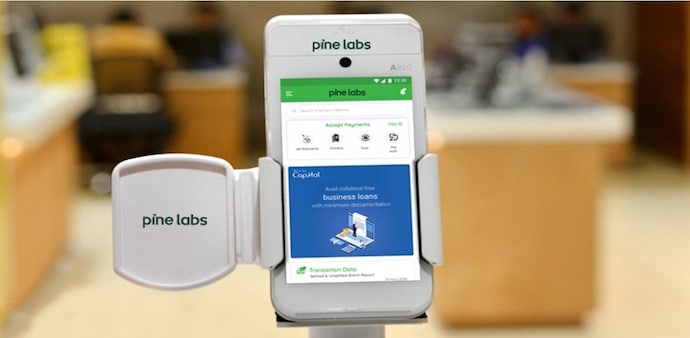
According to Business Standard, the feature will allow a user to tap and pay at a merchant’s PoS terminal, provided both the phone and the terminal support near-field communication (NFC) technology. The experience would be similar to tapping a credit or debit card on a PoS machine to make a contactless payment.
The report said the National Payments Corporation of India (NPCI) is likely to begin certifying PoS devices made by leading terminal manufacturers during the current calendar year.
NPCI has not officially commented on the report.
How does existing offline UPI work?
Offline transactions are already possible on UPI through UPI LITE X, which was introduced in 2023. Under LITE X, neither the sender nor the receiver needs an active network connection at the time of payment. This makes the feature useful in remote locations, underground metro stations, and other areas where mobile connectivity may be weak or unavailable.
As per NPCI, UPI LITE X is currently supported on Android mobile devices. Both the payer and the payee need to have UPI LITE X enabled for offline payments. The transactions are routed through NFC and therefore work without internet connectivity.
When a payment is made through UPI LITE X, the amount is debited from the sender’s on-device LITE wallet and credited to the receiver’s LITE wallet in real time. Offline transactions under UPI LITE X currently have an upper limit of Rs 500.
How will the new capability be different?
The new feature reportedly being developed would extend UPI LITE X-like offline capability to merchant PoS terminals and allow payments of up to Rs 2,000. When there is no internet connectivity, the terminal would capture the transaction authorisation and send it later for verification once the network is restored, the newspaper report said, quoting an unnamed person.
Over the past few years, Unified Payments Interface (UPI) has become India’s most preferred digital payments platform. In June 2026, UPI processed 22.72 billion transactions worth Rs 28.92 lakh crore, with an average of 757 million transactions a day.
Today, a user can scan a QR code or enter a phone number to transfer money instantly via UPI. But what happens when the user has no internet access, or the merchant’s payment device is offline? Payments without internet
A news report suggests that a new UPI capability is being developed to enable payments even when there is no internet connectivity on either the user’s phone or the merchant’s point-of-sale (PoS) terminal.
Must Watch: “UPI In Indonesia”: PM Modi Announces Big Digital Push From Jakarta
According to Business Standard, the feature will allow a user to tap and pay at a merchant’s PoS terminal, provided both the phone and the terminal support near-field communication (NFC) technology. The experience would be similar to tapping a credit or debit card on a PoS machine to make a contactless payment.
The report said the National Payments Corporation of India (NPCI) is likely to begin certifying PoS devices made by leading terminal manufacturers during the current calendar year.
NPCI has not officially commented on the report.
How does existing offline UPI work?
Offline transactions are already possible on UPI through UPI LITE X, which was introduced in 2023. Under LITE X, neither the sender nor the receiver needs an active network connection at the time of payment. This makes the feature useful in remote locations, underground metro stations, and other areas where mobile connectivity may be weak or unavailable.
As per NPCI, UPI LITE X is currently supported on Android mobile devices. Both the payer and the payee need to have UPI LITE X enabled for offline payments. The transactions are routed through NFC and therefore work without internet connectivity.
When a payment is made through UPI LITE X, the amount is debited from the sender’s on-device LITE wallet and credited to the receiver’s LITE wallet in real time. Offline transactions under UPI LITE X currently have an upper limit of Rs 500.
How will the new capability be different?
The new feature reportedly being developed would extend UPI LITE X-like offline capability to merchant PoS terminals and allow payments of up to Rs 2,000. When there is no internet connectivity, the terminal would capture the transaction authorisation and send it later for verification once the network is restored, the newspaper report said, quoting an unnamed person.