
'Not so good monsoon': FM Nirmala Sitharaman flags risks to farmer incomes but rules out food shortage
Sitharaman noted that the fertiliser sector has experienced at least three major fluctuations since the Union Budget was presented in February, creating fresh challenges for policymakers.
- Jun 15, 2026,
- Updated Jun 15, 2026 3:41 PM IST
India is preparing for the possibility of a weaker-than-normal monsoon this year, but there is no immediate concern over food availability thanks to sufficient buffer stocks, Finance Minister Nirmala Sitharaman said on Monday.
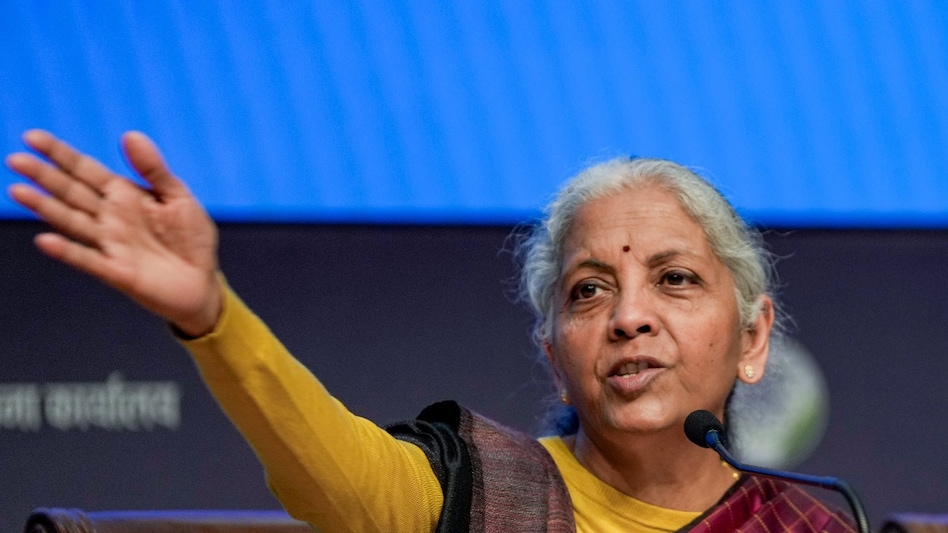
Speaking at the Mindmine Summit 2026 in New Delhi, Sitharaman said the government has already begun planning for a "not so good monsoon" scenario and is taking steps to safeguard food security.
"No food shortage expected due to sufficient buffer stocks, though farmer incomes may face stress this year," she said.
Don't Miss: 'We recognise we need more foreign capital': FM Sitharaman signals more measures ahead
The minister said supplies for the ongoing Kharif season are adequately stocked and manageable. However, additional funds will be needed for fertiliser procurement ahead of the Rabi season.
Sitharaman noted that the fertiliser sector has experienced at least three major fluctuations since the Union Budget was presented in February, creating fresh challenges for policymakers.
She also highlighted broader economic pressures stemming from India's growing dependence on imports for intermediary and complex products, even as domestic consumption continues to rise.
"Import-related pressures remain a challenge as India balances rising consumption with external dependencies," Sitharaman added.
According to the finance minister, India's expanding domestic market provides some resilience, but the economy remains vulnerable to external dependencies in critical product categories.
Concerns over the monsoon have intensified as the Agriculture Ministry has identified 197 districts across the country as being particularly vulnerable to the effects of El Niño — a climate phenomenon characterised by unusually warm sea surface temperatures in parts of the Pacific Ocean and often linked to weaker monsoon rainfall in India.
India is preparing for the possibility of a weaker-than-normal monsoon this year, but there is no immediate concern over food availability thanks to sufficient buffer stocks, Finance Minister Nirmala Sitharaman said on Monday.
Speaking at the Mindmine Summit 2026 in New Delhi, Sitharaman said the government has already begun planning for a "not so good monsoon" scenario and is taking steps to safeguard food security.
"No food shortage expected due to sufficient buffer stocks, though farmer incomes may face stress this year," she said.
Don't Miss: 'We recognise we need more foreign capital': FM Sitharaman signals more measures ahead
The minister said supplies for the ongoing Kharif season are adequately stocked and manageable. However, additional funds will be needed for fertiliser procurement ahead of the Rabi season.
Sitharaman noted that the fertiliser sector has experienced at least three major fluctuations since the Union Budget was presented in February, creating fresh challenges for policymakers.
She also highlighted broader economic pressures stemming from India's growing dependence on imports for intermediary and complex products, even as domestic consumption continues to rise.
"Import-related pressures remain a challenge as India balances rising consumption with external dependencies," Sitharaman added.
According to the finance minister, India's expanding domestic market provides some resilience, but the economy remains vulnerable to external dependencies in critical product categories.
Concerns over the monsoon have intensified as the Agriculture Ministry has identified 197 districts across the country as being particularly vulnerable to the effects of El Niño — a climate phenomenon characterised by unusually warm sea surface temperatures in parts of the Pacific Ocean and often linked to weaker monsoon rainfall in India.