
Omicron hits high streets, multiplexes; threatens wedding season bonanza
COVID related restrictions keep buyers away from malls, traders estimate Rs 2.5 lakh crore lose from wedding season sales.
- Jan 8, 2022,
- Updated Jan 8, 2022 11:39 AM IST
The rapidly spreading Omicron variant of the coronavirus and ensuing restrictions imposed by several state and local authorities have begun to impact retailers, traders and multiplex owners.
The sectors that have been reeling under the COVID induced restrictions for close to two years, are now staring at another year of uncertainly and loss of business.
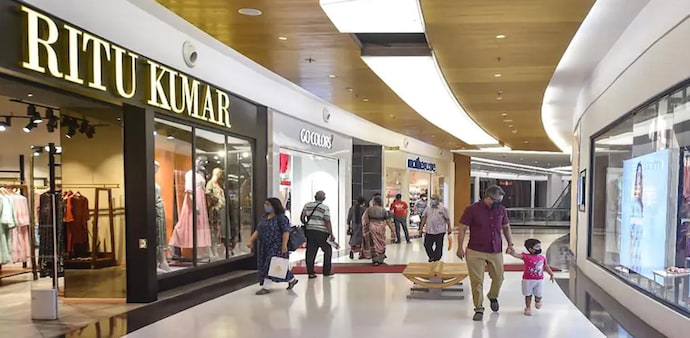
Take the high street retail segment, for instance. With strict orders on their timings of operations in place, mall owners are complaining of already losing 20 per cent of their customers in the last one week.
According to Mukesh Kumar, chairman and director on board of Shopping Centre Association of India (SCAI) and CEO of Infiniti Malls, footfalls across the country have fallen by 15-20 per cent since January 2 (Monday).
"The impact varies from region to region, between metros and non-metros, depending on the location of malls and their scale. But the impact has been felt across the country", Kumar told Business Today. SCAI represents owners of some 1,000-odd malls in the county.
Apart from timing, restrictions on seating capacity at restaurants (at 50 per cent), multiplexes (33-50 per cent) and weekend lockdowns in major markets like Delhi and Bengaluru are proving to be detrimental.
According to Manoj Singh, Cluster Director for Karnataka at Nexus Malls, weekend curfews would have a significant impact on malls business. "Not operating on weekends would mean losing 50 per cent of our business", Singh told Business Today. Nexus operates three malls in Bengaluru and one each in Mysore and Mangalore.
"The mall industry has been amongst the last to be allowed to reopen as a part of the unlock phases thus far. This has had a significant impact on our businesses over the last 18 months. We had barely started stabilising our businesses, and these restrictions will create big dents in our sustenance. Weekend lockdowns might also result in job losses, in order to sustain", he added.
Shutting down of multiplexes (in markets like Gurugram) or putting a cap on occupancy levels (in many markets like Delhi, Chandigarh, among others) is the biggest dampener, malls owners across the country rued. "Multiplexes and food courts are the biggest crowd pullers for most properties," said Kumar.
According to Kailash Gupta, chief financial officer at multiplex major INOX Leisure Ltd., the restrictions on seating and timing of operations, "has certainly impacted the strong recovery momentum built by the industry in more than one way."
"While we will have to redraw our operational dynamics as per the state-specific restrictions, we are also witnessing announcements on release dates of a lot of movies being pushed back. Most of these movies were expected to bring in huge revenues due to the sheer high quality of the content they offered, and therefore have dealt a blow to the overall recovery phase and growth momentum," he noted.
Gupta further added that INOX had started witnessing house full shows and an overall occupancy, which was identical to pre-COVID times for a stretch of three to four weeks.
"Our performance in Q3 and especially in the month of December not only virtually dismissed all the conversations around the future of the cinema exhibition industry but also reinstated the faith of the content producers in the theatrical run for their movies. More importantly, our F&B and advertising revenues had also started following a robust upward trajectory", Gupta told Business Today.
The uncertainty around the surging COVID third wave has also kept traders and retailers weary. Unlike earlier, this time hardly any retailer came up with end-of-season sales offers, said industry stakeholders.
Further, the sudden spike in cases and curbs put in by authorities may severely impact wedding season business, apex industry body Confederation of All India Traders (CAIT) estimates.
As per CAIT, the wedding season that usually brings about a business opportunity worth Rs 4 lakh crore for traders and retailers, will be muted this year.
"The wedding season to last between 14 and 31 January, when we witness 30 lakh weddings across the country and a business turnover of over Rs. 4 lakh crores. But the wedding trade is now likely to be reduced to merger Rs.1.5 lakh crore, devastating the hopes and aspirations of the traders for doing good business during this second spell of the wedding season" said BC Bhartia, National President, CAIT.
Apart from traders, mall and multiplex owners, retailers are in the same soup. According to Kumar Rajagopalan, CEO, Retailers Association of India (RAI), weekend curfew imposed by states "is a nightmare for retail businesses like shops, restaurants and malls as it has a load of restrictions akin to a partial lockdown."
"Sudden overnight restrictions such as these create uncertainty for businesses and confusion in the minds of consumers and leads to crowding, beating the purpose of such measures. A more suitable step would have been a better reinforcement of COVID-appropriate behaviour in public places like wearing masks, proper sanitisation and social distancing", he said.
Also Read: Omicron surge worries parents of children too young for shots
Also Read: CII calls for continued support to small businesses amidst Omicron spread
The rapidly spreading Omicron variant of the coronavirus and ensuing restrictions imposed by several state and local authorities have begun to impact retailers, traders and multiplex owners.
The sectors that have been reeling under the COVID induced restrictions for close to two years, are now staring at another year of uncertainly and loss of business.
Take the high street retail segment, for instance. With strict orders on their timings of operations in place, mall owners are complaining of already losing 20 per cent of their customers in the last one week.
According to Mukesh Kumar, chairman and director on board of Shopping Centre Association of India (SCAI) and CEO of Infiniti Malls, footfalls across the country have fallen by 15-20 per cent since January 2 (Monday).
"The impact varies from region to region, between metros and non-metros, depending on the location of malls and their scale. But the impact has been felt across the country", Kumar told Business Today. SCAI represents owners of some 1,000-odd malls in the county.
Apart from timing, restrictions on seating capacity at restaurants (at 50 per cent), multiplexes (33-50 per cent) and weekend lockdowns in major markets like Delhi and Bengaluru are proving to be detrimental.
According to Manoj Singh, Cluster Director for Karnataka at Nexus Malls, weekend curfews would have a significant impact on malls business. "Not operating on weekends would mean losing 50 per cent of our business", Singh told Business Today. Nexus operates three malls in Bengaluru and one each in Mysore and Mangalore.
"The mall industry has been amongst the last to be allowed to reopen as a part of the unlock phases thus far. This has had a significant impact on our businesses over the last 18 months. We had barely started stabilising our businesses, and these restrictions will create big dents in our sustenance. Weekend lockdowns might also result in job losses, in order to sustain", he added.
Shutting down of multiplexes (in markets like Gurugram) or putting a cap on occupancy levels (in many markets like Delhi, Chandigarh, among others) is the biggest dampener, malls owners across the country rued. "Multiplexes and food courts are the biggest crowd pullers for most properties," said Kumar.
According to Kailash Gupta, chief financial officer at multiplex major INOX Leisure Ltd., the restrictions on seating and timing of operations, "has certainly impacted the strong recovery momentum built by the industry in more than one way."
"While we will have to redraw our operational dynamics as per the state-specific restrictions, we are also witnessing announcements on release dates of a lot of movies being pushed back. Most of these movies were expected to bring in huge revenues due to the sheer high quality of the content they offered, and therefore have dealt a blow to the overall recovery phase and growth momentum," he noted.
Gupta further added that INOX had started witnessing house full shows and an overall occupancy, which was identical to pre-COVID times for a stretch of three to four weeks.
"Our performance in Q3 and especially in the month of December not only virtually dismissed all the conversations around the future of the cinema exhibition industry but also reinstated the faith of the content producers in the theatrical run for their movies. More importantly, our F&B and advertising revenues had also started following a robust upward trajectory", Gupta told Business Today.
The uncertainty around the surging COVID third wave has also kept traders and retailers weary. Unlike earlier, this time hardly any retailer came up with end-of-season sales offers, said industry stakeholders.
Further, the sudden spike in cases and curbs put in by authorities may severely impact wedding season business, apex industry body Confederation of All India Traders (CAIT) estimates.
As per CAIT, the wedding season that usually brings about a business opportunity worth Rs 4 lakh crore for traders and retailers, will be muted this year.
"The wedding season to last between 14 and 31 January, when we witness 30 lakh weddings across the country and a business turnover of over Rs. 4 lakh crores. But the wedding trade is now likely to be reduced to merger Rs.1.5 lakh crore, devastating the hopes and aspirations of the traders for doing good business during this second spell of the wedding season" said BC Bhartia, National President, CAIT.
Apart from traders, mall and multiplex owners, retailers are in the same soup. According to Kumar Rajagopalan, CEO, Retailers Association of India (RAI), weekend curfew imposed by states "is a nightmare for retail businesses like shops, restaurants and malls as it has a load of restrictions akin to a partial lockdown."
"Sudden overnight restrictions such as these create uncertainty for businesses and confusion in the minds of consumers and leads to crowding, beating the purpose of such measures. A more suitable step would have been a better reinforcement of COVID-appropriate behaviour in public places like wearing masks, proper sanitisation and social distancing", he said.
Also Read: Omicron surge worries parents of children too young for shots
Also Read: CII calls for continued support to small businesses amidst Omicron spread