
Petrol, diesel prices: Will there be any fuel price hike after LPG rate surge amid West Asia tensions?
Petrol and diesel prices have remained steady despite a recent surge in LPG rates triggered by supply disruptions linked to the West Asia conflict, easing fears of an immediate fuel price hike. Officials say India has adequate reserves and diversified sourcing, reducing the risk of any near-term increase in petrol and diesel prices even as global energy markets remain volatile.
- Mar 11, 2026,
- Updated Mar 11, 2026 4:36 PM IST
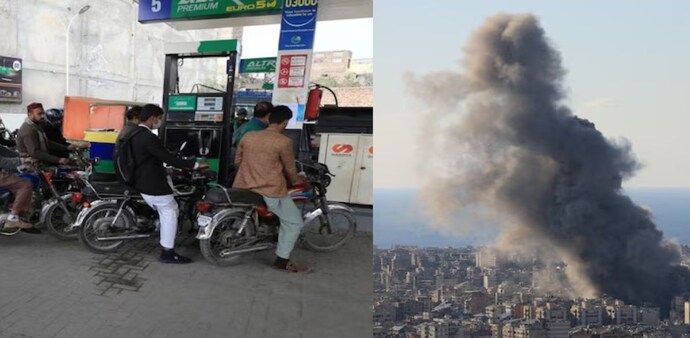
Petrol and diesel prices remained unchanged across major Indian cities on Wednesday, March 11, 2026, even as rumours of fuel shortages led to panic buying in some areas. Government officials and industry representatives clarified that there is no disruption in the supply of automotive fuels and that domestic prices remain stable despite volatility in global crude oil markets and rising geopolitical tensions in West Asia.
Fuel retailers reported normal operations across the country, with adequate stock available at depots and pumps. The stability in prices comes as a relief for consumers at a time when international oil prices have shown sharp fluctuations due to the ongoing conflict in the Middle East and concerns over supply routes.
The rumours gained momentum after long queues were seen at petrol pumps in Pune on Tuesday, prompting industry leaders to issue clarifications. Dhruv Ruparel, president of the Petrol Dealers Association, Pune, told Free Press Journal the confusion was largely due to a shortage of LPG cylinders and not petrol or diesel.
"There is a shortage of LPG, and people are speculating that there's a shortage of petrol and diesel as well. Rumours and misleading information are also spreading regarding shortages of petrol and diesel. However, there are no such shortages," Ruparel said.
He added that dealers are in constant touch with oil companies and government authorities to ensure smooth supply. "We are in touch with oil companies and the Ministry of Petroleum and Natural Gas, and we are monitoring the situation closely. There’s nothing to panic about. Dealers generally maintain three days of stock. Presently, things are normal; there is no disturbance nor disruption," he said.
Officials also confirmed that domestic fuel prices are unlikely to rise immediately, as India has sufficient reserves. Petrol in Delhi continues to be priced at ₹94.77 per litre, while diesel stands at ₹87.67 per litre. According to government sources, prices are expected to remain stable unless crude oil crosses extreme levels in the international market.
One official said, "Petrol and Diesel prices are unlikely to increase as we have enough stock. Unless crude oil prices breach USD 130, petrol-diesel prices are unlikely to increase. We expect crude oil prices to be around $100 per barrel."
Authorities also highlighted that the country has taken steps to secure supply chains amid tensions in the Gulf region. Government representatives said crude sourcing has been diversified to reduce dependence on sensitive routes. "We have accelerated crude sourcing from routes outside the Strait of Hormuz," an official said, adding that there is currently no shortage of petrol or diesel at any pump in the country.
LPG price rise
Oil and natural gas companies in India have raised the prices of Liquefied Petroleum Gas (LPG) cylinders following supply disruptions linked to the ongoing Iran–Israel conflict, triggering concern across the country as long queues were reported outside gas agencies in several cities. The price rise also became a political flashpoint, with the Congress-led opposition raising slogans in Parliament on March 11, 2026, accusing the government of failing to control fuel costs.
Global gas prices have surged due to prolonged tensions near the Strait of Hormuz, a critical energy route close to Iran, where the conflict involving Iran and the Israel-United States alliance has tightened oil and gas supplies. The disruption has pushed up international LPG prices, which is now being reflected in domestic rates across India.
India depends heavily on imports to meet cooking gas demand, with nearly 60% of LPG consumption sourced from overseas. A large share of these imports comes from Middle Eastern countries such as Saudi Arabia, Kuwait, Qatar and the UAE, making domestic prices highly sensitive to geopolitical tensions in the region.
Domestic LPG prices were increased by about ₹60 per 14.2-kg cylinder, taking the Delhi price to around ₹913, while commercial cylinders rose by over ₹110. Reports of supply shortages have also emerged from hotels and restaurants in major metro cities.
To manage the situation, the Petroleum Ministry has directed refineries to boost LPG production, prioritised household supply, imposed a 25-day booking gap to prevent hoarding, and reserved imported LPG for essential services such as hospitals and educational institutions.
Petrol and diesel prices remained unchanged across major Indian cities on Wednesday, March 11, 2026, even as rumours of fuel shortages led to panic buying in some areas. Government officials and industry representatives clarified that there is no disruption in the supply of automotive fuels and that domestic prices remain stable despite volatility in global crude oil markets and rising geopolitical tensions in West Asia.
Fuel retailers reported normal operations across the country, with adequate stock available at depots and pumps. The stability in prices comes as a relief for consumers at a time when international oil prices have shown sharp fluctuations due to the ongoing conflict in the Middle East and concerns over supply routes.
The rumours gained momentum after long queues were seen at petrol pumps in Pune on Tuesday, prompting industry leaders to issue clarifications. Dhruv Ruparel, president of the Petrol Dealers Association, Pune, told Free Press Journal the confusion was largely due to a shortage of LPG cylinders and not petrol or diesel.
"There is a shortage of LPG, and people are speculating that there's a shortage of petrol and diesel as well. Rumours and misleading information are also spreading regarding shortages of petrol and diesel. However, there are no such shortages," Ruparel said.
He added that dealers are in constant touch with oil companies and government authorities to ensure smooth supply. "We are in touch with oil companies and the Ministry of Petroleum and Natural Gas, and we are monitoring the situation closely. There’s nothing to panic about. Dealers generally maintain three days of stock. Presently, things are normal; there is no disturbance nor disruption," he said.
Officials also confirmed that domestic fuel prices are unlikely to rise immediately, as India has sufficient reserves. Petrol in Delhi continues to be priced at ₹94.77 per litre, while diesel stands at ₹87.67 per litre. According to government sources, prices are expected to remain stable unless crude oil crosses extreme levels in the international market.
One official said, "Petrol and Diesel prices are unlikely to increase as we have enough stock. Unless crude oil prices breach USD 130, petrol-diesel prices are unlikely to increase. We expect crude oil prices to be around $100 per barrel."
Authorities also highlighted that the country has taken steps to secure supply chains amid tensions in the Gulf region. Government representatives said crude sourcing has been diversified to reduce dependence on sensitive routes. "We have accelerated crude sourcing from routes outside the Strait of Hormuz," an official said, adding that there is currently no shortage of petrol or diesel at any pump in the country.
LPG price rise
Oil and natural gas companies in India have raised the prices of Liquefied Petroleum Gas (LPG) cylinders following supply disruptions linked to the ongoing Iran–Israel conflict, triggering concern across the country as long queues were reported outside gas agencies in several cities. The price rise also became a political flashpoint, with the Congress-led opposition raising slogans in Parliament on March 11, 2026, accusing the government of failing to control fuel costs.
Global gas prices have surged due to prolonged tensions near the Strait of Hormuz, a critical energy route close to Iran, where the conflict involving Iran and the Israel-United States alliance has tightened oil and gas supplies. The disruption has pushed up international LPG prices, which is now being reflected in domestic rates across India.
India depends heavily on imports to meet cooking gas demand, with nearly 60% of LPG consumption sourced from overseas. A large share of these imports comes from Middle Eastern countries such as Saudi Arabia, Kuwait, Qatar and the UAE, making domestic prices highly sensitive to geopolitical tensions in the region.
Domestic LPG prices were increased by about ₹60 per 14.2-kg cylinder, taking the Delhi price to around ₹913, while commercial cylinders rose by over ₹110. Reports of supply shortages have also emerged from hotels and restaurants in major metro cities.
To manage the situation, the Petroleum Ministry has directed refineries to boost LPG production, prioritised household supply, imposed a 25-day booking gap to prevent hoarding, and reserved imported LPG for essential services such as hospitals and educational institutions.