
RBI just made rupee global: Nepal, Sri Lanka, Bhutan to trade and borrow in INR
Authorised Dealer (AD) banks can now lend in INR to non-residents from Bhutan, Nepal, and Sri Lanka for cross-border trade
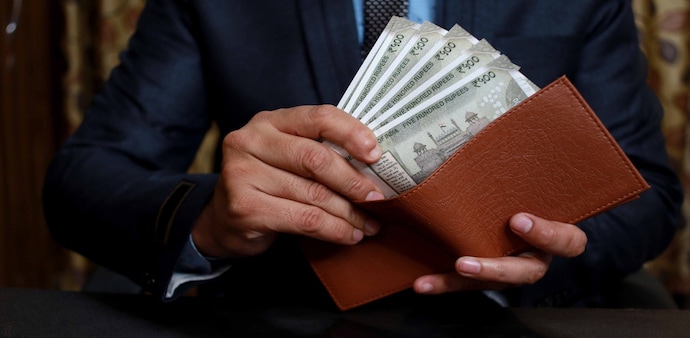
- Oct 1, 2025,
- Updated Oct 1, 2025 11:08 AM IST
In a bold push to internationalize the Indian Rupee, the Reserve Bank of India (RBI) has unveiled a set of measures aimed at deepening the use of INR in global trade and cross-border finance.
The announcement came during the October 1 Monetary Policy Committee (MPC) meeting, signaling a strategic pivot toward enhancing India’s financial influence in the region.
Among the key steps:
Authorised Dealer (AD) banks can now lend in INR to non-residents from Bhutan, Nepal, and Sri Lanka for cross-border trade.
The RBI will establish transparent reference rates for key foreign currencies to facilitate smoother INR-based international transactions.
The use of Special Rupee Vostro Account (SRVA) balances has been widened, with such funds now eligible for investment in corporate bonds and commercial papers.
These moves aim to boost demand for the rupee in regional transactions, reduce dollar dependency, and offer alternative financing options for India’s neighbors—all while positioning the INR as a competitive currency in South Asia.
“We have been making steady progress in the use of Indian Rupee for international trade,” said RBI Governor Sanjay Malhotra, calling the steps “measured, but consequential.”
The push comes amid global financial volatility, with the RBI looking to leverage India’s strong macro fundamentals—$700 billion in forex reserves, robust services exports, and a declining current account deficit—to back the rupee’s rise on the international stage.
In a bold push to internationalize the Indian Rupee, the Reserve Bank of India (RBI) has unveiled a set of measures aimed at deepening the use of INR in global trade and cross-border finance.
The announcement came during the October 1 Monetary Policy Committee (MPC) meeting, signaling a strategic pivot toward enhancing India’s financial influence in the region.
Among the key steps:
Authorised Dealer (AD) banks can now lend in INR to non-residents from Bhutan, Nepal, and Sri Lanka for cross-border trade.
The RBI will establish transparent reference rates for key foreign currencies to facilitate smoother INR-based international transactions.
The use of Special Rupee Vostro Account (SRVA) balances has been widened, with such funds now eligible for investment in corporate bonds and commercial papers.
These moves aim to boost demand for the rupee in regional transactions, reduce dollar dependency, and offer alternative financing options for India’s neighbors—all while positioning the INR as a competitive currency in South Asia.
“We have been making steady progress in the use of Indian Rupee for international trade,” said RBI Governor Sanjay Malhotra, calling the steps “measured, but consequential.”
The push comes amid global financial volatility, with the RBI looking to leverage India’s strong macro fundamentals—$700 billion in forex reserves, robust services exports, and a declining current account deficit—to back the rupee’s rise on the international stage.