
RBI MPC meeting 2026: Gov Malhotra lowers GDP projection to 6.6% from 6.9% for FY 2026-27
RBI projected a real GDP growth rate of 6.6 per cent IN FY 2026-27, revising it from the earlier projection of 6.9% due to the ongoing volatility in the international markets
- Jun 5, 2026,
- Updated Jun 5, 2026 11:00 AM IST
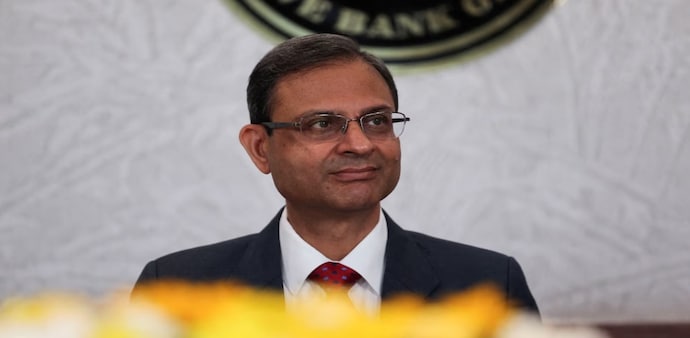
RBI MPC announcements: Reserve Bank of India Governor Sanjay Malhotra, during the Monetary Policy Committee announcements, projected a real GDP growth rate of 6.6 per cent this year, a drop from the earlier projection of 6.9% due to the ongoing volatility in the international markets, a result of the conflict in West Asia.
The decision was announced at the conclusion of the Sanjay Malhotra-led MPC meeting, alongside the central bank’s latest monetary policy statement.
Governor Malhotra also mentioned that the rise in energy prices is likely to weigh on economic activity. The full impact will depend on the ongoing geopolitical situation, he said.
He projected the growth outcome as follows:
Q1: 6.6 per cent from 6.8 per cent
Q2: 6.3 per cent from 6.7 per cent
Q3: 6.5 per cent from 7 per cent
Q4: 6.8 per cent from 7.2 per cent
The Iran war is likely to impact growth this year, but sustained momentum in the services sector should continue economic activity.
He said, based on the new GDP series, growth for last year was 7.6 per cent.
Governor Malhotra announced that the repo rate was unchanged at 5.25 per cent in the recently concluded monetary policy committee (MPC) meeting. The central bank maintained its neutral stance, RBI Governor Sanjay Malhotra said.
Demand and Supply-Side Resilience
Governor Malhotra mentioned how private consumption, bolstered by discretionary spending, has been resilient. Fixed investment has maintained its momentum despite cost pressures. Merchandise exports recorded strong growth in April, despite elevated freight and insurance costs. Services exports are also performing well, reflecting sustained demand. Overall, the economic situation has broadly exhibited resilience and withstood conflict spillovers, though the impact of cost pressures is becoming visible.
Economic challenges and headwinds
Looking ahead, rising energy and other input prices, coupled with supply disruptions, are likely to weigh on economic activity, Governor Malhotra said. While import diversification will improve supply, it will come at a higher cost, he added.
The full impact depends on the conflict's duration, supply chain normalisation, and burden-sharing among stakeholders. The pass-through of higher energy prices to retail products is evident, Governor Malhotra pointed out. He also said that a projected deficiency in the southwest monsoon could affect agricultural production and rural demand.
RBI MPC announcements: Reserve Bank of India Governor Sanjay Malhotra, during the Monetary Policy Committee announcements, projected a real GDP growth rate of 6.6 per cent this year, a drop from the earlier projection of 6.9% due to the ongoing volatility in the international markets, a result of the conflict in West Asia.
The decision was announced at the conclusion of the Sanjay Malhotra-led MPC meeting, alongside the central bank’s latest monetary policy statement.
Governor Malhotra also mentioned that the rise in energy prices is likely to weigh on economic activity. The full impact will depend on the ongoing geopolitical situation, he said.
He projected the growth outcome as follows:
Q1: 6.6 per cent from 6.8 per cent
Q2: 6.3 per cent from 6.7 per cent
Q3: 6.5 per cent from 7 per cent
Q4: 6.8 per cent from 7.2 per cent
The Iran war is likely to impact growth this year, but sustained momentum in the services sector should continue economic activity.
He said, based on the new GDP series, growth for last year was 7.6 per cent.
Governor Malhotra announced that the repo rate was unchanged at 5.25 per cent in the recently concluded monetary policy committee (MPC) meeting. The central bank maintained its neutral stance, RBI Governor Sanjay Malhotra said.
Demand and Supply-Side Resilience
Governor Malhotra mentioned how private consumption, bolstered by discretionary spending, has been resilient. Fixed investment has maintained its momentum despite cost pressures. Merchandise exports recorded strong growth in April, despite elevated freight and insurance costs. Services exports are also performing well, reflecting sustained demand. Overall, the economic situation has broadly exhibited resilience and withstood conflict spillovers, though the impact of cost pressures is becoming visible.
Economic challenges and headwinds
Looking ahead, rising energy and other input prices, coupled with supply disruptions, are likely to weigh on economic activity, Governor Malhotra said. While import diversification will improve supply, it will come at a higher cost, he added.
The full impact depends on the conflict's duration, supply chain normalisation, and burden-sharing among stakeholders. The pass-through of higher energy prices to retail products is evident, Governor Malhotra pointed out. He also said that a projected deficiency in the southwest monsoon could affect agricultural production and rural demand.