
RBI MPC minutes: Persistent volatility in global markets contrasts with India's resilient economic momentum
The MPC noted that “economic momentum remains resilient despite global volatility, with FY26 growth estimated at 7.4% and projections for the first half of FY27 nudged up to about 6.9–7.0%, helped by strong domestic demand, investment activity, and recent trade deals expected to lift exports and capital inflows.”
- Feb 20, 2026,
- Updated Feb 20, 2026 7:04 PM IST
The February 4–6 meeting of the RBI’s Monetary Policy Committee (MPC) highlighted growing anxiety among global investors as financial markets continue to witness heightened volatility. Persistent geopolitical tensions and abrupt commodity price movements have led to unpredictable swings across international markets. This instability has triggered risk aversion and sharper scrutiny of emerging markets, including India, even as domestic macro indicators remain resilient.
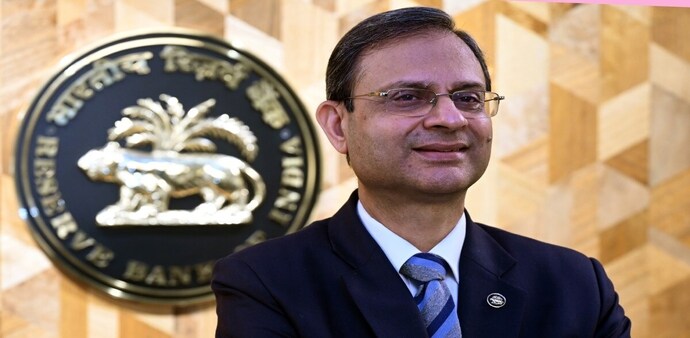
Recent deliberations by the RBI’s rate-setting panel underscored that, despite global uncertainty, India’s economic momentum remains robust. The committee, chaired by Governor Sanjay Malhotra, noted that “economic momentum remains resilient despite global volatility, with FY26 growth estimated at 7.4% and projections for the first half of FY27 nudged up to about 6.9–7.0%, helped by strong domestic demand, investment activity, and recent trade deals expected to lift exports and capital inflows.”
In his MPC summation, Governor Malhotra observed: “Despite escalating geopolitical tensions and increasing trade frictions posing huge challenges, global growth, supported by a surge in technology-related investments, conducive fiscal and monetary policies, and accommodative financial conditions, is expected to be marginally higher in 2026. Inflation outcomes may remain divergent across countries; accordingly, central banks are likely to tread dissimilar policy paths while approaching the end of their easing cycles. In the backdrop of large fiscal stimulus and geopolitical uncertainty, global investor sentiments are nervous and financial markets remain volatile.”
The minutes indicated that sustained domestic consumption and investment have helped offset part of the drag from external shocks. Improvements in the business environment and ongoing structural reforms have strengthened the foundation for medium-term growth. These factors have supported continued investor confidence, both domestic and foreign, despite global headwinds.
CPI inflation
India’s inflation trajectory further differentiates it from global turbulence. Headline Consumer Price Index (CPI) inflation stood at 0.7% in November and 1.3% in December, with the committee projecting a modest 2.1% for FY26. Inflation is expected to edge toward the 4% target in early FY27, largely due to base effects and higher precious metal prices rather than broad-based demand pressures.
The committee emphasized that these projected increases are likely to be temporary. As recorded in the minutes, “Members said underlying inflation excluding such volatile components remains muted, suggesting little risk of overheating.” Subdued core inflation reflects stable supply-side conditions and the lagged impact of earlier monetary tightening, which has helped anchor inflation expectations.
Monetary policy stance
Given the evolving environment, policymakers have adopted a cautious approach. Most members favoured maintaining the current policy stance until the impact of earlier rate cuts is fully transmitted and the revised GDP and CPI data are thoroughly assessed. While one member advocated a shift toward an accommodative stance, the broader consensus is to pause and monitor developments.
The introduction of a revised CPI series — with 2024 as the new base year instead of 2012 — is expected to improve inflation measurement accuracy and enhance policy calibration.
Guarded optimism amid external risks
Analysts note that India’s combination of firm growth and subdued inflation places it in a relatively favourable position globally. However, the minutes reflect calibrated optimism: “External risks from geopolitics, commodity swings and financial-market volatility persist, but the domestic macro balance has improved enough for the panel to watch and wait rather than move.”
Overall, while global volatility remains elevated, India’s macro fundamentals provide stability. The RBI’s strategy remains data-driven, balancing vigilance against external shocks with confidence in domestic resilience.
The February 4–6 meeting of the RBI’s Monetary Policy Committee (MPC) highlighted growing anxiety among global investors as financial markets continue to witness heightened volatility. Persistent geopolitical tensions and abrupt commodity price movements have led to unpredictable swings across international markets. This instability has triggered risk aversion and sharper scrutiny of emerging markets, including India, even as domestic macro indicators remain resilient.
Recent deliberations by the RBI’s rate-setting panel underscored that, despite global uncertainty, India’s economic momentum remains robust. The committee, chaired by Governor Sanjay Malhotra, noted that “economic momentum remains resilient despite global volatility, with FY26 growth estimated at 7.4% and projections for the first half of FY27 nudged up to about 6.9–7.0%, helped by strong domestic demand, investment activity, and recent trade deals expected to lift exports and capital inflows.”
In his MPC summation, Governor Malhotra observed: “Despite escalating geopolitical tensions and increasing trade frictions posing huge challenges, global growth, supported by a surge in technology-related investments, conducive fiscal and monetary policies, and accommodative financial conditions, is expected to be marginally higher in 2026. Inflation outcomes may remain divergent across countries; accordingly, central banks are likely to tread dissimilar policy paths while approaching the end of their easing cycles. In the backdrop of large fiscal stimulus and geopolitical uncertainty, global investor sentiments are nervous and financial markets remain volatile.”
The minutes indicated that sustained domestic consumption and investment have helped offset part of the drag from external shocks. Improvements in the business environment and ongoing structural reforms have strengthened the foundation for medium-term growth. These factors have supported continued investor confidence, both domestic and foreign, despite global headwinds.
CPI inflation
India’s inflation trajectory further differentiates it from global turbulence. Headline Consumer Price Index (CPI) inflation stood at 0.7% in November and 1.3% in December, with the committee projecting a modest 2.1% for FY26. Inflation is expected to edge toward the 4% target in early FY27, largely due to base effects and higher precious metal prices rather than broad-based demand pressures.
The committee emphasized that these projected increases are likely to be temporary. As recorded in the minutes, “Members said underlying inflation excluding such volatile components remains muted, suggesting little risk of overheating.” Subdued core inflation reflects stable supply-side conditions and the lagged impact of earlier monetary tightening, which has helped anchor inflation expectations.
Monetary policy stance
Given the evolving environment, policymakers have adopted a cautious approach. Most members favoured maintaining the current policy stance until the impact of earlier rate cuts is fully transmitted and the revised GDP and CPI data are thoroughly assessed. While one member advocated a shift toward an accommodative stance, the broader consensus is to pause and monitor developments.
The introduction of a revised CPI series — with 2024 as the new base year instead of 2012 — is expected to improve inflation measurement accuracy and enhance policy calibration.
Guarded optimism amid external risks
Analysts note that India’s combination of firm growth and subdued inflation places it in a relatively favourable position globally. However, the minutes reflect calibrated optimism: “External risks from geopolitics, commodity swings and financial-market volatility persist, but the domestic macro balance has improved enough for the panel to watch and wait rather than move.”
Overall, while global volatility remains elevated, India’s macro fundamentals provide stability. The RBI’s strategy remains data-driven, balancing vigilance against external shocks with confidence in domestic resilience.