
RBI MPC: Why was the repo rate not changed? Gov Malhotra calls decision ‘appropriate’
RBI MPC announcements: This comes even as RBI reduced policy rate by 125 basis points since February 2025. In the last policy review in December, the RBI trimmed the repo rate by 25 basis points to 5.25 per cent.
- Feb 6, 2026,
- Updated Feb 6, 2026 11:39 AM IST
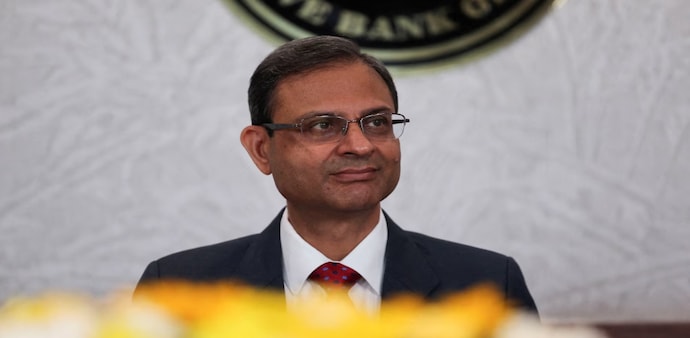
RBI Monetary Policy Committee announcements: RBI Governor Sanjay Malhotra, in the first policy review after Union Budget 2026-27, kept short-term lending rate or repo rate unchanged at 5.25 per cent with a neutral stance.
This comes even as RBI reduced policy rate by 125 basis points since February 2025. In the last policy review in December, the RBI trimmed the repo rate by 25 basis points to 5.25 per cent.
Meanwhile, the CPI-based headline retail inflation has been below the 2 per cent lower band mandated by the government for the past four months. The central bank has been tasked by the government to ensure that consumer price index (CPI) based retail inflation remains at 4 per cent with a margin of 2 per cent on either side.
WHY DID RBI NOT CHANGE REPO RATE?
In the RBI MPC announcements, Governor Malhotra explained why the MPC decided to not change the repo rate:
- He said that since the last MPC, “external headwinds have intensified” even though the successful completion of trade deals augurs well for the economic outlook. The near-term domestic inflation and growth outlook also remain positive.
- Headline inflation in the November-December period remained below the tolerance band. “The outlook for CPI inflation in Q1:2026-27 and Q2 continues to be benign and near the inflation target. The slight upward revision in the inflation outlook is primarily due to increase in prices of precious metals, which contribute about 60-70 basis points. The underlying inflation continues to be low,” he said.
- Moreover, economic activity remained resilient, and the First Advance Estimates suggest continuing growth momentum, which is driven by domestic factors despite a challenging external environment.
“Based on a comprehensive review of the domestic macroeconomic conditions and the outlook, the MPC is of the view that the current policy rate is appropriate. Accordingly, the MPC voted to continue with the existing policy rate,” he said, adding that Prof Ram Singh, Director of Delhi School of Economics, and MPC member, was of the opinion that the stance should be changed from neutral to accommodative.
“Going forward, the MPC will be guided by the evolving macroeconomic conditions and the outlook based on data from the new series in charting the future course of monetary policy,” said Malhotra.
RBI Monetary Policy Committee announcements: RBI Governor Sanjay Malhotra, in the first policy review after Union Budget 2026-27, kept short-term lending rate or repo rate unchanged at 5.25 per cent with a neutral stance.
This comes even as RBI reduced policy rate by 125 basis points since February 2025. In the last policy review in December, the RBI trimmed the repo rate by 25 basis points to 5.25 per cent.
Meanwhile, the CPI-based headline retail inflation has been below the 2 per cent lower band mandated by the government for the past four months. The central bank has been tasked by the government to ensure that consumer price index (CPI) based retail inflation remains at 4 per cent with a margin of 2 per cent on either side.
WHY DID RBI NOT CHANGE REPO RATE?
In the RBI MPC announcements, Governor Malhotra explained why the MPC decided to not change the repo rate:
- He said that since the last MPC, “external headwinds have intensified” even though the successful completion of trade deals augurs well for the economic outlook. The near-term domestic inflation and growth outlook also remain positive.
- Headline inflation in the November-December period remained below the tolerance band. “The outlook for CPI inflation in Q1:2026-27 and Q2 continues to be benign and near the inflation target. The slight upward revision in the inflation outlook is primarily due to increase in prices of precious metals, which contribute about 60-70 basis points. The underlying inflation continues to be low,” he said.
- Moreover, economic activity remained resilient, and the First Advance Estimates suggest continuing growth momentum, which is driven by domestic factors despite a challenging external environment.
“Based on a comprehensive review of the domestic macroeconomic conditions and the outlook, the MPC is of the view that the current policy rate is appropriate. Accordingly, the MPC voted to continue with the existing policy rate,” he said, adding that Prof Ram Singh, Director of Delhi School of Economics, and MPC member, was of the opinion that the stance should be changed from neutral to accommodative.
“Going forward, the MPC will be guided by the evolving macroeconomic conditions and the outlook based on data from the new series in charting the future course of monetary policy,” said Malhotra.