
RBI steps in with liquidity boost after Rupee hits record low, bond yields ease
On Friday, the central bank announced a $5 billion dollar–rupee forex swap alongside Rs 1 lakh crore worth of open market bond purchases, aimed at easing borrowing costs and supporting currency stability.
- Dec 5, 2025,
- Updated Dec 5, 2025 12:20 PM IST
The Reserve Bank of India (RBI) has introduced a fresh round of liquidity-enhancing measures to shore up financial markets after the rupee sank to a record low against the US dollar. On Friday, the central bank announced a $5 billion dollar–rupee forex swap alongside Rs 1 lakh crore worth of open market bond purchases, aimed at easing borrowing costs and supporting currency stability. The announcement came as the benchmark 10-year government bond yield softened to 6.51 percent, while key equity indices traded flat, reflecting cautious investor sentiment.
The rupee had briefly slipped to 90.42 per dollar in the previous session—its weakest level ever. On Friday, the rupee eased to 89.98 against the dollar on Thursday, after starting the session at 89.85 — 13 paise stronger than its previous close.
How OMO purchases work
Under OMO purchases, the RBI injects liquidity by buying government bonds from banks, effectively releasing funds into the financial system. Forex swaps operate differently: the central bank acquires dollars from banks in exchange for rupees, providing short-term liquidity while committing to return the dollars at a later date — in this instance, after three years.
Liquidity in the banking system stood at a surplus of Rs 2.7 lakh crore on 4 December, slightly higher than Rs 2.6 lakh crore the previous day. Analysts noted that the RBI had indicated in April that maintaining liquidity at around 1% of net demand and time liabilities (NDTL) is adequate for the transmission of earlier rate cuts. But in recent months, liquidity has consistently remained below this 1% threshold.
Market reports suggested that the fall prompted intervention from state-owned and foreign banks, with several institutions stepping in to sell dollars. This helped the rupee claw back minor intraday losses, but analysts say the currency remains under pressure. As one dealer noted, the broader sentiment “still points to weakness,” reinforcing the need for RBI support following the recent policy rate cut.
Volatility in the foreign exchange market has also pushed forward premiums sharply higher. The one-year implied yield on forward dollar-rupee contracts jumped to 2.50 percent, a rise of nearly 30 basis points during the week. The one-month premium climbed from 16.5 paisa to 22 paisa, signalling expectations of tighter dollar liquidity in the near term. These shifts underscore why the RBI moved swiftly with liquidity operations to stabilise markets.
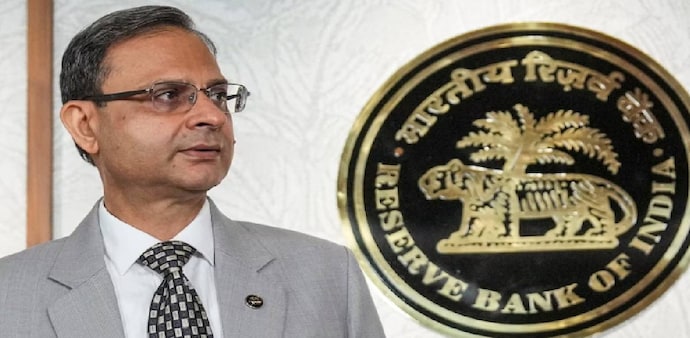
Addressing the media, Governor Malhotra said that inflation had “cooled sharply” over the past two months, dropping below the lower end of the RBI’s comfort zone. This, combined with stronger-than-expected GDP numbers, gave the central bank “adequate room to ease policy again.” The RBI believes that the dual approach of rate cuts and liquidity injections will help ensure faster transmission across the banking system, allowing lower borrowing rates to reach consumers and businesses more efficiently.
How dollar-rupee swap will help
The dollar-rupee swap is a key component of this strategy. By supplying dollars to banks in exchange for rupees, the RBI can provide short-term liquidity to the foreign exchange market without expanding money supply in a way that fuels inflation. This tool also reinforces banking sector liquidity, giving lenders the capacity to extend more credit at a time when loan demand is expected to rise.
Jyoti Prakash Gadia- Managing Director at Resurgent India ( A Category 1 Merchant Bank), said: "The rate cut of 25 basis points announced by RBI today to support growth is a welcome step indicating the recognition of the need to maintain growth momentum despite uncertainties at the global level and the recent rupee value volatility. The outlook of positivity and hope is apparent in RBI announcements in contrast to any apprehensions or fear on the growth and inflation front. The announcement of Open Market Operations of Rupees 1 lac crore and a 3-year buy-sell swap of dollars will provide the required liquidity to achieve the revised targets of GDP growth with a hefty increase of 50 basis points to 7.30%. The announcement of continued support on the liquidity front for the banking system further provides stability to the system while maintaining the neutral stance. The sentiments of resilience and buoyancy backed by consumption-led growth and GST rate cuts augur well for the growth of the economy."
Sadaf Sayeed, CEO, Muthoot Microfin, said: “The 25 bps policy rate cut is a prudent and positive step by the RBI. The additional liquidity infusion of Rs 1 lakh crore through OMOs is equally significant, providing a strong growth-oriented push. This combination will enhance credit flow to the last mile, easing EMIs for customers and improving access to credit as liquidity transmission strengthens from banks to MFIs.”
Bond markets reacted positively to the intervention, with yields edging lower as the promise of RBI purchases boosted sentiment. The rupee stabilised from its record low, though traders remain watchful of global dollar strength and geopolitical uncertainties. Meanwhile, the Nifty 50 and Sensex closed with marginal changes, suggesting that equity investors are waiting to see how effectively the measures cushion markets against further volatility.
As the rupee remains vulnerable and global conditions unpredictable, the RBI’s latest actions signal its readiness to intervene decisively to protect financial stability and support the ongoing easing cycle.
The Reserve Bank of India (RBI) has introduced a fresh round of liquidity-enhancing measures to shore up financial markets after the rupee sank to a record low against the US dollar. On Friday, the central bank announced a $5 billion dollar–rupee forex swap alongside Rs 1 lakh crore worth of open market bond purchases, aimed at easing borrowing costs and supporting currency stability. The announcement came as the benchmark 10-year government bond yield softened to 6.51 percent, while key equity indices traded flat, reflecting cautious investor sentiment.
The rupee had briefly slipped to 90.42 per dollar in the previous session—its weakest level ever. On Friday, the rupee eased to 89.98 against the dollar on Thursday, after starting the session at 89.85 — 13 paise stronger than its previous close.
How OMO purchases work
Under OMO purchases, the RBI injects liquidity by buying government bonds from banks, effectively releasing funds into the financial system. Forex swaps operate differently: the central bank acquires dollars from banks in exchange for rupees, providing short-term liquidity while committing to return the dollars at a later date — in this instance, after three years.
Liquidity in the banking system stood at a surplus of Rs 2.7 lakh crore on 4 December, slightly higher than Rs 2.6 lakh crore the previous day. Analysts noted that the RBI had indicated in April that maintaining liquidity at around 1% of net demand and time liabilities (NDTL) is adequate for the transmission of earlier rate cuts. But in recent months, liquidity has consistently remained below this 1% threshold.
Market reports suggested that the fall prompted intervention from state-owned and foreign banks, with several institutions stepping in to sell dollars. This helped the rupee claw back minor intraday losses, but analysts say the currency remains under pressure. As one dealer noted, the broader sentiment “still points to weakness,” reinforcing the need for RBI support following the recent policy rate cut.
Volatility in the foreign exchange market has also pushed forward premiums sharply higher. The one-year implied yield on forward dollar-rupee contracts jumped to 2.50 percent, a rise of nearly 30 basis points during the week. The one-month premium climbed from 16.5 paisa to 22 paisa, signalling expectations of tighter dollar liquidity in the near term. These shifts underscore why the RBI moved swiftly with liquidity operations to stabilise markets.
Addressing the media, Governor Malhotra said that inflation had “cooled sharply” over the past two months, dropping below the lower end of the RBI’s comfort zone. This, combined with stronger-than-expected GDP numbers, gave the central bank “adequate room to ease policy again.” The RBI believes that the dual approach of rate cuts and liquidity injections will help ensure faster transmission across the banking system, allowing lower borrowing rates to reach consumers and businesses more efficiently.
How dollar-rupee swap will help
The dollar-rupee swap is a key component of this strategy. By supplying dollars to banks in exchange for rupees, the RBI can provide short-term liquidity to the foreign exchange market without expanding money supply in a way that fuels inflation. This tool also reinforces banking sector liquidity, giving lenders the capacity to extend more credit at a time when loan demand is expected to rise.
Jyoti Prakash Gadia- Managing Director at Resurgent India ( A Category 1 Merchant Bank), said: "The rate cut of 25 basis points announced by RBI today to support growth is a welcome step indicating the recognition of the need to maintain growth momentum despite uncertainties at the global level and the recent rupee value volatility. The outlook of positivity and hope is apparent in RBI announcements in contrast to any apprehensions or fear on the growth and inflation front. The announcement of Open Market Operations of Rupees 1 lac crore and a 3-year buy-sell swap of dollars will provide the required liquidity to achieve the revised targets of GDP growth with a hefty increase of 50 basis points to 7.30%. The announcement of continued support on the liquidity front for the banking system further provides stability to the system while maintaining the neutral stance. The sentiments of resilience and buoyancy backed by consumption-led growth and GST rate cuts augur well for the growth of the economy."
Sadaf Sayeed, CEO, Muthoot Microfin, said: “The 25 bps policy rate cut is a prudent and positive step by the RBI. The additional liquidity infusion of Rs 1 lakh crore through OMOs is equally significant, providing a strong growth-oriented push. This combination will enhance credit flow to the last mile, easing EMIs for customers and improving access to credit as liquidity transmission strengthens from banks to MFIs.”
Bond markets reacted positively to the intervention, with yields edging lower as the promise of RBI purchases boosted sentiment. The rupee stabilised from its record low, though traders remain watchful of global dollar strength and geopolitical uncertainties. Meanwhile, the Nifty 50 and Sensex closed with marginal changes, suggesting that equity investors are waiting to see how effectively the measures cushion markets against further volatility.
As the rupee remains vulnerable and global conditions unpredictable, the RBI’s latest actions signal its readiness to intervene decisively to protect financial stability and support the ongoing easing cycle.