
₹10 lakh crore liquidity surplus: Why FCNR-B inflows could push bank funding costs lower, says Jefferies
India’s banking system is facing a sharp liquidity surplus of nearly ₹10 lakh crore, driven partly by strong FCNR-B inflows, which could keep short-term interest rates under pressure. Jefferies expects falling money-market rates and easier liquidity conditions to help banks lower wholesale funding costs, although near-term NIMs may remain under pressure.
- Sep 4, 2026,
- Updated Sep 4, 2026 2:39 PM IST
India’s banking system is sitting on a surplus liquidity of nearly ₹10 lakh crore, following a sharp increase in foreign currency inflows under the RBI’s FCNR-B scheme. Jefferies expects the liquidity glut, combined with falling money-market rates, to keep short-term funding costs under pressure and could eventually help banks lower their wholesale borrowing rates.
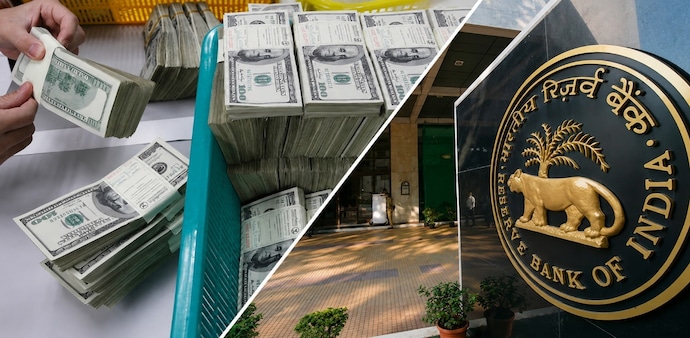
FCNR-B deposits have emerged as the dominant source of foreign exchange inflows under the RBI’s 2026 scheme. Total inflows through FCNR-B deposits, overseas foreign currency borrowings and external commercial borrowings stood at $136.4 billion as of August 31, of which $127.2 billion came through FCNR-B deposits.
The large inflows have added to system liquidity at a time when banks are already seeing easier funding conditions.Like, ICICI Bank said it has mobilised around $17.88 billion (₹1.70 lakh crore) through FCNR(B) deposits under the Reserve Bank of India’s special forex swap facility, according to a regulatory filing. The mobilisation was completed by August 31, the deadline for eligible fresh deposits. Of the funds raised, ICICI Bank’s international branches and subsidiaries extended around $9 billion (₹85,600 crore) in loans against these deposits. The bank also issued standby letters of credit worth approximately $3.63 billion (₹34,600 crore) to other banks against loans backed by the deposits. Separately, ICICI Bank raised $3.55 billion through US dollar-denominated bonds in July and August 2026.
Jefferies said surplus liquidity has risen to ₹10 lakh crore and could increase further as additional money enters the system. The liquidity improvement is particularly relevant ahead of the festive season, when stronger demand for credit and cash typically increases the importance of stable funding conditions. According to Jefferies, the improved liquidity should help keep rates in check.
MUST READ: FCNR deposit bonanza: Economists explain why deft liquidity management will be key
CD rates already falling
The impact is already visible in the money markets. Three-month certificate of deposit (CD) rates declined by 90 basis points in August, while six-month CD rates fell by 50 basis points over the same period. As of September 3, the three-month CD rate stood at 5.9%, compared with 6.8% a month earlier.
Jefferies expects banks to respond to the softer liquidity and money-market environment by lowering wholesale funding rates.
This could become particularly significant for banks that have relied more heavily on high-cost wholesale deposits. The brokerage expects banks to normalise margins over the next two to four quarters partly by reducing their dependence on such expensive funding sources.
Liquidity-management challenge
The sharp rise in liquidity also leaves the Reserve Bank of India with the task of preventing excessive short-term liquidity from pushing market rates too low.
Jefferies expects the RBI to absorb excess short-term liquidity and then reinject it over a period of time. The brokerage believes the central bank may prefer open market operations (OMOs) over a cash reserve ratio (CRR) hike, since CRR is primarily a policy instrument rather than a liquidity-management tool.
For banks, however, the liquidity boost comes with a near-term trade-off. Jefferies expects net interest margins (NIMs) to decline in the second quarter, partly because banks raised bonds and loans before receiving and deploying the FCNR-B deposits.
Still, the brokerage estimates FCNR-B inflows could create an additional annual banking-sector profit pool of ₹10,000–11,000 crore, suggesting that lower funding costs and higher volumes could outweigh the temporary pressure on margins.
DO READ: Dollar deluge: RBI’s forex scheme draws $136.37 billion
India’s banking system is sitting on a surplus liquidity of nearly ₹10 lakh crore, following a sharp increase in foreign currency inflows under the RBI’s FCNR-B scheme. Jefferies expects the liquidity glut, combined with falling money-market rates, to keep short-term funding costs under pressure and could eventually help banks lower their wholesale borrowing rates.
FCNR-B deposits have emerged as the dominant source of foreign exchange inflows under the RBI’s 2026 scheme. Total inflows through FCNR-B deposits, overseas foreign currency borrowings and external commercial borrowings stood at $136.4 billion as of August 31, of which $127.2 billion came through FCNR-B deposits.
The large inflows have added to system liquidity at a time when banks are already seeing easier funding conditions.Like, ICICI Bank said it has mobilised around $17.88 billion (₹1.70 lakh crore) through FCNR(B) deposits under the Reserve Bank of India’s special forex swap facility, according to a regulatory filing. The mobilisation was completed by August 31, the deadline for eligible fresh deposits. Of the funds raised, ICICI Bank’s international branches and subsidiaries extended around $9 billion (₹85,600 crore) in loans against these deposits. The bank also issued standby letters of credit worth approximately $3.63 billion (₹34,600 crore) to other banks against loans backed by the deposits. Separately, ICICI Bank raised $3.55 billion through US dollar-denominated bonds in July and August 2026.
Jefferies said surplus liquidity has risen to ₹10 lakh crore and could increase further as additional money enters the system. The liquidity improvement is particularly relevant ahead of the festive season, when stronger demand for credit and cash typically increases the importance of stable funding conditions. According to Jefferies, the improved liquidity should help keep rates in check.
MUST READ: FCNR deposit bonanza: Economists explain why deft liquidity management will be key
CD rates already falling
The impact is already visible in the money markets. Three-month certificate of deposit (CD) rates declined by 90 basis points in August, while six-month CD rates fell by 50 basis points over the same period. As of September 3, the three-month CD rate stood at 5.9%, compared with 6.8% a month earlier.
Jefferies expects banks to respond to the softer liquidity and money-market environment by lowering wholesale funding rates.
This could become particularly significant for banks that have relied more heavily on high-cost wholesale deposits. The brokerage expects banks to normalise margins over the next two to four quarters partly by reducing their dependence on such expensive funding sources.
Liquidity-management challenge
The sharp rise in liquidity also leaves the Reserve Bank of India with the task of preventing excessive short-term liquidity from pushing market rates too low.
Jefferies expects the RBI to absorb excess short-term liquidity and then reinject it over a period of time. The brokerage believes the central bank may prefer open market operations (OMOs) over a cash reserve ratio (CRR) hike, since CRR is primarily a policy instrument rather than a liquidity-management tool.
For banks, however, the liquidity boost comes with a near-term trade-off. Jefferies expects net interest margins (NIMs) to decline in the second quarter, partly because banks raised bonds and loans before receiving and deploying the FCNR-B deposits.
Still, the brokerage estimates FCNR-B inflows could create an additional annual banking-sector profit pool of ₹10,000–11,000 crore, suggesting that lower funding costs and higher volumes could outweigh the temporary pressure on margins.
DO READ: Dollar deluge: RBI’s forex scheme draws $136.37 billion