
₹5,000 DAP for ₹1,300, ₹3,000 urea below ₹300: PM Modi says ₹16 lakh cr spent to keep fertilisers cheap for farmers
PM Narendra Modi said the government has spent ₹16 lakh crore over the past 12 years to protect farmers from rising fertiliser prices, even as global conflicts push up agricultural input costs.
- Nov 12, 2026,
- Updated Nov 12, 2026 9:35 PM IST
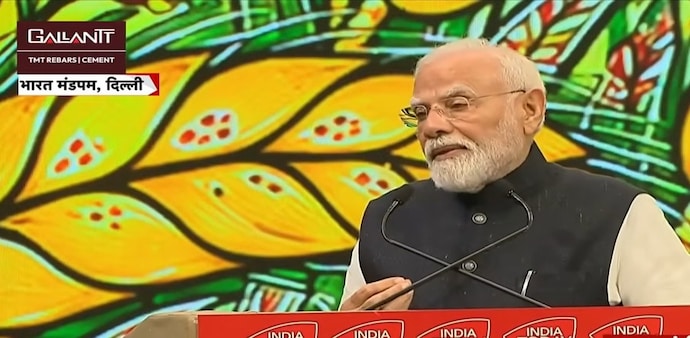
Prime Minister Narendra Modi on Thursday (November 12) said the government has spent a staggering ₹16 lakh crore over the past 12 years to ensure affordable fertilisers for Indian farmers, shielding them from soaring international prices and disruptions caused by geopolitical conflicts.
Addressing the India Today Kisan Tak Agri Conference, Modi highlighted how government subsidies have helped keep essential agricultural inputs affordable despite rising global costs, particularly amid conflicts involving Iran and the Gulf region. Highlighting the difference between international and domestic fertiliser prices, Modi said a bag of diammonium phosphate (DAP), which costs approximately ₹5,000 in the international market, is being made available to Indian farmers for just ₹1,300.
Similarly, he said a bag of urea costing around ₹3,000 internationally is available to Indian farmers for less than ₹300.
Based on these figures, Indian farmers are paying approximately 74% less for DAP and more than 90% less for urea compared with the international prices cited by the Prime Minister.
Modi emphasised the scale of government expenditure, saying, "To make fertilisers affordable for farmers, the country has spent Rs 16 lakh crore over the past 12 years. This is an enormous amount. Rs 16 lakh crore is more than the annual budgets of several countries."
The expenditure translates into an average annual outlay of approximately ₹1.33 lakh crore over the 12-year period.
MUST READ: PM Modi says govt absorbing ₹14,000 crore monthly diesel burden, limited ₹50/litre hike to just ₹7
Iran-Gulf conflict impacts fertiliser costs
The Prime Minister also highlighted the impact of geopolitical tensions on global agricultural input prices.
According to Modi, the Iran war has significantly affected the prices of agricultural raw materials and fertilisers, creating additional pressure on countries dependent on international supply chains.
Despite these challenges, he said India has continued providing fertilisers to farmers at the lowest possible prices through government intervention.
Fertiliser subsidies play an important role in controlling cultivation costs, particularly for small and marginal farmers who are vulnerable to fluctuations in agricultural input prices.
Modi urges farmers to adopt natural farming
While highlighting government support for affordable fertilisers, Modi also cautioned against excessive dependence on chemical inputs.
ALSO READ: Inflation bites harder as food prices surge, more rate hikes loom
He urged farmers and other agricultural stakeholders to work together to protect soil health and promote natural and organic farming practices.
Warning against indiscriminate chemical use, the Prime Minister questioned whether current agricultural practices were damaging Mother Earth.
50 crore Indians moved out of poverty, claims Modi
Modi also cited a World Bank study to claim that 50 crore Indians had escaped poverty over the past 12–13 years, with rural areas recording a significant decline.
He further said India's agricultural sector had registered average annual growth exceeding 4% over the past decade, describing the performance as unprecedented since Independence.
The Prime Minister expressed concern that such achievements in agricultural growth and poverty reduction often receive insufficient attention in public discourse.
DO READ: Three stops, one agenda: PM’s visit to Canada, US, Brussels in mid-December to boost trade ties