
‘Second-round effects’: RBI Governor Malhotra fires warning on the impact of the West Asia war
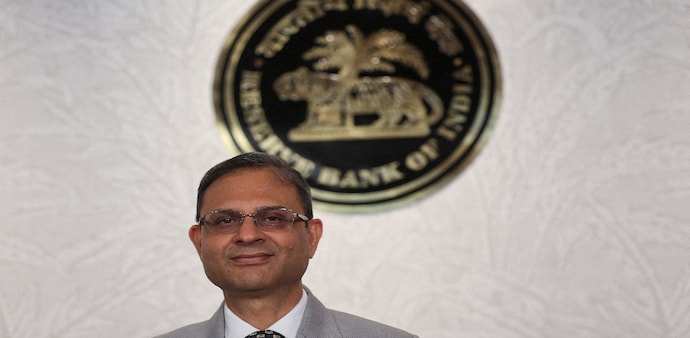
Reserve Bank of India Governor Sanjay Malhotra says the central bank would “wait and watch” and continuously reassess the balance of risks
- Apr 21, 2026,
- Updated Apr 21, 2026 2:43 PM IST
The conflict in West Asia can have second-order effects on inflation, so the central bank would be in wait-and-watch mode, Reserve Bank of India Governor Sanjay Malhotra has said. In such uncertain times, it is important to be nimble and agile, maintaining a broad policy stance, he stressed.
He pointed out that India has been particularly impacted by the current crisis since West Asia accounts for about one-sixth of the country’s overall exports, one-fifth of imports, half of its crude oil and two-fifths of its fertiliser imports. Besides, the region also accounted for two-fifths of India’s inward remittances, Malhotra added.
“Second-round effects are the real concern. They can materialise if the supply chain disruptions continue for long. Then, what began as a supply shock can become embedded in the general price level,” Malhotra said in a speech at Princeton University in the US.
Don't miss: West Asia war: India’s trade with region down, pulls down exports in March 2026
Monetary policy has a primary role to play in preventing this—through its influence on inflation expectations rather than through blunt demand compression, he said.
The Monetary Policy Committee (MPC) of the RBI kept the policy repo rate unchanged at 5.25% in its meeting in April. It also maintained a “neutral” policy stance, which Malhotra said, “preserves the flexibility to respond as the inflation-growth dynamics evolve.”
The RBI would be even more dependent on data now and would continuously reassess the balance of risks, Malhotra said. “We are therefore in wait-and-watch mode now.”
Malhotra pointed that RBI’s flexible inflation targeting (FIT) policy, navigating through shocks like the Covid-19 pandemic and the war in Ukraine, had served the country well.
Since adopting FIT, the average headline inflation had dropped to 4.7% over September 2016-December 2025, compared with 7.4% between April 2012 and August 2016. “Inflation expectations are better anchored and less volatile,” said Malhotra.
Over the last year, inflation has fallen sharply. The consumer price index (CPI)-based inflation hit a low of 0.25% in October 2025. It has picked up since, although it still remains well below the RBI’s target of 4%, with a 2% window either side. However, inflation is expected to rise, amid supply-related disruptions, and a surge in oil price due to the US and Israel war against Iran.
The RBI sees inflation at 4.6% for the financial year 2026-27, with inflation expected to be at 4% in Q1, 4.4% in Q2, 5.2% in Q3, and moderating to 4.7% in Q4.
Malhotra maintained that India’s financial system remained healthy and resilient thanks to a number of measures taken over the past decade, including the launch of the Insolvency and Bankruptcy Code in 2016, alignment of prudential norms to global standards and governance reforms at public sector banks.
During his address, Malhotra also touched upon the success of UPI (Unified Payments Interface) and added that the RBI is currently building a unified lending interface (ULI). This would give lenders instant digital access to data, allowing them to assess credit worthiness within minutes for small farmers and business owners who previously had no documents to show or had to spend considerable time and effort at a bank, he pointed.
The conflict in West Asia can have second-order effects on inflation, so the central bank would be in wait-and-watch mode, Reserve Bank of India Governor Sanjay Malhotra has said. In such uncertain times, it is important to be nimble and agile, maintaining a broad policy stance, he stressed.
He pointed out that India has been particularly impacted by the current crisis since West Asia accounts for about one-sixth of the country’s overall exports, one-fifth of imports, half of its crude oil and two-fifths of its fertiliser imports. Besides, the region also accounted for two-fifths of India’s inward remittances, Malhotra added.
“Second-round effects are the real concern. They can materialise if the supply chain disruptions continue for long. Then, what began as a supply shock can become embedded in the general price level,” Malhotra said in a speech at Princeton University in the US.
Don't miss: West Asia war: India’s trade with region down, pulls down exports in March 2026
Monetary policy has a primary role to play in preventing this—through its influence on inflation expectations rather than through blunt demand compression, he said.
The Monetary Policy Committee (MPC) of the RBI kept the policy repo rate unchanged at 5.25% in its meeting in April. It also maintained a “neutral” policy stance, which Malhotra said, “preserves the flexibility to respond as the inflation-growth dynamics evolve.”
The RBI would be even more dependent on data now and would continuously reassess the balance of risks, Malhotra said. “We are therefore in wait-and-watch mode now.”
Malhotra pointed that RBI’s flexible inflation targeting (FIT) policy, navigating through shocks like the Covid-19 pandemic and the war in Ukraine, had served the country well.
Since adopting FIT, the average headline inflation had dropped to 4.7% over September 2016-December 2025, compared with 7.4% between April 2012 and August 2016. “Inflation expectations are better anchored and less volatile,” said Malhotra.
Over the last year, inflation has fallen sharply. The consumer price index (CPI)-based inflation hit a low of 0.25% in October 2025. It has picked up since, although it still remains well below the RBI’s target of 4%, with a 2% window either side. However, inflation is expected to rise, amid supply-related disruptions, and a surge in oil price due to the US and Israel war against Iran.
The RBI sees inflation at 4.6% for the financial year 2026-27, with inflation expected to be at 4% in Q1, 4.4% in Q2, 5.2% in Q3, and moderating to 4.7% in Q4.
Malhotra maintained that India’s financial system remained healthy and resilient thanks to a number of measures taken over the past decade, including the launch of the Insolvency and Bankruptcy Code in 2016, alignment of prudential norms to global standards and governance reforms at public sector banks.
During his address, Malhotra also touched upon the success of UPI (Unified Payments Interface) and added that the RBI is currently building a unified lending interface (ULI). This would give lenders instant digital access to data, allowing them to assess credit worthiness within minutes for small farmers and business owners who previously had no documents to show or had to spend considerable time and effort at a bank, he pointed.