
Small MDR fee unlikely to hit UPI volumes, says RBI Governor Sanjay Malhotra on UPI-MDR charges from Oct 15
The new MDR framework will take effect from October 15, with a 0.4% charge on eligible UPI person-to-merchant transactions above ₹2,000, while consumers will continue to use UPI without paying the MDR.
- Oct 7, 2026,
- Updated Oct 7, 2026 12:47 PM IST
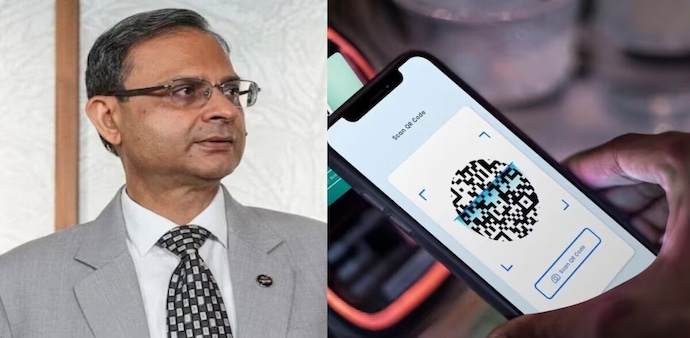
Reserve Bank of India (RBI) Governor Sanjay Malhotra on Wednesday said the introduction of a merchant discount rate (MDR) on select UPI transactions is unlikely to have a significant impact on the digital payment platform’s volumes.
“On UPI-MDR, a decision has already been taken. As of now, we do not see any drop in UPI volumes, and I don't personally think that a small fee will have a major impact on the volumes,” Malhotra said.
His comments come ahead of the implementation of the new MDR framework from October 15, under which select high-value UPI person-to-merchant (P2M) transactions will attract a 0.4% fee. The charge will apply to transactions above ₹2,000, while transactions of ₹75,000 and above will have an MDR cap of ₹300.
MDR is the fee paid by merchants within the digital payments ecosystem for processing transactions. The key change, however, is that the charge will not be levied on consumers.
The Department of Financial Services (DFS), under the finance ministry, has clarified that UPI payments will continue to remain free for consumers. Merchants will also not be allowed to pass the MDR on to customers, meaning buyers should continue to pay only the displayed or posted price.
MUST READ: RBI MPC: Repo rate hiked by 25 bps to 5.5%, rate cut unlikely in near term
What changes from October 15?
The new MDR applies only to eligible P2M transactions above ₹2,000. Payments up to ₹2,000 will continue without the new charge. According to the DFS, such transactions account for more than 95% of the total volume of UPI P2M transactions.
Small merchants covered under the P2PM framework will also continue to enjoy zero MDR.
For instance, if a customer makes a ₹50,000 UPI payment, the 0.4% MDR would amount to ₹200. This amount would be borne by the merchant and would not be added to the customer's bill. Similarly, on a ₹1 lakh transaction, the MDR would be capped at ₹300 instead of ₹400.
Will Diwali purchases cost more?
For consumers, the introduction of MDR should not make UPI purchases more expensive. This is particularly relevant during the festive season, when high-value transactions for jewellery, electronics, appliances and other goods typically increase.
ALSO READ: RBI repo rate hike: Higher EMI or longer tenure? Which is cheaper for home loan borrowers?
The DFS has specifically stated that merchants cannot recover the MDR from customers while accepting UPI payments. Consumers will therefore continue to pay the listed price, with no additional UPI charge.
The framework also does not introduce a platform fee for consumers. Person-to-person UPI transfers will continue to remain free.
For now, Malhotra’s comments suggest that the RBI does not expect the new merchant-side charge to weaken UPI usage materially, particularly given that the vast majority of P2M transactions fall below the ₹2,000 threshold.
DO READ: Repeated ₹2,000 UPI payments for one purchase? Your bank could flag the pattern: What it means
Reserve Bank of India (RBI) Governor Sanjay Malhotra on Wednesday said the introduction of a merchant discount rate (MDR) on select UPI transactions is unlikely to have a significant impact on the digital payment platform’s volumes.
“On UPI-MDR, a decision has already been taken. As of now, we do not see any drop in UPI volumes, and I don't personally think that a small fee will have a major impact on the volumes,” Malhotra said.
His comments come ahead of the implementation of the new MDR framework from October 15, under which select high-value UPI person-to-merchant (P2M) transactions will attract a 0.4% fee. The charge will apply to transactions above ₹2,000, while transactions of ₹75,000 and above will have an MDR cap of ₹300.
MDR is the fee paid by merchants within the digital payments ecosystem for processing transactions. The key change, however, is that the charge will not be levied on consumers.
The Department of Financial Services (DFS), under the finance ministry, has clarified that UPI payments will continue to remain free for consumers. Merchants will also not be allowed to pass the MDR on to customers, meaning buyers should continue to pay only the displayed or posted price.
MUST READ: RBI MPC: Repo rate hiked by 25 bps to 5.5%, rate cut unlikely in near term
What changes from October 15?
The new MDR applies only to eligible P2M transactions above ₹2,000. Payments up to ₹2,000 will continue without the new charge. According to the DFS, such transactions account for more than 95% of the total volume of UPI P2M transactions.
Small merchants covered under the P2PM framework will also continue to enjoy zero MDR.
For instance, if a customer makes a ₹50,000 UPI payment, the 0.4% MDR would amount to ₹200. This amount would be borne by the merchant and would not be added to the customer's bill. Similarly, on a ₹1 lakh transaction, the MDR would be capped at ₹300 instead of ₹400.
Will Diwali purchases cost more?
For consumers, the introduction of MDR should not make UPI purchases more expensive. This is particularly relevant during the festive season, when high-value transactions for jewellery, electronics, appliances and other goods typically increase.
ALSO READ: RBI repo rate hike: Higher EMI or longer tenure? Which is cheaper for home loan borrowers?
The DFS has specifically stated that merchants cannot recover the MDR from customers while accepting UPI payments. Consumers will therefore continue to pay the listed price, with no additional UPI charge.
The framework also does not introduce a platform fee for consumers. Person-to-person UPI transfers will continue to remain free.
For now, Malhotra’s comments suggest that the RBI does not expect the new merchant-side charge to weaken UPI usage materially, particularly given that the vast majority of P2M transactions fall below the ₹2,000 threshold.
DO READ: Repeated ₹2,000 UPI payments for one purchase? Your bank could flag the pattern: What it means