
States must shift role from control to stewardship in higher education: CEA Anantha Nageswaran
The Chief Economic Adviser stressed the importance of deeper industry engagement across the higher education ecosystem.
- Dec 17, 2025,
- Updated Dec 17, 2025 2:35 PM IST
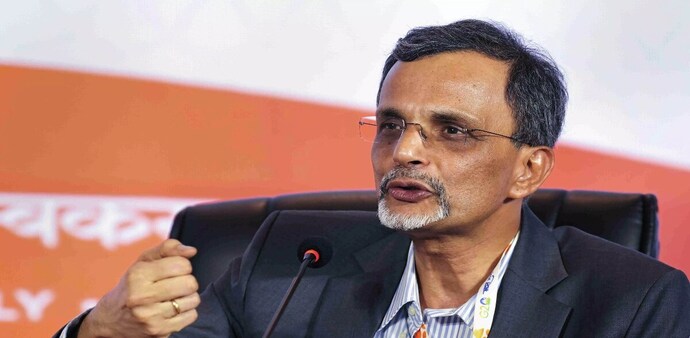
States must take the lead in driving the next phase of higher education reforms in India, Chief Economic Adviser to the Government of India, Dr Anantha Nageswaran, said on Tuesday at the CII Global Higher Education Summit in New Delhi. He underlined that the responsibility of translating national policy intent into on-ground outcomes rests largely with state governments.
Addressing the summit on December 17, Dr Nageswaran outlined key reform priorities, calling for a shift in the role of states from “control to stewardship” in higher education governance. He emphasised the urgent need to address faculty shortages through flexible mechanisms such as professors of practice, while also advocating a move away from input-based regulation towards outcome-based frameworks. An entrepreneurial approach in public administration and differentiated financing of institutions, based on their roles and performance outcomes, were also highlighted as critical to improving quality and accountability.
The Chief Economic Adviser stressed the importance of deeper industry engagement across the higher education ecosystem. Industry participation in curriculum co-design, credit-bearing internships, applied research, shared infrastructure and institutional governance can significantly enhance relevance and employability, he said. Dr Nageswaran noted that sustained collaboration among the Centre, states, industry and citizens is essential for India to move from scale to leadership and position itself as a global hub for learning, research and ideas.
He pointed out that the current moment offers a rare opportunity for ambitious reform due to four converging factors. These include India’s demographic and economic inflection point, structural shifts in global higher education creating space for new destinations, rapid technological advances enabling education at scale, and the policy foundation already laid through the National Education Policy 2020. Together, he said, these factors call for focused execution and institutional courage to deliver lasting reform.
States must take the lead in driving the next phase of higher education reforms in India, Chief Economic Adviser to the Government of India, Dr Anantha Nageswaran, said on Tuesday at the CII Global Higher Education Summit in New Delhi. He underlined that the responsibility of translating national policy intent into on-ground outcomes rests largely with state governments.
Addressing the summit on December 17, Dr Nageswaran outlined key reform priorities, calling for a shift in the role of states from “control to stewardship” in higher education governance. He emphasised the urgent need to address faculty shortages through flexible mechanisms such as professors of practice, while also advocating a move away from input-based regulation towards outcome-based frameworks. An entrepreneurial approach in public administration and differentiated financing of institutions, based on their roles and performance outcomes, were also highlighted as critical to improving quality and accountability.
The Chief Economic Adviser stressed the importance of deeper industry engagement across the higher education ecosystem. Industry participation in curriculum co-design, credit-bearing internships, applied research, shared infrastructure and institutional governance can significantly enhance relevance and employability, he said. Dr Nageswaran noted that sustained collaboration among the Centre, states, industry and citizens is essential for India to move from scale to leadership and position itself as a global hub for learning, research and ideas.
He pointed out that the current moment offers a rare opportunity for ambitious reform due to four converging factors. These include India’s demographic and economic inflection point, structural shifts in global higher education creating space for new destinations, rapid technological advances enabling education at scale, and the policy foundation already laid through the National Education Policy 2020. Together, he said, these factors call for focused execution and institutional courage to deliver lasting reform.