
The Ras Laffan Effect: Energy shock for import-dependent India
With heavy dependence on West Asian gas and LPG, disruptions at Ras Laffan could hit India’s industry, households, and inflation outlook.
- Mar 19, 2026,
- Updated Mar 19, 2026 5:03 PM IST
Within three weeks of the first missiles landing thousands of kilometres away in Tehran, India finds itself on the frontline of a global energy shock – not by geography, but by dependence.
On Wednesday, March 18, a new chapter was opened in the escalating West Asia conflict. Israel struck Iran’s South Pars gas field and Iran retaliated by targeting Qatar’s Ras Laffan LNG hub, placing India’s energy security under immediate pressure.
The vulnerability is structural. India imports more than half of its liquefied natural gas, and over 70 per cent of the supply is from West Asia. Nearly half, around 47 per cent, comes from Qatar alone.
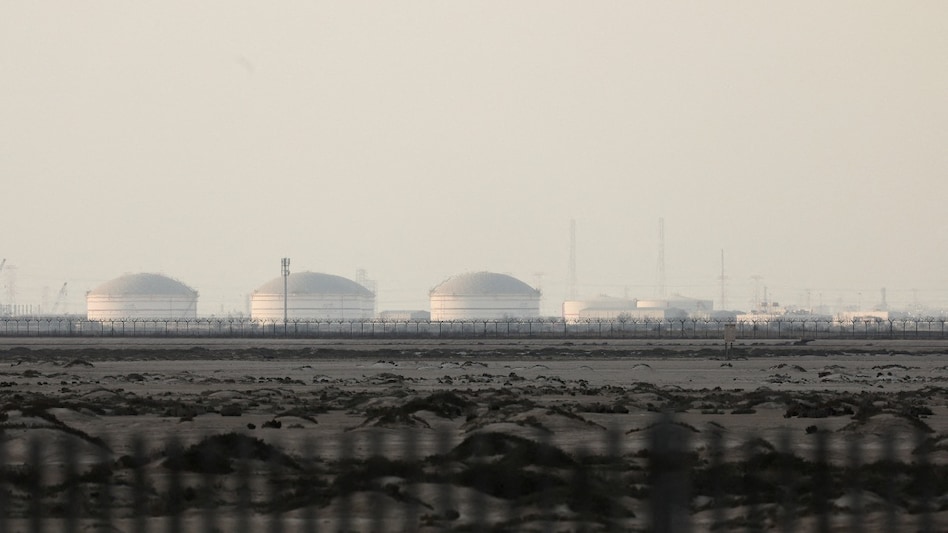
That makes Ras Laffan, the world’s largest LNG export facility just 80 km north of the capital city of Doha, not just a distant industrial complex, but a critical pillar of India’s energy ecosystem.
With QatarEnergy confirming extensive damage and disruptions at the site, the risk is not just of higher prices, but of tighter availability. And in LNG markets, where there are no strategic reserves, even short-term disruptions can have outsized consequences.
The largest producers of LNG – United States, Qatar, Australia and Malaysia – are already at 100 per cent export capacity. There’s little room to accommodate countries like India hit by the Iran war. Russia, which has its exports limited by global sanctions, is the only country India can turn to.
The impact will likely ripple across sectors. Natural gas fuels power generation, fertiliser production, and city gas distribution networks across the country. Any sustained disruption could push up input costs, squeeze margins, and eventually translate into higher consumer prices.
The concern deepens when it comes to household energy. Around 90 per cent of India’s LPG imports are sourced from West Asia. With inventories reportedly sufficient for only about two weeks, the system operates with limited buffers. A prolonged disruption could quickly tighten supplies and even influence politics at a time the when the country is headed towards assembly elections in four states and a union territory.
There is also the broader macroeconomic angle. Higher energy import bills could widen India’s trade deficit, exert pressure on the rupee, and complicate inflation management for policymakers.
Compounding these risks is the Strait of Hormuz – a narrow but vital transit route for energy shipments – which is now under heightened threat. Any disruption here could further delay supplies and amplify price shocks.
The government has taken emergency measures – rationing LPG and LNG to find a balance between supply and demand, cracking down on hoarders, discouraging panic buying and as recently as March 18, tightening the grip on both public and private sector oil and gas players by ensuring they share data on fuel stocks, imports and supply chains.
In effect, India is navigating a perfect storm – where geopolitical conflict, supply disruption, and market volatility converge.
And in an economy where energy demand continues to rise, the margin for disruption is not just thin – it is critical.
Within three weeks of the first missiles landing thousands of kilometres away in Tehran, India finds itself on the frontline of a global energy shock – not by geography, but by dependence.
On Wednesday, March 18, a new chapter was opened in the escalating West Asia conflict. Israel struck Iran’s South Pars gas field and Iran retaliated by targeting Qatar’s Ras Laffan LNG hub, placing India’s energy security under immediate pressure.
The vulnerability is structural. India imports more than half of its liquefied natural gas, and over 70 per cent of the supply is from West Asia. Nearly half, around 47 per cent, comes from Qatar alone.
That makes Ras Laffan, the world’s largest LNG export facility just 80 km north of the capital city of Doha, not just a distant industrial complex, but a critical pillar of India’s energy ecosystem.
With QatarEnergy confirming extensive damage and disruptions at the site, the risk is not just of higher prices, but of tighter availability. And in LNG markets, where there are no strategic reserves, even short-term disruptions can have outsized consequences.
The largest producers of LNG – United States, Qatar, Australia and Malaysia – are already at 100 per cent export capacity. There’s little room to accommodate countries like India hit by the Iran war. Russia, which has its exports limited by global sanctions, is the only country India can turn to.
The impact will likely ripple across sectors. Natural gas fuels power generation, fertiliser production, and city gas distribution networks across the country. Any sustained disruption could push up input costs, squeeze margins, and eventually translate into higher consumer prices.
The concern deepens when it comes to household energy. Around 90 per cent of India’s LPG imports are sourced from West Asia. With inventories reportedly sufficient for only about two weeks, the system operates with limited buffers. A prolonged disruption could quickly tighten supplies and even influence politics at a time the when the country is headed towards assembly elections in four states and a union territory.
There is also the broader macroeconomic angle. Higher energy import bills could widen India’s trade deficit, exert pressure on the rupee, and complicate inflation management for policymakers.
Compounding these risks is the Strait of Hormuz – a narrow but vital transit route for energy shipments – which is now under heightened threat. Any disruption here could further delay supplies and amplify price shocks.
The government has taken emergency measures – rationing LPG and LNG to find a balance between supply and demand, cracking down on hoarders, discouraging panic buying and as recently as March 18, tightening the grip on both public and private sector oil and gas players by ensuring they share data on fuel stocks, imports and supply chains.
In effect, India is navigating a perfect storm – where geopolitical conflict, supply disruption, and market volatility converge.
And in an economy where energy demand continues to rise, the margin for disruption is not just thin – it is critical.