
Trump pauses Russia-linked tariffs threatening India and China: What it means for India
The legislation, named the Lindsey O Graham Sanctioning Russia and Iran Act of 2026, gave Trump 30 days to impose tariffs of up to 100% on imports from major buyers of Russian crude, including India, China, Slovakia, Hungary and Azerbaijan. The deadline was due to expire on October 18.
- Oct 17, 2026,
- Updated Oct 17, 2026 8:35 AM IST
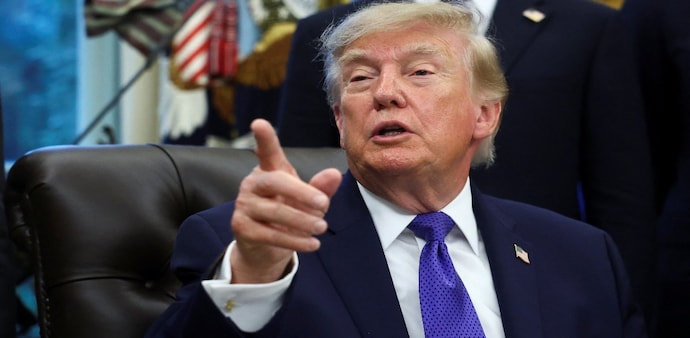
US President Donald Trump has waived the implementation of several sanctions and tariffs linked to Russian exports, offering relief to India and China just a day before the measures were due to take effect. Trump cited the "national interest" of the United States for the decision.
"I am hereby waiving the application of such sanctions, restrictions, and duties provided for in the Graham Act. I have submitted to Congress a certification that the issuance of such a waiver at this time is in the national interest of the United States," Trump said in an executive order released late Friday.
The directive suspends the implementation of the Russia-related tariffs but does not permanently remove the provisions, leaving Trump the option of imposing them later.
The legislation, named the Lindsey O Graham Sanctioning Russia and Iran Act of 2026, gave Trump 30 days to impose tariffs of up to 100% on imports from major buyers of Russian crude, including India, China, Slovakia, Hungary and Azerbaijan. The deadline was due to expire on October 18.
What the legislation proposed
The law sought to restrict the financial resources supporting Russia's war against Ukraine by targeting Russian officials, banks, energy interests and foreign entities linked to Moscow's military operations. It also authorised sanctions against Russian President Vladimir Putin and senior government figures.
The legislation provided for tariffs on countries continuing to trade with Russia, potentially exposing India and China to significantly higher duties on their exports to the US.
MUST READ: Brent hits $110 as Hormuz ship attacks, Houthi strikes on Saudi trigger oil rally
Implications for India
Had Washington imposed the proposed 100% tariff on Indian goods, it would have come on top of existing duties. The precise impact on Indian exports would have depended on the final tariff structure.
India-US trade relations had come under pressure last year after Trump imposed an additional 25% tariff on Indian imports of Russian crude, alongside a 25% reciprocal tariff. The additional duties were removed in February 2026, while the reciprocal tariff was reduced to 18% under a bilateral trade framework.
Following the passage of the sanctions legislation, India reiterated its commitment to protecting its economic interests and ensuring energy security.
"As stated on several earlier occasions, India remains firmly committed to ensuring energy security for its 1.4 billion people. It will continue to do so through diversified sourcing and based on evolving market dynamics," the foreign ministry said.
The decision offers temporary relief to Indian exporters by averting the immediate threat of tariffs of up to 100% on Indian goods over the country's purchases of Russian crude oil. Such steep duties could have made Indian products significantly more expensive in the US market, potentially hurting export competitiveness and trade flows. However, the relief may be temporary, as the executive order suspends the measures rather than permanently scrapping them.
ALSO READ: Copper supply could peak before demand: Why a 30% shortfall is hard to fix
Trump's Russia outreach
The waiver comes amid Trump's recent outreach to Moscow and criticism of Ukrainian President Volodymyr Zelensky. Trump recently announced a deal for Russia to supply more than 300,000 tonnes of diesel to the US, with additional shipments expected.
Zelensky criticised the arrangement as "unworthy of our partners" and a "weak decision", alleging that Russia continued attacking Ukraine despite the deal.
Trump, meanwhile, questioned Zelensky's ability to negotiate an end to the war.
"I suggest they get a new leader who can make a deal. For some reason (Zelensky) never does," he said.
Marco Rubio's visit
External Affairs Minister S Jaishankar will meet US Secretary of State Marco Rubio in Mumbai on October 20 to review bilateral ties and explore ways to strengthen cooperation across key sectors, the MEA said on Friday. Rubio, who is visiting India from October 17 to 22, will also attend a celebration marking the 250th anniversary of US independence as the guest of honour.
The meeting comes amid efforts by New Delhi and Washington to advance their strategic partnership and address key trade and economic issues. MEA spokesperson Randhir Jaiswal said the visit would help both sides assess the current state of relations and identify areas for deeper engagement.
DO READ: AI revenue is surging at Indian IT firms, but how much is adding to growth?
US President Donald Trump has waived the implementation of several sanctions and tariffs linked to Russian exports, offering relief to India and China just a day before the measures were due to take effect. Trump cited the "national interest" of the United States for the decision.
"I am hereby waiving the application of such sanctions, restrictions, and duties provided for in the Graham Act. I have submitted to Congress a certification that the issuance of such a waiver at this time is in the national interest of the United States," Trump said in an executive order released late Friday.
The directive suspends the implementation of the Russia-related tariffs but does not permanently remove the provisions, leaving Trump the option of imposing them later.
The legislation, named the Lindsey O Graham Sanctioning Russia and Iran Act of 2026, gave Trump 30 days to impose tariffs of up to 100% on imports from major buyers of Russian crude, including India, China, Slovakia, Hungary and Azerbaijan. The deadline was due to expire on October 18.
What the legislation proposed
The law sought to restrict the financial resources supporting Russia's war against Ukraine by targeting Russian officials, banks, energy interests and foreign entities linked to Moscow's military operations. It also authorised sanctions against Russian President Vladimir Putin and senior government figures.
The legislation provided for tariffs on countries continuing to trade with Russia, potentially exposing India and China to significantly higher duties on their exports to the US.
MUST READ: Brent hits $110 as Hormuz ship attacks, Houthi strikes on Saudi trigger oil rally
Implications for India
Had Washington imposed the proposed 100% tariff on Indian goods, it would have come on top of existing duties. The precise impact on Indian exports would have depended on the final tariff structure.
India-US trade relations had come under pressure last year after Trump imposed an additional 25% tariff on Indian imports of Russian crude, alongside a 25% reciprocal tariff. The additional duties were removed in February 2026, while the reciprocal tariff was reduced to 18% under a bilateral trade framework.
Following the passage of the sanctions legislation, India reiterated its commitment to protecting its economic interests and ensuring energy security.
"As stated on several earlier occasions, India remains firmly committed to ensuring energy security for its 1.4 billion people. It will continue to do so through diversified sourcing and based on evolving market dynamics," the foreign ministry said.
The decision offers temporary relief to Indian exporters by averting the immediate threat of tariffs of up to 100% on Indian goods over the country's purchases of Russian crude oil. Such steep duties could have made Indian products significantly more expensive in the US market, potentially hurting export competitiveness and trade flows. However, the relief may be temporary, as the executive order suspends the measures rather than permanently scrapping them.
ALSO READ: Copper supply could peak before demand: Why a 30% shortfall is hard to fix
Trump's Russia outreach
The waiver comes amid Trump's recent outreach to Moscow and criticism of Ukrainian President Volodymyr Zelensky. Trump recently announced a deal for Russia to supply more than 300,000 tonnes of diesel to the US, with additional shipments expected.
Zelensky criticised the arrangement as "unworthy of our partners" and a "weak decision", alleging that Russia continued attacking Ukraine despite the deal.
Trump, meanwhile, questioned Zelensky's ability to negotiate an end to the war.
"I suggest they get a new leader who can make a deal. For some reason (Zelensky) never does," he said.
Marco Rubio's visit
External Affairs Minister S Jaishankar will meet US Secretary of State Marco Rubio in Mumbai on October 20 to review bilateral ties and explore ways to strengthen cooperation across key sectors, the MEA said on Friday. Rubio, who is visiting India from October 17 to 22, will also attend a celebration marking the 250th anniversary of US independence as the guest of honour.
The meeting comes amid efforts by New Delhi and Washington to advance their strategic partnership and address key trade and economic issues. MEA spokesperson Randhir Jaiswal said the visit would help both sides assess the current state of relations and identify areas for deeper engagement.
DO READ: AI revenue is surging at Indian IT firms, but how much is adding to growth?