
Uday Kotak's warning on US bond yields: 'Players may take note of the new conductor'
Uday Kotak's warning on US bond yields: 'Players may take note of the new conductor'
Achilles' heel for global finance is the US bond yield, says Uday Kotak
Business Today Desk
- Jul 30, 2026,
- Updated Jul 30, 2026 2:25 PM IST
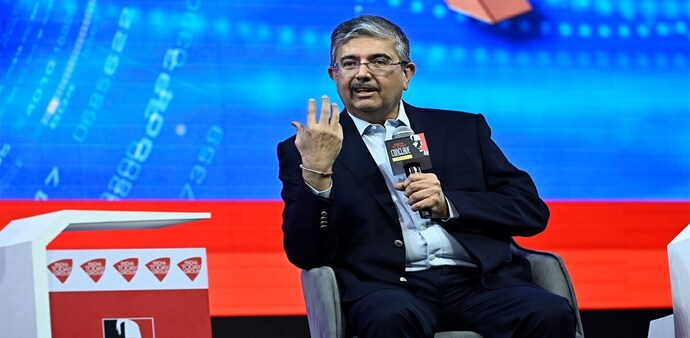
Kotak Mahindra Bank founder and director Uday Kotak on Thursday said rising US Treasury yields have become the "Achilles heel" of global finance. He pointed to the sharp jump in long-term borrowing costs despite the US Federal Reserve keeping interest rates unchanged.
"Achilles heel for global finance is US bond yield. 10-year crossed 4.70% and 30-year 5.20%, despite Fed rates being on hold," Kotak said in a post on X. "The new Chair Kevin Warsh believes in smaller Fed balance sheet. That shrinks liquidity. Players may take note of the new conductor of markets symphony."
Advertisement
Don't Miss: Indian stock market impact: What rising September Fed rate hike bets mean
FED HOLDS RATES, YIELDS CLIMB
Kotak's remarks came a day after the Federal Reserve left interest rates unchanged for a fifth consecutive policy meeting.
Fed Chair Kevin Warsh reiterated the central bank's commitment to bringing inflation back to its 2% target.
"Let me reiterate: There is no soft inflation target," Warsh said after the policy decision. "There is no soft implicit target, not on this committee's watch. There's only a target, and it's 2%."
Advertisement
Despite the policy pause, US Treasury yields climbed sharply during Warsh's remarks. The 30-year Treasury yield rose to 5.21%, its highest level since 2007, while the benchmark 10-year yield climbed to nearly 4.69%, approaching its highest level in more than a year.
Market participants interpreted the move as a sign of persistent concerns over inflation and expectations that the Fed may not do enough to bring price pressures under control.
Bond yields rise when bond prices fall, indicating investors sold long-term Treasuries and demanded higher returns to compensate for inflation risk.
Must Read: Why SIFs are catching on with investors
WHY KOTAK FLAGGED THE FED'S BALANCE SHEET
Kotak also pointed to Warsh's preference for a smaller Federal Reserve balance sheet, saying tighter liquidity could have broader implications for financial markets.
Advertisement
The Fed's balance sheet expanded significantly through bond purchases during periods of economic stress. A reduction in those holdings withdraws liquidity from the financial system, a shift Kotak suggested markets should closely monitor.
WHAT HIGHER US YIELDS MEAN FOR INDIA
A sustained rise in US Treasury yields could have significant implications for India by influencing capital flows, currency markets and borrowing costs.
Higher US yields make Treasury securities more attractive to global investors, potentially triggering foreign portfolio investment outflows from emerging markets such as India. That, in turn, can weigh on Indian equities.
Rising Treasury yields also tend to strengthen the US dollar, putting pressure on the rupee and increasing the cost of imports, particularly crude oil. They can also push up domestic bond yields, raising borrowing costs for both the government and companies.
At the same time, a weaker rupee could benefit exporters by increasing the value of their overseas earnings.
Kotak Mahindra Bank founder and director Uday Kotak on Thursday said rising US Treasury yields have become the "Achilles heel" of global finance. He pointed to the sharp jump in long-term borrowing costs despite the US Federal Reserve keeping interest rates unchanged.
"Achilles heel for global finance is US bond yield. 10-year crossed 4.70% and 30-year 5.20%, despite Fed rates being on hold," Kotak said in a post on X. "The new Chair Kevin Warsh believes in smaller Fed balance sheet. That shrinks liquidity. Players may take note of the new conductor of markets symphony."
Advertisement
Don't Miss: Indian stock market impact: What rising September Fed rate hike bets mean
FED HOLDS RATES, YIELDS CLIMB
Kotak's remarks came a day after the Federal Reserve left interest rates unchanged for a fifth consecutive policy meeting.
Fed Chair Kevin Warsh reiterated the central bank's commitment to bringing inflation back to its 2% target.
"Let me reiterate: There is no soft inflation target," Warsh said after the policy decision. "There is no soft implicit target, not on this committee's watch. There's only a target, and it's 2%."
Advertisement
Despite the policy pause, US Treasury yields climbed sharply during Warsh's remarks. The 30-year Treasury yield rose to 5.21%, its highest level since 2007, while the benchmark 10-year yield climbed to nearly 4.69%, approaching its highest level in more than a year.
Market participants interpreted the move as a sign of persistent concerns over inflation and expectations that the Fed may not do enough to bring price pressures under control.
Bond yields rise when bond prices fall, indicating investors sold long-term Treasuries and demanded higher returns to compensate for inflation risk.
Must Read: Why SIFs are catching on with investors
WHY KOTAK FLAGGED THE FED'S BALANCE SHEET
Kotak also pointed to Warsh's preference for a smaller Federal Reserve balance sheet, saying tighter liquidity could have broader implications for financial markets.
Advertisement
The Fed's balance sheet expanded significantly through bond purchases during periods of economic stress. A reduction in those holdings withdraws liquidity from the financial system, a shift Kotak suggested markets should closely monitor.
WHAT HIGHER US YIELDS MEAN FOR INDIA
A sustained rise in US Treasury yields could have significant implications for India by influencing capital flows, currency markets and borrowing costs.
Higher US yields make Treasury securities more attractive to global investors, potentially triggering foreign portfolio investment outflows from emerging markets such as India. That, in turn, can weigh on Indian equities.
Rising Treasury yields also tend to strengthen the US dollar, putting pressure on the rupee and increasing the cost of imports, particularly crude oil. They can also push up domestic bond yields, raising borrowing costs for both the government and companies.
At the same time, a weaker rupee could benefit exporters by increasing the value of their overseas earnings.
Read more!