
US sanctions bill may threaten India’s textile exports; CITI calls for urgent government engagement
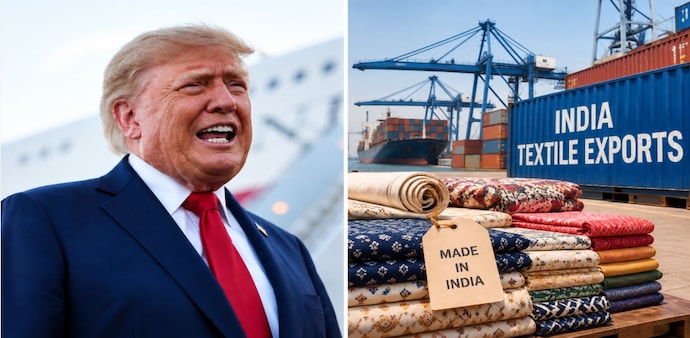
India’s textile and apparel industry has raised concerns over the potential impact of additional US tariffs following the signing of the Lindsey O. Graham Sanctioning Russia and Iran Act. Industry body CITI has urged the government to urgently engage with the US to protect exporters, particularly MSMEs, from losing competitiveness.
- Sep 19, 2026,
- Updated Sep 19, 2026 5:59 PM IST
India’s textile and apparel industry has raised concerns over the potential impact of additional US tariffs following the signing of the Lindsey O. Graham Sanctioning Russia and Iran Act of 2026. Industry body CITI has urged the government to engage urgently with the US to protect exporters, particularly MSMEs.
US President Donald Trump signed into law a Russia sanctions bill that gives his administration new powers to impose tariffs of up to 100% on countries buying Russian oil and gas.
The Confederation of Indian Textile Industry (CITI) said any additional tariffs under the legislation could severely affect India's textile and apparel exporters, for whom the US is the largest market.
“Any additional tariffs under this Act will be very difficult to absorb for the MSME-dominated Indian textile and apparel sector already under stress due to several factors, including the continuing turmoil in West Asia,” CITI Chairman Ashwin Chandran said in a statement on September 19.
Chandran said higher tariffs could affect Indian exporters' ability to compete in the US market, which remains the industry's most significant overseas destination.
CITI has called for greater engagement between the Government of India and the US to ensure that Indian exporters are not disadvantaged by any new tariff measures. The industry body also said a fair, balanced and equitable bilateral trade agreement (BTA) between the two countries was an urgent requirement.
US remains critical market for textile exporters
According to CITI, India's existing and upcoming free trade agreements could help exporters access new markets, but they cannot replace the importance of the US market for the textile and apparel sector.
“The FTAs offer a lot of potential, but the gains from those are not automatic for exporters and will take time to materialise,” Chandran said.
The India-UK Comprehensive Economic and Trade Agreement (CETA) became effective on July 15, 2026, while the India-EU FTA is expected to become operational next year, according to CITI.
However, the industry body said these agreements would take time to translate into gains for exporters, making continued access to the US market particularly important.
Textile exports rise, apparel shipments fall
The latest export figures cited by CITI show a mixed performance.
In August 2026, India's overall textile and apparel exports increased 6.39% year-on-year in US dollar terms. Textile exports rose 13.03%, while apparel exports declined 2.74%.
For April-August 2026, textile exports grew 6.94%, but apparel exports fell 9.10%. As a result, cumulative textile and apparel exports were marginally lower by 0.24% year-on-year.
CITI said India-US trade has scope for greater value-chain integration, technology partnerships and supply-chain resilience. It added that a balanced and predictable trade framework could support bilateral commercial engagement and the long-term competitiveness of textile and apparel industries in both countries.
The law
The legislation targets Russia’s energy and defence sectors, as well as President Vladimir Putin and other senior Russian officials. It requires tariffs of up to 100% on goods imported from countries that are among the five largest buyers of Russian crude oil or gas, as well as countries that knowingly make new purchases or help Russia evade sanctions.
India and China are among the biggest buyers of Russian oil, potentially putting Indian exports to the US at risk of higher tariffs.
However, the law does not name specific countries or clearly define how the top-five lists will be determined, giving the Trump administration significant discretion in deciding which countries could face tariffs.
The immediate impact on India remains uncertain. Analysts cited by Reuters said Washington may be reluctant to impose measures that could push up US consumer and energy prices ahead of the November midterm elections.
India’s textile and apparel industry has raised concerns over the potential impact of additional US tariffs following the signing of the Lindsey O. Graham Sanctioning Russia and Iran Act of 2026. Industry body CITI has urged the government to engage urgently with the US to protect exporters, particularly MSMEs.
US President Donald Trump signed into law a Russia sanctions bill that gives his administration new powers to impose tariffs of up to 100% on countries buying Russian oil and gas.
The Confederation of Indian Textile Industry (CITI) said any additional tariffs under the legislation could severely affect India's textile and apparel exporters, for whom the US is the largest market.
“Any additional tariffs under this Act will be very difficult to absorb for the MSME-dominated Indian textile and apparel sector already under stress due to several factors, including the continuing turmoil in West Asia,” CITI Chairman Ashwin Chandran said in a statement on September 19.
Chandran said higher tariffs could affect Indian exporters' ability to compete in the US market, which remains the industry's most significant overseas destination.
CITI has called for greater engagement between the Government of India and the US to ensure that Indian exporters are not disadvantaged by any new tariff measures. The industry body also said a fair, balanced and equitable bilateral trade agreement (BTA) between the two countries was an urgent requirement.
US remains critical market for textile exporters
According to CITI, India's existing and upcoming free trade agreements could help exporters access new markets, but they cannot replace the importance of the US market for the textile and apparel sector.
“The FTAs offer a lot of potential, but the gains from those are not automatic for exporters and will take time to materialise,” Chandran said.
The India-UK Comprehensive Economic and Trade Agreement (CETA) became effective on July 15, 2026, while the India-EU FTA is expected to become operational next year, according to CITI.
However, the industry body said these agreements would take time to translate into gains for exporters, making continued access to the US market particularly important.
Textile exports rise, apparel shipments fall
The latest export figures cited by CITI show a mixed performance.
In August 2026, India's overall textile and apparel exports increased 6.39% year-on-year in US dollar terms. Textile exports rose 13.03%, while apparel exports declined 2.74%.
For April-August 2026, textile exports grew 6.94%, but apparel exports fell 9.10%. As a result, cumulative textile and apparel exports were marginally lower by 0.24% year-on-year.
CITI said India-US trade has scope for greater value-chain integration, technology partnerships and supply-chain resilience. It added that a balanced and predictable trade framework could support bilateral commercial engagement and the long-term competitiveness of textile and apparel industries in both countries.
The law
The legislation targets Russia’s energy and defence sectors, as well as President Vladimir Putin and other senior Russian officials. It requires tariffs of up to 100% on goods imported from countries that are among the five largest buyers of Russian crude oil or gas, as well as countries that knowingly make new purchases or help Russia evade sanctions.
India and China are among the biggest buyers of Russian oil, potentially putting Indian exports to the US at risk of higher tariffs.
However, the law does not name specific countries or clearly define how the top-five lists will be determined, giving the Trump administration significant discretion in deciding which countries could face tariffs.
The immediate impact on India remains uncertain. Analysts cited by Reuters said Washington may be reluctant to impose measures that could push up US consumer and energy prices ahead of the November midterm elections.