
100% tariffs immediately? What Trump’s new Russia sanctions law means for India
The new legislation is significant because Congress has now created a specific statutory framework for imposing additional tariffs on major purchasers of Russian energy. That potentially gives Washington a more durable legal instrument than relying solely on presidential executive orders.
- Sep 19, 2026,
- Updated Sep 19, 2026 7:49 AM IST
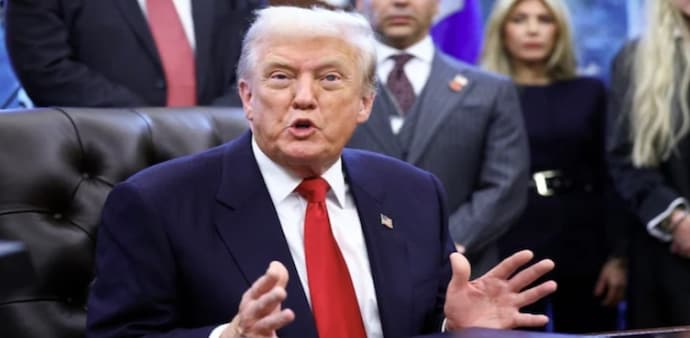
US President Donald Trump has signed a new law expanding Washington’s ability to penalise countries that continue buying Russian crude and natural gas. For India, which has emerged as one of the biggest buyers of Russian oil, the legislation creates a fresh trade and energy dilemma.
But one crucial distinction needs to be made: the law does not automatically impose a 100% tariff on Indian goods entering the US.
Instead, it gives the US administration the authority to impose additional duties of up to 100% on imports from countries that meet specified criteria linked to Russian energy purchases and sanctions evasion.
What is the sanctions bill Trump signed?
The legislation, known as the Lindsey O Graham Sanctioning Russia and Iran Act of 2026, expands sanctions on Russia and gives the US additional tools to target countries and entities that continue to support Moscow economically.
For India, the most important provision allows additional tariffs on goods imported into the US from countries that continue purchasing Russian crude or natural gas under conditions specified by the law.
The tariff would therefore target Indian exports to the US, rather than directly taxing the Russian oil India buys.
Does India automatically face a 100% tariff?
No. The 100% figure is the maximum tariff authorised under the legislation, not an automatic rate.
The administration retains discretion over whether to impose the tariff, its level and the circumstances in which it is applied. The law also contains provisions allowing the US president to waive or suspend certain measures under specified circumstances.
MUST READ | Russian oil & gas purchase: Trump signs Bill into Act targeting 100% tariffs on India, China
This makes the legislation a significant negotiating tool for Washington rather than an immediate blanket 100% tariff on Indian exports.
What could happen to India's oil bill?
ussian crude has become a major component of India's oil imports since Western countries imposed sanctions on Moscow following Russia's invasion of Ukraine.
Indian refiners increased purchases of Russian crude as European buyers reduced their exposure to Moscow. Discounted Russian barrels also became commercially attractive for Indian refiners.
Any US move to penalise countries buying Russian oil could therefore affect India beyond the energy sector. If Indian refiners are forced to reduce Russian crude purchases, they would have to find alternative suppliers.
DON'T MISS | US tariff clouds loom again: India awaiting more clarity on Russia sanctions bill
Those barrels could come from West Asia, the US, Africa or other markets. But replacing Russian crude could become more expensive depending on global oil prices, freight costs, refinery requirements and availability.
The timing is particularly important because global energy markets are already facing supply disruptions and elevated prices. For India, therefore, the issue is not simply whether it can replace Russian oil. It is how much those replacement barrels would cost.
A substantial shift away from Russian crude could raise India's import bill and put additional pressure on the country's trade balance.
Which Indian exporters could be affected?
The potential impact extends well beyond oil. If the US imposes additional tariffs on Indian goods, exporters across several sectors could face higher costs and reduced competitiveness in the American market.
Potentially exposed sectors include:
- Engineering goods
- Pharmaceuticals
- Textiles and garments
- Chemicals
- Electronics
- Gems and jewellery
- Petroleum products
- Other manufactured goods
The actual impact would depend on the tariff rate, the products covered and any exemptions or waivers granted by Washington. The US is one of India's biggest export markets, making the issue particularly important for Indian businesses.
Why the law matters more than earlier tariff threats
Trump's administration has previously used tariffs to pressure India over Russian oil purchases.
The new legislation is significant because Congress has now created a specific statutory framework for imposing additional tariffs on major purchasers of Russian energy.
FIND WHY | India’s dependence on Russian crude set to rise after a steep drop in August
That potentially gives Washington a more durable legal instrument than relying solely on presidential executive orders. For India, this could make the Russian-oil issue a more permanent part of US-India trade negotiations.
Can India simply stop buying Russian oil?
India can diversify its crude supplies, but doing so has economic and strategic consequences. The country imports more than 80% of its crude oil requirements, making reliable and affordable overseas supplies essential to its energy security.
Russian crude became particularly important because it offered Indian refiners access to large volumes at competitive prices. Replacing those supplies is possible, but the cost will depend on global oil prices, shipping routes, refinery compatibility and availability from alternative producers.
DO CHECKOUT | Only one Indian-American lawmaker voted in favour of Russia sanctions act: Who is Raja Krishnamoorthi?
If global crude prices remain elevated, reducing Russian purchases could become considerably more expensive for Indian refiners.
What is India's position?
New Delhi has indicated that it is assessing the implications of the US legislation and will take steps to protect its trade and economic interests.
The issue also comes at a sensitive point in the broader India-US relationship, where trade negotiations, energy security and strategic cooperation are closely intertwined.
The legislation does not itself require India to stop buying Russian oil in exchange for a waiver. Any such arrangement would have to emerge through negotiations between Washington and New Delhi.
US President Donald Trump has signed a new law expanding Washington’s ability to penalise countries that continue buying Russian crude and natural gas. For India, which has emerged as one of the biggest buyers of Russian oil, the legislation creates a fresh trade and energy dilemma.
But one crucial distinction needs to be made: the law does not automatically impose a 100% tariff on Indian goods entering the US.
Instead, it gives the US administration the authority to impose additional duties of up to 100% on imports from countries that meet specified criteria linked to Russian energy purchases and sanctions evasion.
What is the sanctions bill Trump signed?
The legislation, known as the Lindsey O Graham Sanctioning Russia and Iran Act of 2026, expands sanctions on Russia and gives the US additional tools to target countries and entities that continue to support Moscow economically.
For India, the most important provision allows additional tariffs on goods imported into the US from countries that continue purchasing Russian crude or natural gas under conditions specified by the law.
The tariff would therefore target Indian exports to the US, rather than directly taxing the Russian oil India buys.
Does India automatically face a 100% tariff?
No. The 100% figure is the maximum tariff authorised under the legislation, not an automatic rate.
The administration retains discretion over whether to impose the tariff, its level and the circumstances in which it is applied. The law also contains provisions allowing the US president to waive or suspend certain measures under specified circumstances.
MUST READ | Russian oil & gas purchase: Trump signs Bill into Act targeting 100% tariffs on India, China
This makes the legislation a significant negotiating tool for Washington rather than an immediate blanket 100% tariff on Indian exports.
What could happen to India's oil bill?
ussian crude has become a major component of India's oil imports since Western countries imposed sanctions on Moscow following Russia's invasion of Ukraine.
Indian refiners increased purchases of Russian crude as European buyers reduced their exposure to Moscow. Discounted Russian barrels also became commercially attractive for Indian refiners.
Any US move to penalise countries buying Russian oil could therefore affect India beyond the energy sector. If Indian refiners are forced to reduce Russian crude purchases, they would have to find alternative suppliers.
DON'T MISS | US tariff clouds loom again: India awaiting more clarity on Russia sanctions bill
Those barrels could come from West Asia, the US, Africa or other markets. But replacing Russian crude could become more expensive depending on global oil prices, freight costs, refinery requirements and availability.
The timing is particularly important because global energy markets are already facing supply disruptions and elevated prices. For India, therefore, the issue is not simply whether it can replace Russian oil. It is how much those replacement barrels would cost.
A substantial shift away from Russian crude could raise India's import bill and put additional pressure on the country's trade balance.
Which Indian exporters could be affected?
The potential impact extends well beyond oil. If the US imposes additional tariffs on Indian goods, exporters across several sectors could face higher costs and reduced competitiveness in the American market.
Potentially exposed sectors include:
- Engineering goods
- Pharmaceuticals
- Textiles and garments
- Chemicals
- Electronics
- Gems and jewellery
- Petroleum products
- Other manufactured goods
The actual impact would depend on the tariff rate, the products covered and any exemptions or waivers granted by Washington. The US is one of India's biggest export markets, making the issue particularly important for Indian businesses.
Why the law matters more than earlier tariff threats
Trump's administration has previously used tariffs to pressure India over Russian oil purchases.
The new legislation is significant because Congress has now created a specific statutory framework for imposing additional tariffs on major purchasers of Russian energy.
FIND WHY | India’s dependence on Russian crude set to rise after a steep drop in August
That potentially gives Washington a more durable legal instrument than relying solely on presidential executive orders. For India, this could make the Russian-oil issue a more permanent part of US-India trade negotiations.
Can India simply stop buying Russian oil?
India can diversify its crude supplies, but doing so has economic and strategic consequences. The country imports more than 80% of its crude oil requirements, making reliable and affordable overseas supplies essential to its energy security.
Russian crude became particularly important because it offered Indian refiners access to large volumes at competitive prices. Replacing those supplies is possible, but the cost will depend on global oil prices, shipping routes, refinery compatibility and availability from alternative producers.
DO CHECKOUT | Only one Indian-American lawmaker voted in favour of Russia sanctions act: Who is Raja Krishnamoorthi?
If global crude prices remain elevated, reducing Russian purchases could become considerably more expensive for Indian refiners.
What is India's position?
New Delhi has indicated that it is assessing the implications of the US legislation and will take steps to protect its trade and economic interests.
The issue also comes at a sensitive point in the broader India-US relationship, where trade negotiations, energy security and strategic cooperation are closely intertwined.
The legislation does not itself require India to stop buying Russian oil in exchange for a waiver. Any such arrangement would have to emerge through negotiations between Washington and New Delhi.