
What gets expensive from April 1: From commercial LPG to bread, biscuits and ATM charges, cost of living set to rise
Alongside key tax changes, households are likely to face higher spending across essentials, banking services, commuting, and even big-ticket purchases such as cars.
- Apr 1, 2026,
- Updated Apr 1, 2026 8:00 AM IST
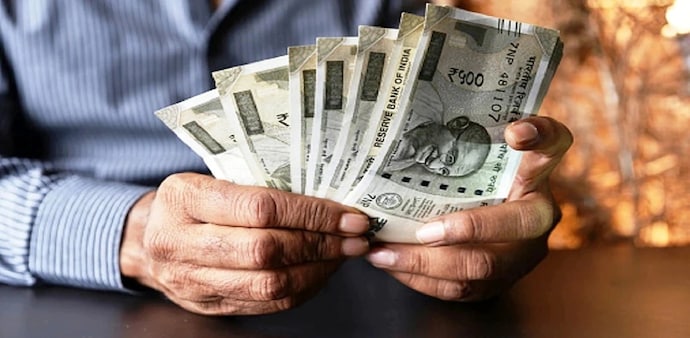
The new financial year beginning April 1, 2026, is set to bring a noticeable rise in everyday expenses. Alongside key tax changes, households are likely to face higher spending across essentials, banking services, commuting, and even big-ticket purchases such as cars.
What makes this round of price hikes significant is its wide impact. It is not limited to fuel or a single sector—rather, it reflects a broader chain reaction triggered by global tensions, rising crude oil prices, and supply disruptions, now reaching kitchen shelves and household budgets.
LPG prices add fresh pressure
Adding to the burden, commercial LPG prices have increased by ₹195.50 per cylinder.
A 19-kg commercial cylinder now costs ₹2,078.50 in Delhi, following the latest revision by state-run oil companies. This comes after a ₹114.5 hike on March 1, indicating sustained upward pressure linked to global crude prices and the ongoing West Asia conflict.
While domestic LPG prices remain unchanged at ₹913 for a 14.2-kg cylinder, the increase in commercial gas is expected to push up costs for restaurants, eateries and small businesses — a move that could eventually reflect in food prices.
LPG and aviation turbine fuel prices are revised on the first day of every month based on international benchmarks and currency movements, making them sensitive to global disruptions.
Your grocery bill is about to go up
One of the most immediate impacts will be visible in daily essentials. Commonly used items such as bread, biscuits, detergents, and footwear are expected to become noticeably more expensive.
Industry estimates suggest prices could rise by 20% to 25%, marking a sharp increase for mass-consumption goods.
- Bread may cost ₹3–₹6 more per packet
- Biscuits could get pricier by ₹5–₹6
- Detergents may see a ₹15–₹20 per kg increase
- Footwear prices could rise by ₹100–₹120
These are not discretionary purchases but everyday necessities. Even marginal increases can significantly affect monthly budgets, particularly for middle-income households.
The real reason: Crude oil is driving costs
At the core of these price increases is a familiar but powerful factor—crude oil.
Rising geopolitical tensions in the Middle East have disrupted supply chains and pushed up the cost of petrochemical products. These materials are widely used in packaging, plastics, synthetic fabrics, and detergents.
Manufacturers are facing sharp cost pressures:
- Some raw materials have become 50% to 200–300% more expensive
- Key inputs such as PP, PVC, and PE have seen steep price increases
- Logistics and supply chain disruptions are adding further strain
In effect, when crude oil prices rise, the impact spreads across multiple sectors, making everyday goods more expensive.
Flights to get more expensive
Due to this surge in global oil prices, the price of aviation turbine fuel (ATF), also known as jet fuel, has more than doubled, reaching a record high of Rs 2.07 lakh per kilolitre on Wednesday.
Less for the same price: Shrinkflation returns
Alongside direct price hikes, companies are also adopting shrinkflation.
Instead of increasing prices outright, product quantities are being reduced. A biscuit pack may look unchanged but weigh less, or a chocolate bar may shrink slightly in size.
For consumers, this translates into paying the same—or more—for less, often without immediate notice.
Using cash? That will cost more too
Banking services are also set to become more expensive, particularly for those who rely on cash transactions.
Banks such as HDFC Bank, PNB, and Bandhan Bank are revising ATM usage rules:
- Reduced number of free monthly transactions
- Higher charges after exceeding limits
- Increased fees for off-network ATM usage
Some banks may also revise limits on free non-financial transactions like balance enquiries.
The broader shift is clear—customers are being nudged towards digital payments, as banks look to manage rising infrastructure costs.
Highway travel is getting slightly pricier
Frequent highway users will see a marginal increase in toll-related costs.
- FASTag annual pass price revised from ₹3,000 to ₹3,075
- Valid for one year or 200 trips
- Applicable across around 1,150 toll plazas
While the ₹75 hike is modest, it adds to overall commuting expenses for regular travellers.
Planning to buy a car? Expect higher prices
In the automobile sector, JSW MG Motor India has announced a price hike of up to 2%, effective April 1, 2026.
The increase is attributed to rising input and production costs. While select premium models remain unaffected, most vehicles will see revised pricing.
This aligns with a broader industry trend of periodic price adjustments to offset cost pressures.
The bigger picture: A ripple effect on household finances
What stands out about April 2026 is not just individual price increases, but their combined impact.
- Groceries are becoming more expensive
- Cash usage is turning costlier
- Travel expenses are rising
- Large purchases require higher outlays
These changes are being driven by global and structural factors, making them difficult to avoid in the short term.
Tax changes also kick in
Alongside rising costs, significant tax reforms will also come into effect from April 1, 2026, under the new Income Tax Act, 2025.
- A single “Tax Year” will replace the financial and assessment year system
- Salaried individuals will face stricter HRA rules
- Form 130 will replace Form 16
- Revised ITR filing timelines will apply
- Tax benefits on meal cards, gift vouchers, and education allowances have been enhanced
These changes aim to simplify compliance while improving transparency in the tax system.
Bottom line
April 1, 2026, is shaping up to be more than just the start of a new financial year—it marks the beginning of a costlier consumption cycle.
For consumers, the takeaway is clear: expect higher monthly expenses, watch for hidden price changes, and plan finances carefully as inflationary pressures continue to filter into everyday life.
The new financial year beginning April 1, 2026, is set to bring a noticeable rise in everyday expenses. Alongside key tax changes, households are likely to face higher spending across essentials, banking services, commuting, and even big-ticket purchases such as cars.
What makes this round of price hikes significant is its wide impact. It is not limited to fuel or a single sector—rather, it reflects a broader chain reaction triggered by global tensions, rising crude oil prices, and supply disruptions, now reaching kitchen shelves and household budgets.
LPG prices add fresh pressure
Adding to the burden, commercial LPG prices have increased by ₹195.50 per cylinder.
A 19-kg commercial cylinder now costs ₹2,078.50 in Delhi, following the latest revision by state-run oil companies. This comes after a ₹114.5 hike on March 1, indicating sustained upward pressure linked to global crude prices and the ongoing West Asia conflict.
While domestic LPG prices remain unchanged at ₹913 for a 14.2-kg cylinder, the increase in commercial gas is expected to push up costs for restaurants, eateries and small businesses — a move that could eventually reflect in food prices.
LPG and aviation turbine fuel prices are revised on the first day of every month based on international benchmarks and currency movements, making them sensitive to global disruptions.
Your grocery bill is about to go up
One of the most immediate impacts will be visible in daily essentials. Commonly used items such as bread, biscuits, detergents, and footwear are expected to become noticeably more expensive.
Industry estimates suggest prices could rise by 20% to 25%, marking a sharp increase for mass-consumption goods.
- Bread may cost ₹3–₹6 more per packet
- Biscuits could get pricier by ₹5–₹6
- Detergents may see a ₹15–₹20 per kg increase
- Footwear prices could rise by ₹100–₹120
These are not discretionary purchases but everyday necessities. Even marginal increases can significantly affect monthly budgets, particularly for middle-income households.
The real reason: Crude oil is driving costs
At the core of these price increases is a familiar but powerful factor—crude oil.
Rising geopolitical tensions in the Middle East have disrupted supply chains and pushed up the cost of petrochemical products. These materials are widely used in packaging, plastics, synthetic fabrics, and detergents.
Manufacturers are facing sharp cost pressures:
- Some raw materials have become 50% to 200–300% more expensive
- Key inputs such as PP, PVC, and PE have seen steep price increases
- Logistics and supply chain disruptions are adding further strain
In effect, when crude oil prices rise, the impact spreads across multiple sectors, making everyday goods more expensive.
Flights to get more expensive
Due to this surge in global oil prices, the price of aviation turbine fuel (ATF), also known as jet fuel, has more than doubled, reaching a record high of Rs 2.07 lakh per kilolitre on Wednesday.
Less for the same price: Shrinkflation returns
Alongside direct price hikes, companies are also adopting shrinkflation.
Instead of increasing prices outright, product quantities are being reduced. A biscuit pack may look unchanged but weigh less, or a chocolate bar may shrink slightly in size.
For consumers, this translates into paying the same—or more—for less, often without immediate notice.
Using cash? That will cost more too
Banking services are also set to become more expensive, particularly for those who rely on cash transactions.
Banks such as HDFC Bank, PNB, and Bandhan Bank are revising ATM usage rules:
- Reduced number of free monthly transactions
- Higher charges after exceeding limits
- Increased fees for off-network ATM usage
Some banks may also revise limits on free non-financial transactions like balance enquiries.
The broader shift is clear—customers are being nudged towards digital payments, as banks look to manage rising infrastructure costs.
Highway travel is getting slightly pricier
Frequent highway users will see a marginal increase in toll-related costs.
- FASTag annual pass price revised from ₹3,000 to ₹3,075
- Valid for one year or 200 trips
- Applicable across around 1,150 toll plazas
While the ₹75 hike is modest, it adds to overall commuting expenses for regular travellers.
Planning to buy a car? Expect higher prices
In the automobile sector, JSW MG Motor India has announced a price hike of up to 2%, effective April 1, 2026.
The increase is attributed to rising input and production costs. While select premium models remain unaffected, most vehicles will see revised pricing.
This aligns with a broader industry trend of periodic price adjustments to offset cost pressures.
The bigger picture: A ripple effect on household finances
What stands out about April 2026 is not just individual price increases, but their combined impact.
- Groceries are becoming more expensive
- Cash usage is turning costlier
- Travel expenses are rising
- Large purchases require higher outlays
These changes are being driven by global and structural factors, making them difficult to avoid in the short term.
Tax changes also kick in
Alongside rising costs, significant tax reforms will also come into effect from April 1, 2026, under the new Income Tax Act, 2025.
- A single “Tax Year” will replace the financial and assessment year system
- Salaried individuals will face stricter HRA rules
- Form 130 will replace Form 16
- Revised ITR filing timelines will apply
- Tax benefits on meal cards, gift vouchers, and education allowances have been enhanced
These changes aim to simplify compliance while improving transparency in the tax system.
Bottom line
April 1, 2026, is shaping up to be more than just the start of a new financial year—it marks the beginning of a costlier consumption cycle.
For consumers, the takeaway is clear: expect higher monthly expenses, watch for hidden price changes, and plan finances carefully as inflationary pressures continue to filter into everyday life.