
'When the RBI governor is a senior IAS person...': Raghuram Rajan on civil servants at helm
“The issue was never policy,” Rajan clarified. “There is always an issue between the RBI and the bureaucracy.” The tension, Rajan explained, stems from structural dynamics that sometimes blur boundaries.
- Dec 20, 2024,
- Updated Dec 20, 2024 11:15 AM IST
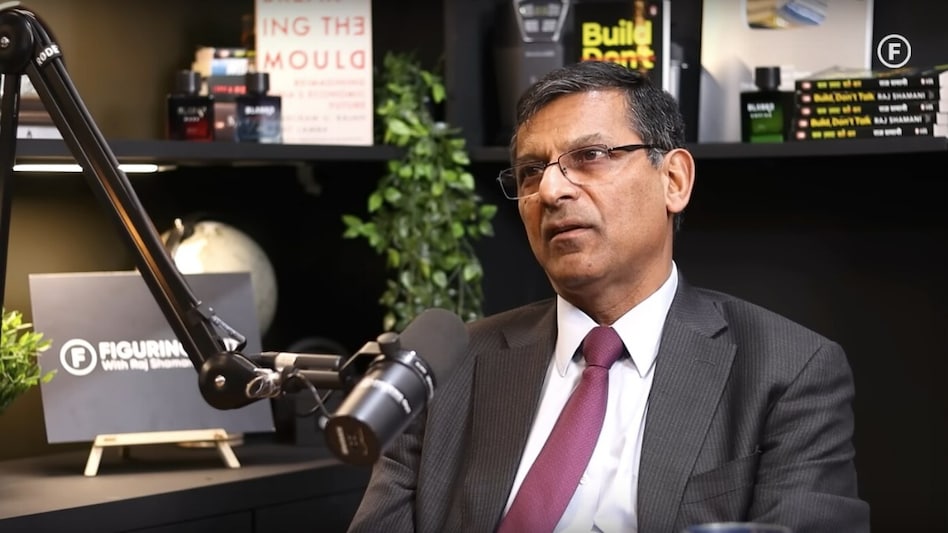
Raghuram Rajan, the former governor of the Reserve Bank of India (RBI), weighed in on a contentious debate that has dogged the institution: Are civil servants better central bank governors? Rajan’s take? It’s a tightrope.
“I don’t think... certainly in my time, we had plenty of cooperation with the government, though I was an outsider,” Rajan said in an interview to The Print. He shared how working with finance ministers—regardless of their political affiliations—led to constructive outcomes.
But beneath the surface lies a recurring fault line that continues to haunt the RBI-Finance Ministry relationship.
“The issue was never policy,” Rajan clarified. “There is always an issue between the RBI and the bureaucracy.” The tension, Rajan explained, stems from structural dynamics that sometimes blur boundaries.
For instance, when an RBI governor hails from the Indian Administrative Service (IAS), it can complicate the power equation. “Sometimes when the RBI governor is a senior IAS person, the finance secretary is somebody who was junior to them. That might create mutual respect—or problems. It’s not a cast-iron foolproof method... sometimes it works, sometimes it doesn’t,” Rajan noted.
Rajan highlighted how a calibrated dose of tension between the RBI and the Finance Ministry is by design, aimed at ensuring checks and balances.
But he warned against this dynamic turning toxic. “It’s when the tension becomes unhealthy that you need to figure it out,” he cautioned.
“If the finance ministry keeps sort of briefing the press in ways that are detrimental to the RBI’s policy stance... there are better ways of doing it,” Rajan said, pointing to the potential for bureaucratic overreach to erode the central bank’s independence.
Sanjay Malhotra assumed office as the 26th RBI governor, taking over from Shaktikanta Das. A Princeton-educated IAS officer with over three decades in civil service, Malhotra transitions directly from the Finance Ministry, where he served as revenue secretary.
His tenure there saw several key reforms, including rationalizing capital gains tax, overhauling income tax slabs, and advocating for a 28 percent GST on online gaming.
Malhotra’s broad experience includes leadership roles in the Rural Electrification Corporation and extensive work in mining, energy, and revenue departments. His appointment marks the first time since Duvvuri Subbarao that a bureaucrat has moved directly from the Finance Ministry to the RBI.
Raghuram Rajan, the former governor of the Reserve Bank of India (RBI), weighed in on a contentious debate that has dogged the institution: Are civil servants better central bank governors? Rajan’s take? It’s a tightrope.
“I don’t think... certainly in my time, we had plenty of cooperation with the government, though I was an outsider,” Rajan said in an interview to The Print. He shared how working with finance ministers—regardless of their political affiliations—led to constructive outcomes.
But beneath the surface lies a recurring fault line that continues to haunt the RBI-Finance Ministry relationship.
“The issue was never policy,” Rajan clarified. “There is always an issue between the RBI and the bureaucracy.” The tension, Rajan explained, stems from structural dynamics that sometimes blur boundaries.
For instance, when an RBI governor hails from the Indian Administrative Service (IAS), it can complicate the power equation. “Sometimes when the RBI governor is a senior IAS person, the finance secretary is somebody who was junior to them. That might create mutual respect—or problems. It’s not a cast-iron foolproof method... sometimes it works, sometimes it doesn’t,” Rajan noted.
Rajan highlighted how a calibrated dose of tension between the RBI and the Finance Ministry is by design, aimed at ensuring checks and balances.
But he warned against this dynamic turning toxic. “It’s when the tension becomes unhealthy that you need to figure it out,” he cautioned.
“If the finance ministry keeps sort of briefing the press in ways that are detrimental to the RBI’s policy stance... there are better ways of doing it,” Rajan said, pointing to the potential for bureaucratic overreach to erode the central bank’s independence.
Sanjay Malhotra assumed office as the 26th RBI governor, taking over from Shaktikanta Das. A Princeton-educated IAS officer with over three decades in civil service, Malhotra transitions directly from the Finance Ministry, where he served as revenue secretary.
His tenure there saw several key reforms, including rationalizing capital gains tax, overhauling income tax slabs, and advocating for a 28 percent GST on online gaming.
Malhotra’s broad experience includes leadership roles in the Rural Electrification Corporation and extensive work in mining, energy, and revenue departments. His appointment marks the first time since Duvvuri Subbarao that a bureaucrat has moved directly from the Finance Ministry to the RBI.