
Why women workers are in demand on factory floors
Even automobile, electronics and mining companies are recruiting women these days for operational roles in their factories.
- Dec 13, 2021,
- Updated Dec 13, 2021 8:31 PM IST
Women are no strangers to factories. Images of them churning out clothes from behind unending rows of sewing machines are commonplace. However, they account for a measly 12 per cent of India's industrial workforce, according to a survey by Avtar and GE.
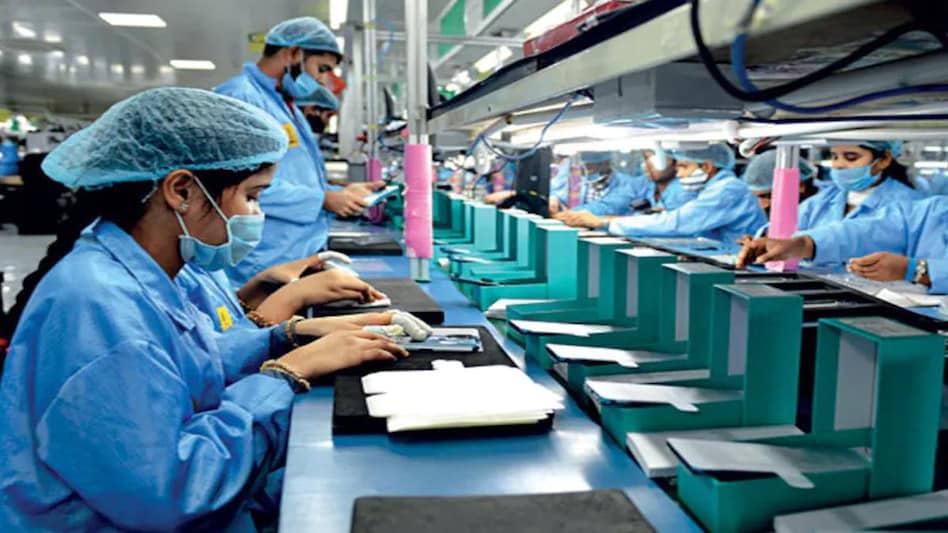
Things are changing now and women are making their way to the shop floors of automobile, electronics and mining companies these days as firms are waking up to their potential. Ola Electric had recently announced a 10,000-strong all-women workforce for its two-wheeler factory near Chennai.
"In our Pantnagar factory, where 85 per cent of the workforce is women, the productivity and agility women bring to the work is so much higher. As management, we obviously see a business case for employing more women in the factories," says Priya Mathilakath Pillai, Head-HR, Retail and Corporate, Titan Company. The firm has had an all-women factory at Hosur for around 35 years, and a sizeable women workforce at its Coimbatore factory as well.
Their precision, dexterity, ability to sit in one place for hours on end, work ethic, loyalty and lower attrition rates make them an attractive talent pool for companies making small parts or goods.
"We work with one of the largest mobile handset manufacturing plants in India. And the company wants us to hire 70-80 per cent female employees," says Manpower Senior Director of Sales and Global Accounts Alok Kumar. The staffing and recruitment firm adds that the absolute numbers are in thousands.
Even arduous industries such as mining, which involves operating heavy machinery, handling scorching metals and working in high temperature zones, are recruiting women factory workers.
Vedanta Group CHRO Madhu Srivastava says women took on the roles enthusiastically even when concerned male line managers were sceptical about assigning physically demanding roles to them. The mining giant, which employs 2,100 women among its 16,970 workers in mining, crane operation and other factory roles across its group companies, has appointed female security guards at factories, and designed workwear and PPE suited for a woman's physiology.
"If you want to attract women into manufacturing, giving them a 360-degree support system is extremely important," says Pillai. Titan meets with the women workers' families to allay their safety concerns, offers monetary incentives, has set up a school within the Hosur township for their children, runs cultural clubs to bring the women together beyond work and holds sensitisation sessions for managers and supervisors.
Both Titan and Vedanta are considering opening up more factory roles for remote work through the use of technology and automation.
BT Magazine's latest issue looks at what India needs to do for increasing female labour force participation and achieving gender equality. Experience the BT Immersive story here: What India needs to do to address its gender gap
Women are no strangers to factories. Images of them churning out clothes from behind unending rows of sewing machines are commonplace. However, they account for a measly 12 per cent of India's industrial workforce, according to a survey by Avtar and GE.
Things are changing now and women are making their way to the shop floors of automobile, electronics and mining companies these days as firms are waking up to their potential. Ola Electric had recently announced a 10,000-strong all-women workforce for its two-wheeler factory near Chennai.
"In our Pantnagar factory, where 85 per cent of the workforce is women, the productivity and agility women bring to the work is so much higher. As management, we obviously see a business case for employing more women in the factories," says Priya Mathilakath Pillai, Head-HR, Retail and Corporate, Titan Company. The firm has had an all-women factory at Hosur for around 35 years, and a sizeable women workforce at its Coimbatore factory as well.
Their precision, dexterity, ability to sit in one place for hours on end, work ethic, loyalty and lower attrition rates make them an attractive talent pool for companies making small parts or goods.
"We work with one of the largest mobile handset manufacturing plants in India. And the company wants us to hire 70-80 per cent female employees," says Manpower Senior Director of Sales and Global Accounts Alok Kumar. The staffing and recruitment firm adds that the absolute numbers are in thousands.
Even arduous industries such as mining, which involves operating heavy machinery, handling scorching metals and working in high temperature zones, are recruiting women factory workers.
Vedanta Group CHRO Madhu Srivastava says women took on the roles enthusiastically even when concerned male line managers were sceptical about assigning physically demanding roles to them. The mining giant, which employs 2,100 women among its 16,970 workers in mining, crane operation and other factory roles across its group companies, has appointed female security guards at factories, and designed workwear and PPE suited for a woman's physiology.
"If you want to attract women into manufacturing, giving them a 360-degree support system is extremely important," says Pillai. Titan meets with the women workers' families to allay their safety concerns, offers monetary incentives, has set up a school within the Hosur township for their children, runs cultural clubs to bring the women together beyond work and holds sensitisation sessions for managers and supervisors.
Both Titan and Vedanta are considering opening up more factory roles for remote work through the use of technology and automation.
BT Magazine's latest issue looks at what India needs to do for increasing female labour force participation and achieving gender equality. Experience the BT Immersive story here: What India needs to do to address its gender gap