
KV Kamath highlights India’s success in digital payments and data, outsmarting China
The Chinese banks are far less digital than the Indian banks. But the technology enablers who lived there five years ago were probably at a better or higher level than India,” said Kamath
- Sep 7, 2023,
- Updated Sep 7, 2023 3:06 PM IST
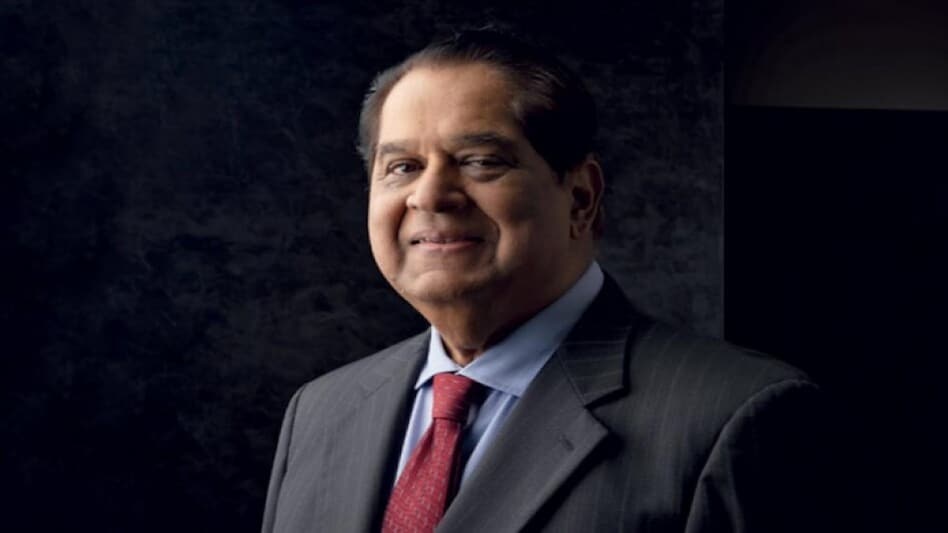
KV Kamath, the Chairman of the National Bank for Financing Infrastructure and Development (NaBFID) today said that China went into digital payments very early on with Alipay and WeChat Pay but was outsmarted by India in the last few years. Chinese Alipay was owned by the e-commerce group Alibaba, and WeChat Pay was part of the social media giant Tencent. In fact, they had millions of users and billions of transactions six years ago. But partly, the trust factor of global community with the Chinese came in the way of global expansion, and also the clampdown from the establishment impacted their journey.
In fact, India's QR payments via UPI has already crossed 10 billion transactions a month, which is now threatening to surpass the monthly transactions recorded by global giants like Visa and MasterCard.
The next big expansion of UPI is expected to come from credit on UPI, which will make small ticket size loans a big success.
“The Chinese banks are far less digital than the Indian banks. But the technology enablers who lived there five years ago were probably at a better or higher level than India,” said Kamath.
He added: “In four years, I can say that there is virtually no area where we are behind today. That, to me, is the biggest driving force."
Take for example the data, Kamath said, "We use the largest quantity of data at the lowest cost. There is a story there. Elsewhere in the world , the data capacity was set up at a price point that is much higher."
According to available statistics, the average cost of 1GB of mobile internet data in India is among the lowest globally. In fact, India figures among the half-dozen cheapest countries in terms of the average cost of mobile data. Some of these countries are Israel, Italy, San Marino, and Fiji.
While speaking at Global Fintech Fest here today, the largest fintech conference organised by the National Payments Corporation of India (NPCI), Kamath said the ability of Fintech to disrupt and collaborate is immense. "Most countries have not evolved (as India has evolved in terms of its stack and cutting-edge technologies). That is also an opportunity. There is an opportunity to scale in India and globally," said Kamath.
Kamath is also the non-executive chairman of Jio Financial Services Limited ( JFSL) and the former head of the New Development Bank sponsored by BRICS countries. In fact, Kamath is currently building the financial services business for Mukesh Ambani’s JFSL.
KV Kamath, the Chairman of the National Bank for Financing Infrastructure and Development (NaBFID) today said that China went into digital payments very early on with Alipay and WeChat Pay but was outsmarted by India in the last few years. Chinese Alipay was owned by the e-commerce group Alibaba, and WeChat Pay was part of the social media giant Tencent. In fact, they had millions of users and billions of transactions six years ago. But partly, the trust factor of global community with the Chinese came in the way of global expansion, and also the clampdown from the establishment impacted their journey.
In fact, India's QR payments via UPI has already crossed 10 billion transactions a month, which is now threatening to surpass the monthly transactions recorded by global giants like Visa and MasterCard.
The next big expansion of UPI is expected to come from credit on UPI, which will make small ticket size loans a big success.
“The Chinese banks are far less digital than the Indian banks. But the technology enablers who lived there five years ago were probably at a better or higher level than India,” said Kamath.
He added: “In four years, I can say that there is virtually no area where we are behind today. That, to me, is the biggest driving force."
Take for example the data, Kamath said, "We use the largest quantity of data at the lowest cost. There is a story there. Elsewhere in the world , the data capacity was set up at a price point that is much higher."
According to available statistics, the average cost of 1GB of mobile internet data in India is among the lowest globally. In fact, India figures among the half-dozen cheapest countries in terms of the average cost of mobile data. Some of these countries are Israel, Italy, San Marino, and Fiji.
While speaking at Global Fintech Fest here today, the largest fintech conference organised by the National Payments Corporation of India (NPCI), Kamath said the ability of Fintech to disrupt and collaborate is immense. "Most countries have not evolved (as India has evolved in terms of its stack and cutting-edge technologies). That is also an opportunity. There is an opportunity to scale in India and globally," said Kamath.
Kamath is also the non-executive chairman of Jio Financial Services Limited ( JFSL) and the former head of the New Development Bank sponsored by BRICS countries. In fact, Kamath is currently building the financial services business for Mukesh Ambani’s JFSL.