
A Blue Lie: The Stunning Lake That Can Burn You Alive
A turquoise lake in Indonesia hides lethal acid, toxic gases, and blue fire. Kawah Ijen’s beauty masks chemistry so extreme it can burn skin, metal, and lungs in seconds.
- Jan 16, 2026,
- Updated Jan 16, 2026 3:31 PM IST
- 1/9
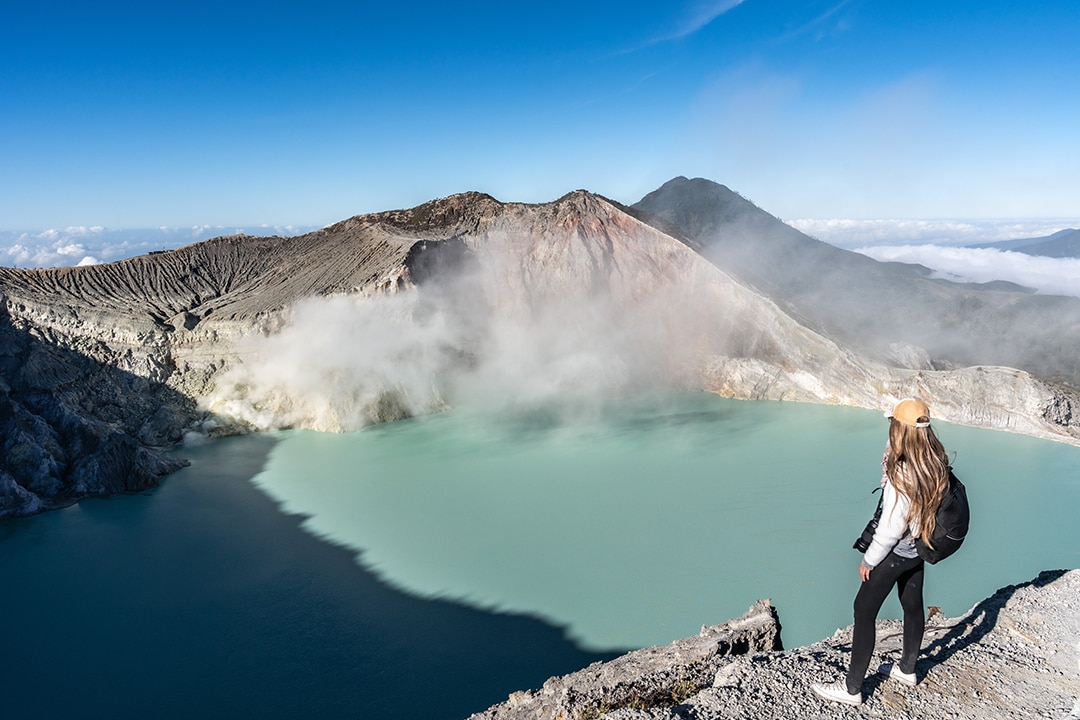
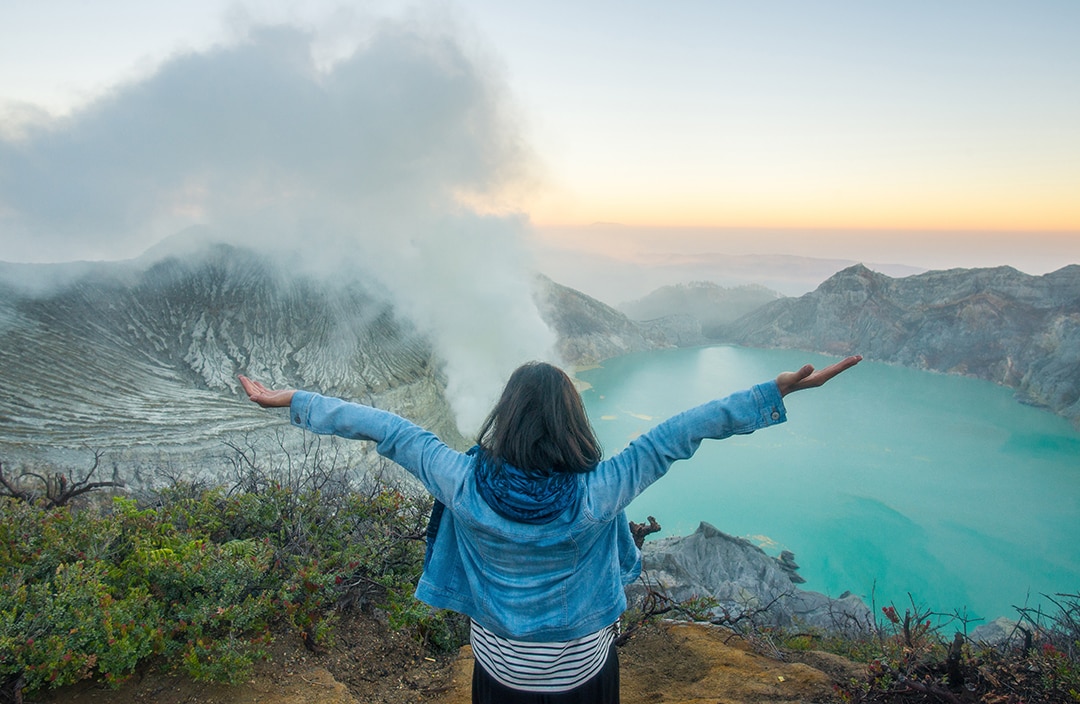
Acid Mirror At first glance, the turquoise calm of Kawah Ijen looks like a spa fantasy. Look closer and science snaps you awake: researchers have measured parts of this lake below pH 0.3, rivaling battery acid, according to volcanology reports cited by Live Science—water so hostile it can burn flesh and eat metal.
- 2/9
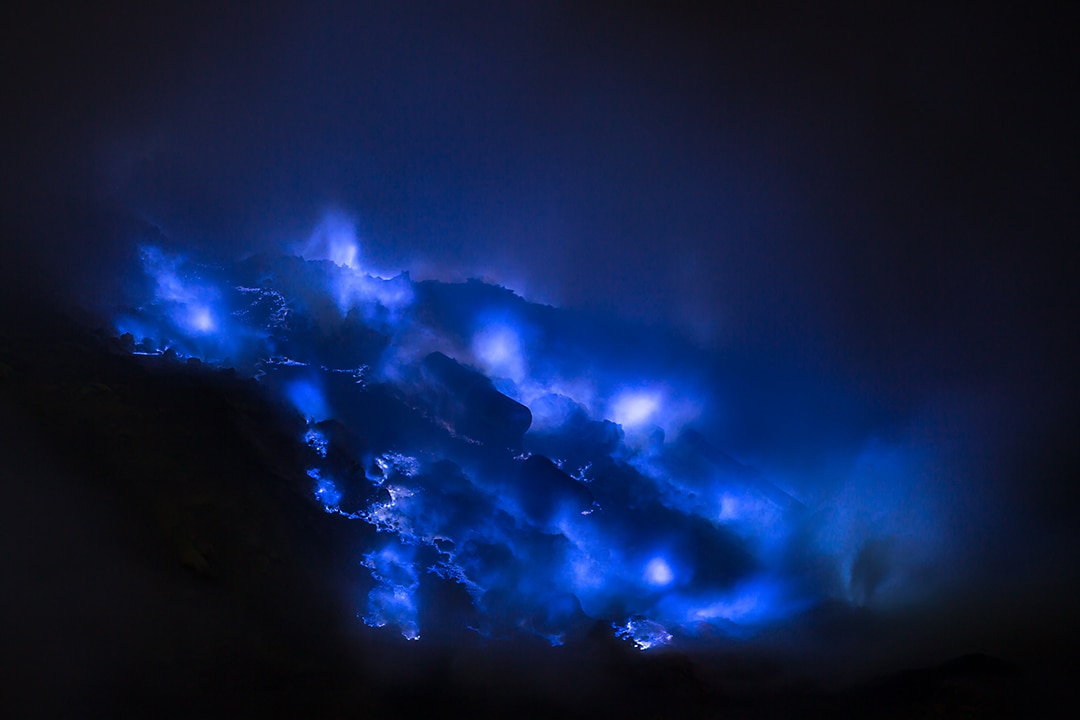
Liquid Death This isn’t metaphorical danger. Drop aluminum into the lake and it visibly sizzles. Geochemists describe it as one of Earth’s most corrosive natural waters, formed by magma-fed acids concentrating over time. The still surface hides chemistry violent enough to end life on contact, making it less lake, more open wound in the planet.
- 3/9
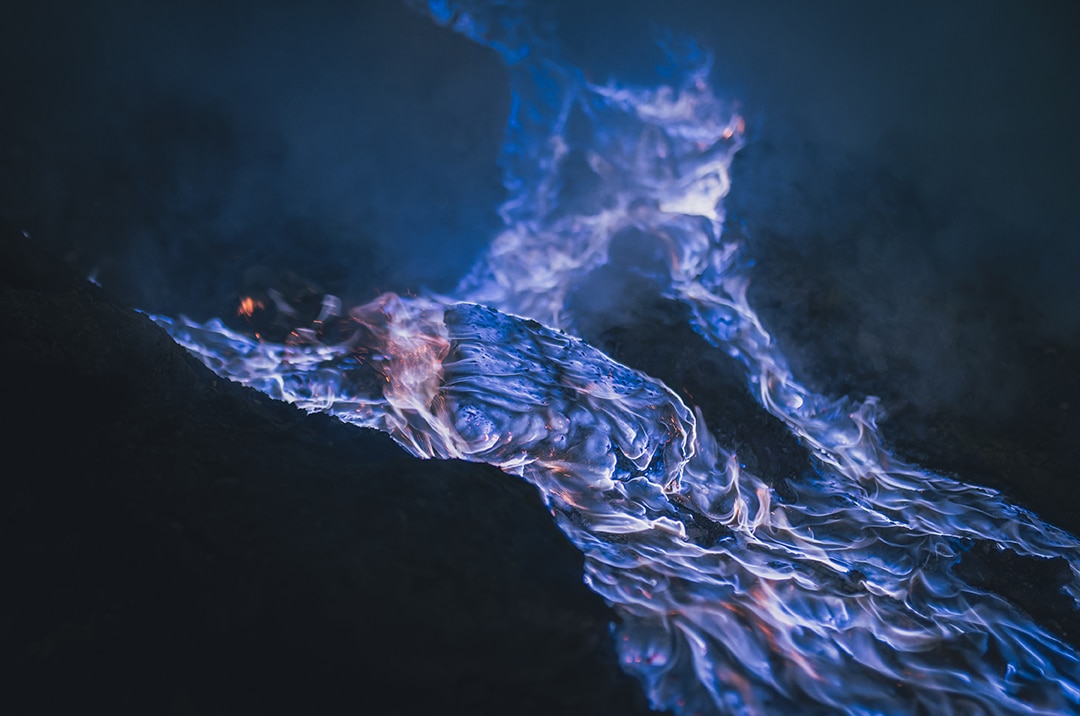
Toxic Breath Even staying dry doesn’t mean staying safe. Sulphur dioxide, hydrogen sulphide, and carbon dioxide constantly leak from vents around the crater. Volcanologists warn that sudden gas surges can overwhelm lungs in seconds—one reason guides and tourists alike strap on gas masks and watch the wind like sailors.
- 4/9
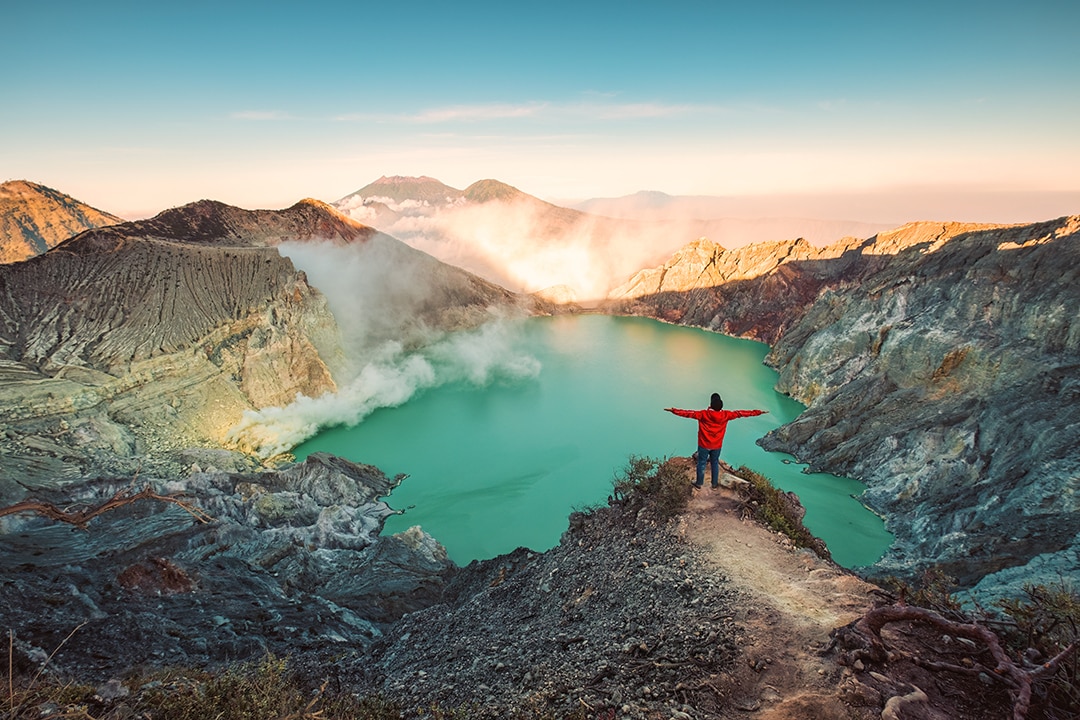
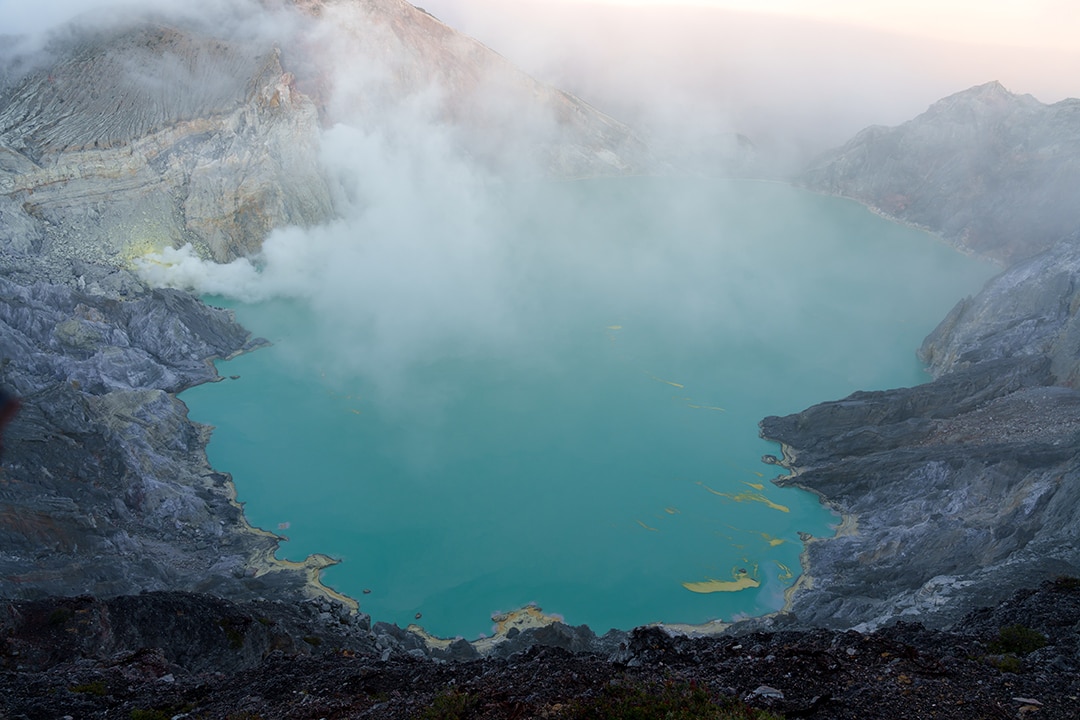
Blue Inferno After midnight, the volcano reveals its secret theater. Sulphuric gases ignite on contact with air, producing electric-blue flames that can hit 600 °C. Photographs made this phenomenon famous, but standing there, the hiss and glow feel unreal—fire without heat on your skin, beauty born from poison.
- 5/9
Space Beacon The lake’s unnatural color isn’t just Instagram bait. Satellite imagery has picked up its brightness from orbit, caused by dissolved metals and acids reflecting light. Planetary scientists cite it as a reminder that Earth still hosts environments as extreme as anything we search for on Mars.
- 6/9
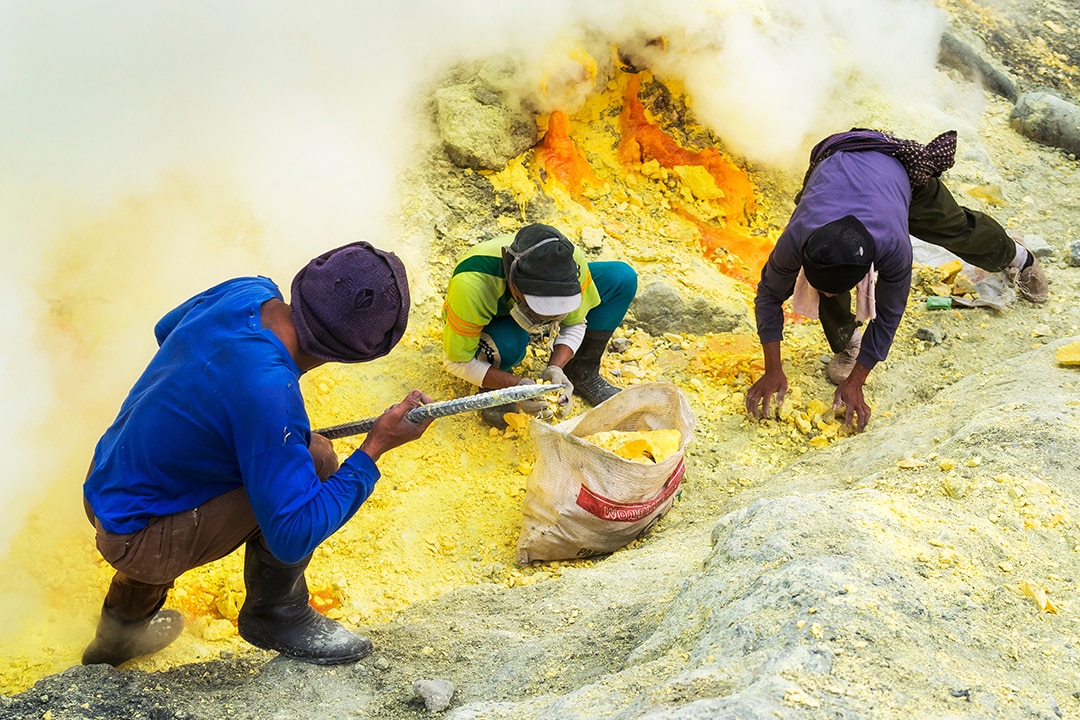
Human Gamble While tourists hover at the rim, sulphur miners descend daily. Without high-tech protection, they break neon-yellow sulphur deposits with steel rods, hauling 40–50 kg loads up steep trails. Occupational health researchers call it one of the most punishing jobs on Earth, yet it continues out of economic necessity.
- 7/9
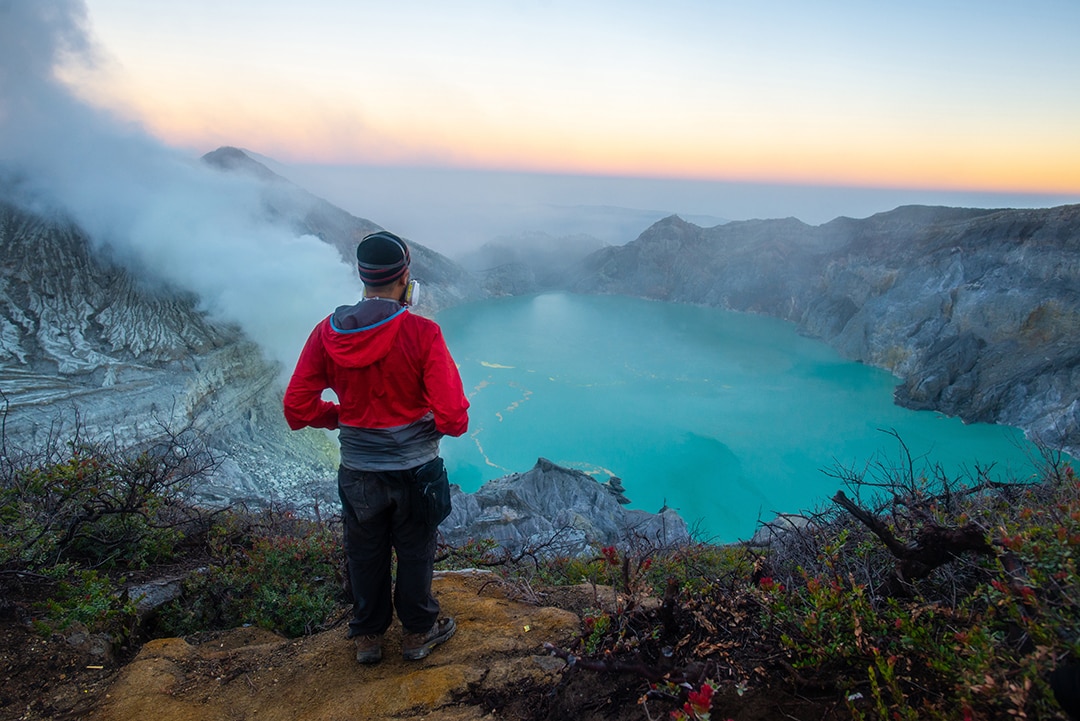
Tourist Magnet Despite the risks, roughly 300 visitors a day make the night hike, lured by the blue fire and alien lake. Local authorities limit access when gas spikes, but curiosity keeps winning. Travel psychologists note how danger itself has become part of the destination’s appeal.
- 8/9
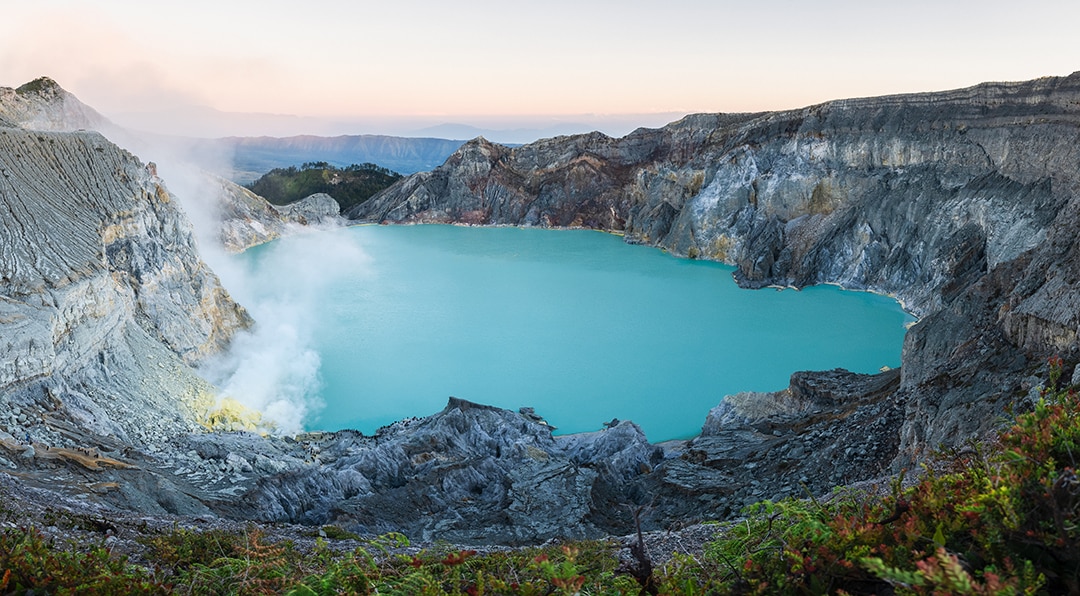
Volcanic Paradox Ringed by lush greenery, the crater feels like a postcard sabotaged from within. Ecologists often point to Ijen as a living contradiction—life flourishing inches away from chemistry that dissolves it—forcing visitors to confront how thin the line between paradise and peril really is.
- 9/9
Living Warning
Ijen isn’t just a spectacle; it’s a message. Volcanologists use it to study acid lakes worldwide, warning that shifts in activity could signal eruptions. To stand there is to witness Earth’s power stripped of romance—raw, reactive, and utterly indifferent to who’s watching.