
A Journal Heart finding — Why walking faster may protect your heartbeat
A major Heart journal study reveals brisk walking isn’t just exercise but heart protection, cutting atrial fibrillation risk, boosting fitness, and acting as an early warning for heart health.
- Jan 23, 2026,
- Updated Jan 23, 2026 12:59 PM IST

- 1/9
Pace Prescription
It turns out your stroll has a dosage. A large, long-running study published in Heart suggests walking speed isn’t lifestyle trivia—it’s cardiovascular medicine. Cross the brisk threshold and your heart rhythm appears to steady itself, quietly lowering the odds of dangerous irregular beats.

- 2/9
Rhythm Shield
Researchers tracking thousands of adults found that faster walkers were dramatically less likely to develop atrial fibrillation, the world’s most common heart rhythm disorder. At higher speeds, the risk dropped by as much as 43 percent—a protective effect cardiologists didn’t ignore.

- 3/9
Speed Signal
Doctors say walking fast isn’t just movement; it’s a visible signal of cardiorespiratory fitness. The ability to maintain a strong pace reflects healthier muscles, lungs, and circulation—factors that quietly predict whether heart disease shows up later.

- 4/9
Silent Warning
Experts note a subtle red flag: when your usual walking pace slows without explanation. Struggling to maintain a speed that once felt easy can hint at declining fitness or emerging health issues, making your daily walk an early-warning system.

- 5/9
Breath Test
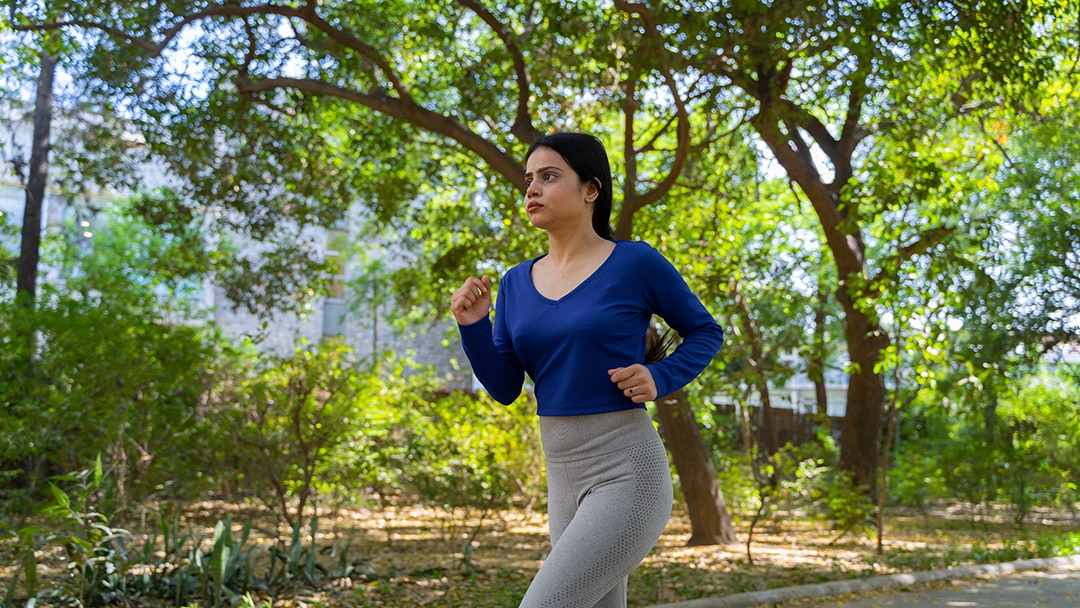
Forget expensive wearables. Specialists suggest a simple metric: walk fast enough to feel slightly breathless but still able to talk. That narrow window—often missed—marks the sweet spot where cardiovascular benefits accelerate.
- 6/9
Step Math
According to guidance echoed by the American Heart Association and the British Heart Foundation, brisk usually means 100–120 steps per minute. Count for 15 seconds, multiply by four, and you’ve got a lab-free fitness test.
- 7/9
Muscle Clue
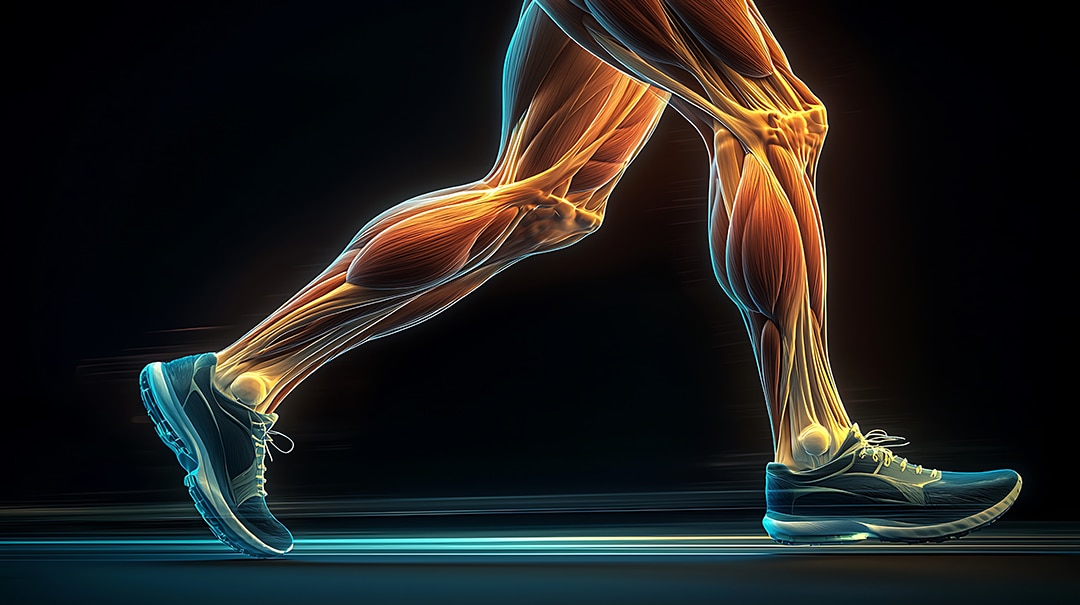
Why speed matters: faster walking strengthens the heart muscle itself, improves circulation, and trains the body to pump more blood per beat. Over time, this efficiency lowers blood pressure, trims bad cholesterol, and steadies blood sugar.

- 8/9
Age Advantage
The biggest gains weren’t seen in elite athletes but in older adults and sedentary people. For those with high blood pressure or obesity, upping walking pace delivered outsized benefits—proof that modest changes can punch above their weight.
- 9/9
Hidden Therapy
Regular brisk walking doubles as stress control. By lowering cortisol and improving sleep, it tackles invisible risk factors that quietly strain the heart. What looks like a simple habit may be acting as long-term rhythm insurance.