
Billions of invisible fragments—how daily cooking fuels a plastic diet
Billions of microplastics lurk in daily meals—from sea salt and bottled water to cutting boards and cookware—turning kitchen habits into a hidden plastic diet.
- Sep 24, 2025,
- Updated Sep 24, 2025 12:56 PM IST
- 1/9
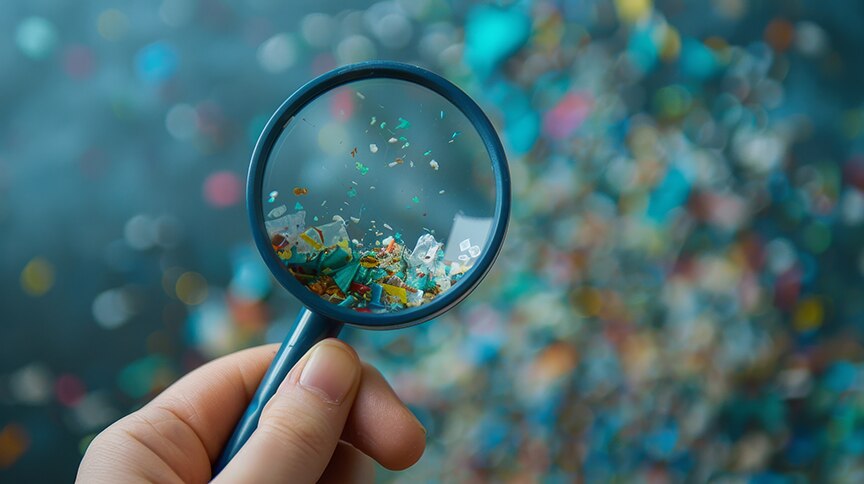
From fish fillets to tofu, protein-packed foods are quietly laced with microplastics. A ScienceDirect study found heavily processed meats and plant proteins carry the highest load—raising sharp questions about what’s fueling our “healthy” diets.
- 2/9
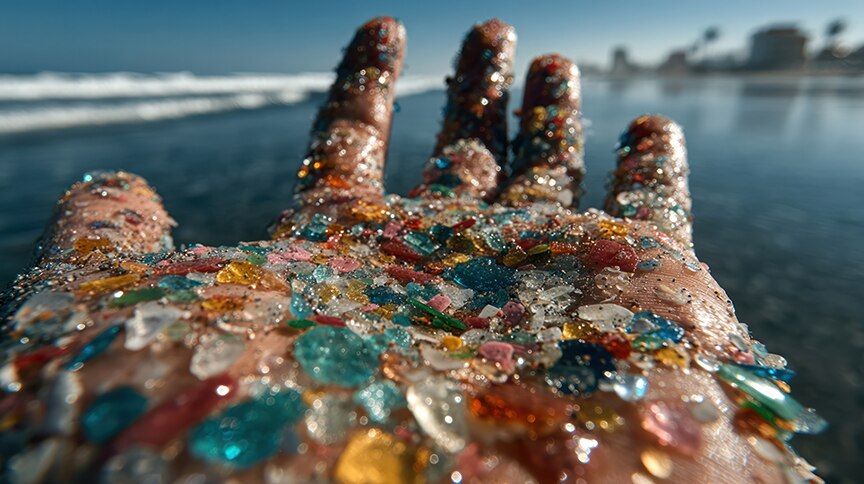
Every pinch of sea salt could carry tiny fragments of the ocean’s plastic legacy. Researchers have found contamination in most commercial brands worldwide—making that sprinkle on your fries a hidden experiment in microplastic consumption.
- 3/9
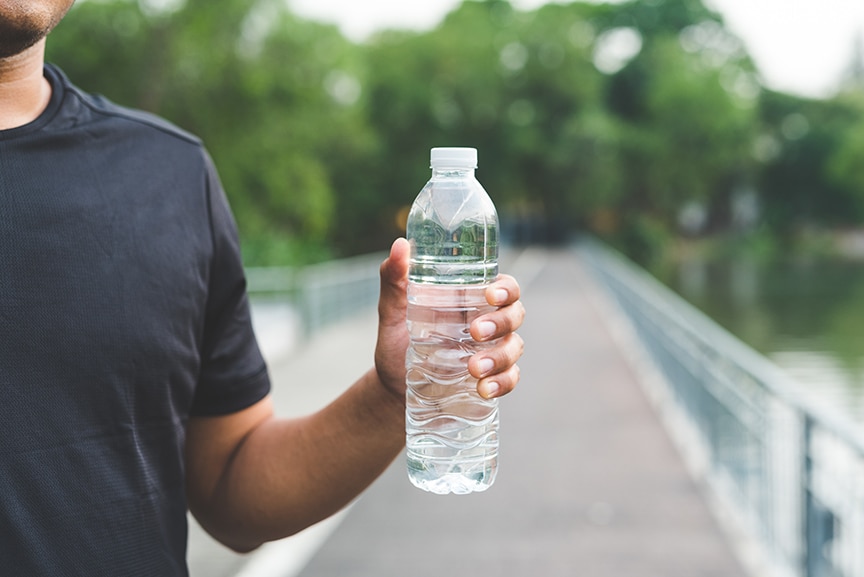
That satisfying crack of a plastic water bottle cap? It may release hundreds of particles straight into your drink. Bottled water consistently contains more microplastics than tap, and scientists warn even “pure” brands may not be so pure.
- 4/9
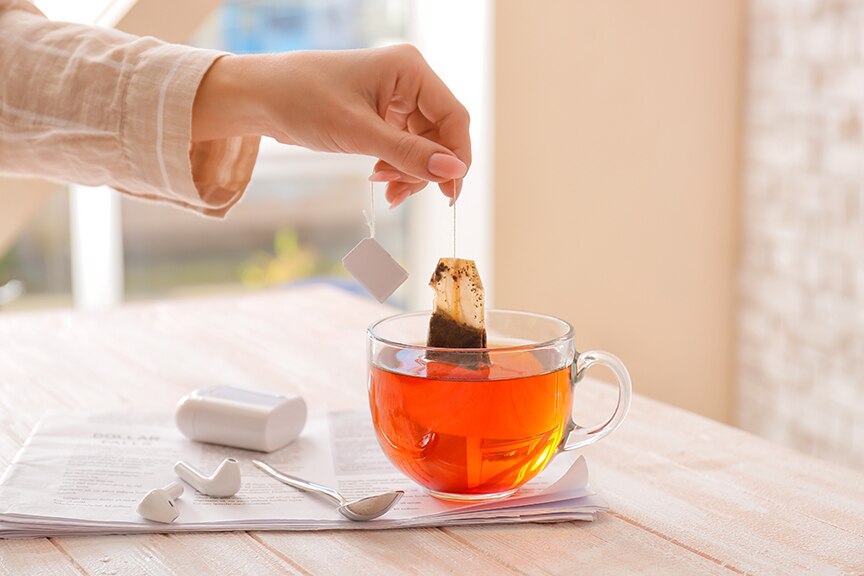
Your calming tea ritual might come with a microscopic storm. Plastic-lined tea bags can shed billions of fragments into a single cup—an invisible pollution far more aggressive than the caffeine ever was.
- 5/9
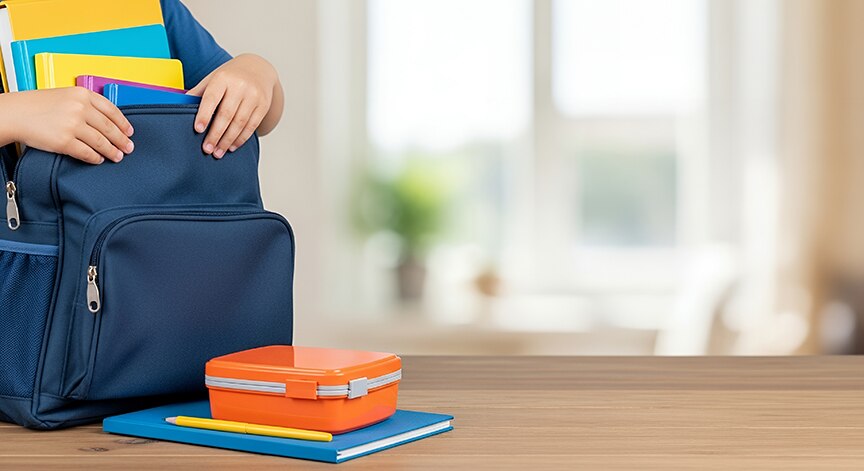
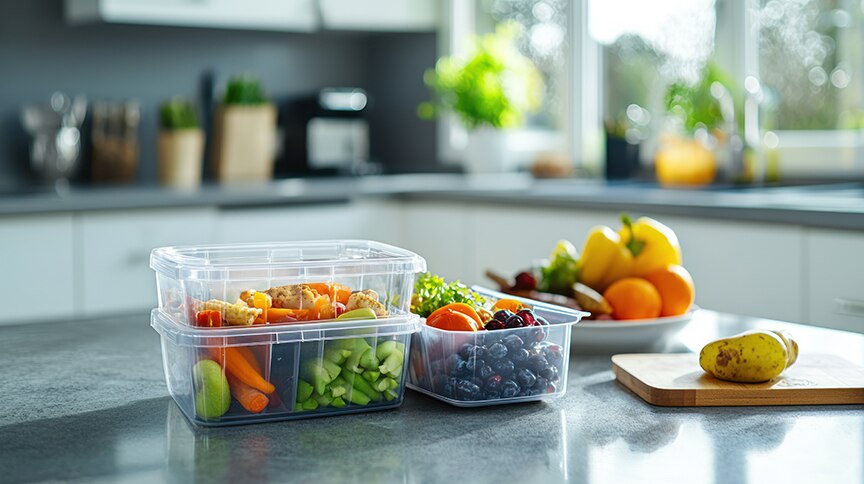
Lunch boxes and plastic tubs aren’t just keeping leftovers fresh—they’re breaking down into your food. A Nature study traced microplastics in dairy back to packaging, spotlighting how every scratch and reuse raises the risk.
- 6/9
That daily chop on plastic cutting boards? It can shed grams of microplastics per year into your meals. Polyethylene and polypropylene boards are among the worst offenders, and scratches multiply the fallout.
- 7/9
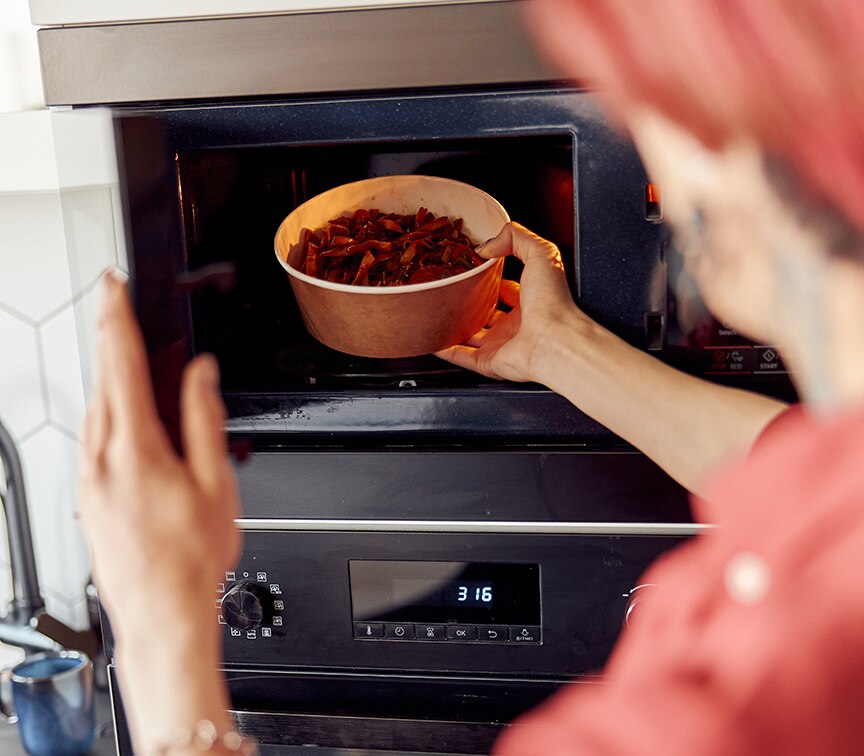
A microwave-heated plastic container can release millions of microplastics in minutes. Add salt, oil, or heat, and the breakdown accelerates—turning convenience into a chemical cocktail on your dinner plate.
- 8/9
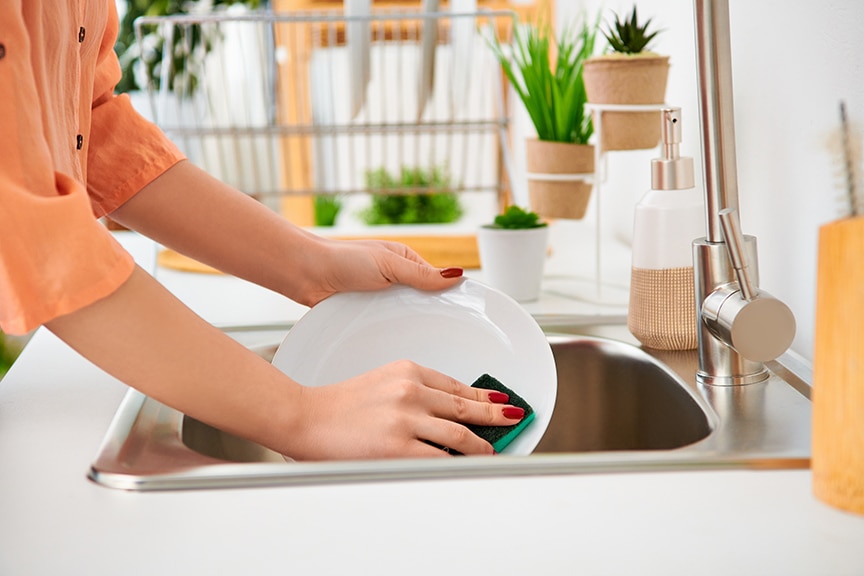
The humble kitchen sponge is a hidden polluter. Coarse synthetic sponges release millions of plastic particles every wash, amplified by detergents. Even “eco” microfiber cloths add to the microscopic mess.
- 9/9
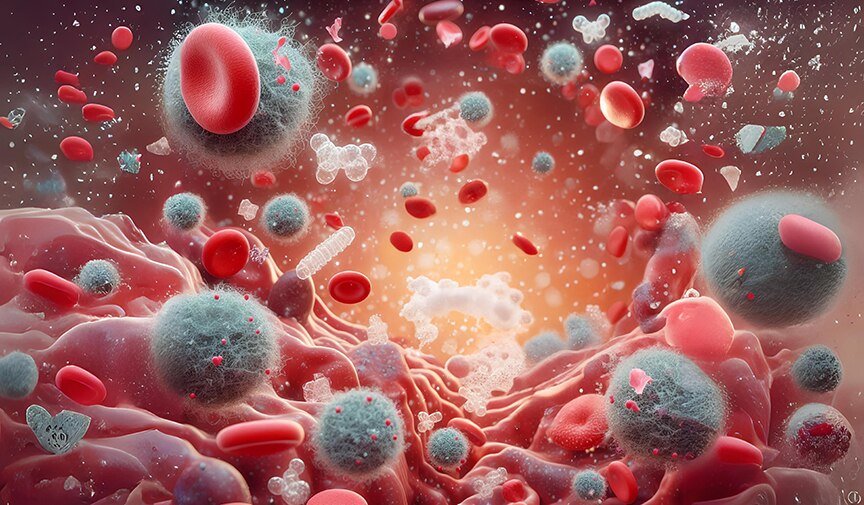
Microplastics aren’t just passing through. Studies have detected them in human blood, arteries, and even placentas. While health impacts remain under study, scientists urge a precautionary approach—because what lodges inside may not leave.