
City Smog Shock — How Cold Dawn Walks May Stress the Heart
Cold winter dawn walks may quietly strain the heart. From smog and low oxygen to sudden temperature shock, experts warn this routine could raise heart attack risk.
- Dec 30, 2025,
- Updated Dec 30, 2025 12:05 PM IST

- 1/9
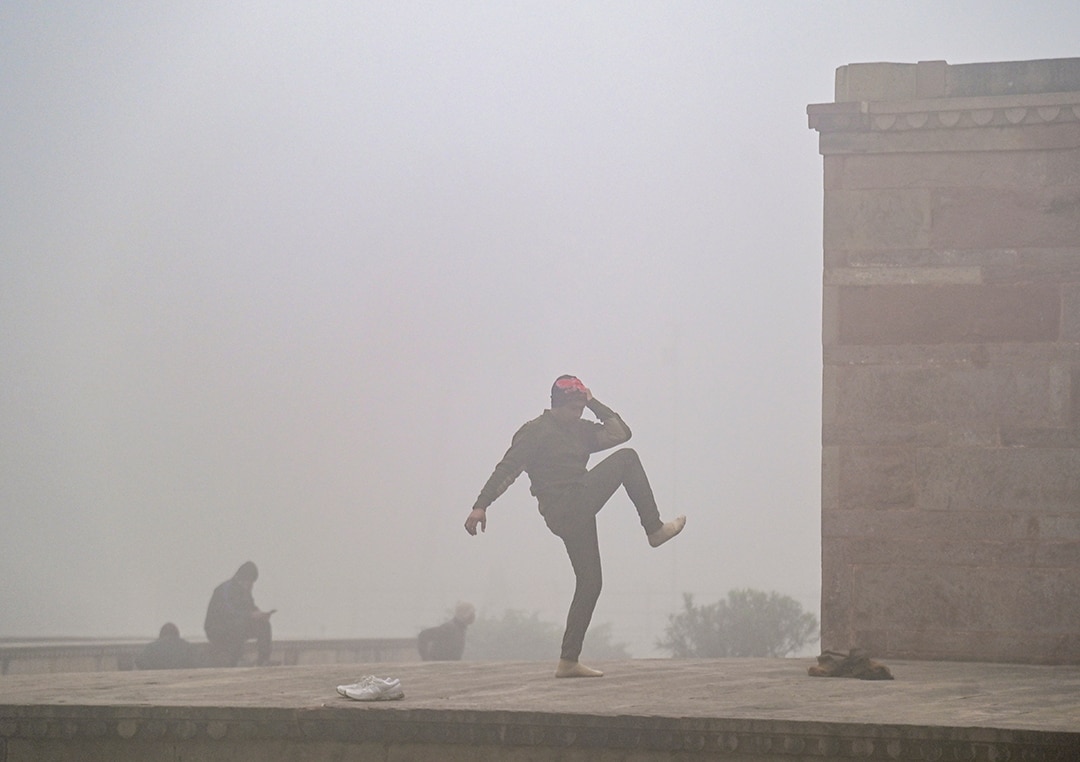
Winter mornings look gentle, but the cold quietly tightens blood vessels and nudges blood pressure upward. Cardiologists warn this hidden strain forces the heart to pump harder than usual, turning a calm stroll into a stress test—especially when the body is still shaking off sleep and warmth.
- 2/9
The moment you step from a heated room into icy air, your heart rate and blood pressure can spike. Doctors say this sudden thermal shock leaves little time for adjustment, and for vulnerable hearts, that abrupt transition can be more dangerous than the walk itself.

- 3/9
Early hours are the coldest slice of the day, when body temperature is also at its lowest. Experts note that this double dip creates a narrow window where the heart is least forgiving, even under moderate physical effort.
- 4/9
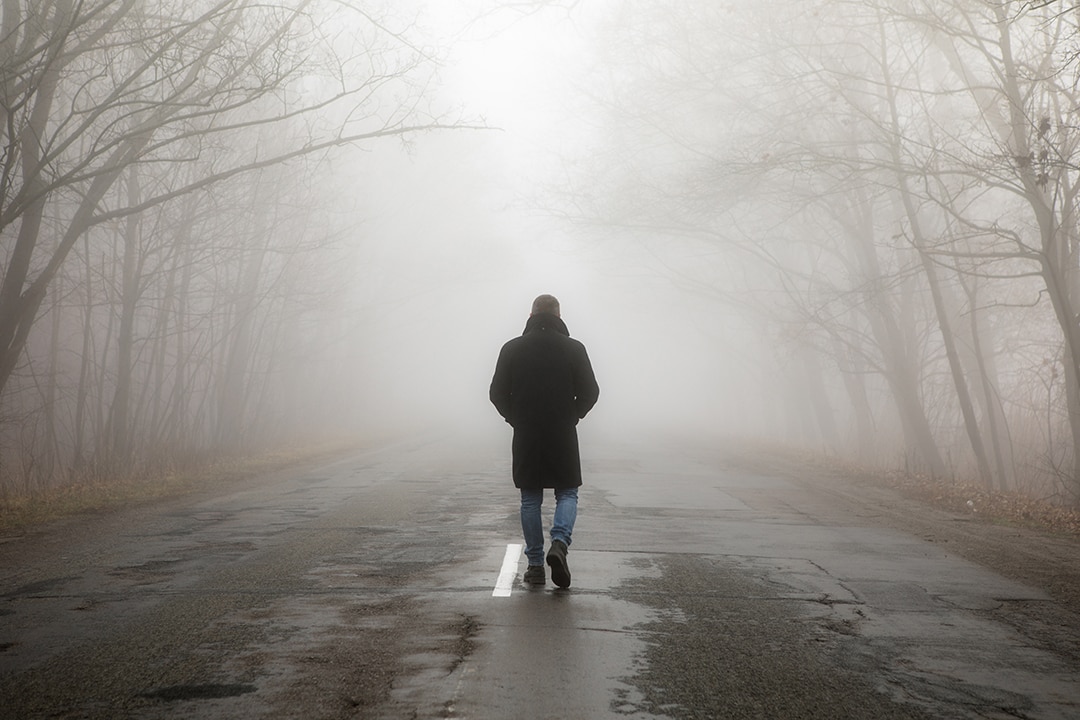
Cold weather doesn’t just bite the skin—it compresses arteries. Narrowed vessels push blood pressure higher, silently increasing the workload on the heart. For people with hypertension or past cardiac issues, this surge can quietly tip the balance toward risk.
- 5/9
Winter mornings often trap pollution close to the ground. Smog, exhaust, and dust linger while oxygen levels dip slightly. Specialists say this forces the heart to work overtime for oxygen, layering environmental stress onto physical exertion.

- 6/9
Not every walker faces the same danger. Younger, healthy bodies may adapt, but those with heart disease, prior strokes, or uncontrolled blood pressure sit on a thinner margin. What feels like discipline to one person can act as a trigger to another.
- 7/9
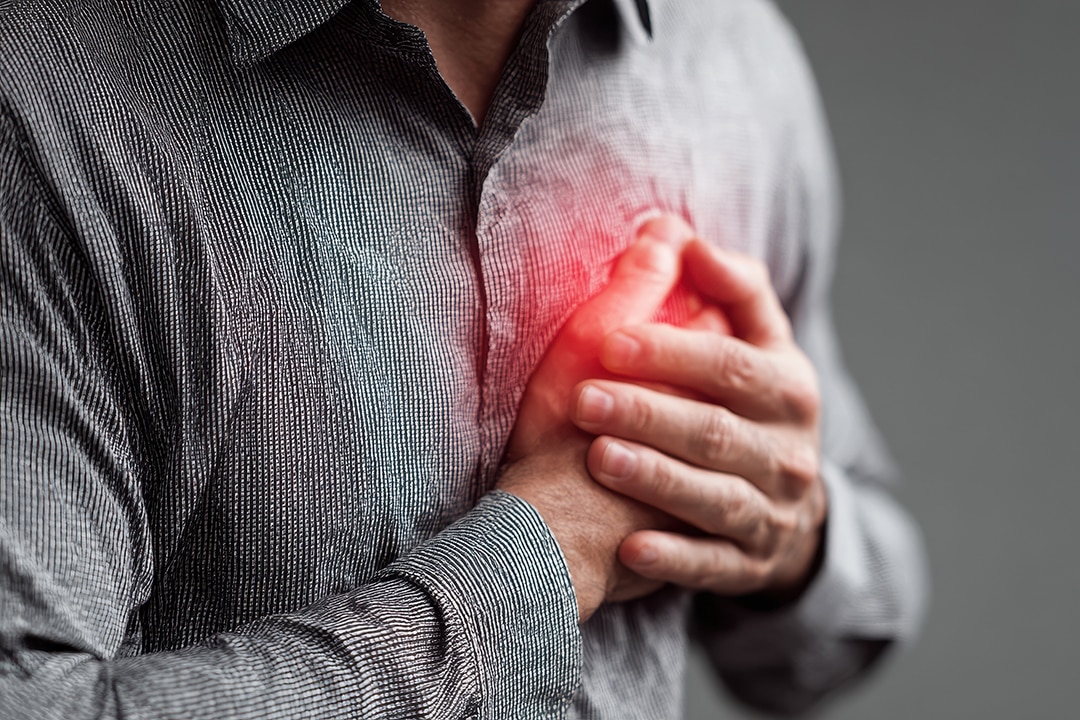
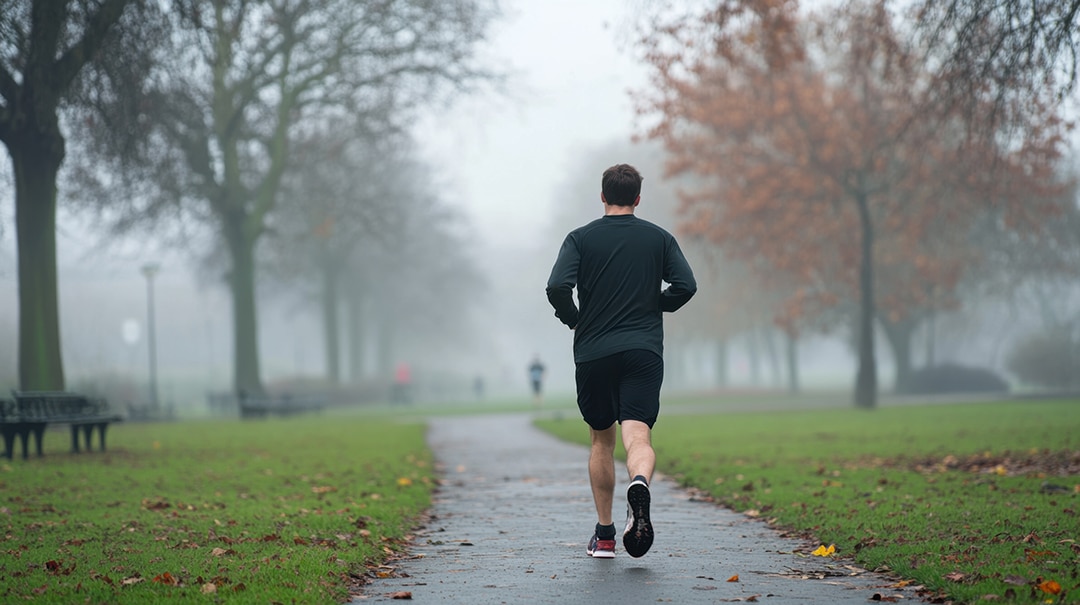
Chest discomfort, breathlessness, dizziness, or palpitations aren’t signs of weakness—they’re alarms. Medical experts stress these symptoms should stop a walk immediately. Ignoring them in cold conditions can turn a minor episode into a medical emergency.
- 8/9
The solution isn’t quitting exercise—it’s shifting the clock. Mid-morning walks offer warmer air, better visibility, and often lower pollution. Doctors say this simple timing change dramatically reduces cardiovascular stress without breaking the habit.
- 9/9
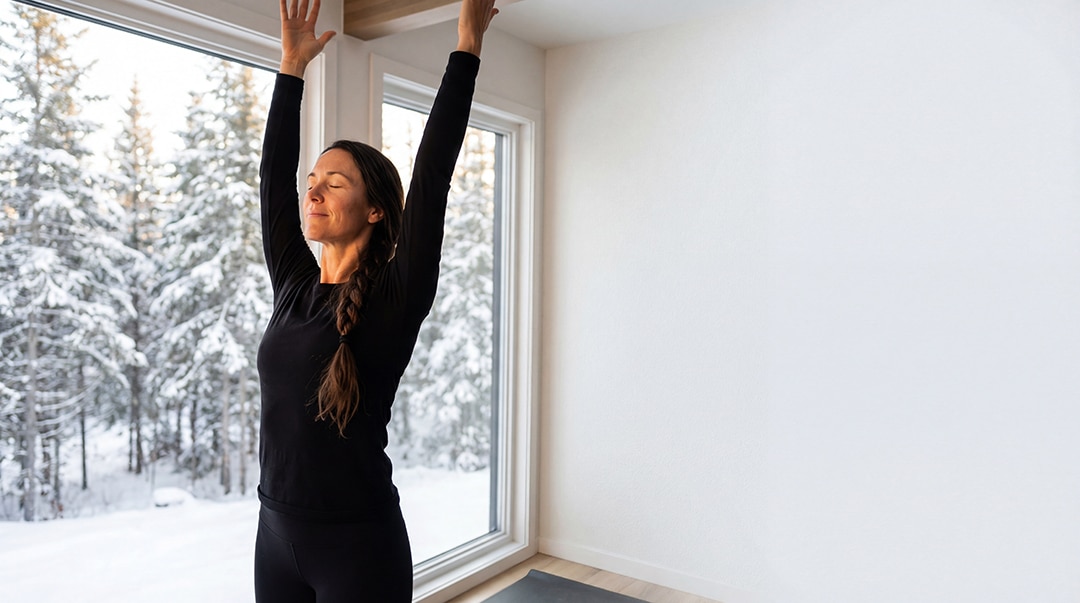
Warming up indoors, layering clothes, and easing into movement can shield the heart from sudden shocks. Health experts emphasize preparation as the key difference between a heart-healthy routine and an avoidable winter risk.