
Crude Reality — Why Venezuela’s oil isn’t saving Venezuela
Venezuela holds the world’s largest oil reserves, yet sanctions, heavy crude and high costs keep it poor—showing why oil underground doesn’t guarantee power or prosperity.
- Jan 5, 2026,
- Updated Jan 5, 2026 11:56 AM IST
- 1/9
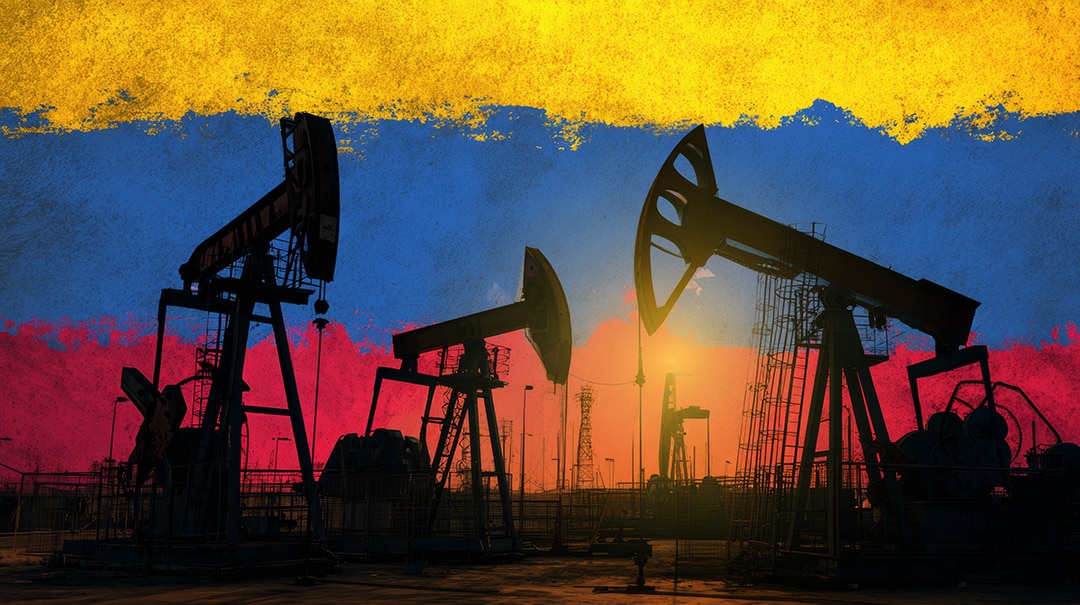
On paper, Venezuela sits atop the oil world, hoarding an estimated 303 billion barrels—more than anyone else. It’s a statistic that dazzles economists and alarms rivals, yet masks a deeper paradox: the richest oil nation on Earth struggling to turn buried wealth into daily bread.

- 2/9
Much of Venezuela’s crude isn’t the gushing black gold of Hollywood lore but extra-heavy oil—tar-thick, stubborn, and expensive. Energy engineers note it demands cutting-edge refineries, diluents, and capital few are willing to risk, turning geological abundance into an operational nightmare.

- 3/9
Years of US-led sanctions throttled exports, froze assets, and scared off partners, leaving pipelines idle and rigs rusting. Analysts say the restrictions didn’t erase the oil—but they did erase Venezuela’s access to markets, finance, and the technical lifelines needed to monetize it.
- 4/9
Contrast that with Saudi Arabia, whose 267 billion barrels sit closer to the surface and mostly on land. Geologists call it some of the cheapest oil on Earth to extract, a natural gift that helped build one of the most profitable energy machines ever assembled.

- 5/9
Industry data shows Saudi production costs among the world’s lowest, while Venezuela’s rank near the highest. That gap explains why two nations with similar populations ended up with radically different economic trajectories—one exporting stability, the other exporting crisis.
- 6/9
Energy historians warn that reserve size alone is a mirage. Without political stability, infrastructure, and trust from global markets, oil stays underground. Venezuela’s experience has become a case study taught in policy schools on how resources can fail to become wealth.
- 7/9
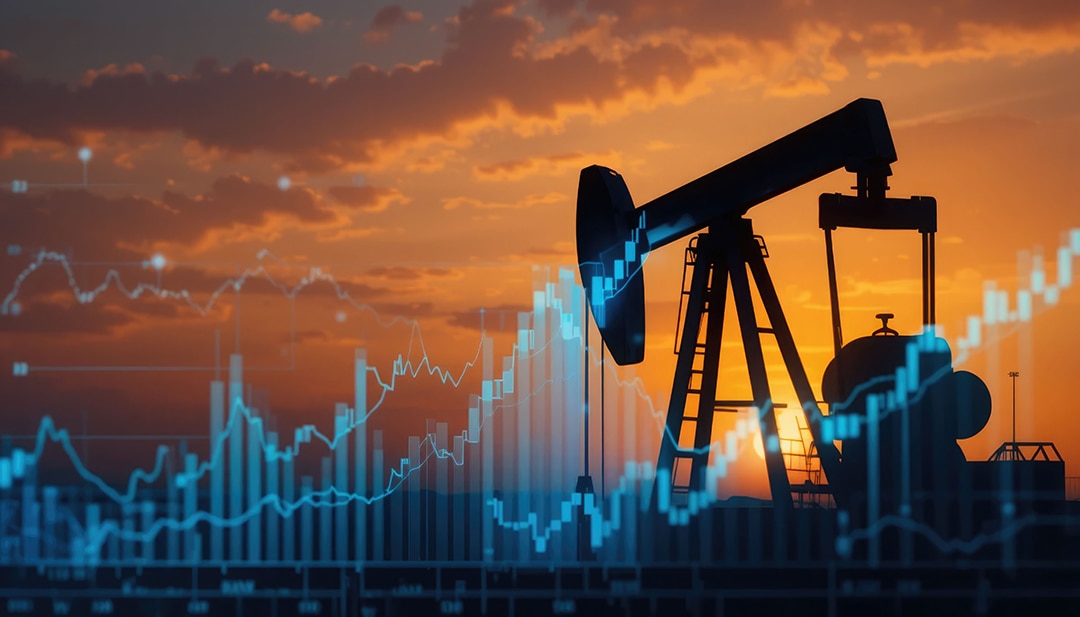
According to World Population Review, just four countries dominate global oil reserves, concentrating influence over prices, supply assumptions, and geopolitical leverage. This imbalance quietly shapes everything from inflation forecasts to foreign policy doctrines.
- 8/9
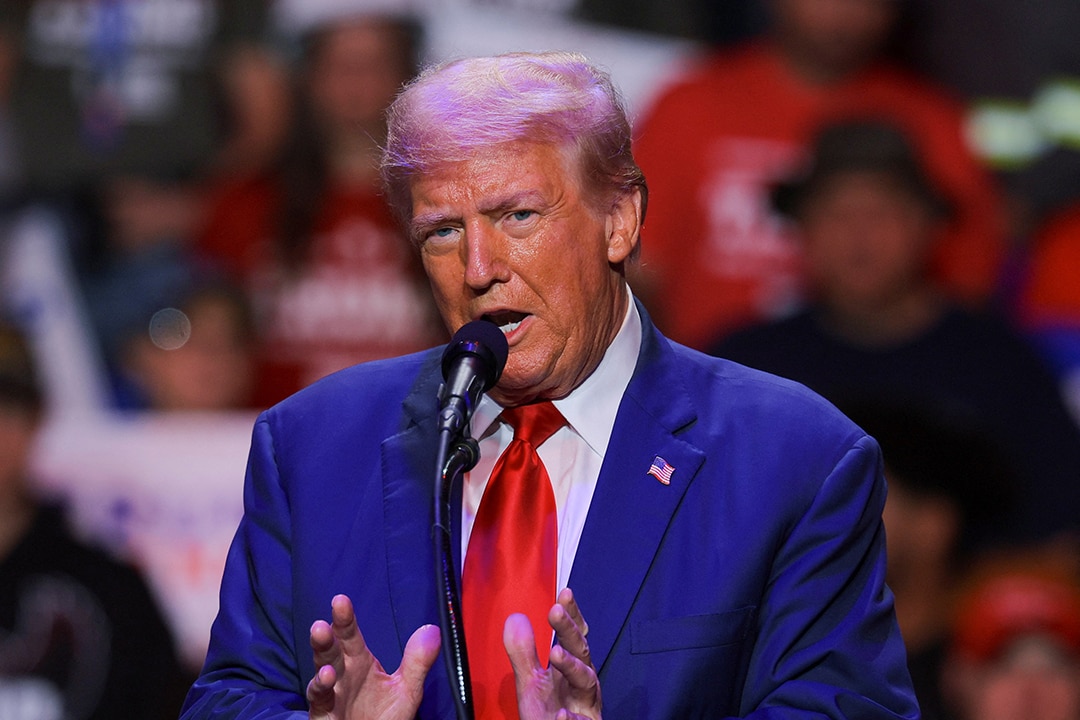
Former US president Donald Trump once suggested America could seize Venezuela’s oil and rebuild the industry after regime change. The remark jolted diplomats and traders alike, underscoring how Venezuelan crude remains a live wire in global power politics.
- 9/9
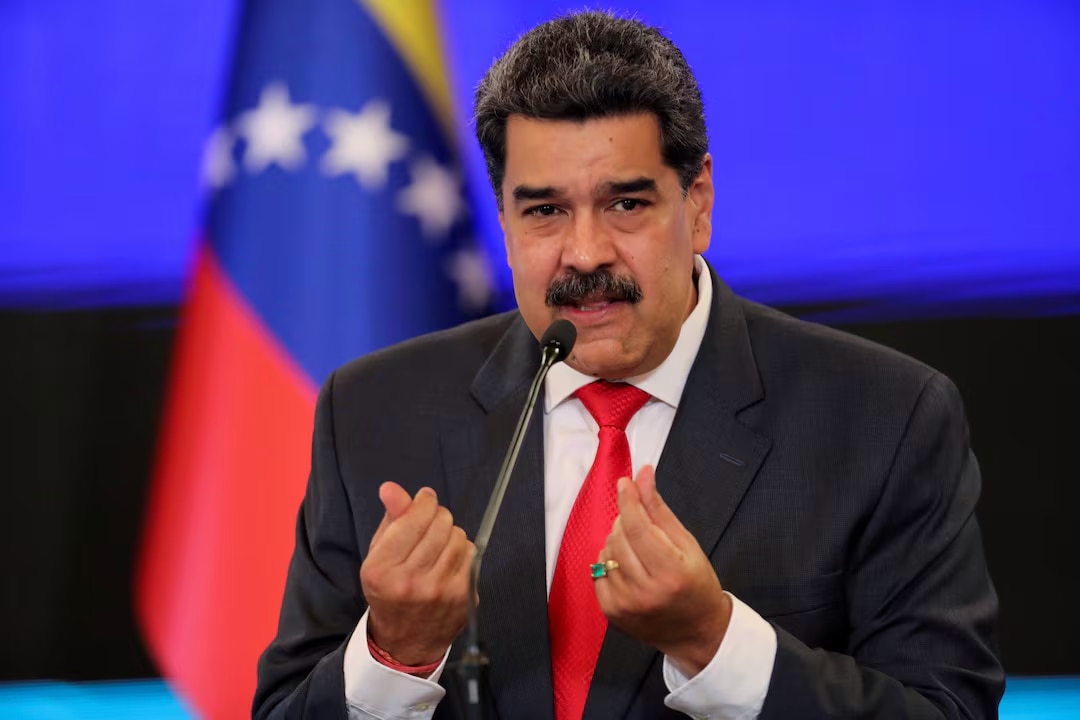
As long as Nicolás Maduro clings to power and sanctions linger, Venezuela’s oil may stay locked away. But energy experts caution that a sudden political thaw could unleash millions of barrels back into markets—reshaping prices, alliances, and assumptions overnight.