
Delhi Freeze: Why Doctors Are Worried About BP, Breath, and Kidneys
Delhi’s cold wave is raising hidden health alarms as doctors warn of rising blood pressure, breathing distress, and kidney strain, urging hydration, monitoring, and winter precautions.
- Jan 13, 2026,
- Updated Jan 13, 2026 12:12 PM IST
- 1/9
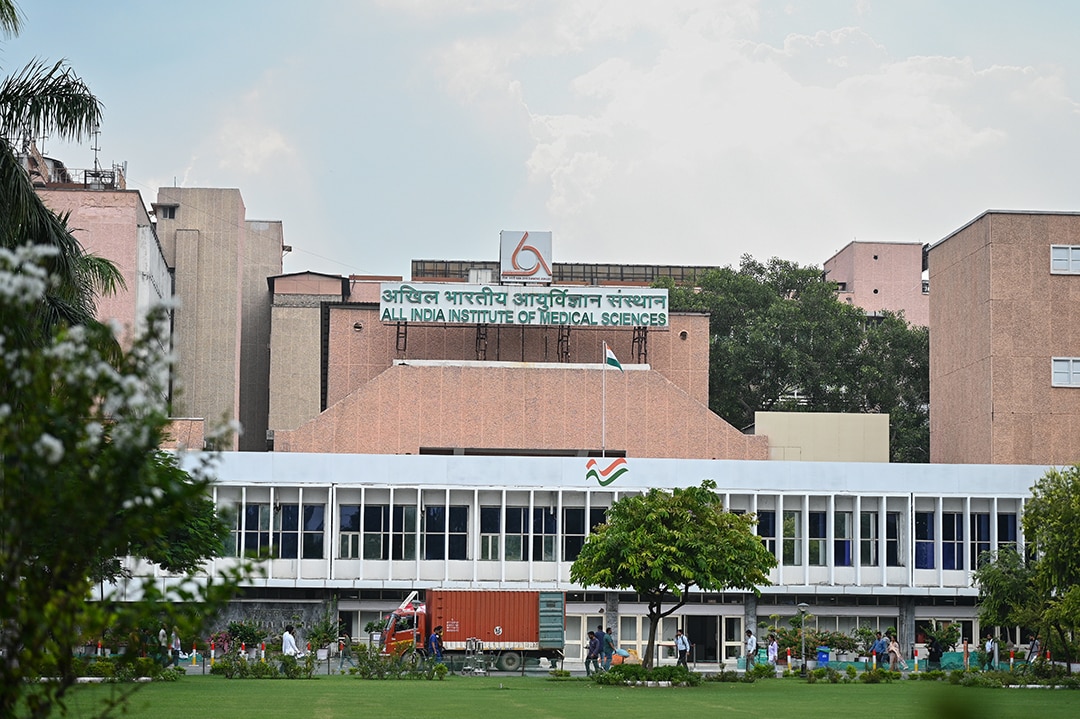
As Delhi shivers, doctors at AIIMS Delhi warn that cold doesn’t just numb fingers—it tightens blood vessels. Reduced hydration, salt-heavy comfort foods, and constricted arteries quietly push blood pressure upward, creating a winter cocktail that cardiologists say can tip vulnerable hearts toward crisis.
- 2/9
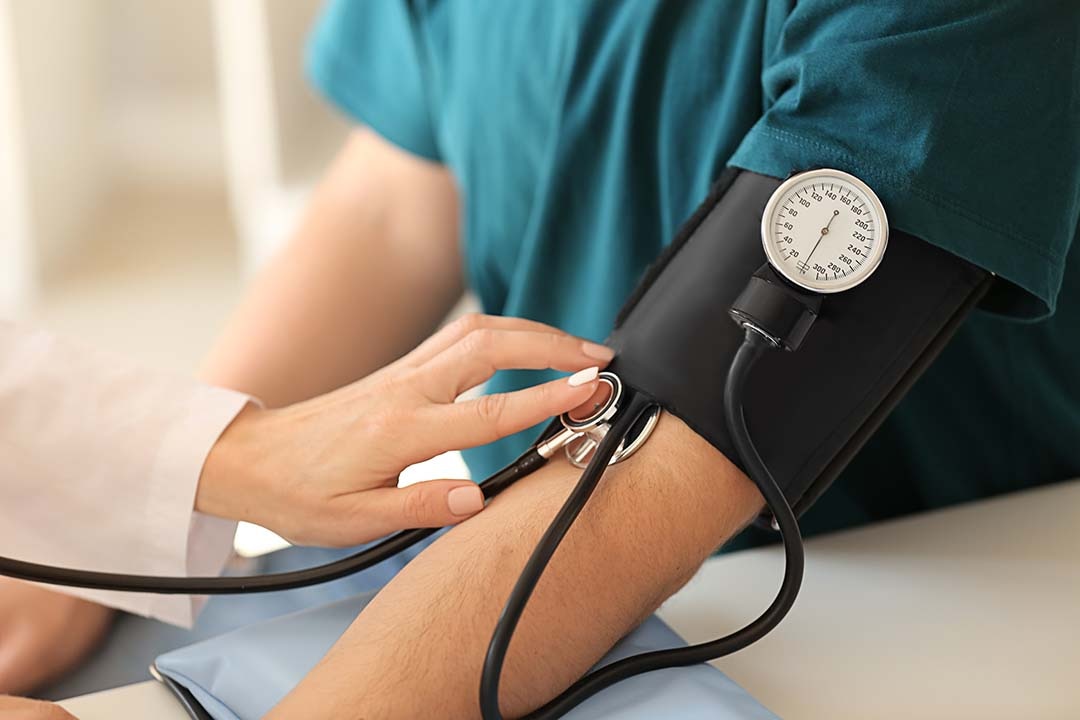
Winter’s chill has a stealthy side effect: blood pressure creep. AIIMS cardiologists note that even people with “controlled” readings can see sudden spikes as temperatures dip, making home BP monitoring a frontline defense during cold waves that look harmless but strain the heart daily.
- 3/9
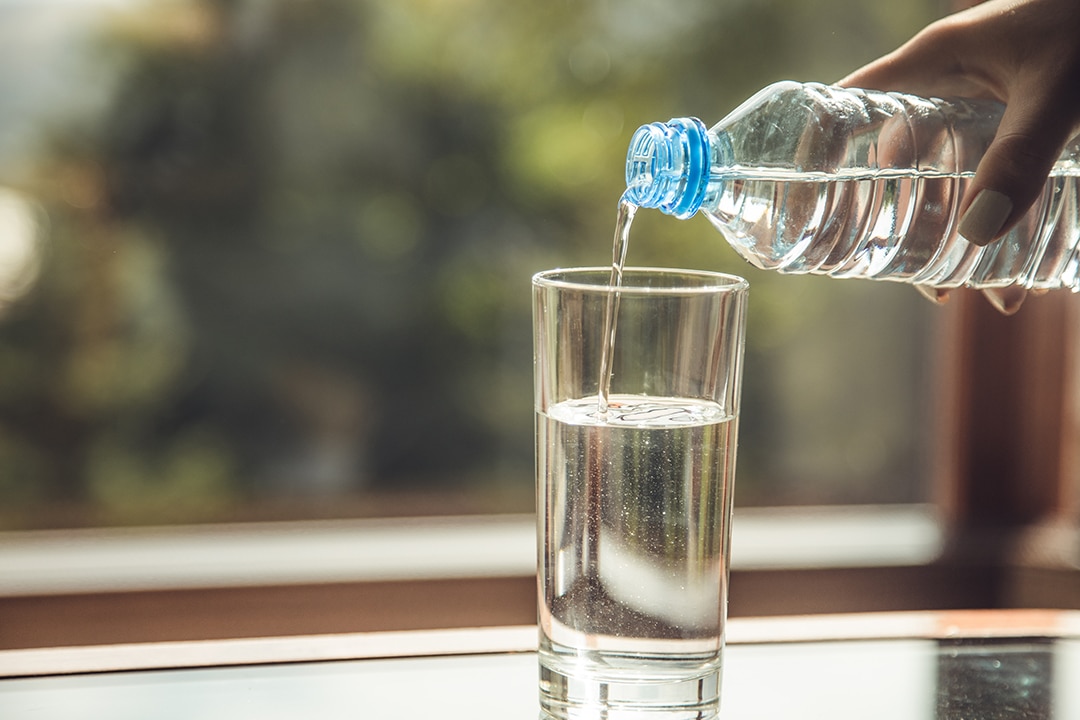
Cold weather masks thirst, but kidneys feel the damage. Doctors warn that lower water intake thickens blood and stresses renal function, especially in patients already battling chronic kidney disease, where dehydration can quietly accelerate long-term damage.
- 4/9
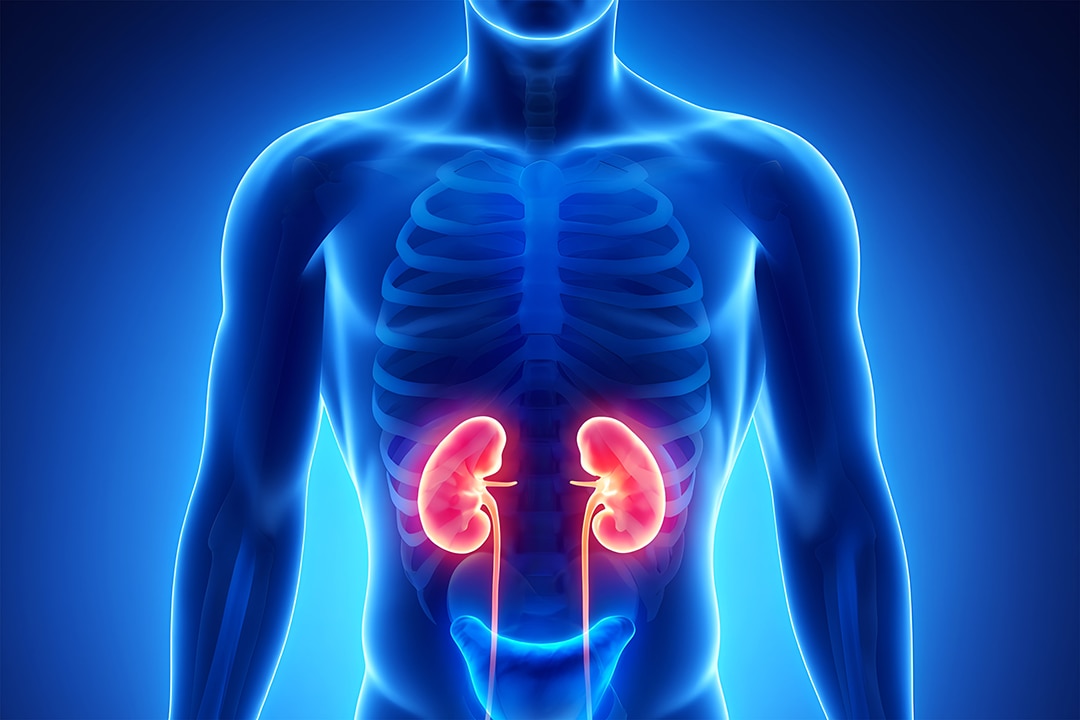
Nephrologists say winter hypertension is no small seasonal blip. For CKD patients, elevated blood pressure during cold months can hasten kidney decline, turning a temporary chill into a lasting medical setback unless closely monitored and medically adjusted.
- 5/9
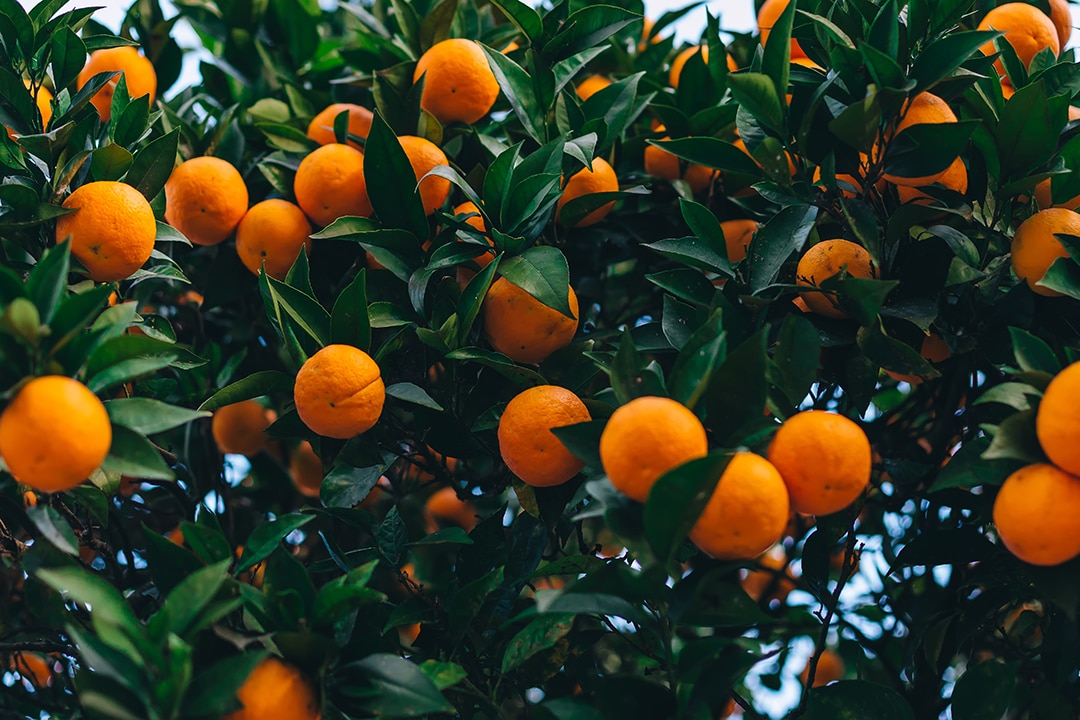
Seasonal favorites like oranges and spinach look healthy—but for kidney patients, they can be dangerous. AIIMS experts caution that winter diets may spike potassium to life-threatening levels, a risk that often hides behind the comforting glow of “fresh produce.”
- 6/9
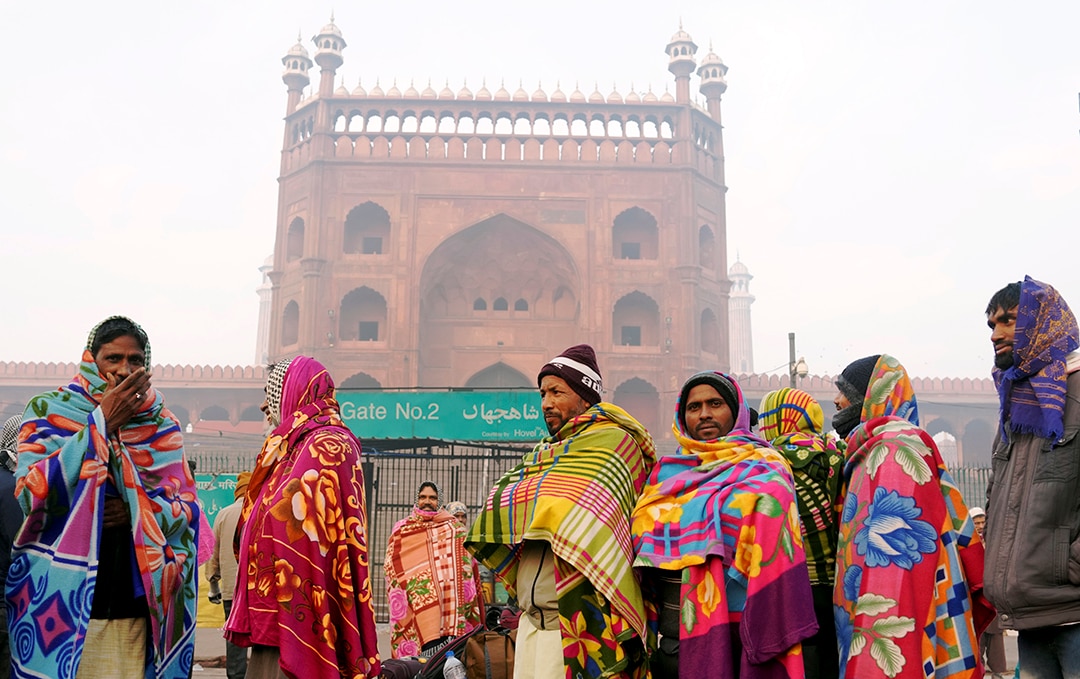
Cold air doesn’t just sting—it constricts. Physicians warn that icy winds can trigger bronchospasm, tightening airways in asthma and COPD patients, turning a morning walk into a wheezing emergency without warning.
- 7/9
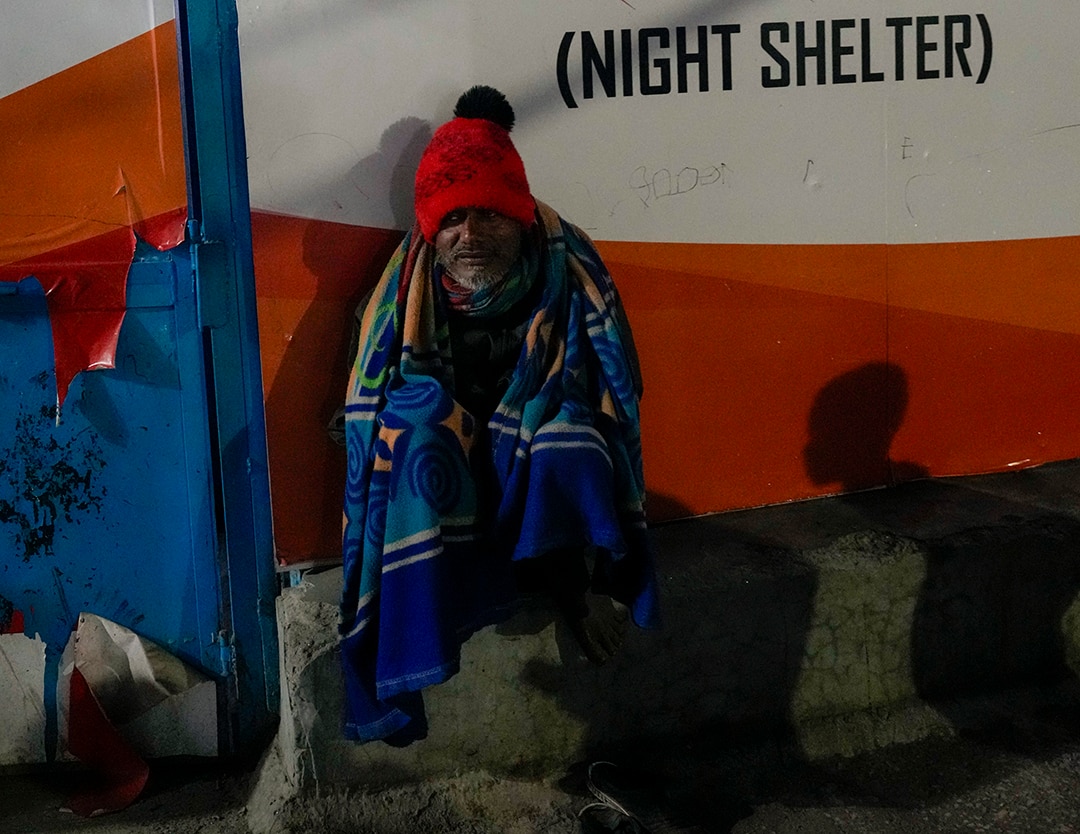
Elderly lungs are especially vulnerable as cold waves open the door to pneumonia. Doctors stress that winter isn’t just flu season—it’s a period when immunity dips and infections strike harder, faster, and with higher stakes.
- 8/9
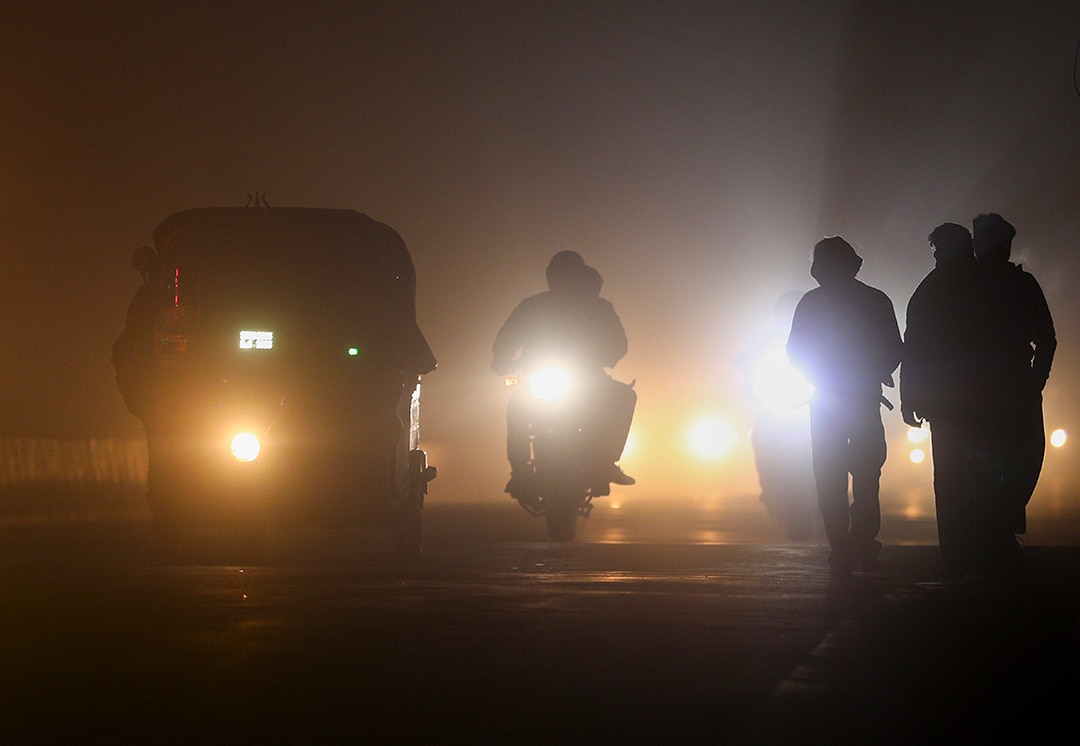
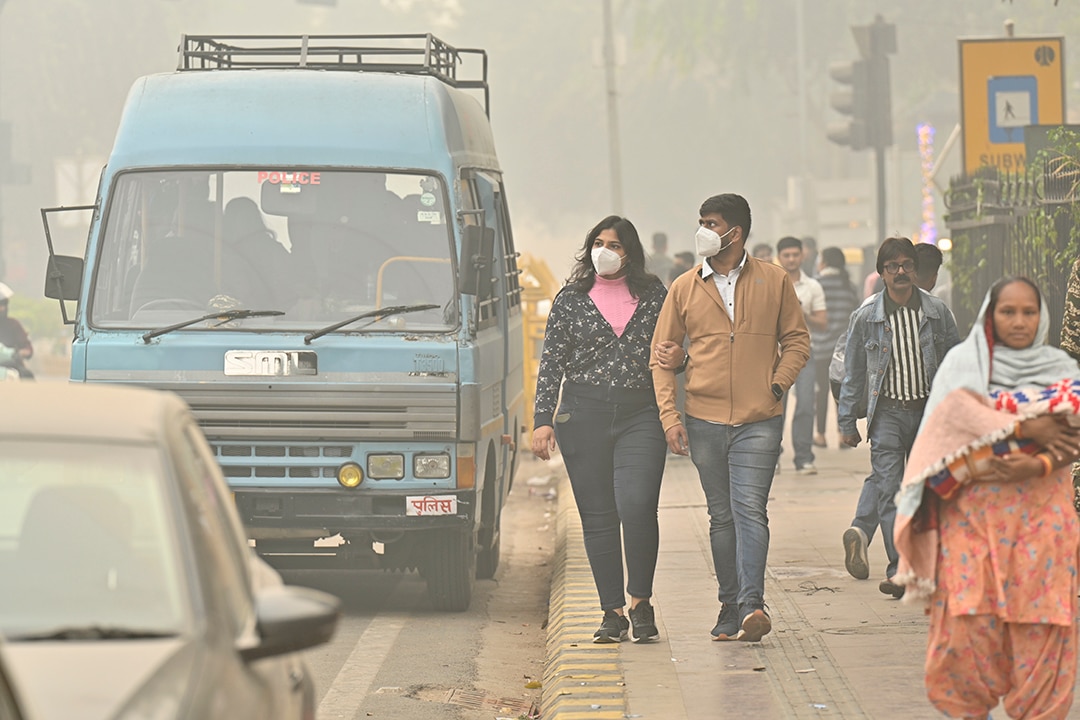
Winter smog compounds the cold. Trapped pollutants inflame already sensitive lungs, worsening COPD and chronic respiratory illness. Doctors say the toxic mix of cold air and pollution makes staying indoors a medical necessity, not a lifestyle choice.
- 9/9
AIIMS doctors emphasize prevention over panic: warm layers, masks, hydration, indoor exercise like yoga, and timely vaccinations. These small acts, they say, can mean the difference between a manageable winter and a medical emergency.