
Diabetes diets shaken: A once-banned vegetable makes a cautious comeback
Once banned from diabetic plates, sweet potatoes are staging a cautious comeback. Experts explain their GI, fiber power, smart cooking methods, and how they fit safely into diabetes diets.
- Dec 23, 2025,
- Updated Dec 23, 2025 12:29 PM IST

- 1/9
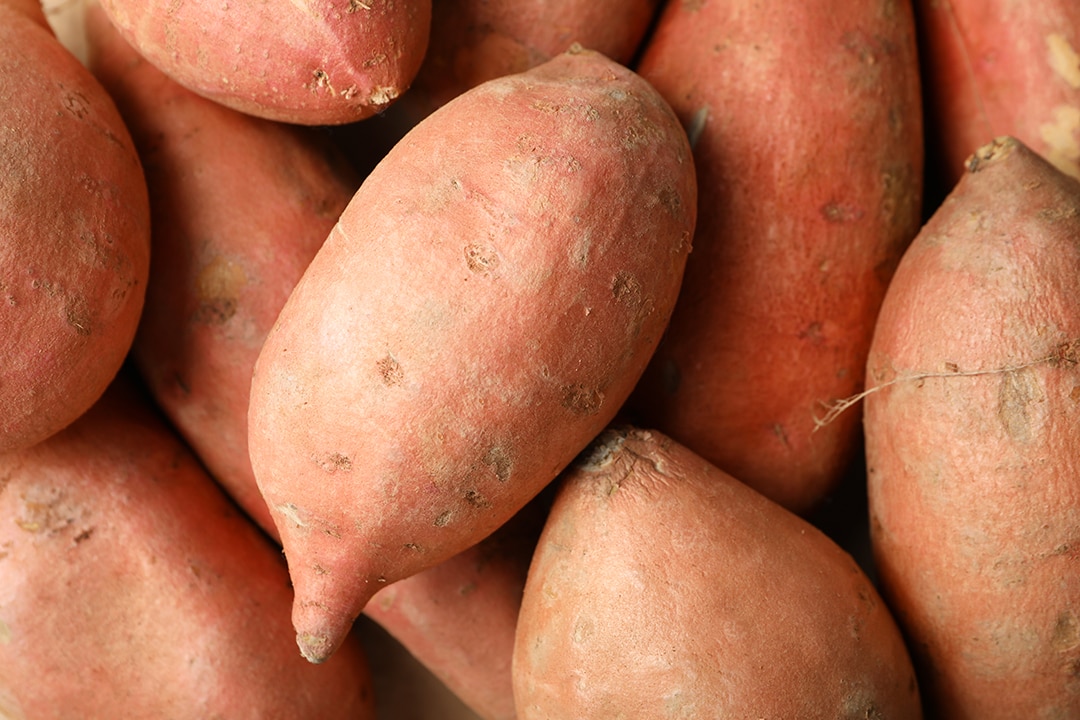
The word “sweet” alone has long triggered alarm bells for people with diabetes, pushing sweet potatoes into dietary exile. But nutrition experts say that fear may be outdated. Beneath the caramelized flesh is a starch that behaves far more gently in the bloodstream than its reputation suggests.
- 2/9
On the glycemic index scale of 0 to 100, sweet potatoes land far lower than many expect. Experts note that baked sweet potatoes with the skin clock in around 44–61, a range that reframes them from risky indulgence to cautious contender.

- 3/9
How you cook a sweet potato quietly decides its metabolic fate. Roasting, boiling, or mashing alters its structure, changing how quickly glucose enters the blood. Experts say the difference between a spike and stability may come down to texture, heat, and preparation style.

- 4/9
Each sweet potato comes wrapped in a fibrous safety net—about four grams per serving—that slows digestion and softens blood sugar swings. Researchers link higher fiber intake with improved glycemic control, turning this humble root into an unexpected ally for insulin management.
- 5/9
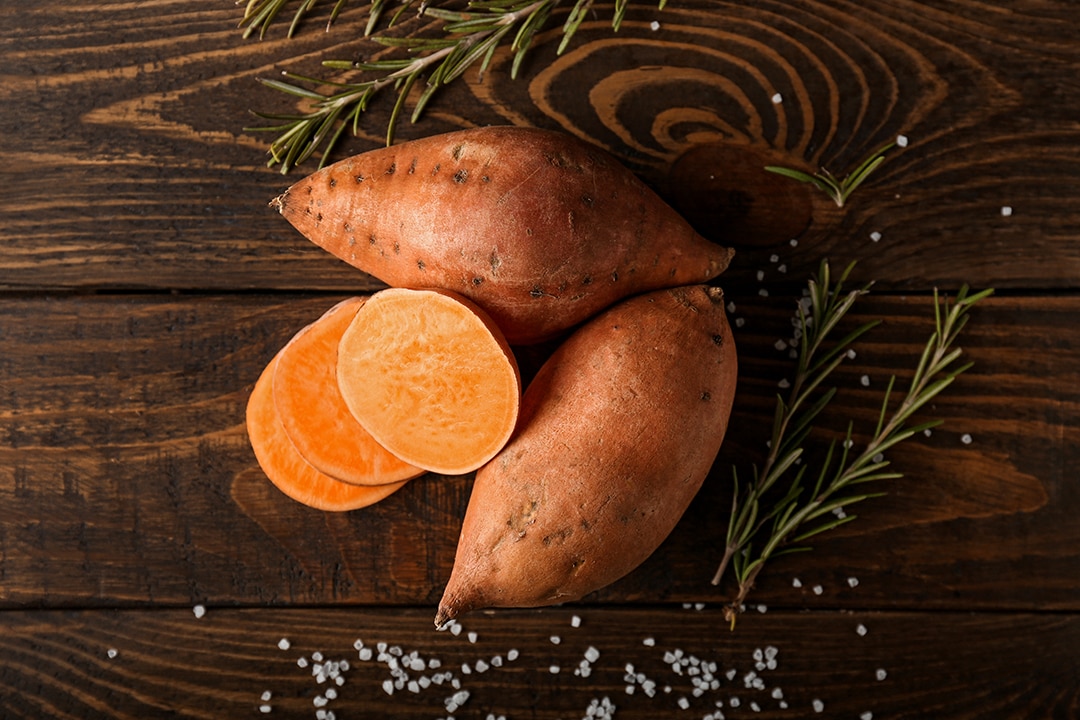
Bright orange isn’t just aesthetic—it signals beta-carotene, vitamin C, potassium, and magnesium packed inside. Nutritionists point out that vitamin A from sweet potatoes supports eye health, a critical concern for diabetics, while antioxidants quietly fight inflammation linked to chronic disease.
- 6/9
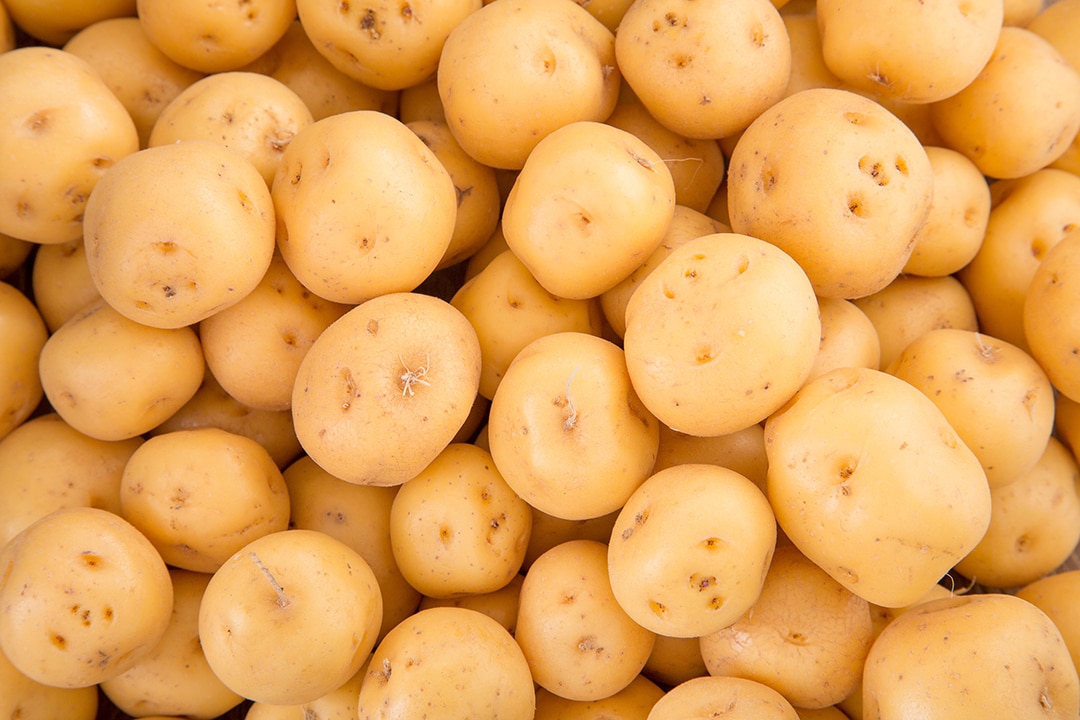
White potatoes surge ahead on the GI scale, often hitting 85 or more, which can send blood sugar soaring. Sweet potatoes, by contrast, digest more slowly, a distinction that’s fueling renewed debate in dietetics circles about which carbs deserve redemption.

- 7/9
Even good carbs can misbehave when portions balloon. One medium sweet potato—about 150 grams—fits neatly into a balanced meal, but doubling up can tip glucose levels. Experts stress that control, not avoidance, is the real discipline diabetics must master.

- 8/9
Sweet potatoes perform best when they don’t stand alone. Pairing them with protein, healthy fats, or low-GI vegetables can blunt glucose spikes, according to dietary research. It’s a quiet nutritional chess move that changes how the body reads the meal.
- 9/9
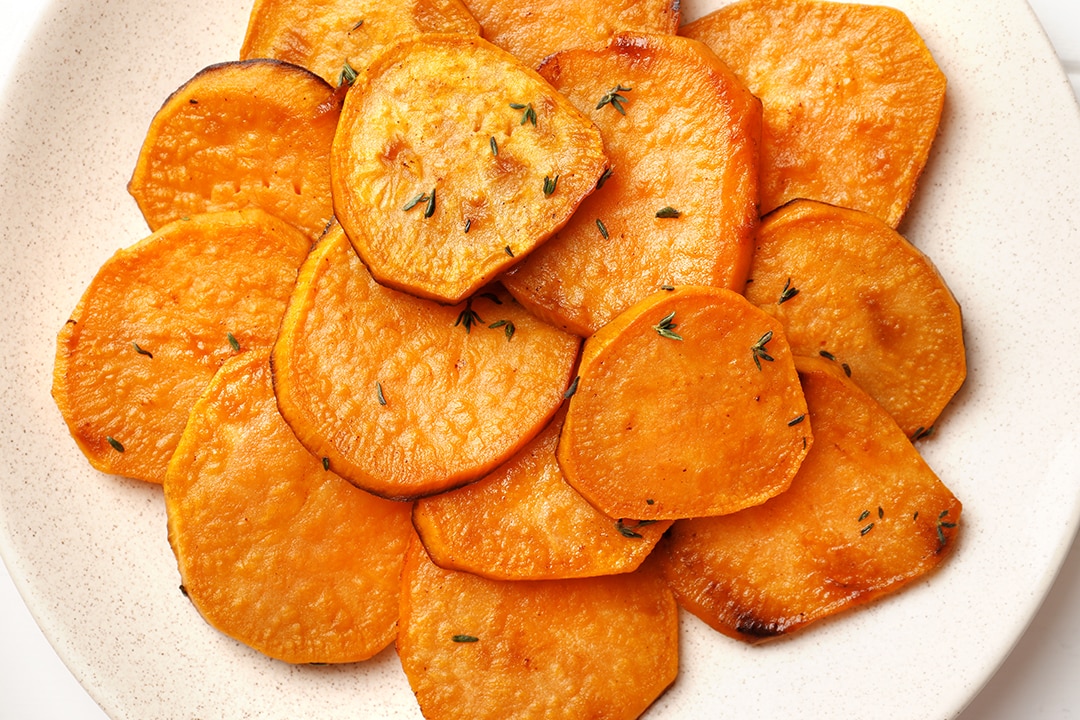
From air-fried wedges to yogurt-topped bakes and warm salads, sweet potatoes are re-entering diabetic kitchens in smarter forms. Nutritionists say this isn’t about indulgence—it’s about technique, balance, and reclaiming foods once unfairly blacklisted.