
Diet insight: Why reheated blended oils could undo healthy eating
Reheating blended cooking oils may undo healthy eating goals. Experts warn overheating mixed oils can create harmful compounds, affecting heart health, digestion, and fat balance.
- Jan 19, 2026,
- Updated Jan 19, 2026 4:14 PM IST
- 1/9
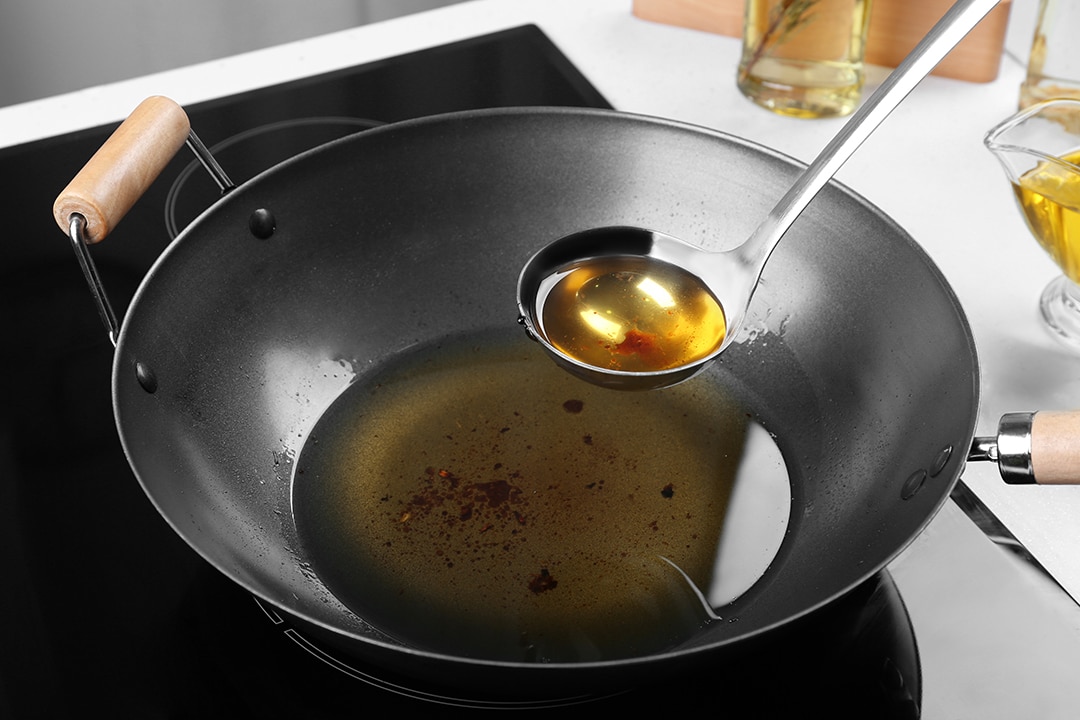
Kitchen Chemistry
Mixing oils sounds like a modern wellness hack, but Indian kitchens have quietly done it for decades. Nutrition experts say blending works when heat, reuse, and proportions are respected—turning an everyday habit into a careful balancing act of flavour, fats, and fire.
- 2/9
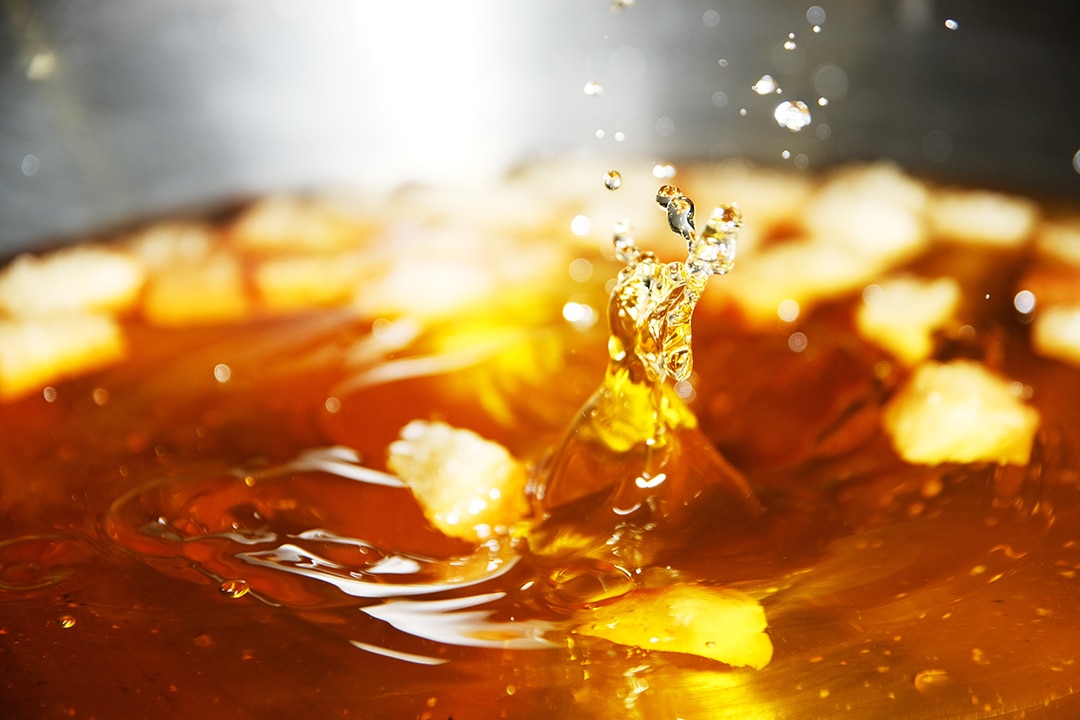
Heat Hazards
The real danger isn’t mixing—it’s overheating. Oils with different smoke points can behave unpredictably when pushed too far, breaking down into harsh compounds. Repeated reheating is where a “healthy blend” can quietly turn hostile to the heart and gut.
- 3/9
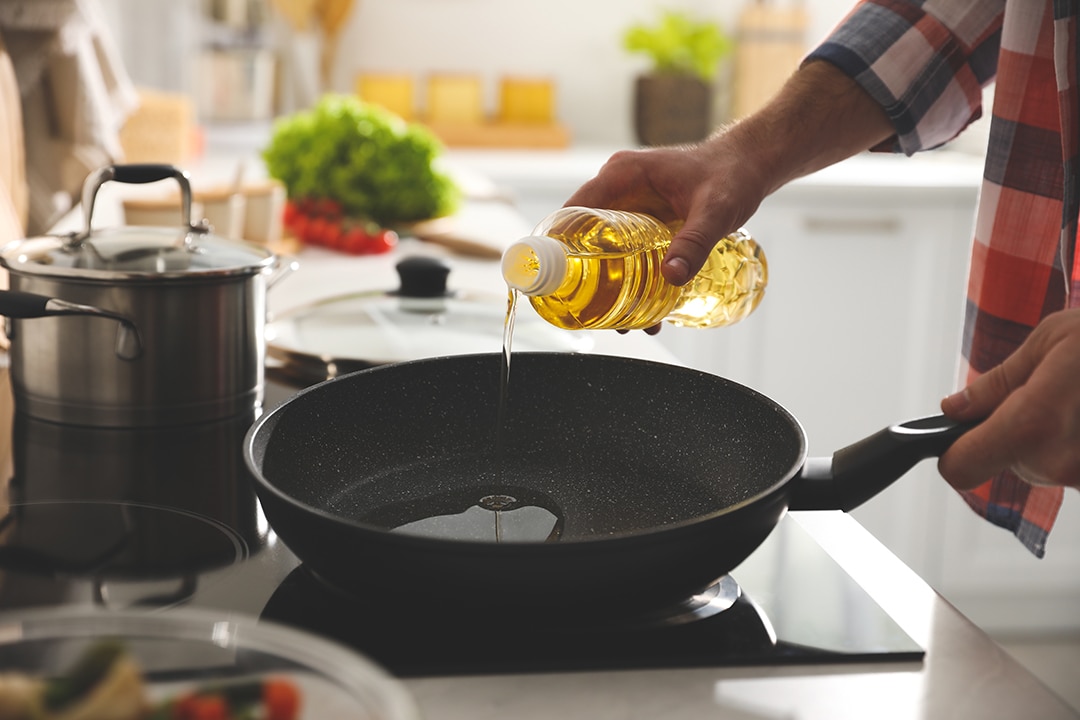
Fat Balance
Every oil tells a different nutritional story—omega-6 heavy sunflower, pungent omega-3 hints in mustard, steady monounsaturated groundnut. When used wisely, blending or rotating oils can smooth out extremes, offering a broader fat profile without putting all dietary bets on one bottle.
- 4/9
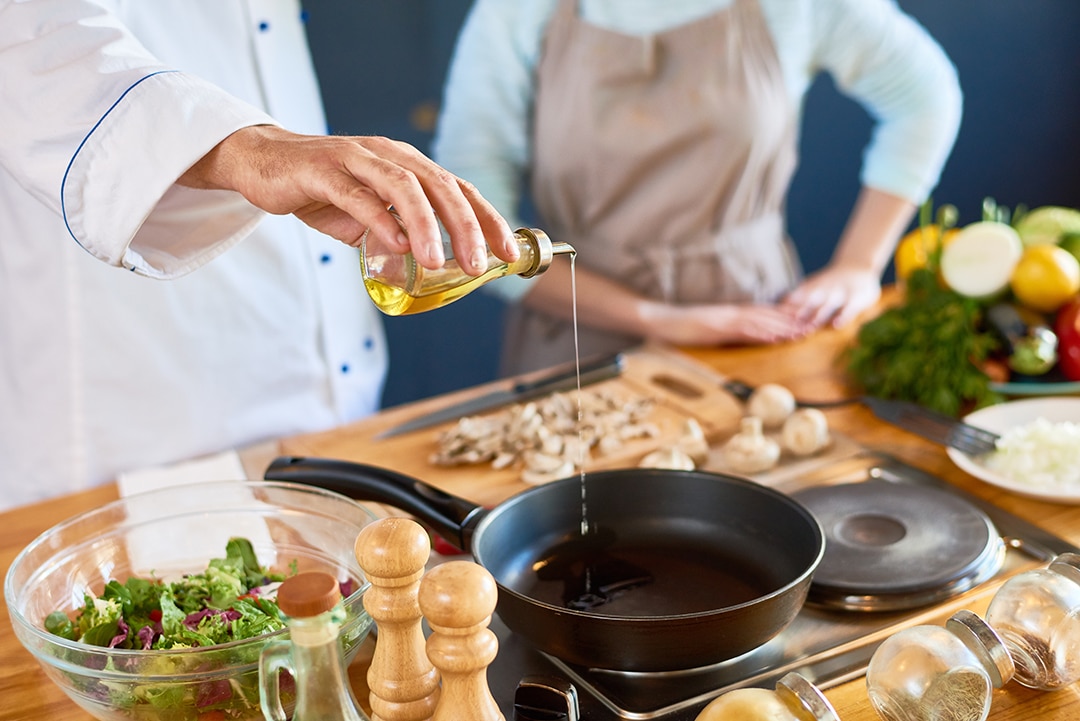
Flavor Tradeoffs
Sunflower oil slips in quietly, while mustard oil announces itself loudly. Together, they can complement—or clash. Experts note flavour isn’t just about taste; stronger oils can influence how much you use, subtly changing calorie and fat intake over time.
- 5/9
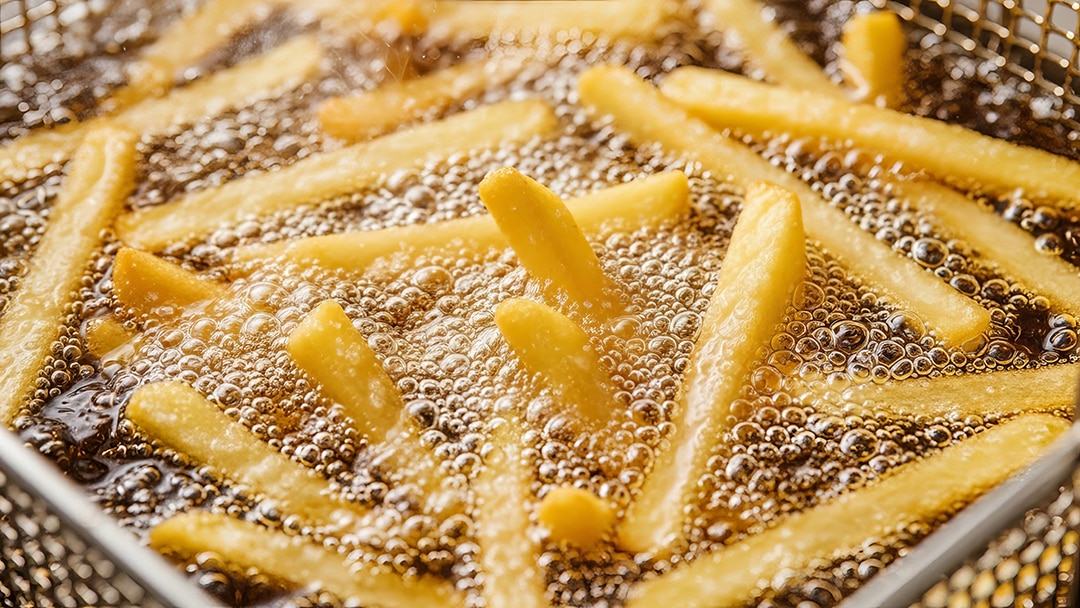
Frying Fallout
Deep frying is where good intentions go to die. Mixing refined and unrefined oils under high heat can accelerate breakdown, producing irritants that stress digestion. No blend is truly “safe” once oil is bubbling and reused beyond its limits.
- 6/9
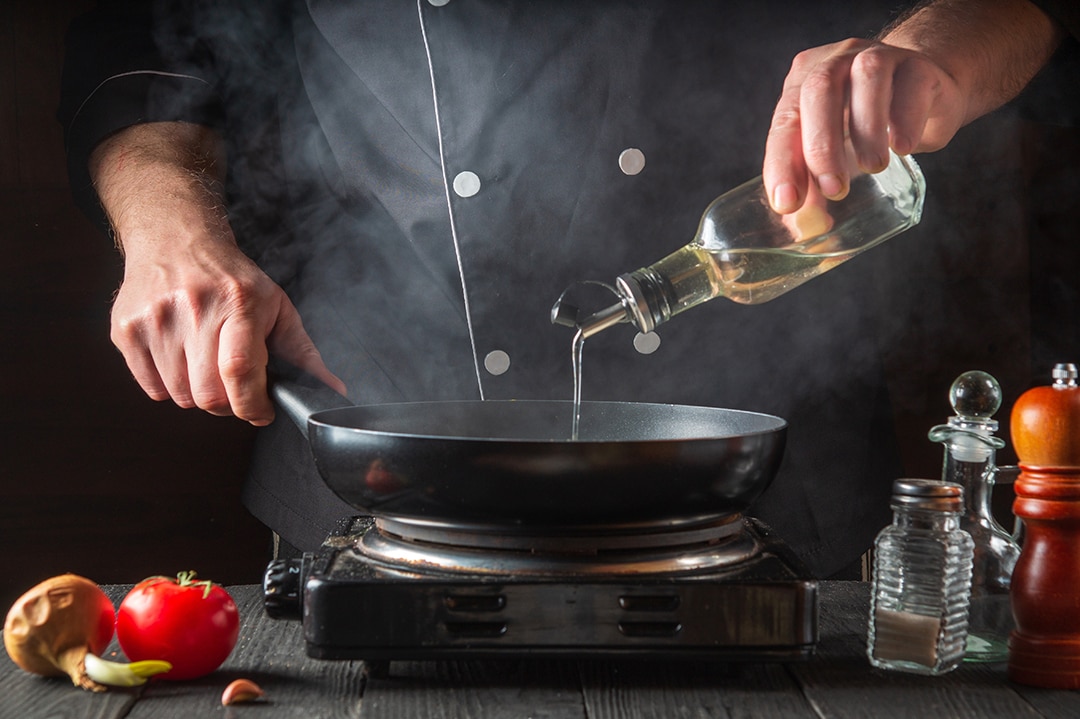
Rotation Logic
Instead of one permanent mix, rotating oils through the week may offer the same benefits with fewer risks. This approach mirrors traditional practices—different oils for pickles, sautés, frying, or salads—quietly diversifying nutrients without chemical confusion.

- 7/9
Convenience Trap
Blended oils promise an all-in-one solution, but convenience can mask misuse. Pre-blended or home-mixed oils often end up used for every dish, every day—undoing the very balance they’re meant to create.

- 8/9
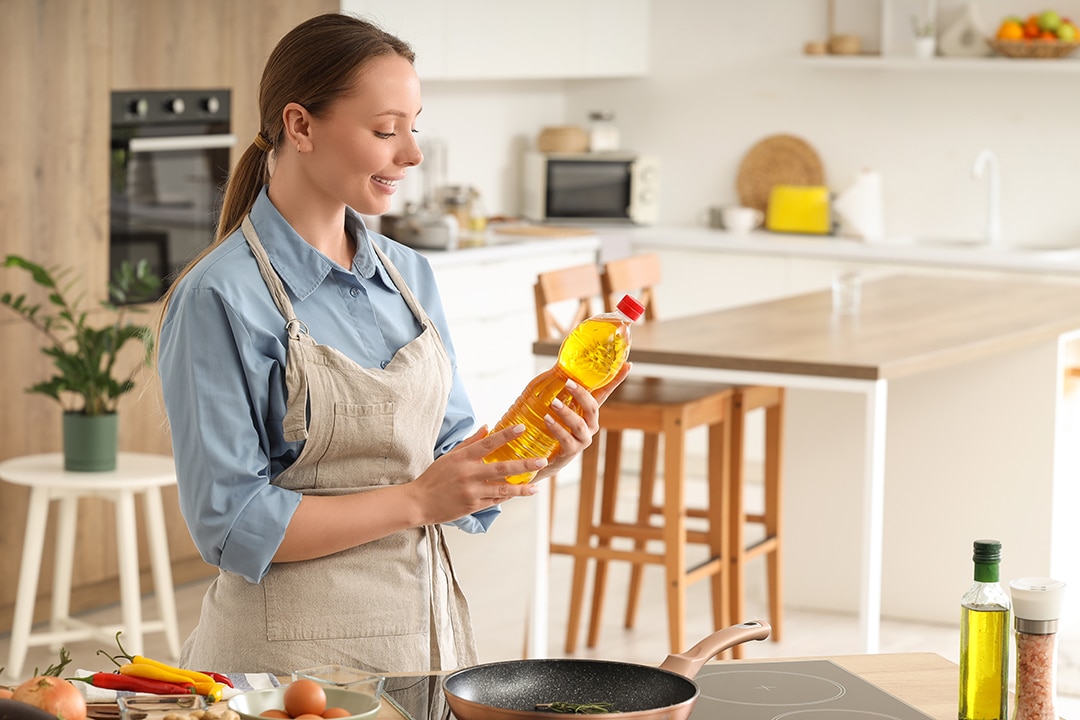
Metabolic Signals
Fats don’t just fuel calories; they send metabolic signals. A varied oil intake may support better cholesterol patterns and metabolic health, but only when oils are fresh, appropriately heated, and not treated as endlessly reusable kitchen workhorses.
- 9/9
Old Wisdom
What looks like a new health trend is really old culinary instinct dressed in modern language. Indian cooking has long matched oils to purpose. Modern nutrition science now echoes that tradition: variety, moderation, and respect for heat matter more than any trendy blend.