
From swelling to numbness: The overlooked leg signs physicians take seriously
From swollen ankles to tingling toes, doctors reveal how subtle leg symptoms can signal hidden heart, nerve, kidney, and circulation diseases long before major warning signs appear.
- Jan 2, 2026,
- Updated Jan 2, 2026 4:44 PM IST
- 1/9
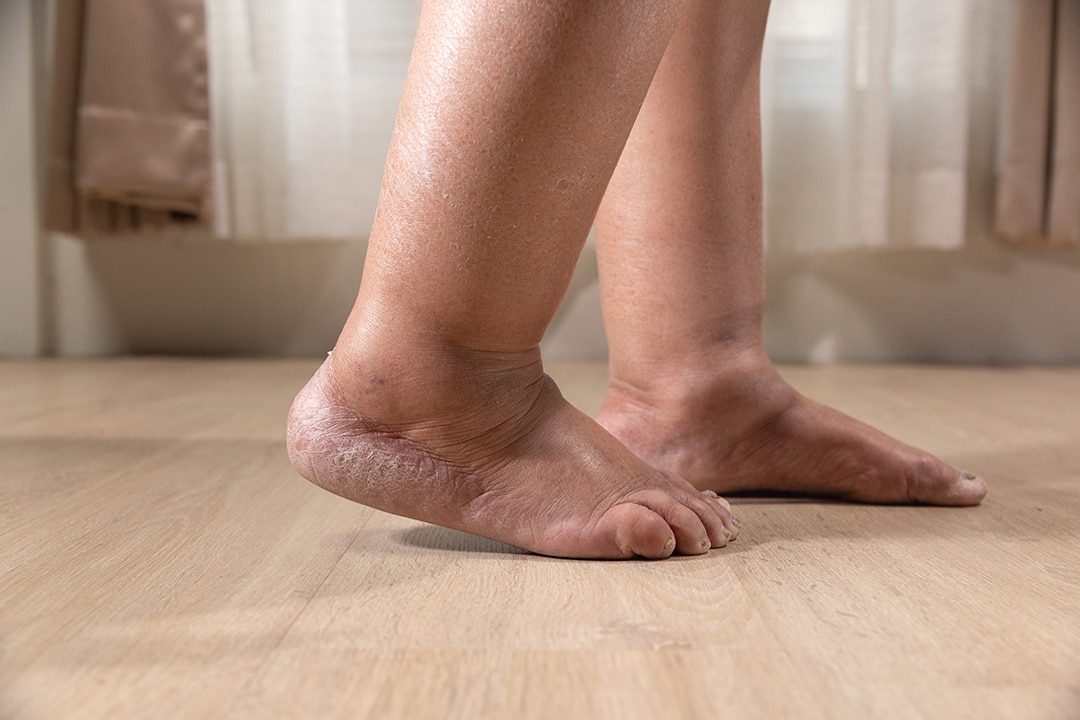
Your socks leave dents, your shoes tighten by dusk, and gravity seems to punish you daily. Doctors call it edema, but cardiologists often see a quieter crisis—heart failure, kidney dysfunction, or overloaded veins struggling to return blood upward. According to the American Heart Association, persistent leg swelling is one of the most common early clues of cardiac trouble, sometimes surfacing before breathlessness or chest pain ever do.

- 2/9
When one leg balloons suddenly—warm, tight, and aching—it’s not just inflammation. Vascular specialists warn this asymmetric swelling can signal deep vein thrombosis, a clot that may silently migrate toward the lungs. Emergency physicians stress that timing matters: ultrasound imaging can catch it early, but delays raise the risk of pulmonary embolism. The danger often hides in plain sight, mistaken for muscle strain or fatigue.

- 3/9
Cold feet in summer aren’t quirky—they’re suspicious. Reduced blood flow can leave toes pale, numb, or aching, especially during walking. Peripheral artery disease quietly narrows leg arteries, starving tissue of oxygen while doubling the risk of heart attack and stroke. Large population studies show many patients dismiss the chill for years, unaware that the same plaque stiffening their legs may already be threatening their heart.

- 4/9
A calf locks up at 2 a.m., pain ripping you awake, muscle knotted like steel wire. Nocturnal leg cramps are often blamed on dehydration, but epidemiological surveys link frequent episodes to kidney disease, vascular strain, and medication-driven electrolyte shifts. Researchers have noted associations with angina and disturbed sleep patterns, hinting that nighttime cramps may be distress flares from deeper circulatory stress.
- 5/9
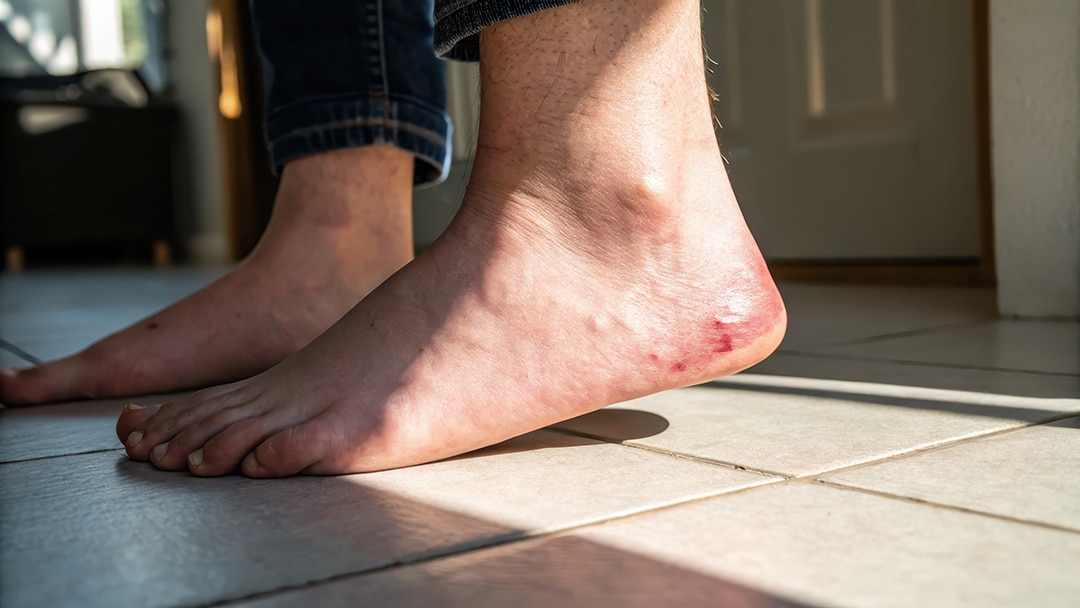
Brownish or purplish stains creep up the lower legs, skin darkening as if bruised from within. This isn’t aging—it’s venous stasis dermatitis, a sign that blood is pooling in failing veins and leaking iron pigments into tissue. Vascular studies describe it as a slow burn: discoloration first, swelling next, ulcers later. Once open sores appear, infection risk climbs sharply.
- 6/9
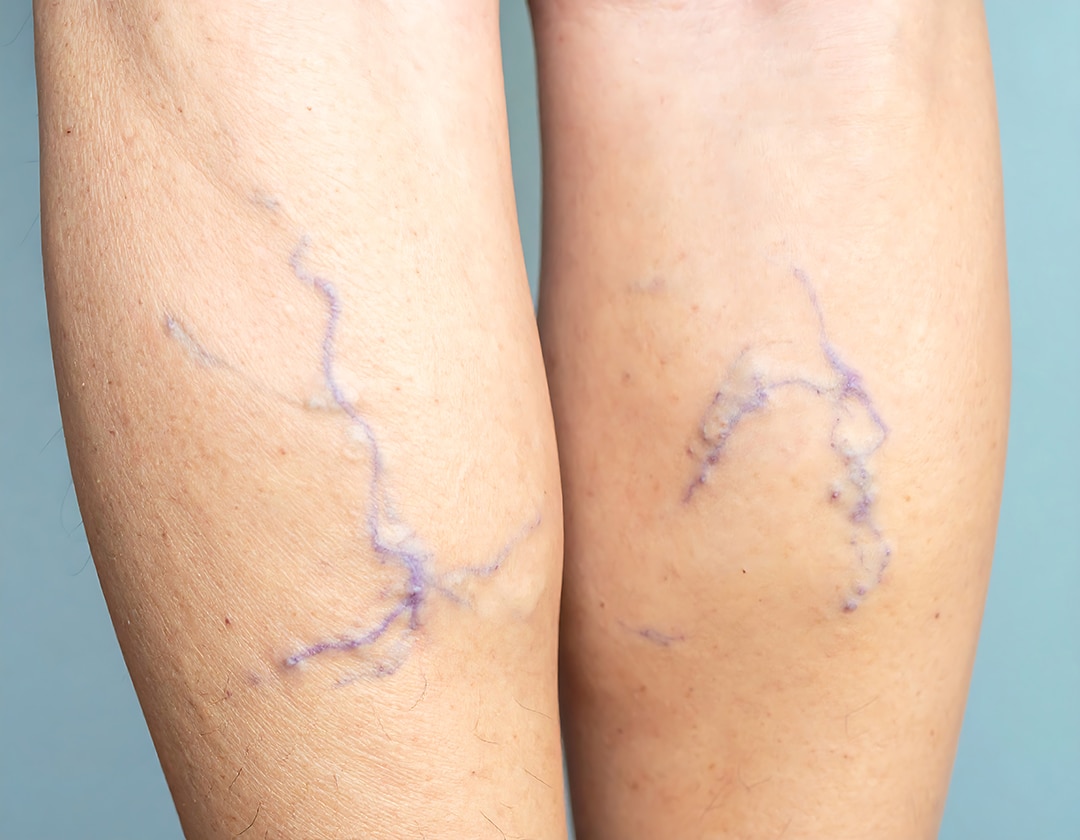
Skin that thickens, tightens, and loses its softness may be telling a vascular story. Chronic venous insufficiency can transform once-elastic tissue into fibrous, almost wooden patches as inflammation smolders beneath the surface. Specialists warn this stage often precedes non-healing wounds. Compression therapy can help early—but delayed care allows damage to calcify into permanence.
- 7/9
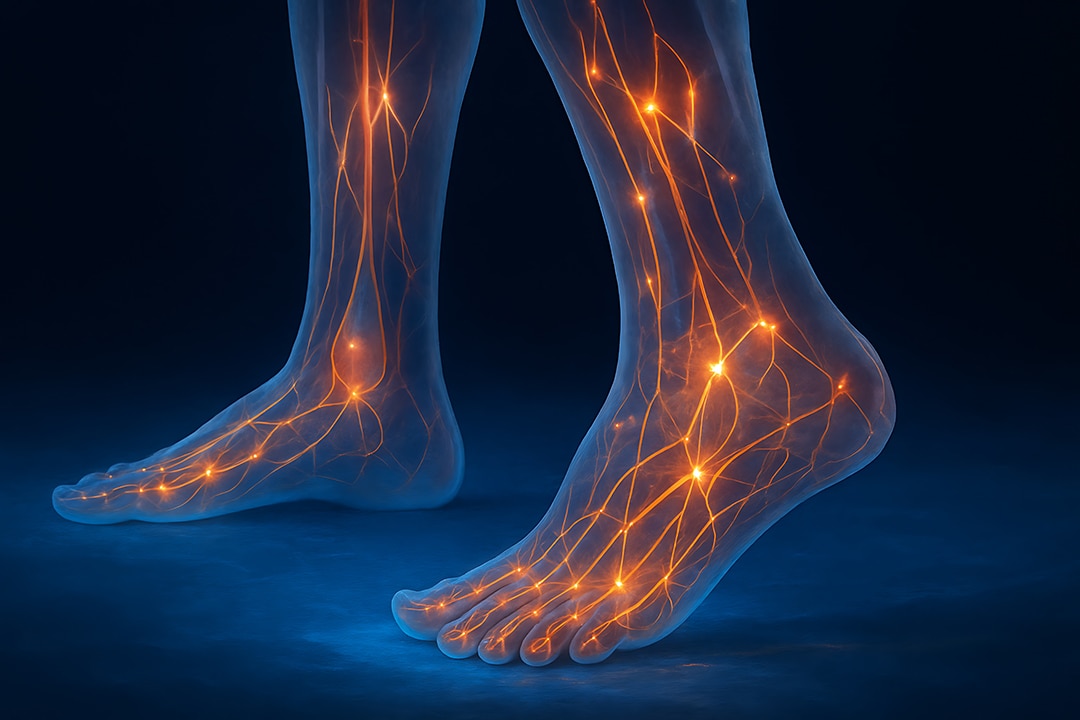
Pins-and-needles sensations crawl through the feet, intensifying at night, humming like low-grade electricity. Neurologists call it peripheral neuropathy, often tied to diabetes or oxygen-starved nerves from narrowed arteries. Large studies show leg numbness correlates with higher cardiovascular risk—even without pain—making tingling not just a nerve issue, but a vascular warning siren.

- 8/9
When tingling flares specifically during walking, clinicians pay attention. Exertion-triggered numbness can point to arterial blockages or, in rarer cases, spinal compression limiting nerve signals. Vascular testing often reveals reduced ankle-brachial pressure, a metric cardiologists use to flag systemic artery disease. The legs, under stress, reveal what the body hides at rest.

- 9/9
Heavy, restless legs that disrupt sleep may look harmless, but researchers note links to kidney disease, anemia, and circulation disorders. Nighttime symptoms worsen as blood flow slows and nerves misfire, raising fall risk and masking early ulcer formation. Doctors caution that when leg discomfort consistently hijacks sleep, it’s rarely just fatigue—it’s physiology asking for attention.