
From tiger to pangolin: Inside the Aravallis’ hidden wildlife kingdom
Older than the Himalayas, the Aravallis shelter leopards, tigers, pangolins and more. Explore the hidden wildlife network that keeps this ancient mountain range alive.
- Dec 23, 2025,
- Updated Dec 23, 2025 5:08 PM IST
- 1/9
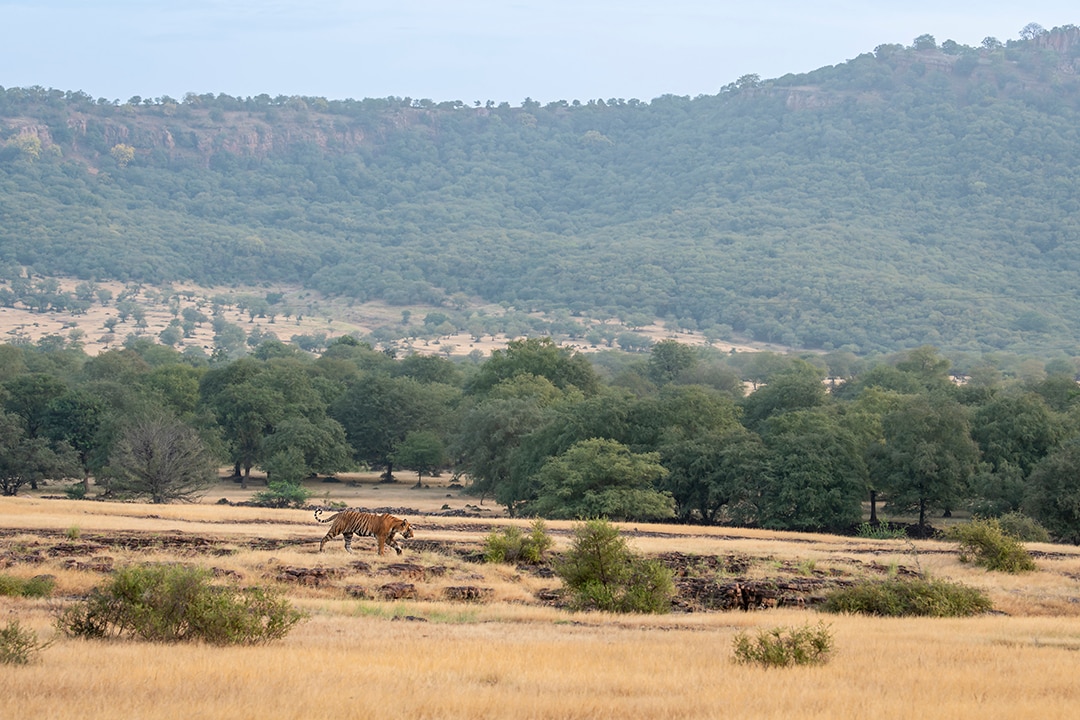
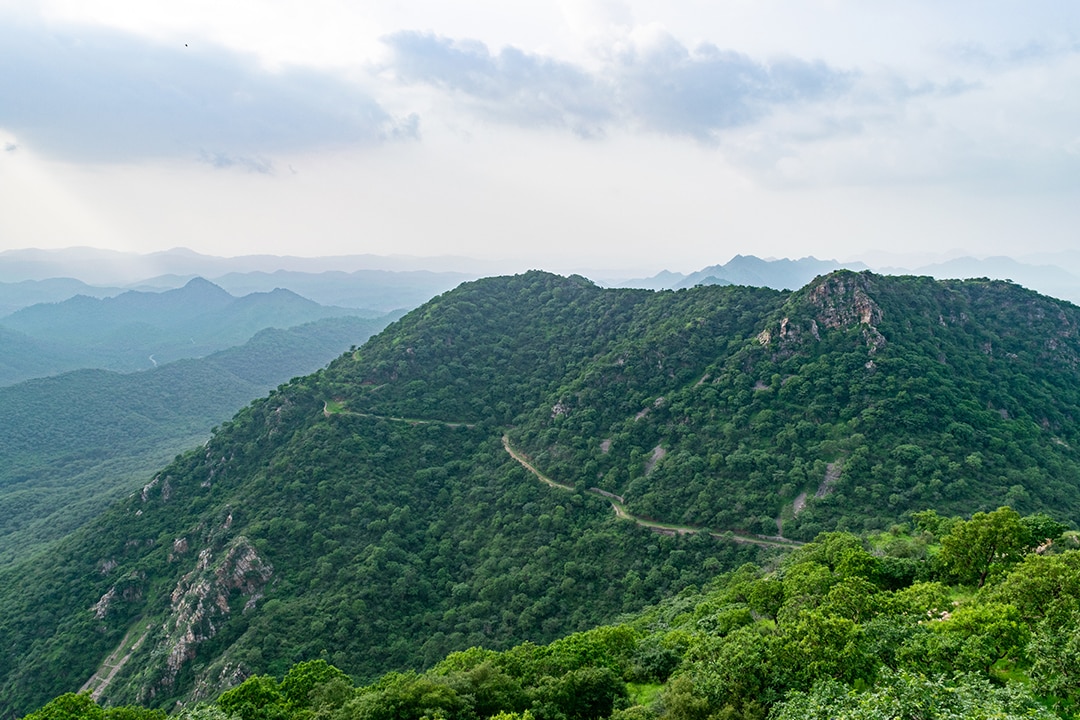
Older than the Himalayas, the Aravallis rise quietly through western India, sheltering life that has survived climate shifts and human pressure. Conservationists call the range a forgotten ark, where evolution, resilience, and survival still play out daily.
- 2/9
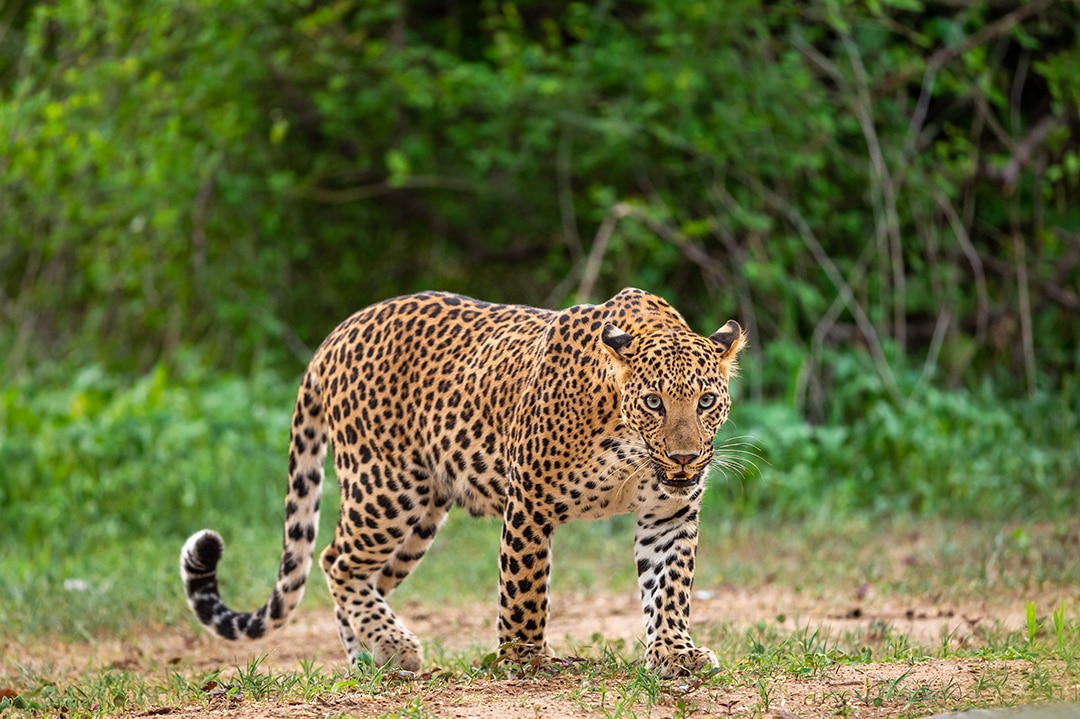
Across the Aravalli belt, leopards move like whispers at dusk. From rocky outcrops to forest edges near towns, these apex predators adapt with startling ease, keeping prey populations in check and revealing how wildlife survives beside humans.
- 3/9
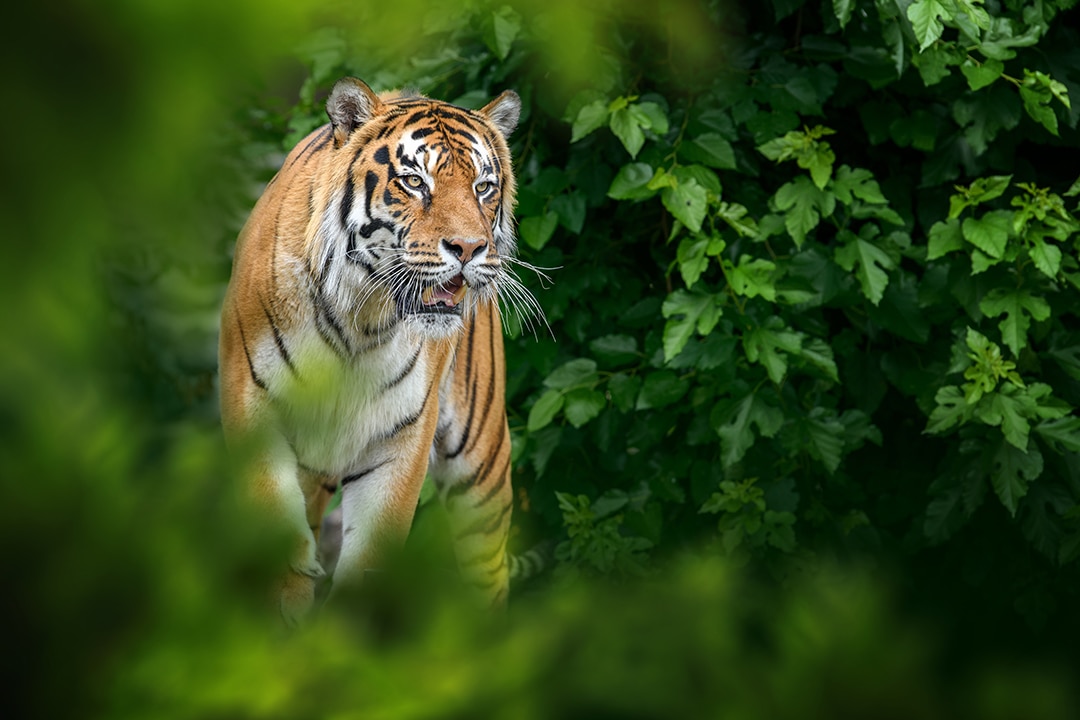
Once absent, Bengal tigers are rewriting Aravalli history. Careful reintroduction and protection efforts turned Sariska into a rare comeback story, where striped ghosts now roam again—proof that conservation can reverse even near-erasure.
- 4/9
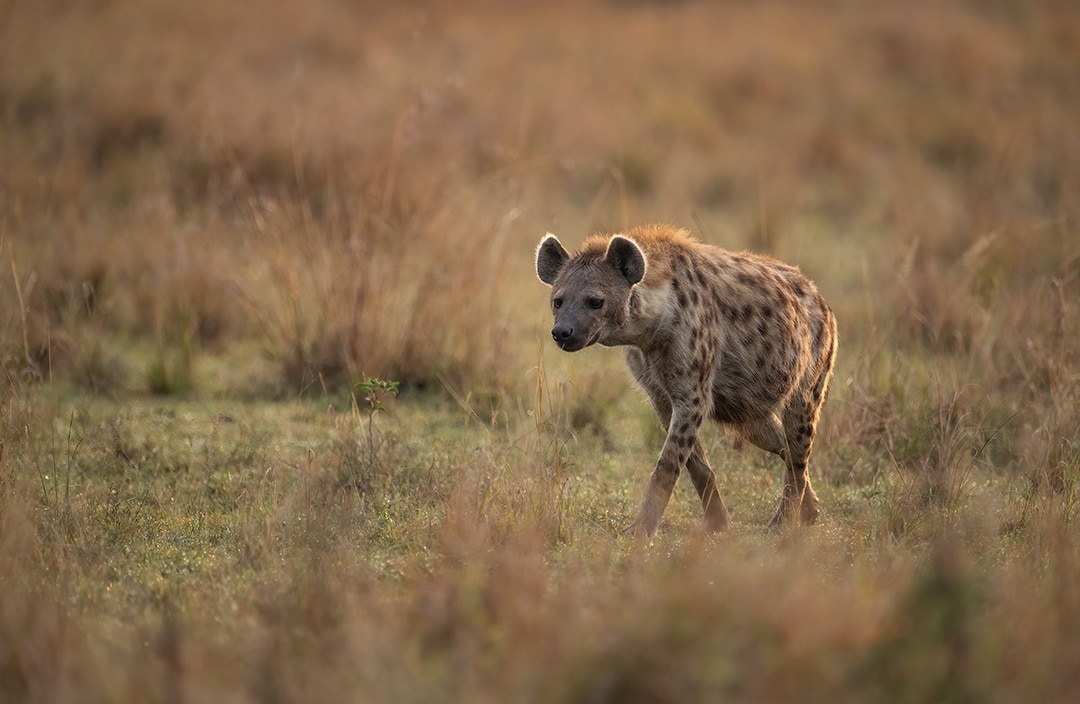
Striped hyenas rarely seek the spotlight, but ecologists call them ecosystem janitors. By scavenging carcasses in scrub forests, they reduce disease spread, quietly protecting both wildlife and nearby villages from invisible threats.
- 5/9
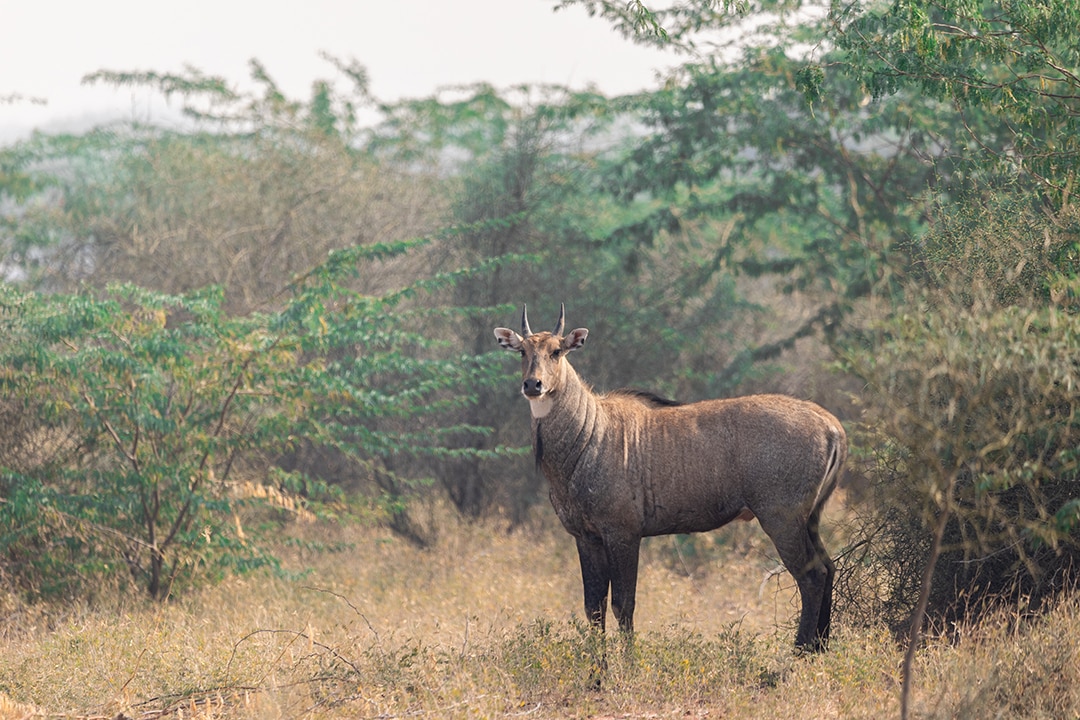
At dawn and dusk, massive nilgai emerge from forest cover, their size reshaping the food web. As Asia’s largest antelope, they fuel predator survival while shaping vegetation—an unsung force behind Aravalli balance.
- 6/9
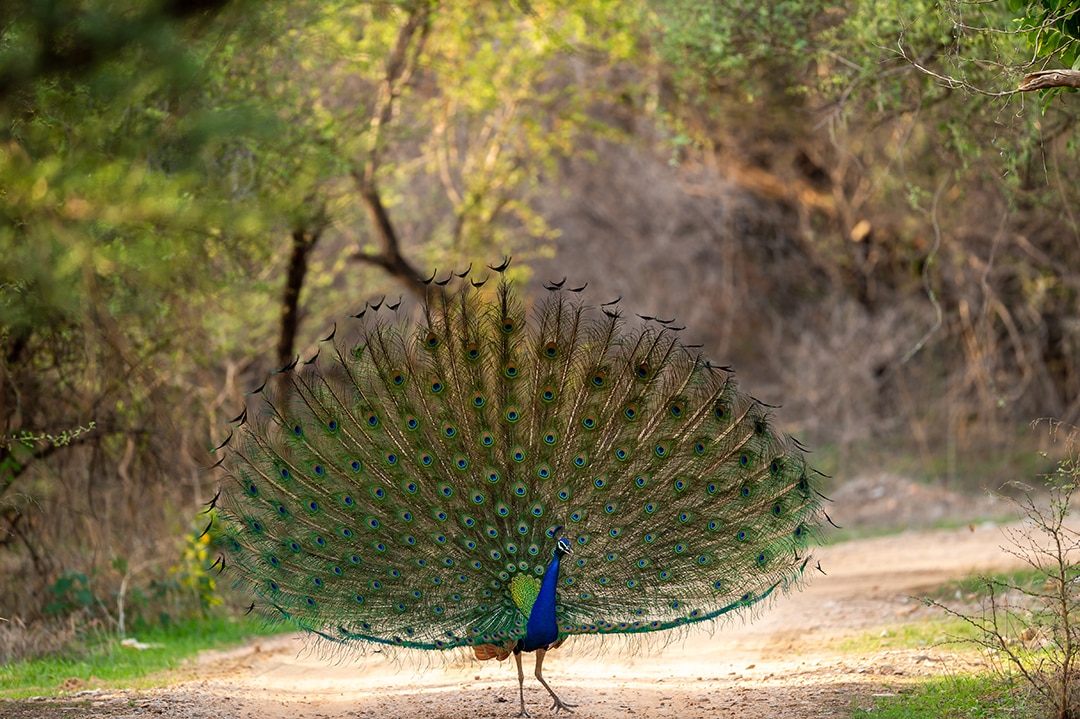
Few sights rival a peafowl unfurling its jeweled tail against Aravalli greens. Beyond beauty, these birds signal healthy ecosystems, thriving in forests and farmlands alike, blurring the line between wild and human worlds.
- 7/9
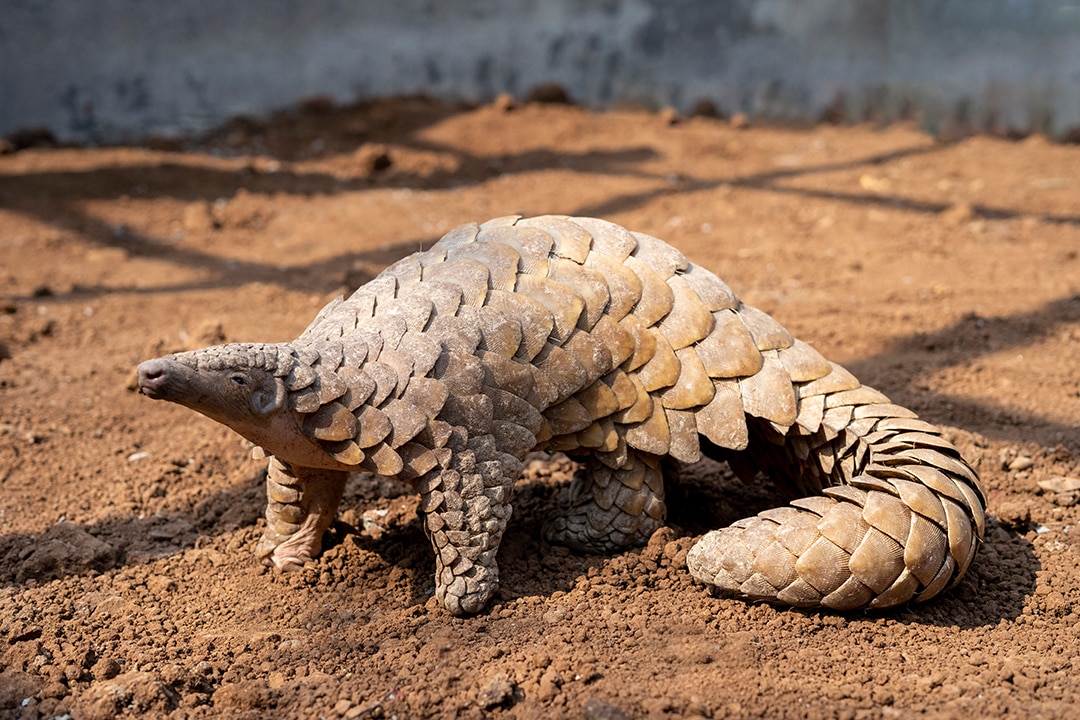
The Indian pangolin moves under moonlight, armored in keratin scales and hunted by illegal trade. Its presence in the Aravallis signals fragile hope, as conservationists race to protect one of India’s most endangered mammals.
- 8/9
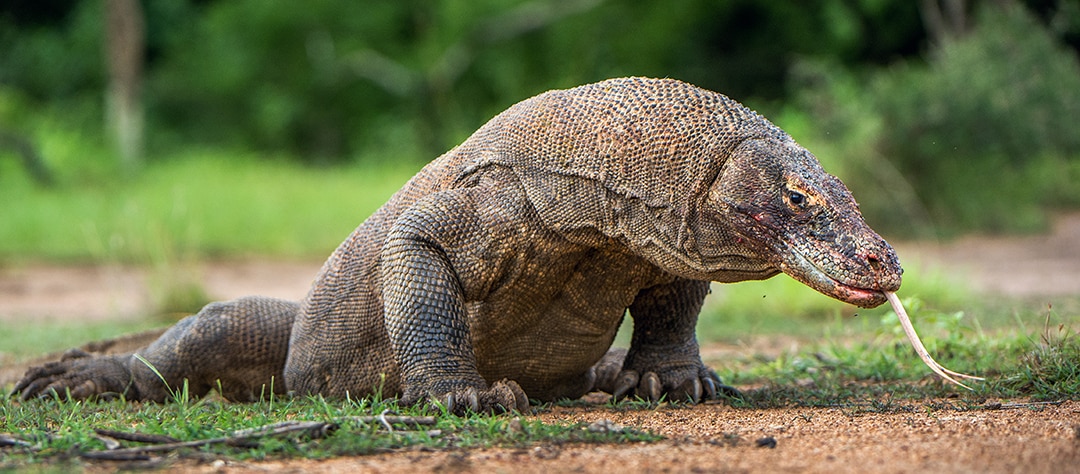
Monitor lizards patrol ponds and rocky slopes, ancient hunters with forked tongues. Feeding on insects, ants, and small animals, they quietly regulate populations—proof that even overlooked reptiles anchor ecological stability.
- 9/9
Together, these species form an intricate web stretched across Gujarat, Rajasthan, Haryana, and Delhi. Scientists warn that damaging the Aravallis risks unraveling this network, turning a living mountain range into a silent one.