
Frozen Most of the Year: Inside the fragile magic of Chandratal
Frozen most of the year, Chandratal’s crescent waters glow under moonlight, shifting blues with the sun. High in Spiti, this fragile lake blends science, myth, silence, and solitude.
- Jan 19, 2026,
- Updated Jan 19, 2026 1:11 PM IST
- 1/9
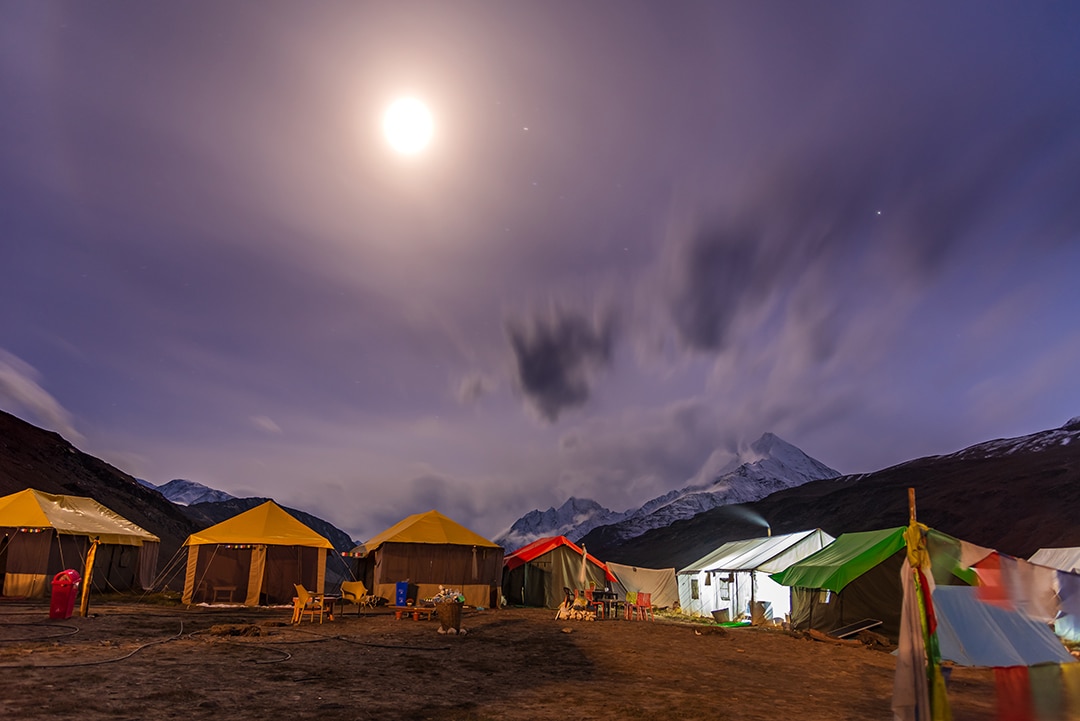
Lunar Illusion
High above the world, Chandratal Lake curves like a silver sickle cut into the earth. Trekkers swear it doesn’t just reflect the moon—it communes with it. Scientists explain the illusion through altitude, light scatter, and mineral-rich waters, but standing there at night, logic feels smaller than the sky.
- 2/9
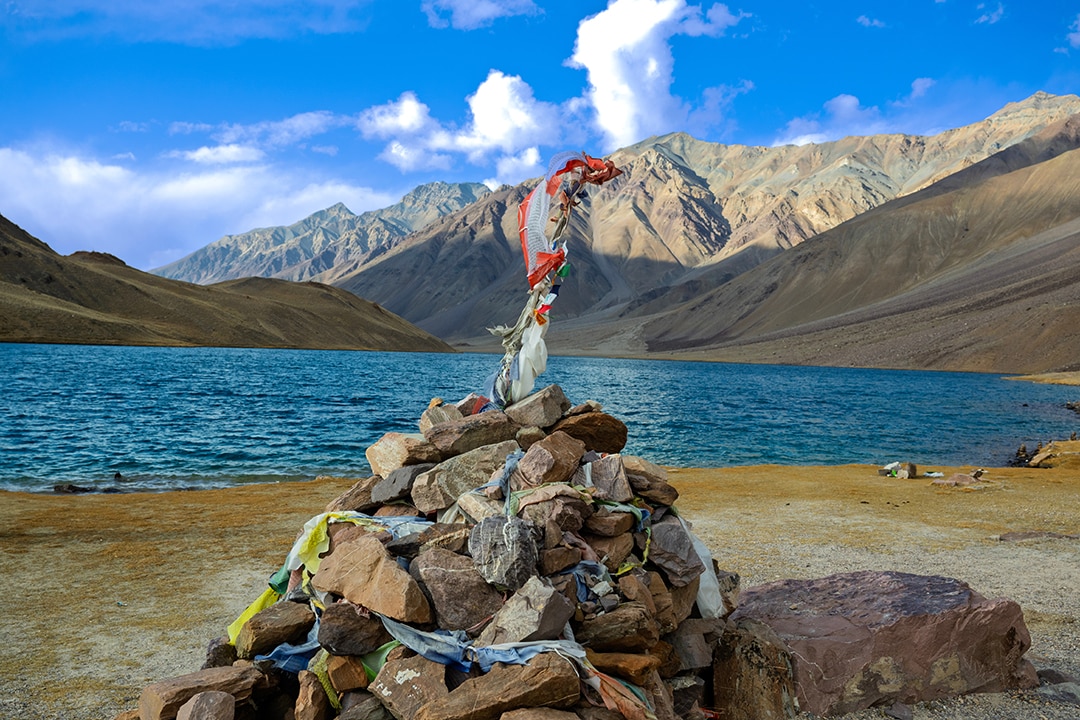
Frozen Silence
At over 4,300 meters, sound itself seems to thin out. Researchers studying high-altitude ecosystems note how extreme cold preserves landscapes almost unnaturally. Around Chandratal, that preservation feels emotional too—no engines, no voices—just wind scraping rock, as if the land is holding its breath.
- 3/9
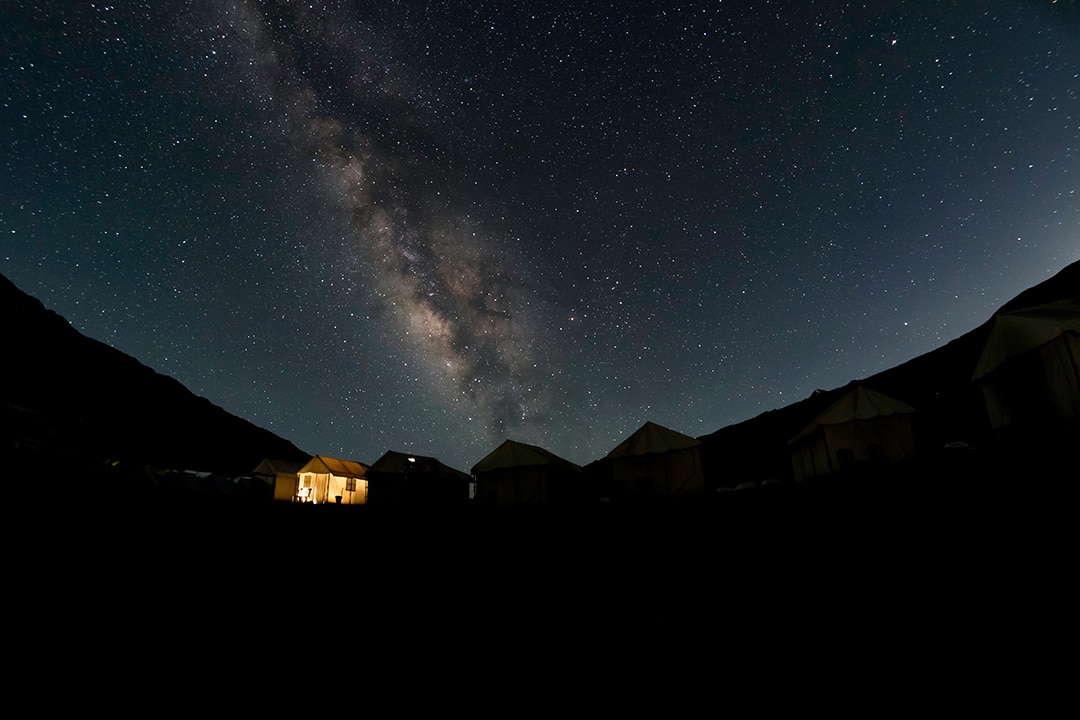
Crescent Geometry
From a distance, the lake’s unmistakable crescent shape snaps into view, mirroring the lunar arc overhead. Geologists attribute this to glacial carving over millennia, but locals see intention, not accident—a reminder that nature sometimes shapes symbols before humans assign meaning.
- 4/9
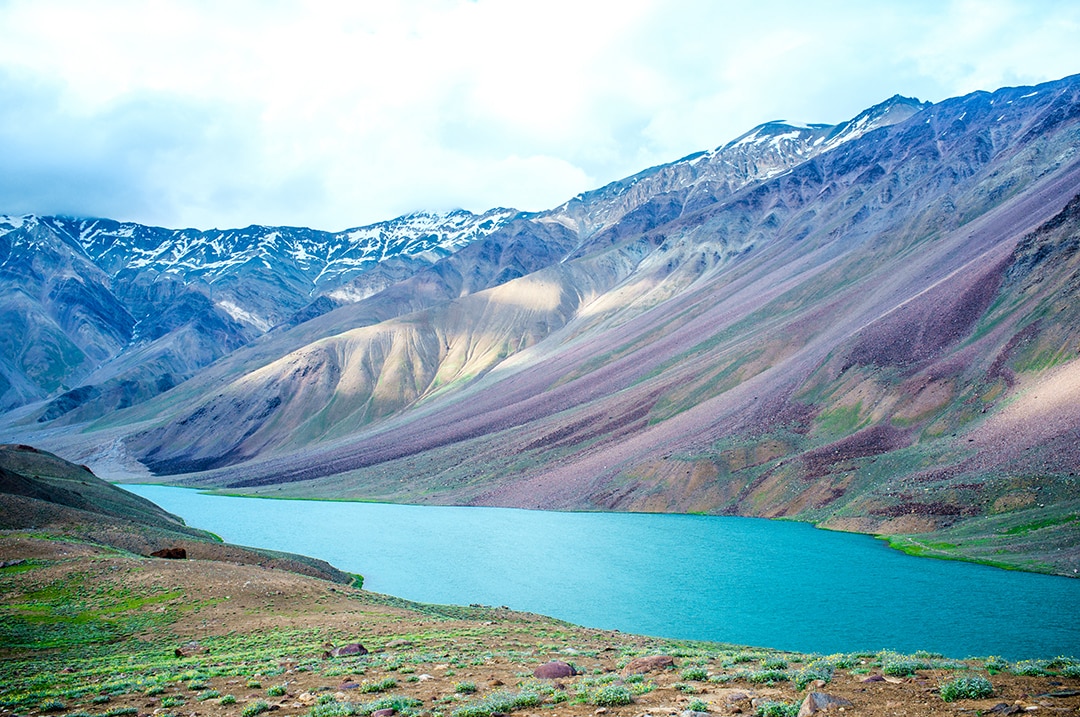
Blue Alchemy
Throughout the day, the water shifts from pale turquoise to deep sapphire. Optical physicists link this to sunlight angle and suspended particles, yet photographers chase it obsessively, knowing no two hours look alike. It’s a lake that refuses to settle on a single identity.
- 5/9
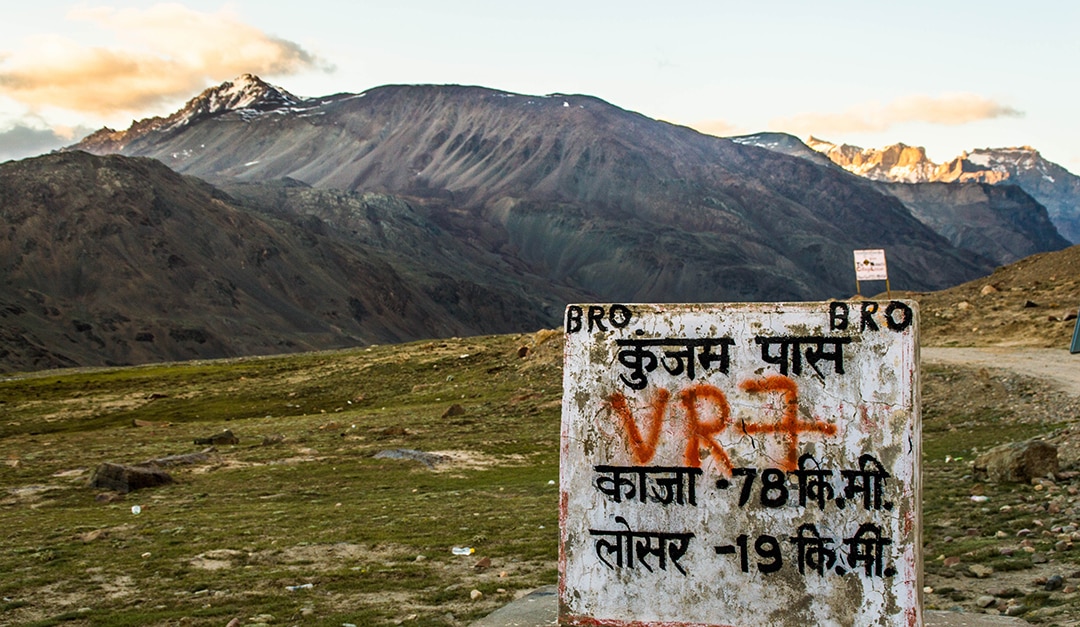
Barren Drama Encircled by stark mountains near Kunzum Pass, the terrain looks less Himalayan, more extraterrestrial. Sparse vegetation and raw rock echo images from lunar missions, prompting scientists and storytellers alike to compare Spiti’s cold desert to the moon’s own scarred skin.
- 6/9
Sacred Geography
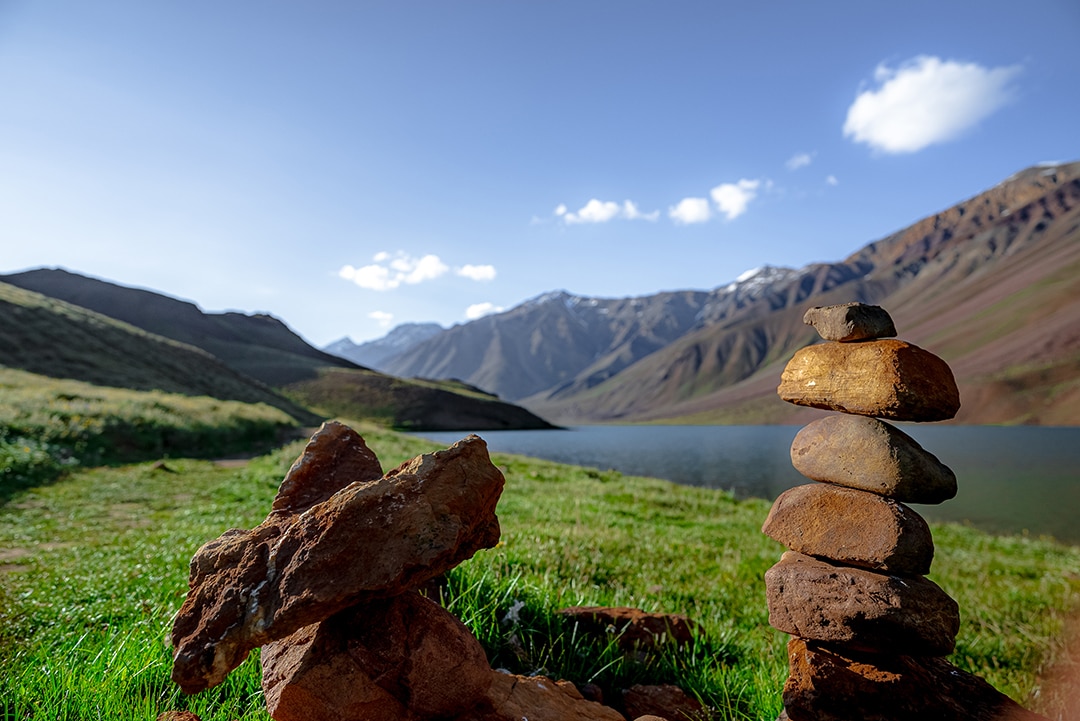
Ancient Hindu legends quietly orbit the lake, linking it to celestial journeys and divine pauses. Anthropologists note how remote landscapes often become spiritual anchors, and Chandratal fits the pattern—a place where myth clings tightly because nothing modern has pushed it away.
- 7/9
Seasonal Gateway
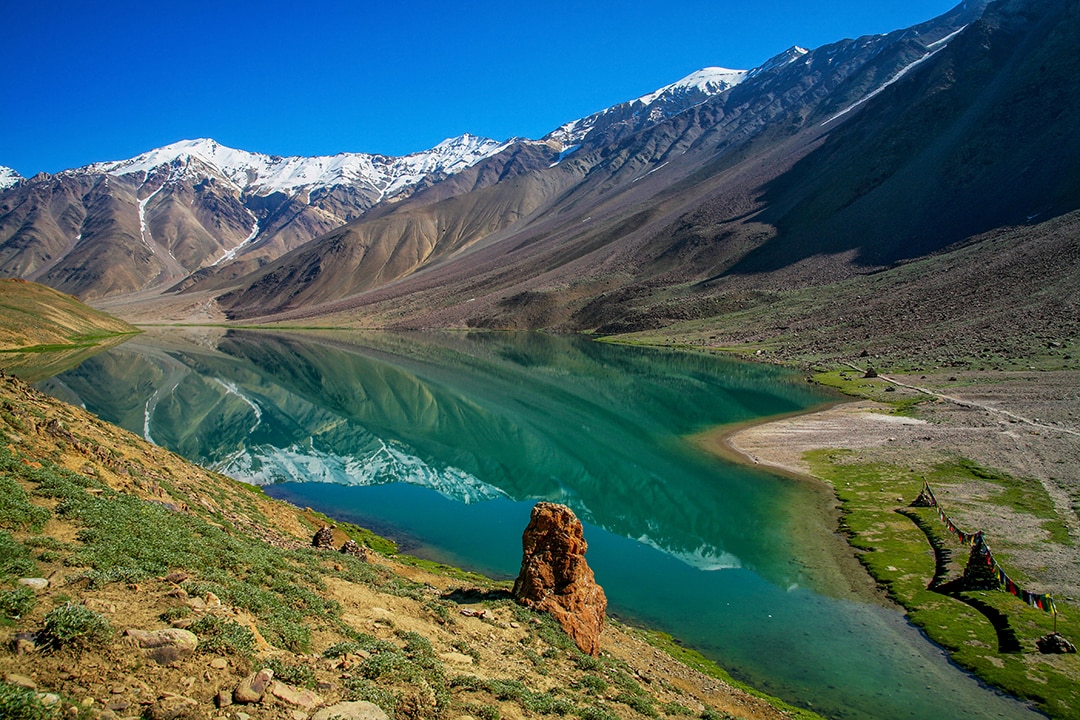
For most of the year, ice seals the lake off completely. Only between June and September does nature allow entry. Climate researchers monitoring Himalayan melt patterns warn this window is fragile—shorter seasons could soon make Chandratal even more elusive.
- 8/9
Untouched Refuge
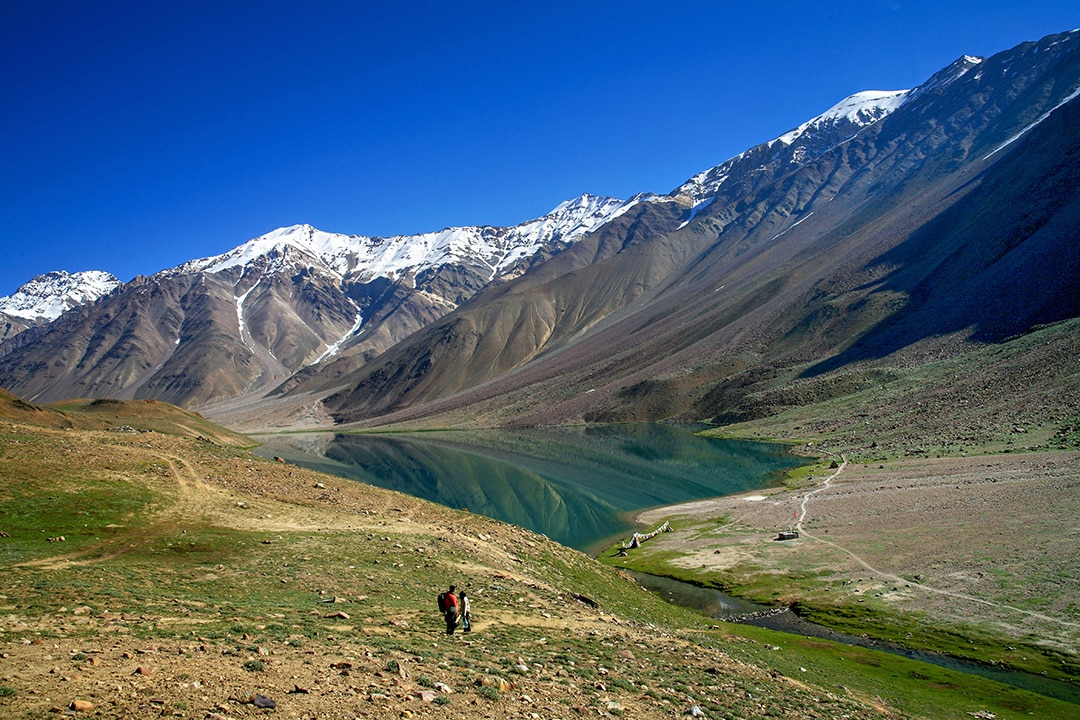
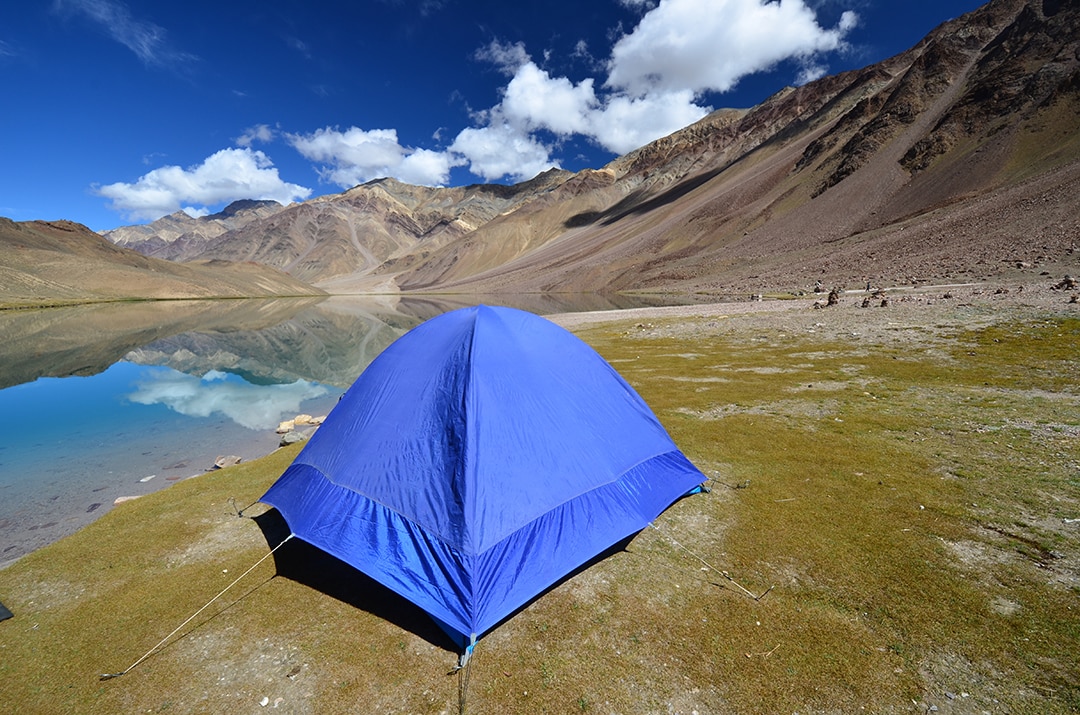
No villages ring the shore. No markets buzz nearby. Environmentalists point to Chandratal as a rare case study in minimal human impact, where strict access limits have preserved water purity and fragile alpine life, keeping the lake closer to its original state than most tourist icons.
- 9/9
Reflective Pilgrimage
Visitors often arrive chasing scenery and leave carrying silence. Psychologists studying nature immersion suggest high-altitude solitude triggers deep introspection. Chandratal isn’t just a destination—it’s a mental reset, where the landscape quietly turns the observer inward.