
Himalayan Odds: Why January 2026 May Be India’s Safest Snow Bet
Why January 2026 could be India’s safest snow bet—experts, altitude data, and Himalayan weather patterns reveal where snowfall turns reliable, dramatic, and tourism-defining.
- Dec 30, 2025,
- Updated Dec 30, 2025 5:01 PM IST
- 1/9
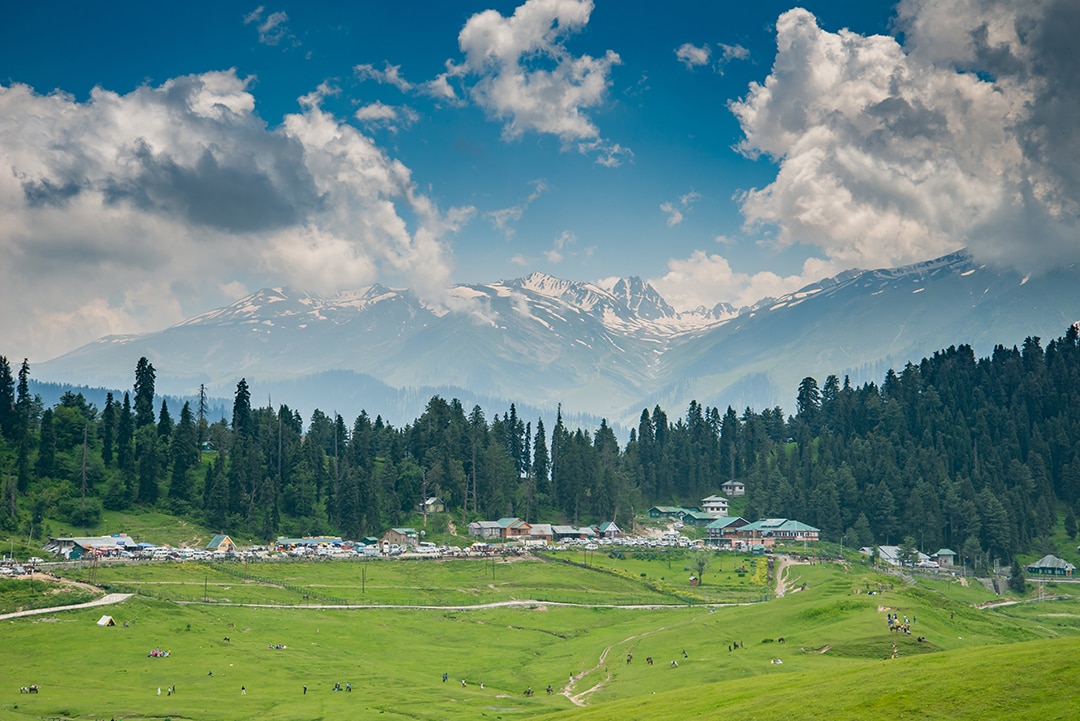
At 2,650 metres, Gulmarg doesn’t just receive snow—it negotiates power with it. January storms routinely shut roads, reroute flights, and dump metres of powder that avalanche experts and ski guides quietly celebrate. Meteorological data from Kashmir’s weather stations shows January as the snowiest window, turning tourism into a high-stakes winter economy.
- 2/9
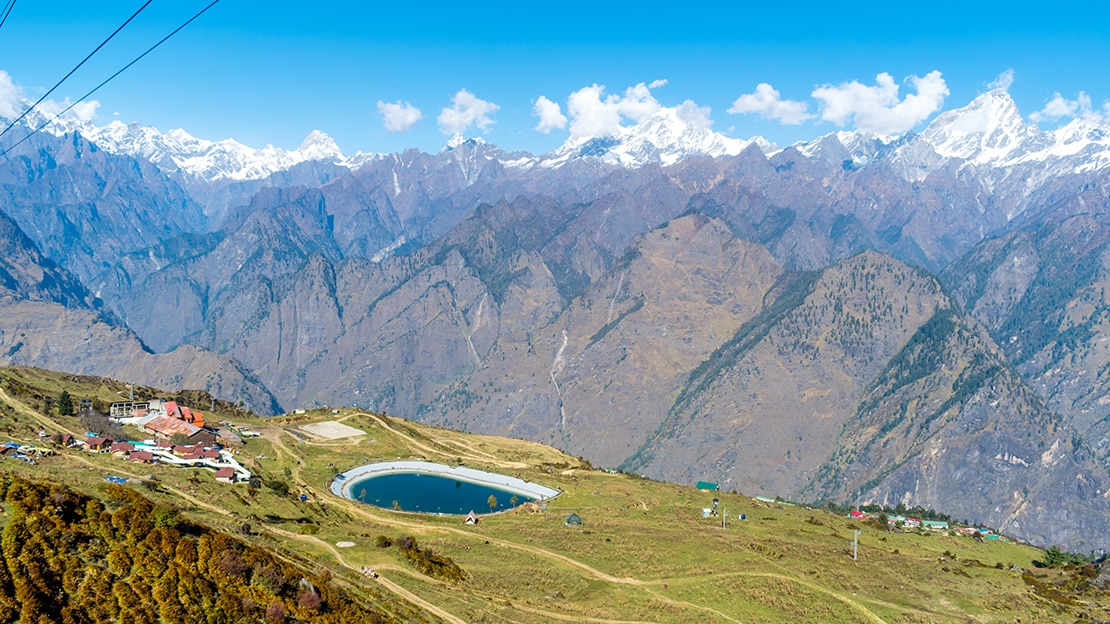
In Auli, January snow isn’t decorative—it’s engineered destiny. Sitting near 2,800 metres, Auli’s slopes are studied by winter sports authorities for their gradient, wind patterns, and snow retention. Trainers from national ski federations quietly admit: if India ever becomes a serious skiing nation, it starts on these frozen Garhwal ridges.
- 3/9
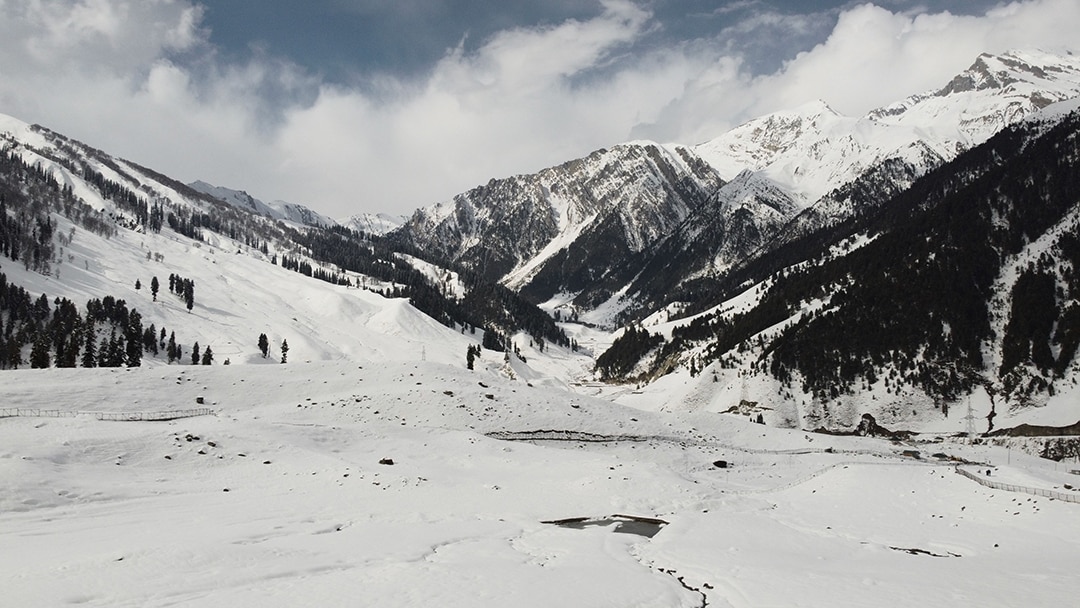
January transforms Sonamarg and Pahalgam into hushed snow theatres. Pine forests creak under fresh weight, rivers freeze mid-thought, and tourist noise fades. Travel researchers often note that snowfall here coincides with lower footfall—creating rare, undisturbed Himalayan winter landscapes few Instagram feeds ever show.
- 4/9
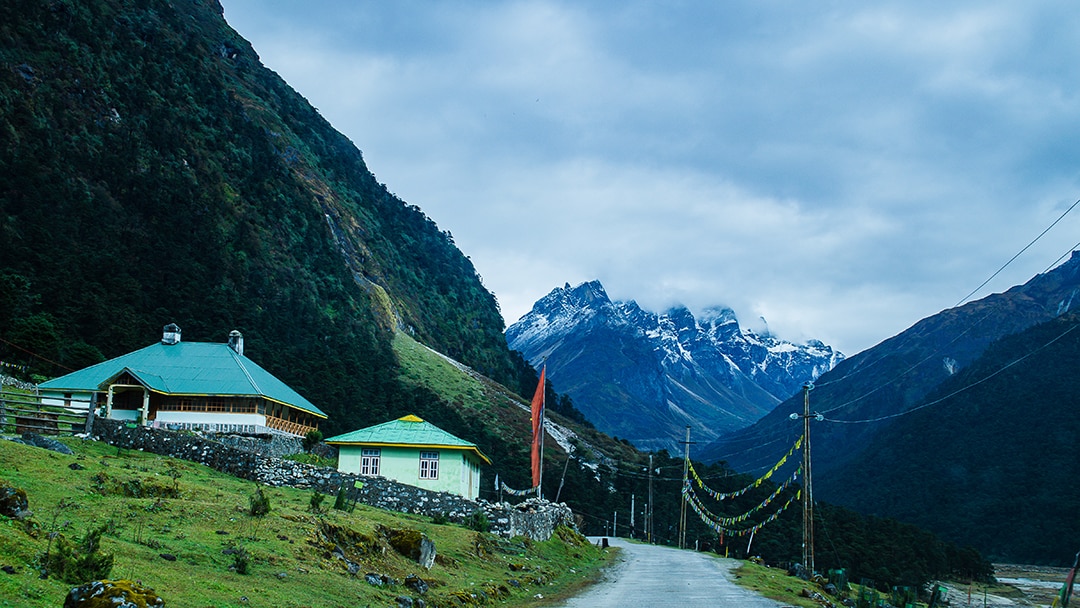
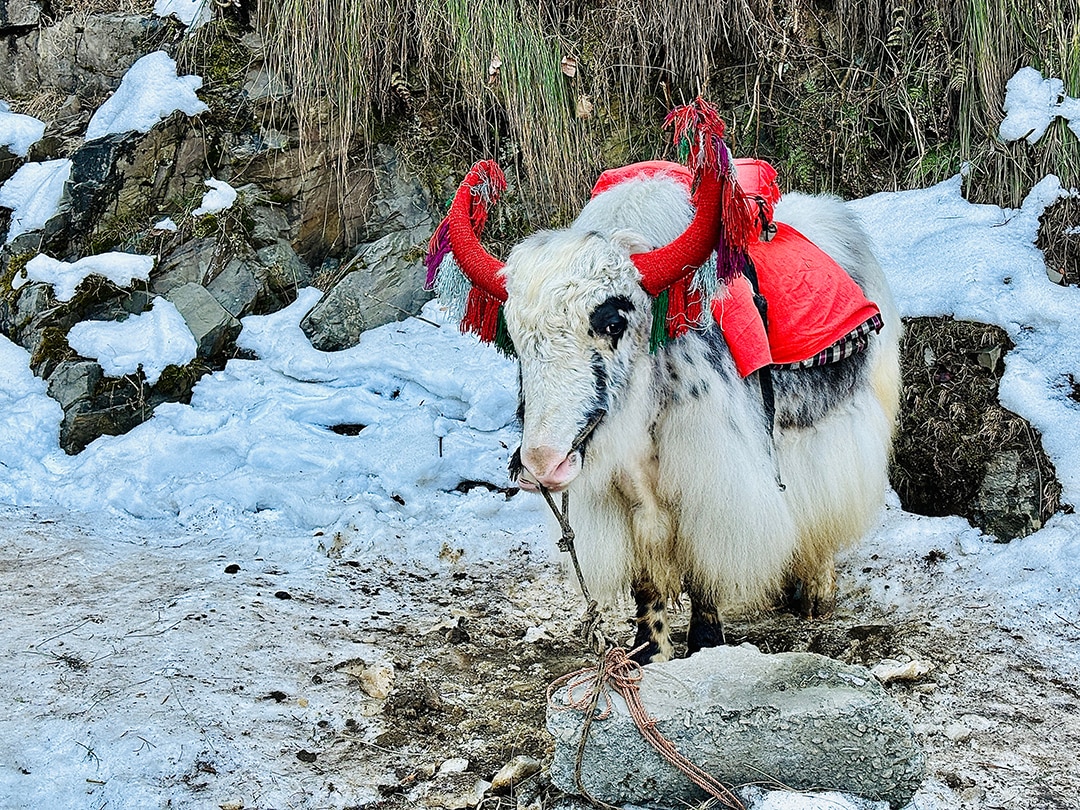
High-altitude isolation defines Lachung and Yumthang Valley in January. Above 3,000 metres, snowfall is frequent enough to shut passes for days. Local experts say this seasonal isolation preserves fragile ecosystems—turning the famous “Valley of Flowers” into a white biosphere experiment few outsiders witness.
- 5/9
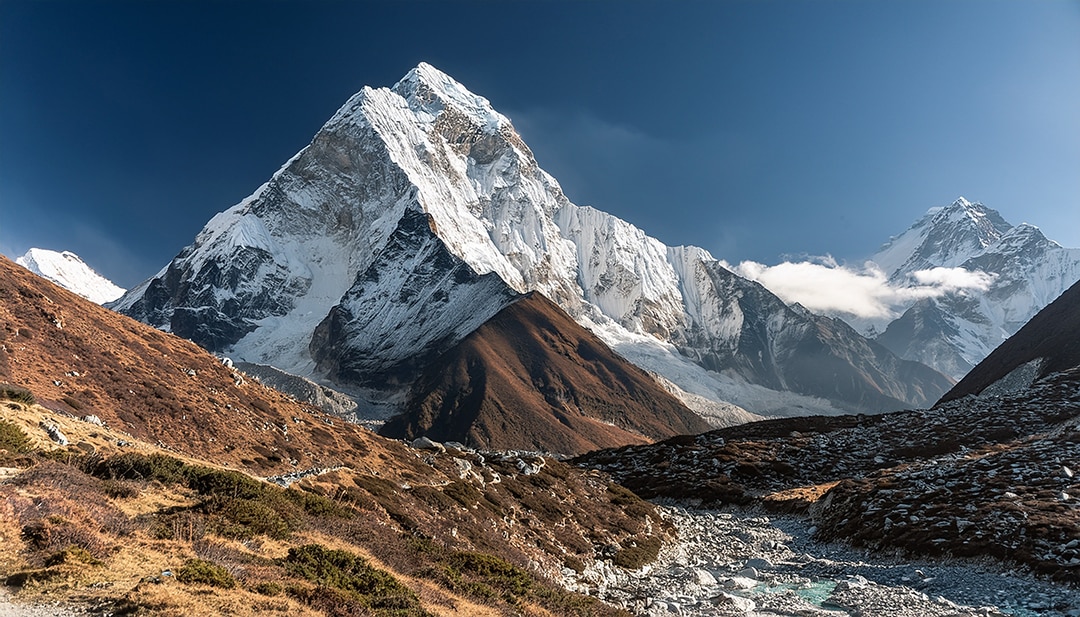
Near Shimla, Kufri has quietly built a reputation on one thing: showing up with snow. Himachal meteorological trends consistently rank January as Kufri’s safest bet for snowfall. Families arrive skeptical, leave snow-covered, and local operators plan entire winter economies around that dependable cold snap.
- 6/9
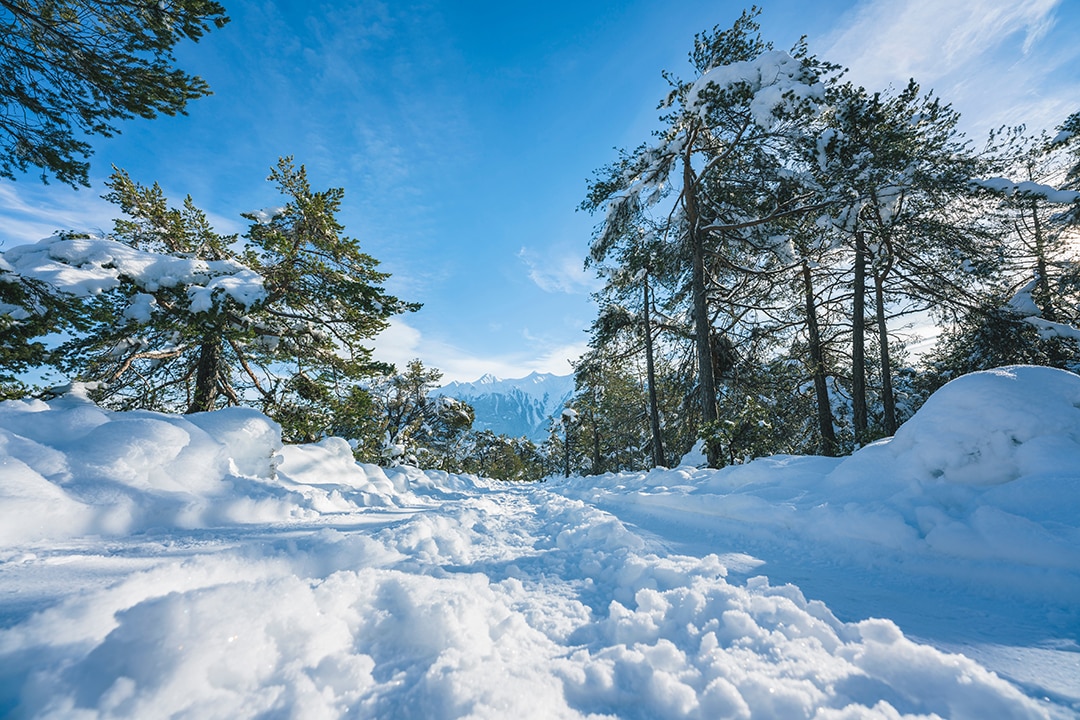
Across these destinations, one number keeps repeating—2,500 metres and above. Climate scientists studying the Himalayas note that January temperatures at these elevations reliably dip low enough for sustained snowfall, even in unpredictable winters. Snow here isn’t luck; it’s altitude physics playing out across mountain corridors.
- 7/9
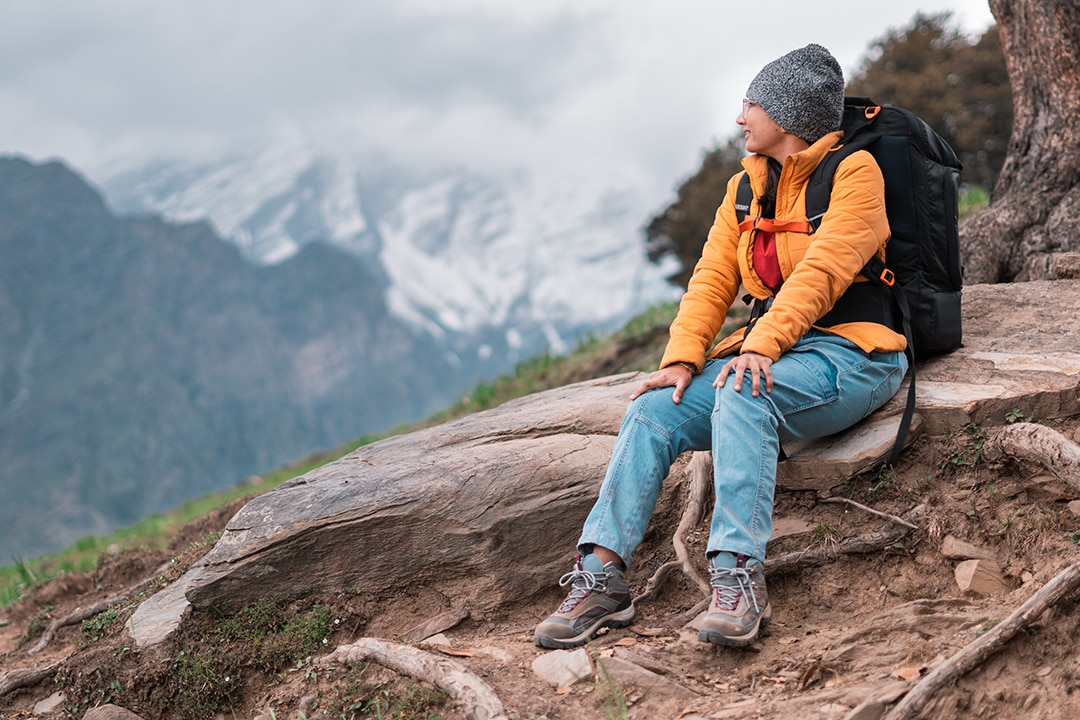
There’s no such thing as guaranteed snow, say forecasters—but January comes close. Long-term IMD observations show peak western disturbance activity during this month, pushing moisture-heavy systems into North India. Travelers betting on January aren’t gambling blindly; they’re following decades of atmospheric patterns.
- 8/9
Heavy snowfall thrills tourists but strains infrastructure. Roads close, gondolas pause, and supplies thin out. Yet tourism boards quietly prefer January: fewer crowds, higher spend, and dramatic visuals. Snow becomes both asset and obstacle, shaping how these regions market winter without promising certainty.
- 9/9
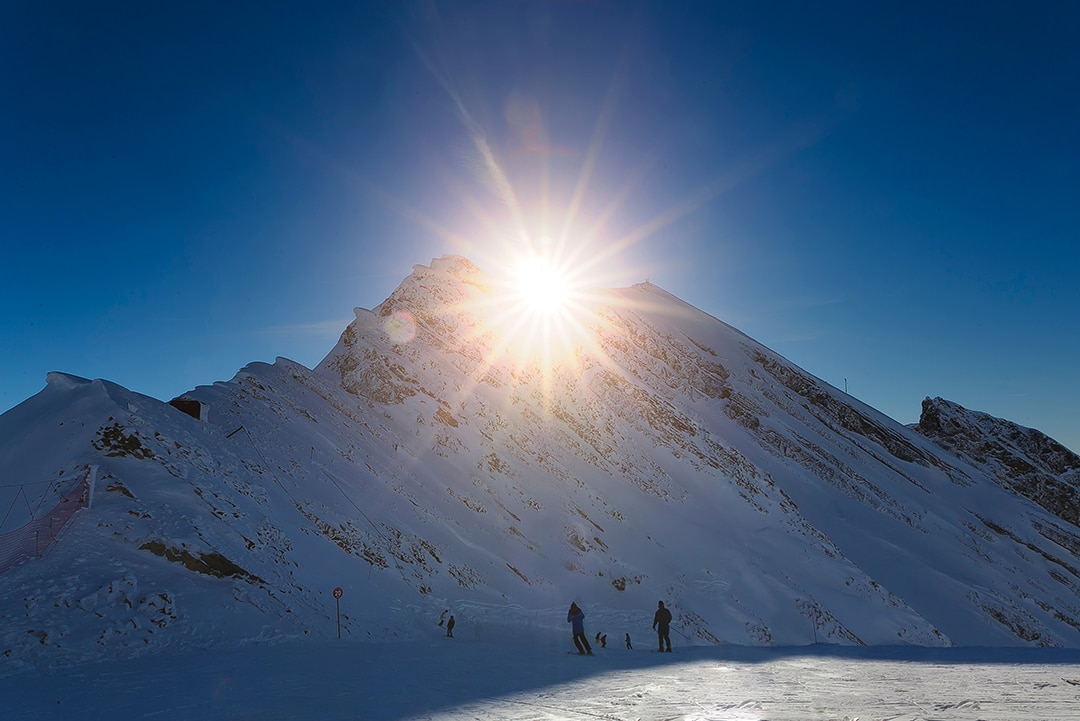
When January snowfall settles, the Himalayas don’t just turn white—they glitter. Sunlight fractures across frozen meadows, snow crystals crunch like glass, and entire valleys resemble crushed diamonds. Environmental photographers often argue this short window produces India’s most visually arresting landscapes—fleeting, fragile, and fiercely seasonal.