
Inside Dhikala — The Forbidden Grasslands Everyone Wants to See
Inside Dhikala, Corbett’s most restricted zone, open grasslands, tiger trails, elephant herds and river corridors collide—creating India’s most coveted, cinematic wildlife safari.
- Jan 27, 2026,
- Updated Jan 27, 2026 12:05 PM IST
- 1/9
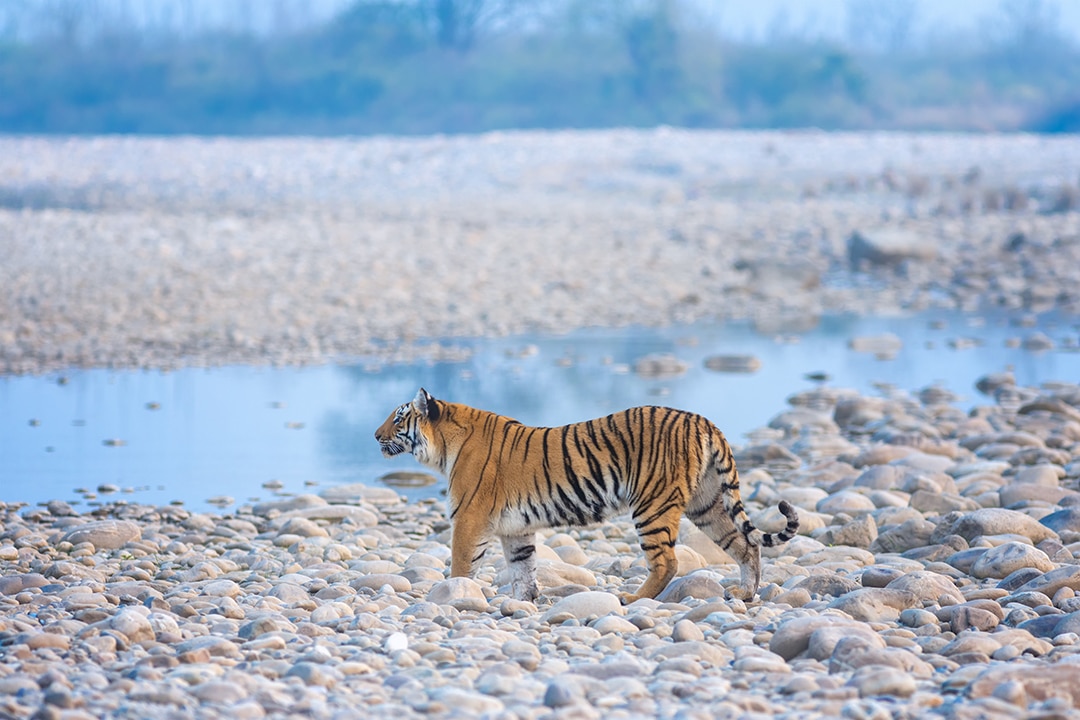
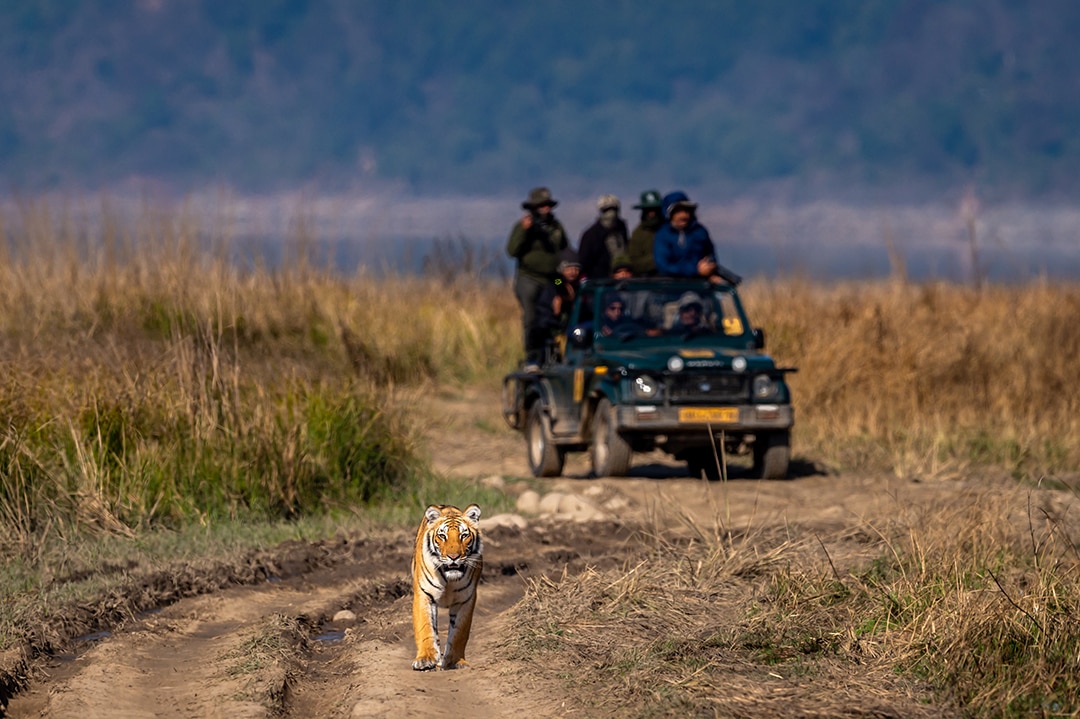
Tiger Theatre
In Dhikala, the forest doesn’t whisper — it holds its breath. Vast chaurs and exposed riverbeds turn tiger movement into tense, visible drama, where every rustle feels like a countdown. Forest officials and long-time guides quietly admit this zone logs Corbett’s most consistent big-cat encounters, year after year.
- 2/9
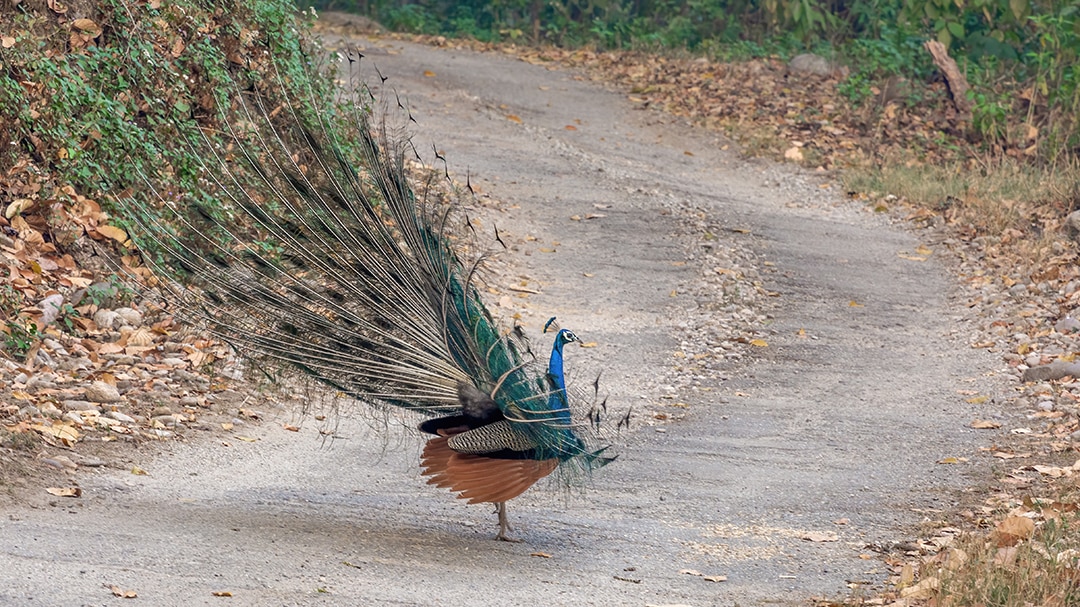
Open Horizons
Unlike the claustrophobic sal forests elsewhere, Dhikala opens wide like a savanna. Sunlight floods endless grasslands around the Ramganga, giving visitors something rare in Indian jungles: time. Time to watch herds settle, predators stalk, and wildlife stories unfold without vanishing in seconds.
- 3/9
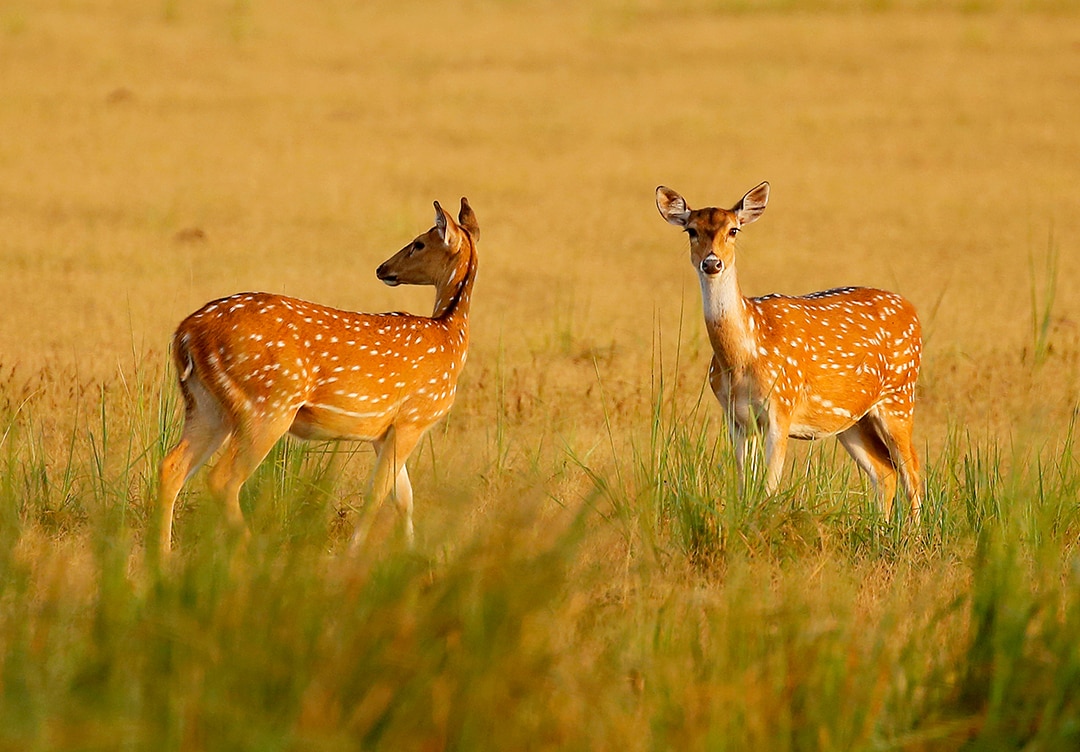
Prey Abundance
Ecologists point to Dhikala’s unusually high prey density as the engine behind its fame. Spotted deer, sambar, hog deer and wild boar thrive here in visible numbers, creating a living buffet that sustains apex predators — and keeps safari jeeps frozen in anticipation.
- 4/9
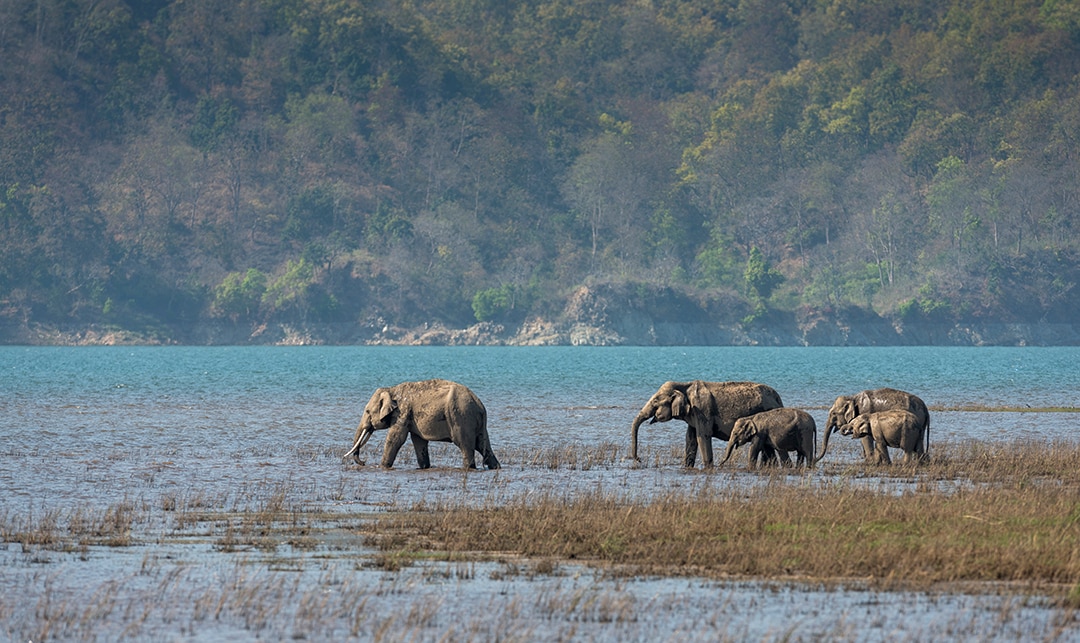
Elephant Kingdom
Few places in India offer elephant sightings like Dhikala. Entire herds emerge from forest cover, calves wobbling behind matriarchs, often crossing open river channels in broad daylight. Researchers studying elephant behavior frequently cite Dhikala as a rare window into natural herd dynamics.
- 5/9
River Magnetism
The pull of the Ramganga reservoir is undeniable. As summer tightens its grip, animals drift toward its banks, turning waterlines into wildlife corridors. Predators follow. Photographers wait. Nature delivers, usually when you least expect it.
- 6/9
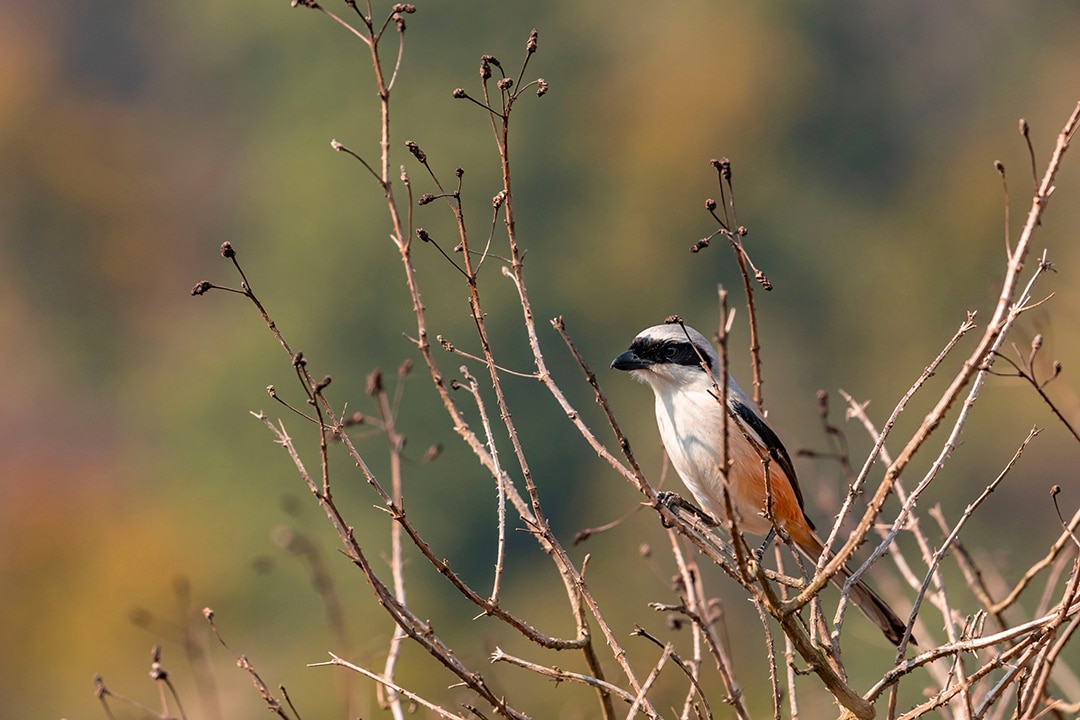
Avian Explosion
With over 300 recorded bird species, Dhikala isn’t just tiger country — it’s an aerial spectacle. Raptors spiral overhead, hornbills crash land on fig trees, and winter migrants rewrite the soundscape. Ornithologists call it one of northern India’s most compressed biodiversity zones.
- 7/9
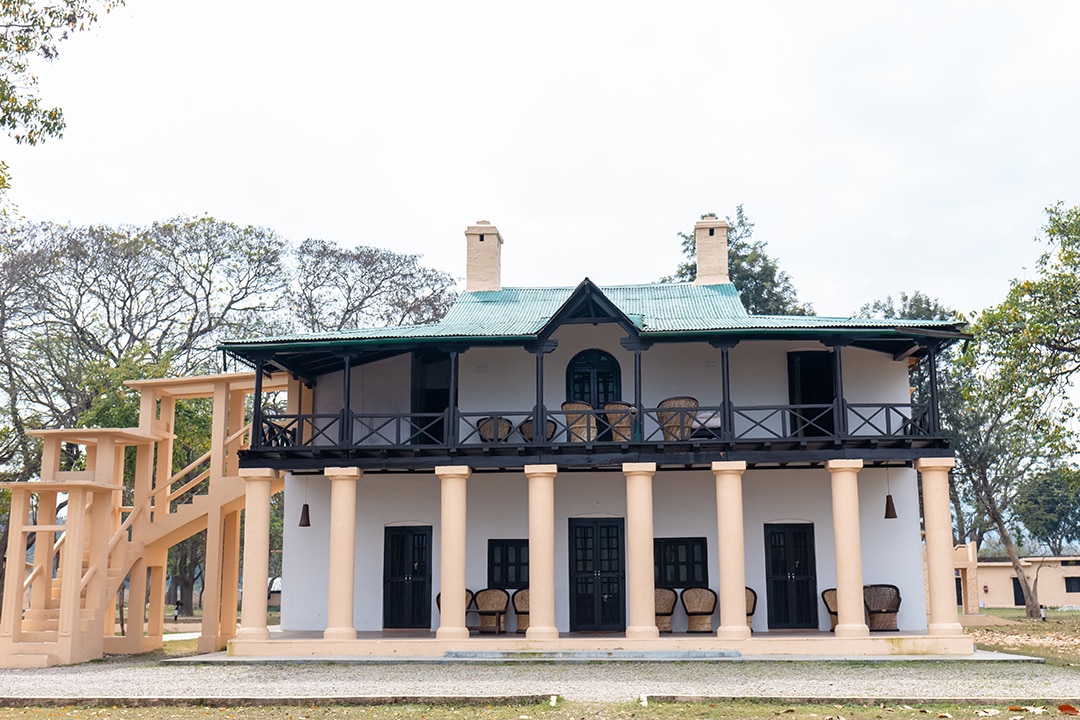
Night Immersion
Staying at the Dhikala Forest Rest House means surrendering your nights to the jungle. Alarm calls ripple through darkness, owls trade hoots, and distant roars punch holes in your sleep. Conservationists argue this overnight exposure changes how visitors emotionally connect with wilderness.
- 8/9
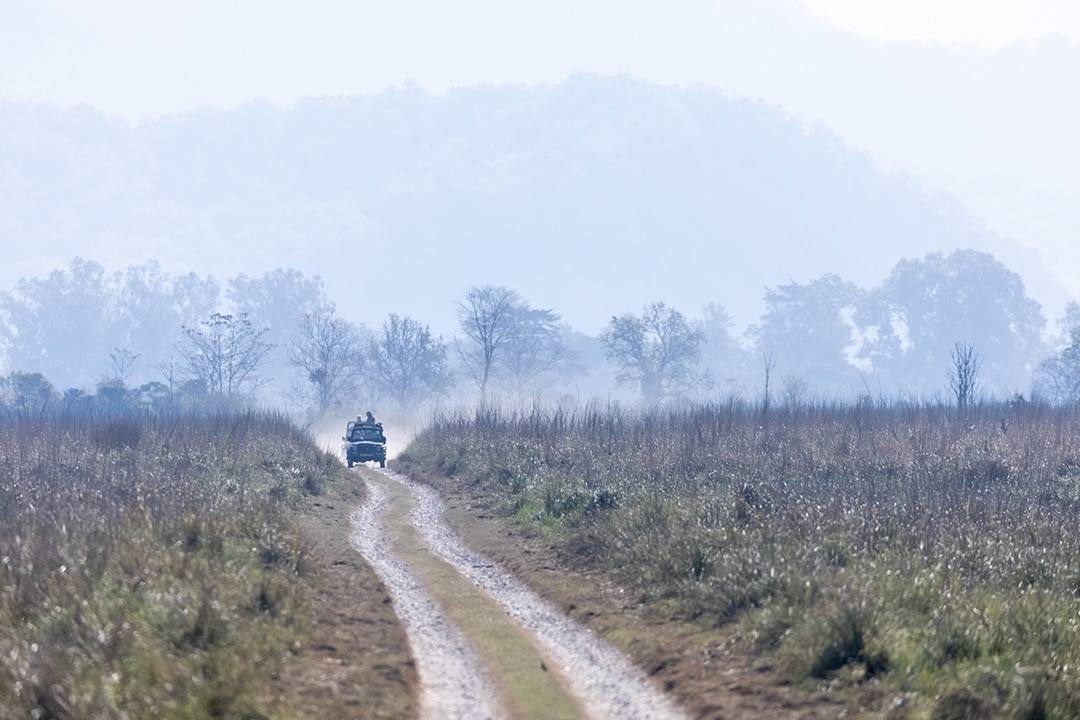
Restricted Access
Dhikala’s allure is amplified by scarcity. Limited permits, strict entry rules, and advance-only bookings create a pressure cooker of demand. The zone’s protected status keeps crowds thin — and experiences raw — reinforcing its reputation as Corbett’s most exclusive wild address.
- 9/9
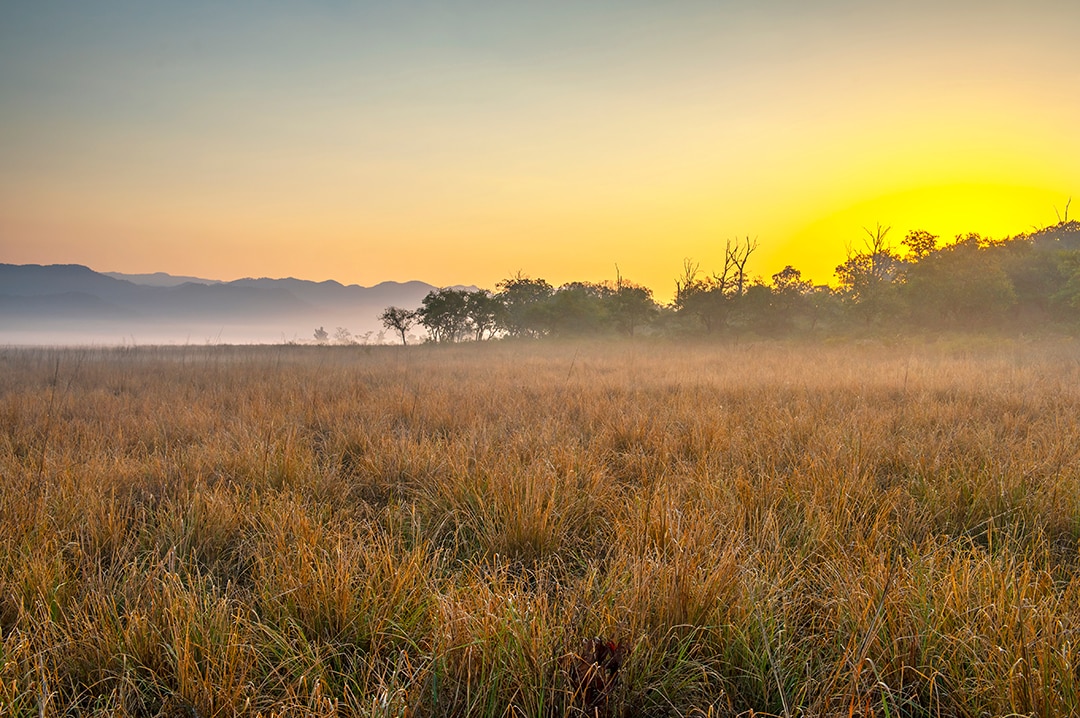
Landscape Cinema
Sunrise spills gold over grasslands, mist lifts off water, and silhouettes of deer freeze against glowing plains. Filmmakers and researchers alike describe Dhikala as “naturally cinematic,” where every safari feels staged — except nothing is.