
Not Peak Season — Yet Possibly Kashmir’s Best Time
Not peak season, yet perhaps the best time—Kashmir bursts into tulips, blossoms, Mughal gardens and quiet Dal Lake moments as winter softens and spring takes over.
- Feb 19, 2026,
- Updated Feb 19, 2026 4:42 PM IST
- 1/9
Tulip Awakening
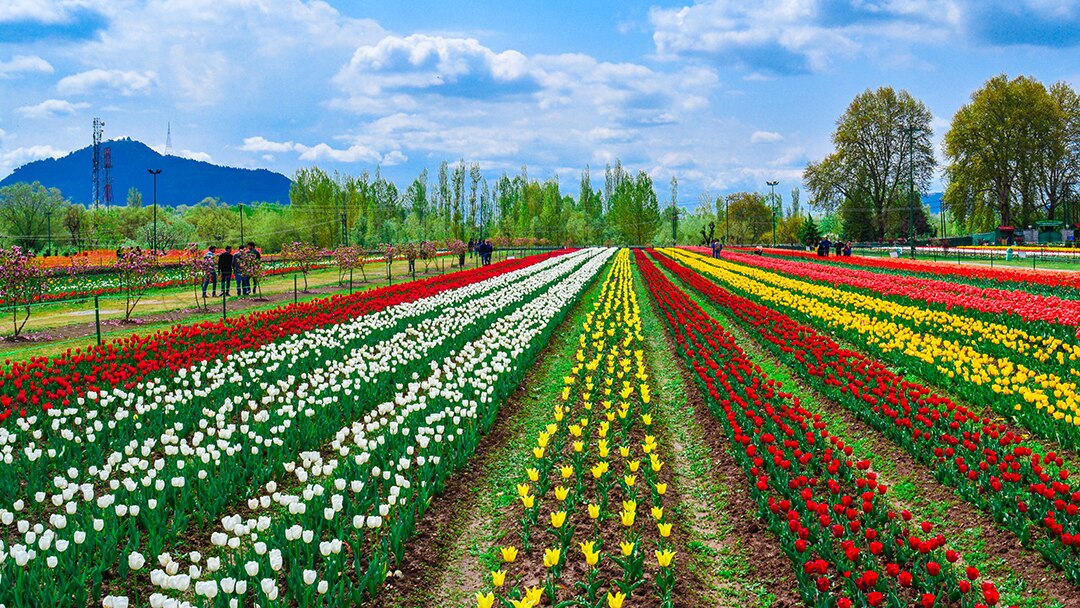
For a few fleeting weeks in late March, the Indira Gandhi Memorial Tulip Garden explodes into colour beneath the Zabarwan Range. Recognised as Asia’s largest tulip garden, it unveils over a million bulbs in choreographed bloom, overlooking Dal Lake like a painted amphitheatre. Locals say you can smell spring in the air before you see it—one stroll here and you’ll understand why travellers plan entire trips around this reopening.
- 2/9
Gentle Thaw
Winter doesn’t vanish in March—it softens. Daytime temperatures in Srinagar hover between 10°C and 18°C, offering that rare mountain balance: crisp air brushing your cheeks, sunlight warming your back. Travel experts often call this “goldilocks weather” for sightseeing. It’s the season when long walks through old Srinagar feel effortless and every snow-capped peak seems framed by impossibly clear skies.
- 3/9
Blossom Drama
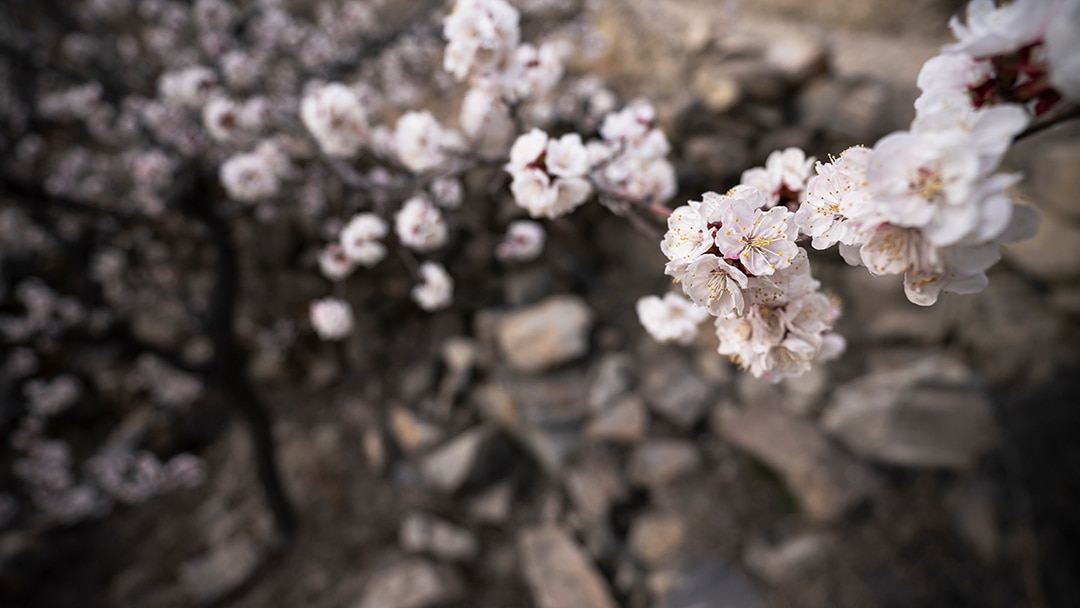
Japan has sakura; Kashmir answers with almond, apricot and cherry blossoms that ignite Badamwari in pale pink fire. As snow retreats from lower altitudes, streams begin to murmur again and wetlands stir with migratory birds. Botanists note that early spring bloom here signals a rapid ecological shift—one week it’s bare branches, the next it’s a pastel spectacle that feels almost cinematic.
- 4/9
Mughal Revival
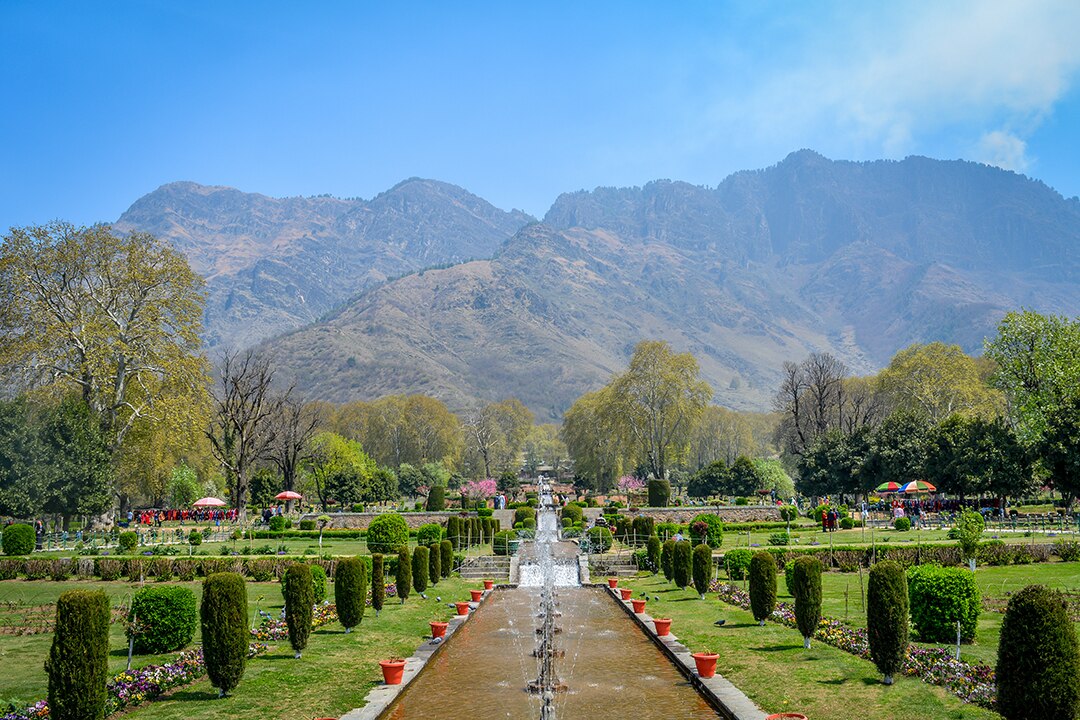
As the frost fades, Nishat Bagh and other Mughal gardens reawaken with geometric precision and flowing fountains. Designed in the 17th century to mirror paradise, these terraced gardens regain their symmetry under brighter skies. Historians often describe them as living architecture; in March, with fewer crowds, you can actually hear the water channels echo against centuries-old stone.
- 5/9
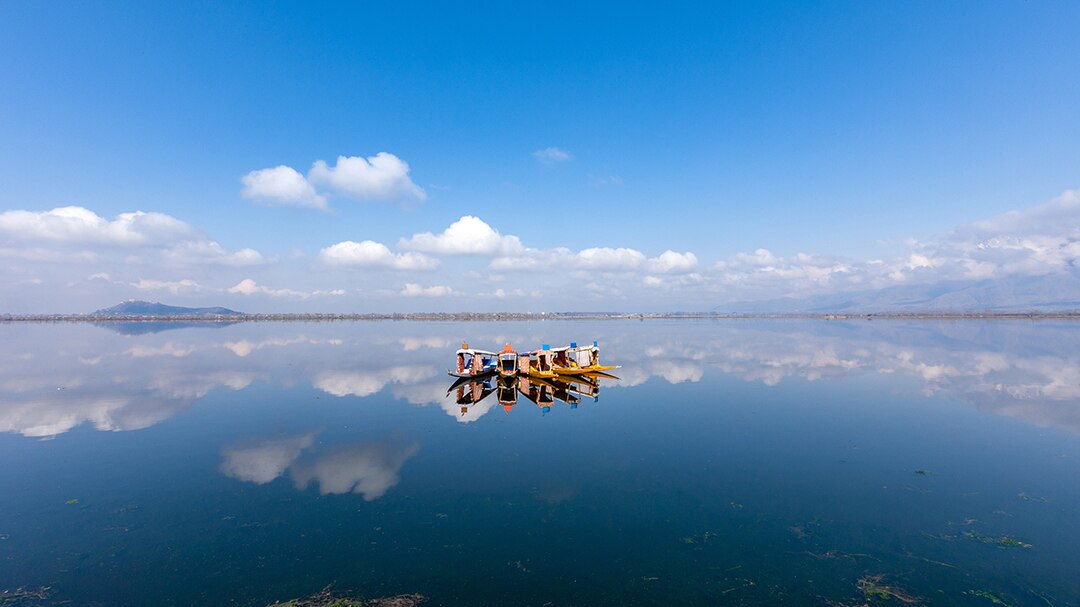
Dal Reflections
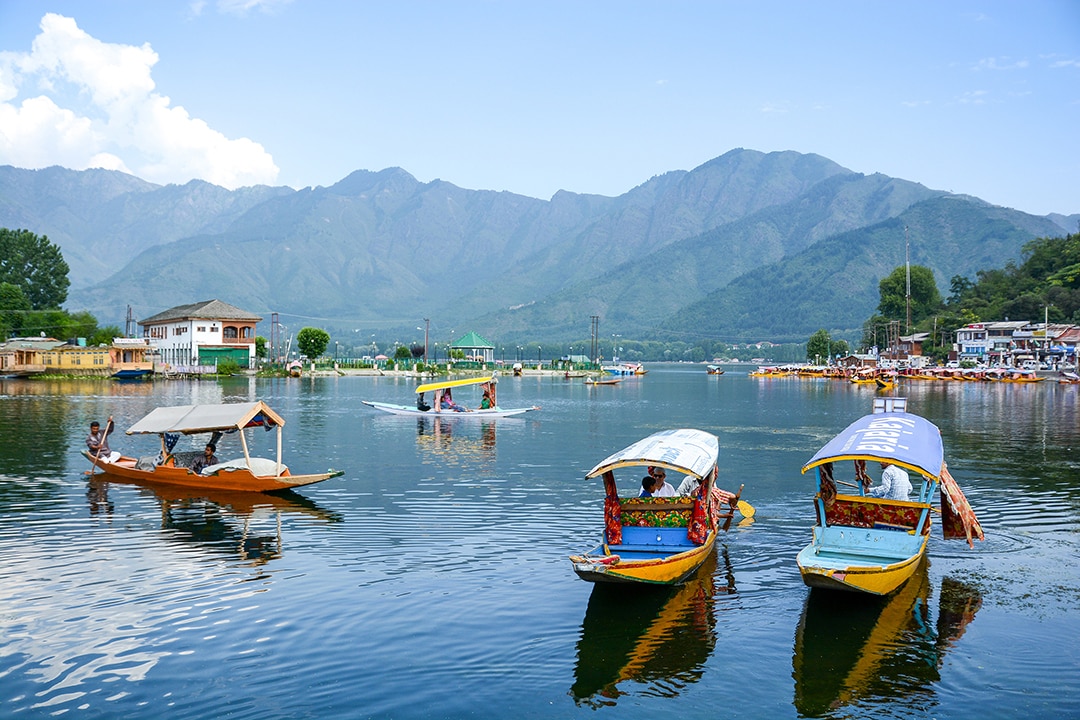
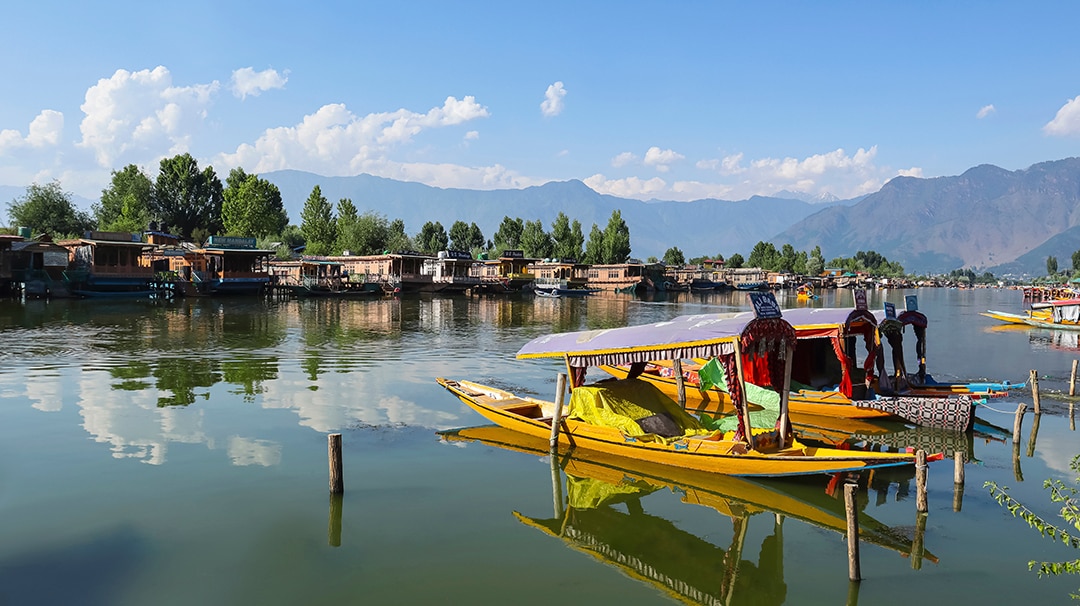
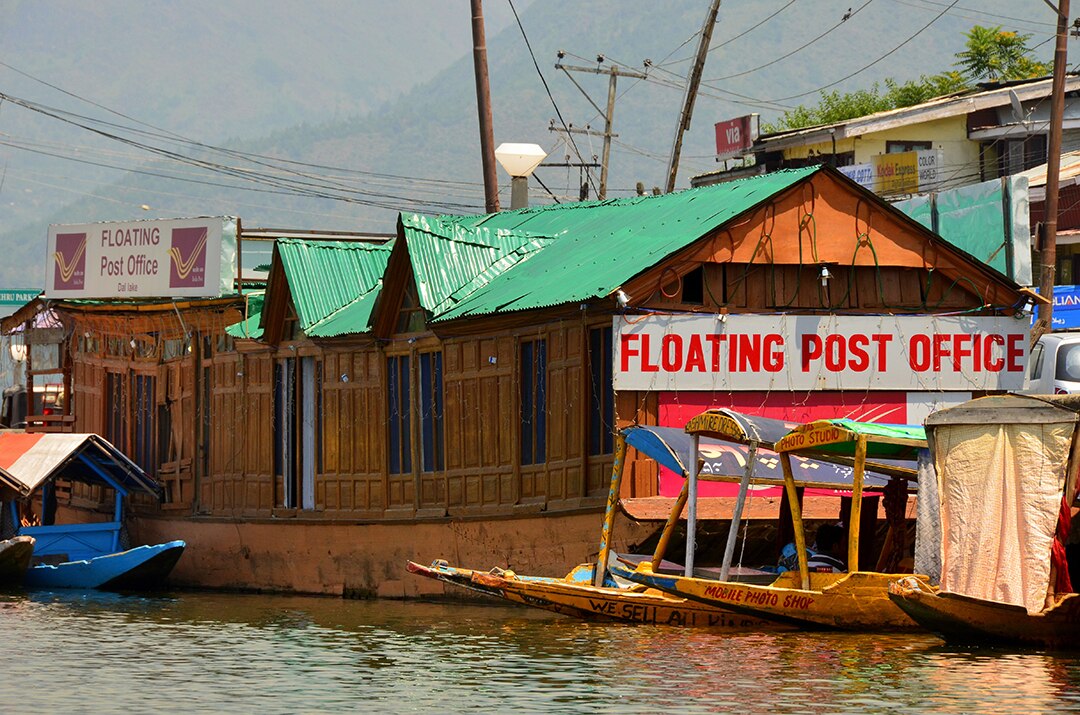
Dal Lake in March feels unfiltered. With lighter tourist traffic, shikara rides turn intimate, almost meditative. The houseboats—easier to book during this shoulder season—offer front-row seats to mirrored mountains and drifting clouds. Photographers swear by this transitional light; the combination of snow-kissed peaks and budding trees creates frames that look almost unreal.
- 6/9
Crowd Escape
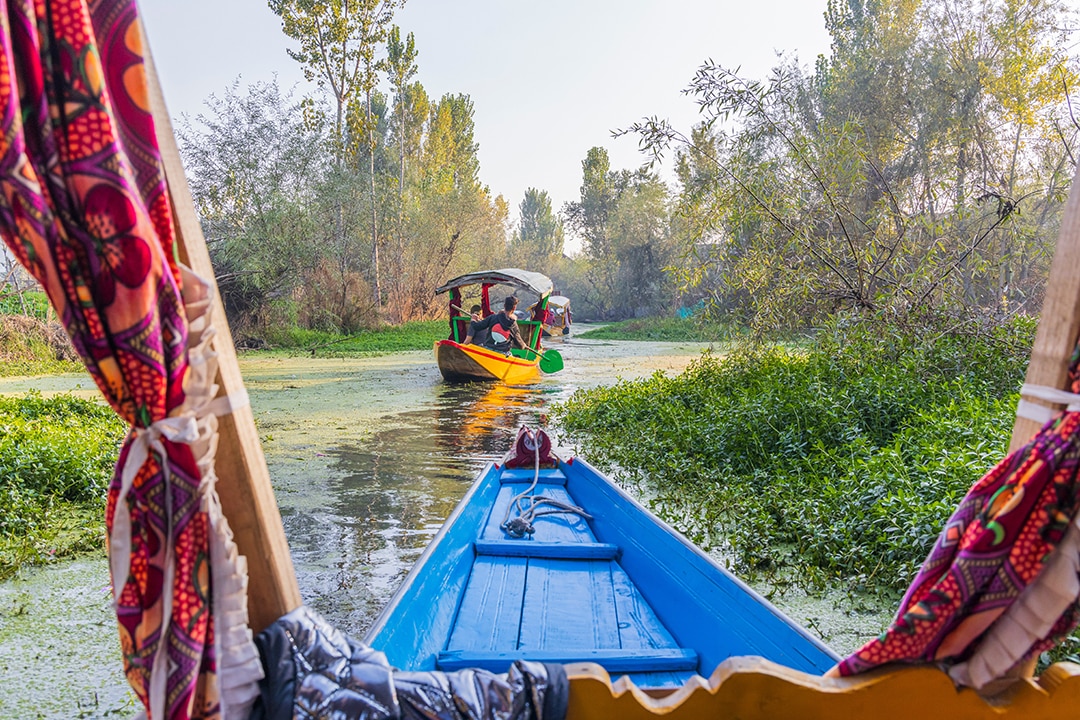
March quietly sidesteps the summer rush. Tourism officials often classify it as shoulder season, which means fewer queues, easier reservations and a calmer rhythm across Srinagar. Attractions breathe. Conversations linger. For travellers who crave serenity over spectacle, this is the month when Kashmir feels less like a postcard and more like a personal discovery.
- 7/9
Colour Return
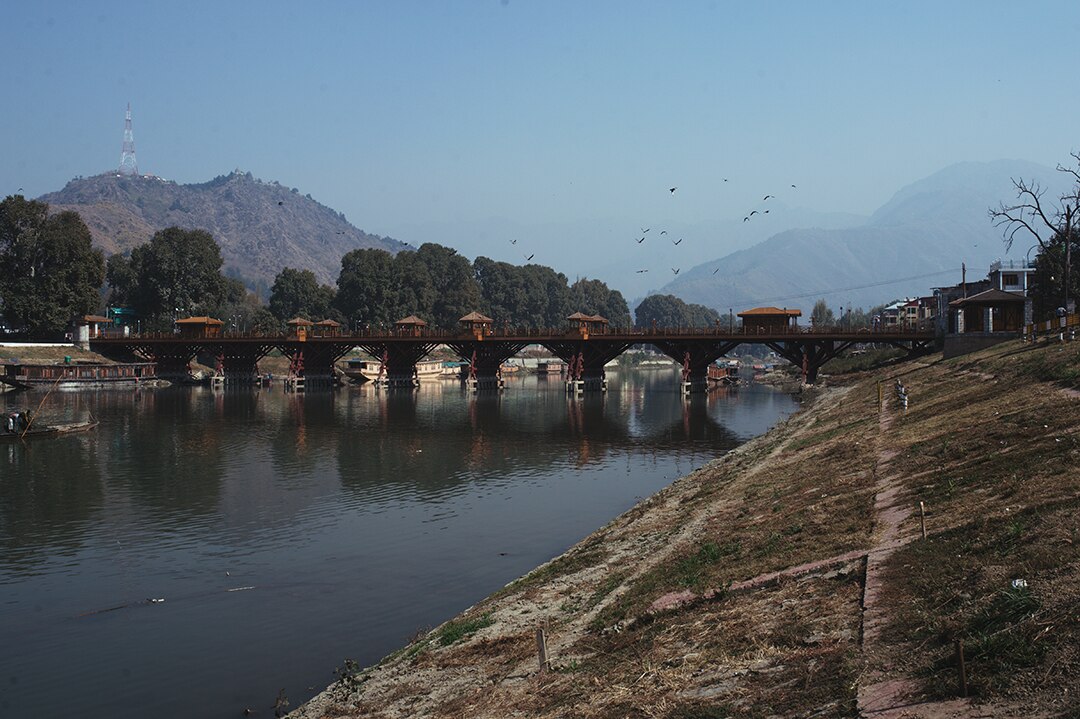
There’s a psychological shift in the valley this time of year. After months of muted winter tones, colour seeps back into markets, gardens and hillsides. Researchers have long linked exposure to natural greenery and blooms with improved mood—and in March, Kashmir becomes a live case study. The transformation is subtle at first, then suddenly undeniable.
- 8/9
Birdsong Comeback
As temperatures rise, wetlands around Srinagar begin welcoming migratory birds. Ornithologists note that spring transition periods are prime for sightings, as species pause during their journeys. The quiet hum of wings and distant calls add a soundtrack to the thaw. For early risers, this avian return feels like nature announcing a new chapter.
- 9/9
Sunlit Strolls
March days stretch longer and brighter, making sightseeing feel effortless rather than exhausting. The cool air keeps you moving; the gentle sun keeps you lingering. From old-city lanes to lakeside promenades, the valley invites slow exploration. It’s not peak bloom yet, not peak rush either—just that rare in-between moment travellers often remember most.