
Odisha’s Big Bet: Can Chilika’s risky revival rewrite India’s wetland playbook?
Odisha launches a high-stakes plan to revive Chilika Lake, betting on science, dredging and data to restore biodiversity, protect dolphins, and secure fisher livelihoods.
- Jan 13, 2026,
- Updated Jan 13, 2026 1:23 PM IST
- 1/9
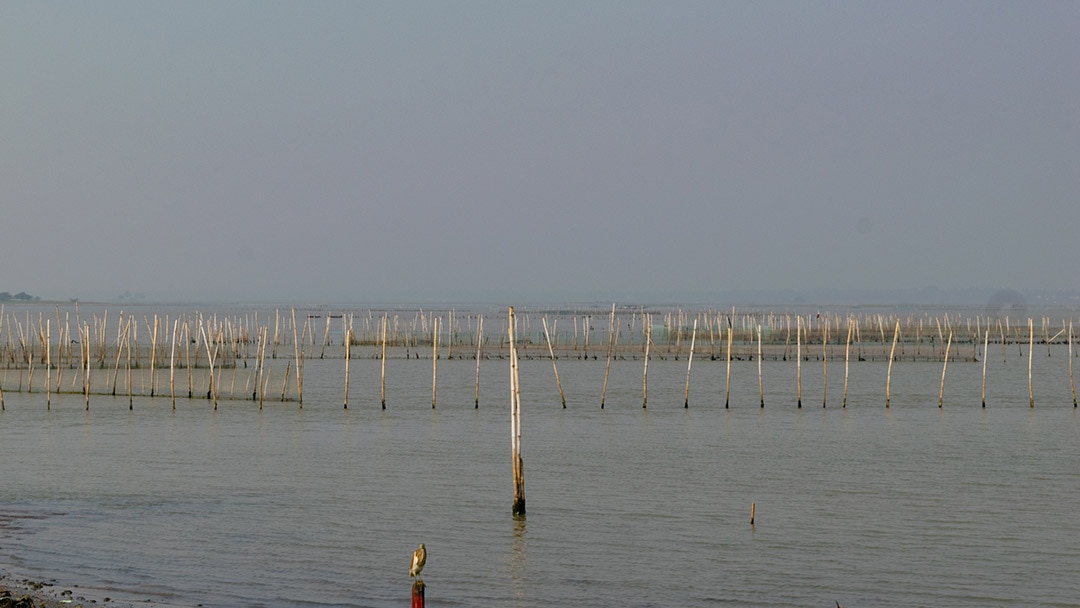
Decades of silt and choked sea connections have quietly altered the chemistry of Chilika Lake, hurting fish nurseries and bird habitats. Now, engineers and ecologists are betting that reopening tidal arteries can reset nature’s balance—an experiment watched closely by wetland scientists across Asia.
- 2/9
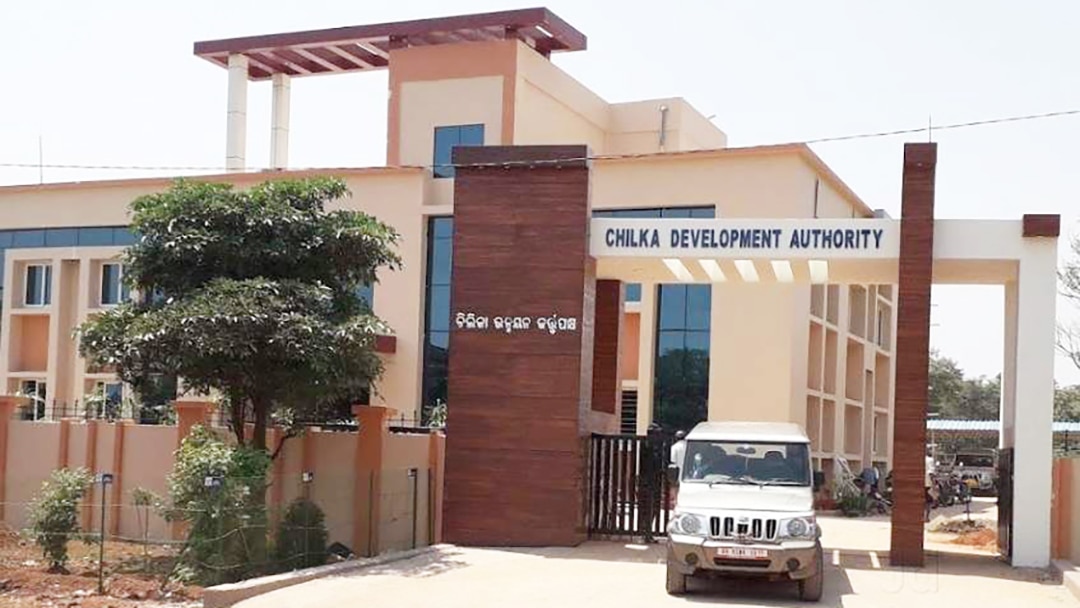
The revival push gained momentum inside the boardroom of the Chilika Development Authority, where political will met scientific caution. Officials say what was decided there could redefine how India handles large, living ecosystems under climate pressure.

- 3/9
By calling Chilika a “treasure trove of biodiversity,” Mohan Charan Majhi sent a clear message: this is not cosmetic conservation. Insiders note the language mirrors global biodiversity frameworks, hinting at long-term accountability rather than quick fixes.
- 4/9
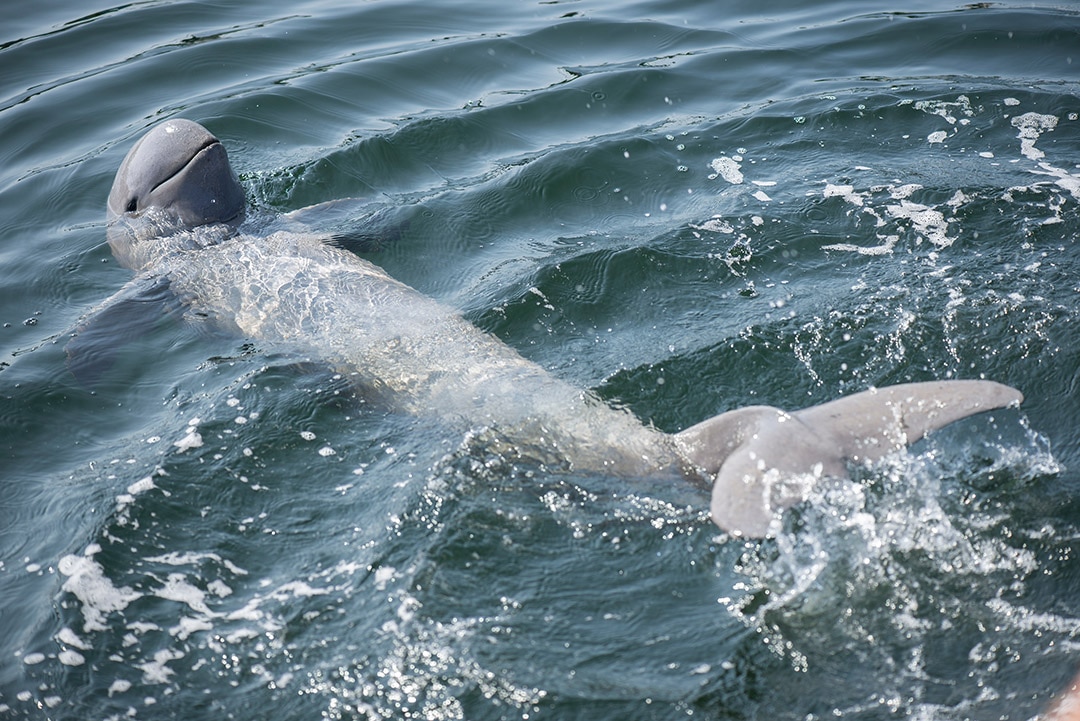
Few lagoons shelter endangered Irrawaddy dolphins, and fewer still manage human use alongside them. Marine biologists say improving salinity and water flow could decide whether these shy mammals remain a Chilika icon—or a cautionary tale.
- 5/9
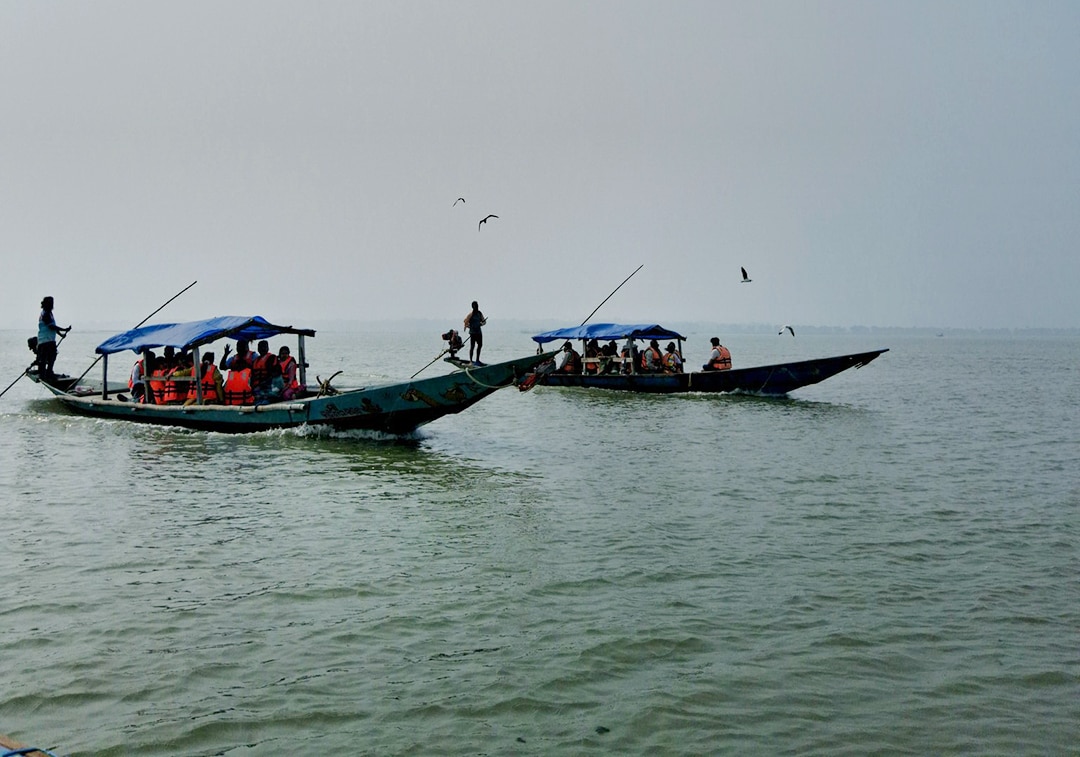
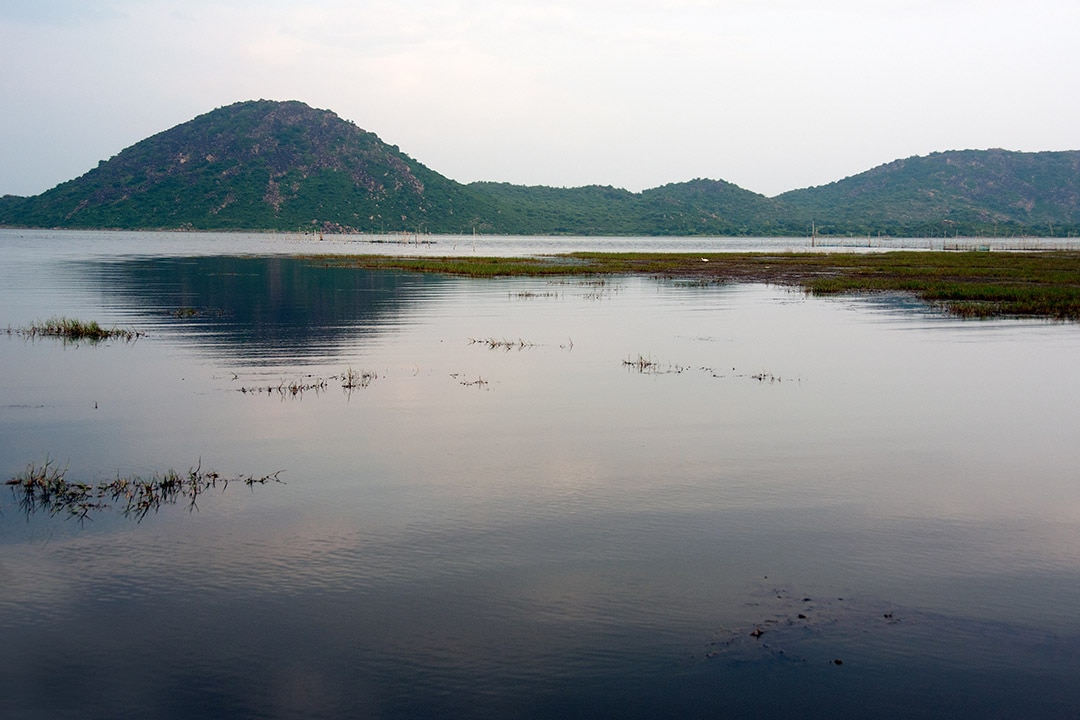
Plans to dredge feeder channels at Balugaon, Magarmukha and Palur read like a hydrological operation. Experts warn the margins are thin: dig too little and nothing changes; too much and fragile mudflats could vanish, reshaping livelihoods overnight.
- 6/9
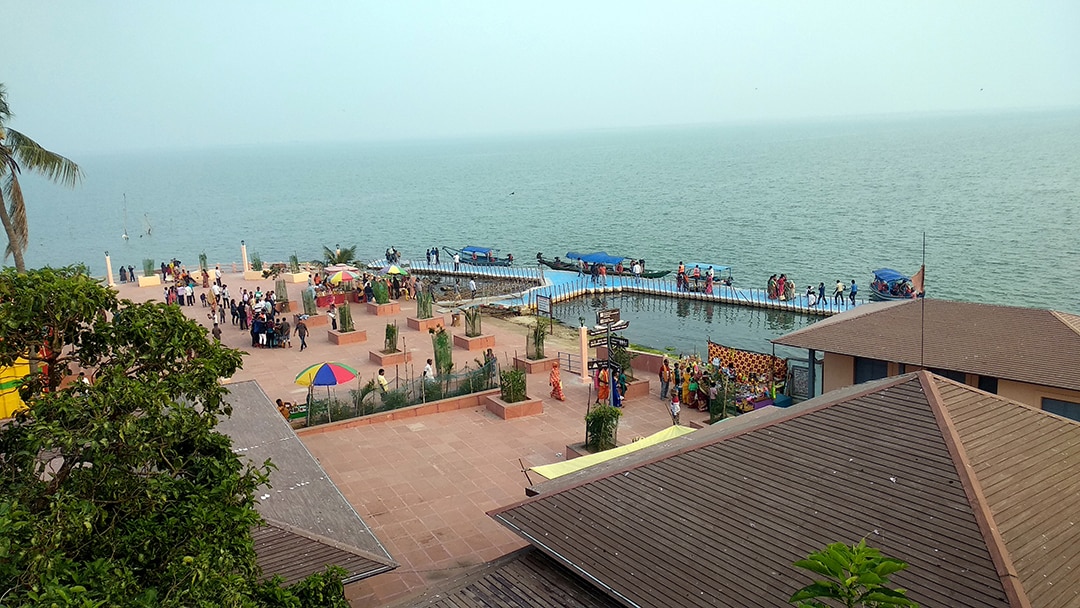
Modern fish landing centres promise ice, hygiene and better prices—but also stir anxiety. Community leaders say infrastructure can empower or exclude, depending on access rules, making this restoration as much a social test as an ecological one.
- 7/9
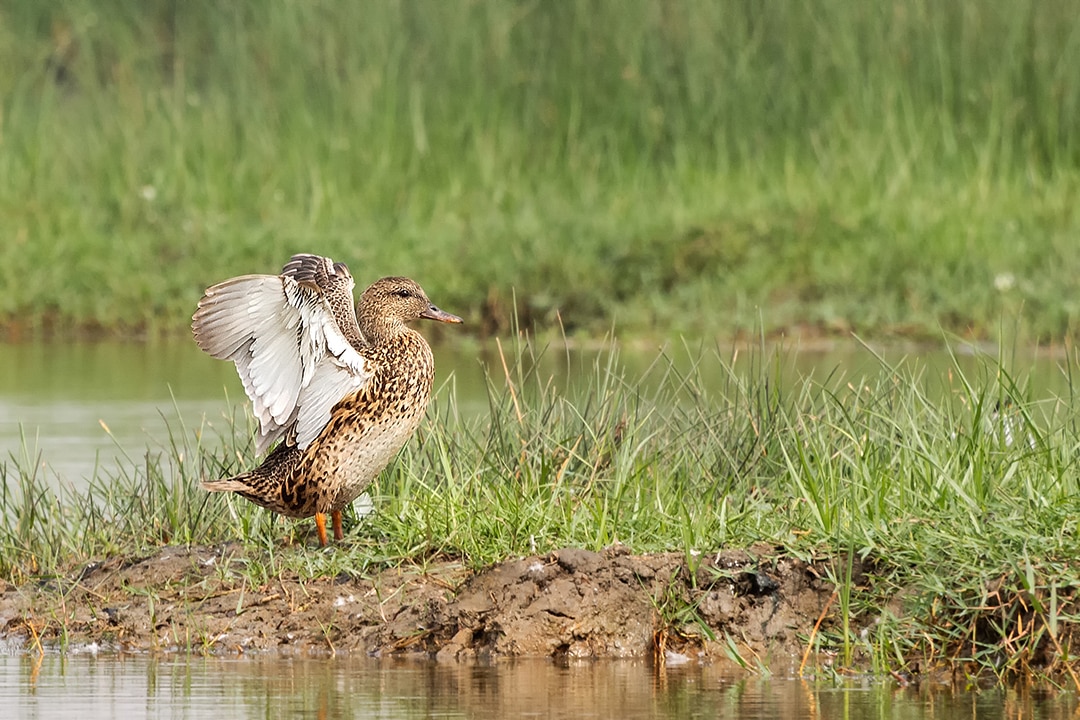
Boat parades, bird carnivals and seafood feasts sound celebratory, yet tourism planners stress restraint. Done right, festivals could fund conservation; done wrong, they risk turning a Ramsar wetland into a seasonal spectacle.
- 8/9
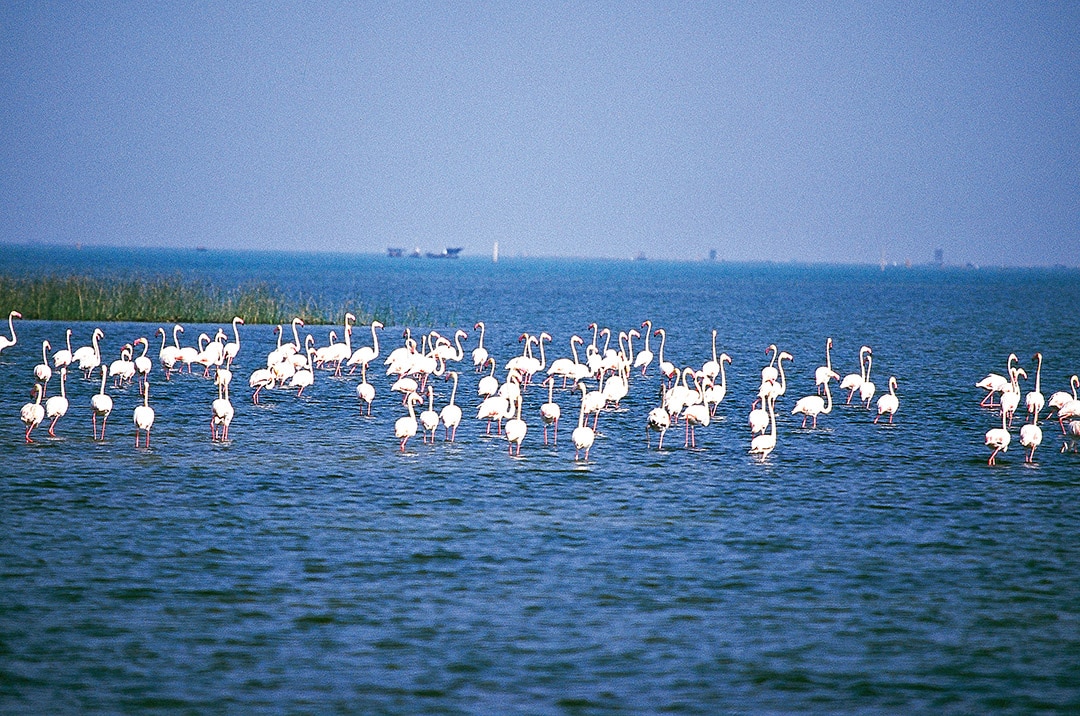
New monitoring labs and sensors will quietly track salinity, fish stocks and bird counts year-round. Conservation scientists say this shift—from reactive fixes to real-time data—could make Chilika a model for wetland governance across the Global South.
- 9/9
Balancing ecology, economy and aspiration is the hardest part. If Odisha pulls it off, Chilika could reaffirm why wetlands under the Ramsar Convention banner matter—not just to birds, but to people.