
Old Food, New Question: Can Amla Really Rival Supplements?
Can amla really rival modern supplements? This story explores how the ancient Indian superfood supports health through whole nutrition, steady effects, and food-first wisdom.
- Dec 29, 2025,
- Updated Dec 29, 2025 11:52 AM IST
- 1/9
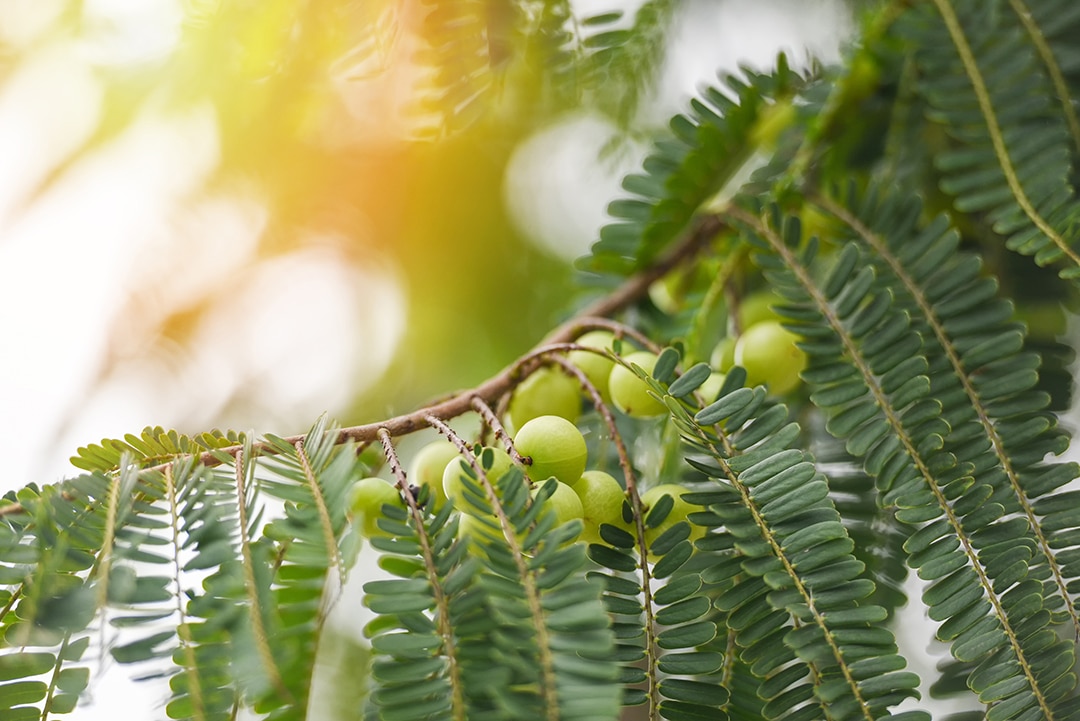
Long before capsules and gummies, amla survived purely on trust. It stayed in kitchens and daily routines not because it promised transformation, but because it kept showing up, generation after generation, quietly doing its job.
- 2/9
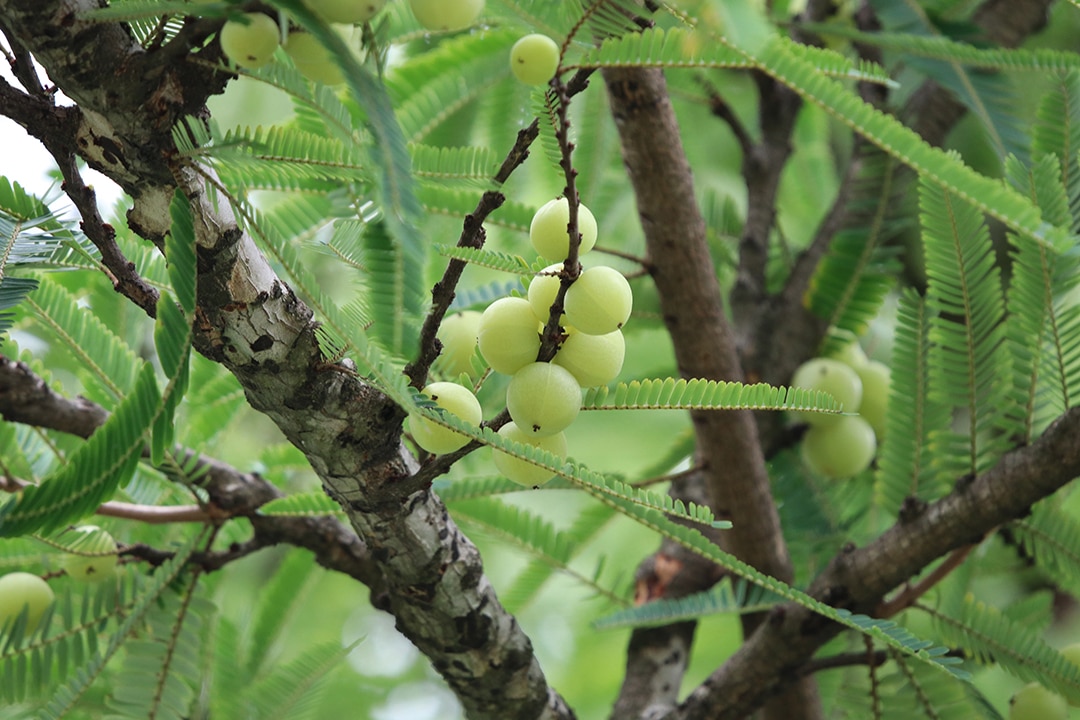
Amla doesn’t isolate nutrients the way supplements do. Its vitamin C arrives wrapped in fiber, antioxidants and plant compounds, working together like a system—not a spotlight-hungry ingredient fighting for absorption.
- 3/9
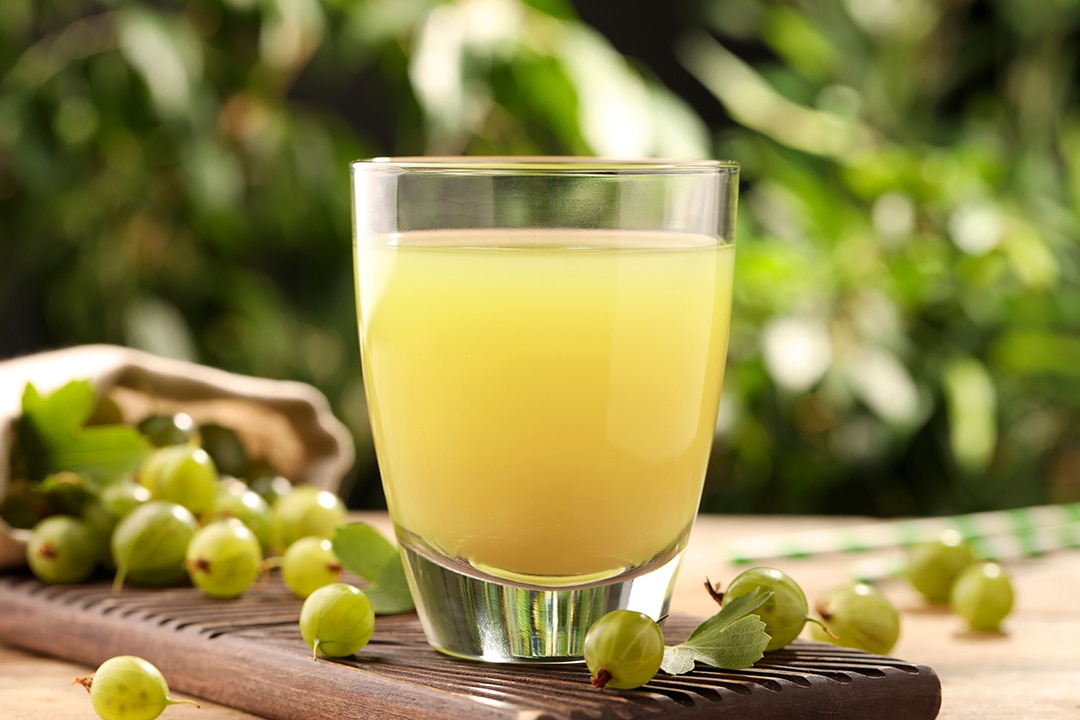
Unlike many vitamin C sources, amla’s potency holds up even when dried or cooked. That stability puzzled people long before labs studied it, making it one of the few foods consistently compared to tablets.
- 4/9
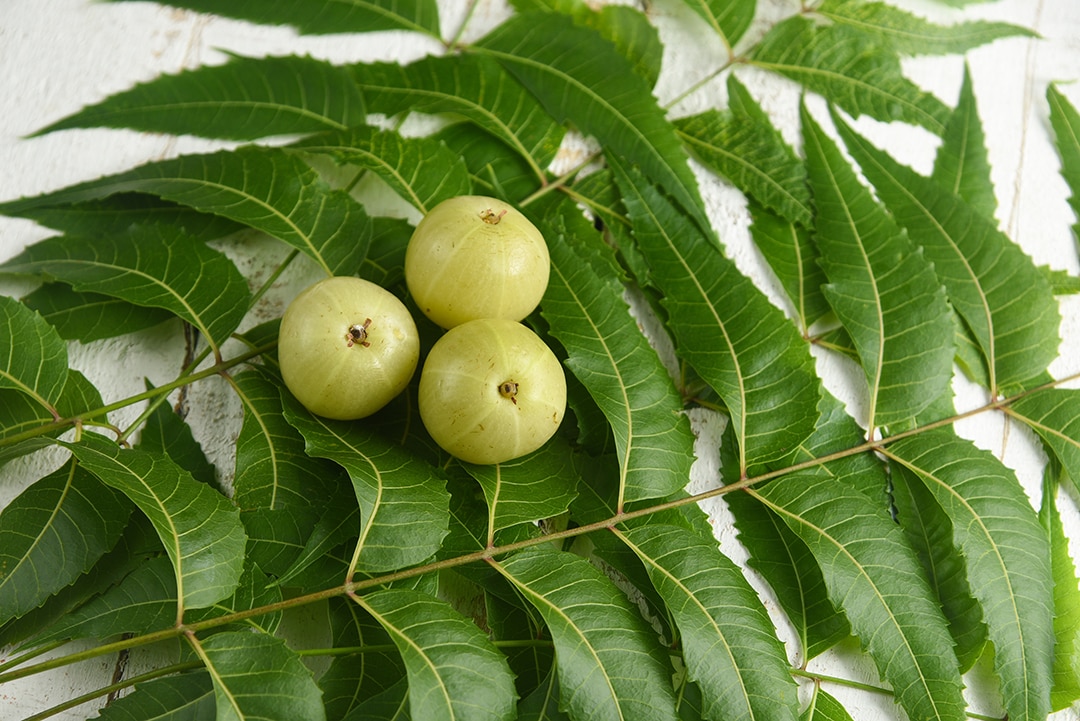
Where supplements often flip switches, amla moves slowly. Users describe steadier digestion, calmer skin and smoother energy—changes that don’t shout, but stack quietly over time.
- 5/9
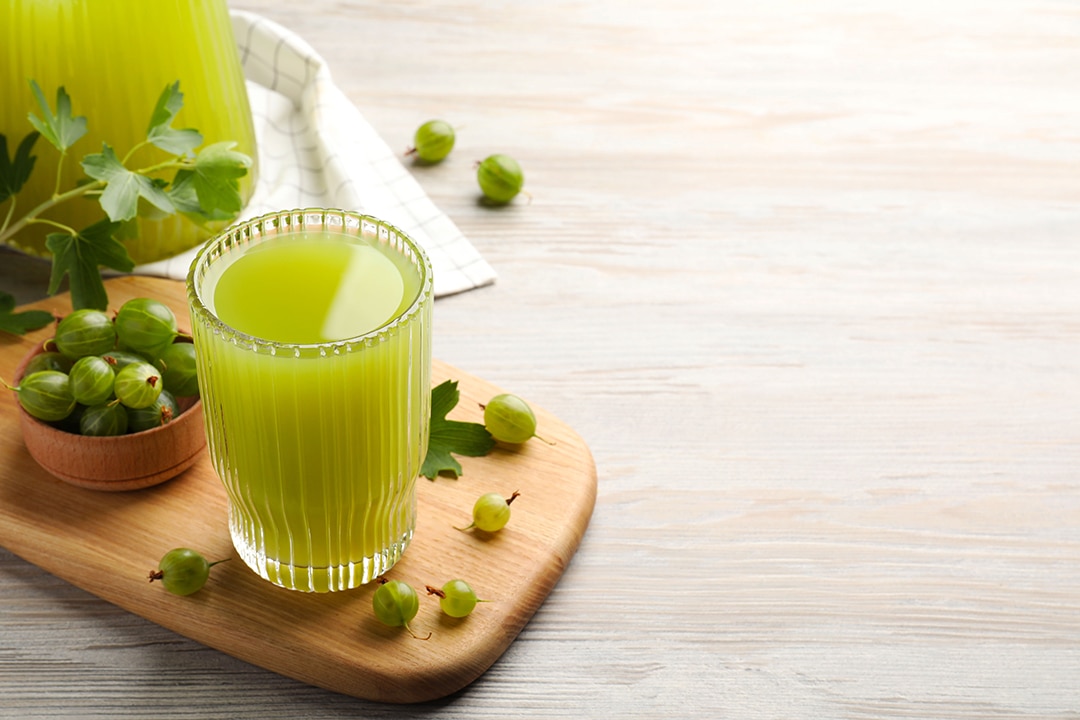
Modern supplements chase “more”: higher milligrams, faster impact, stronger effects. Amla resists that logic. It supports rather than pushes, which may explain why it’s easier to stay consistent with.
- 6/9
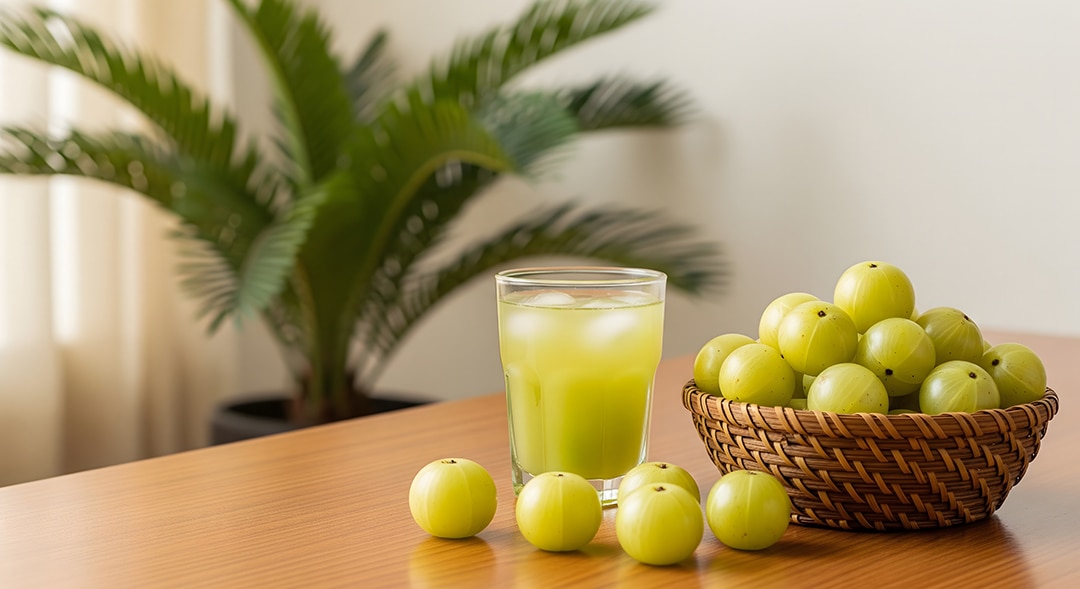
Your body evolved to process food, not synthetic shortcuts. Amla fits that biological expectation, offering nutrients in forms the body recognizes, absorbs gradually and rarely rebels against.
- 7/9
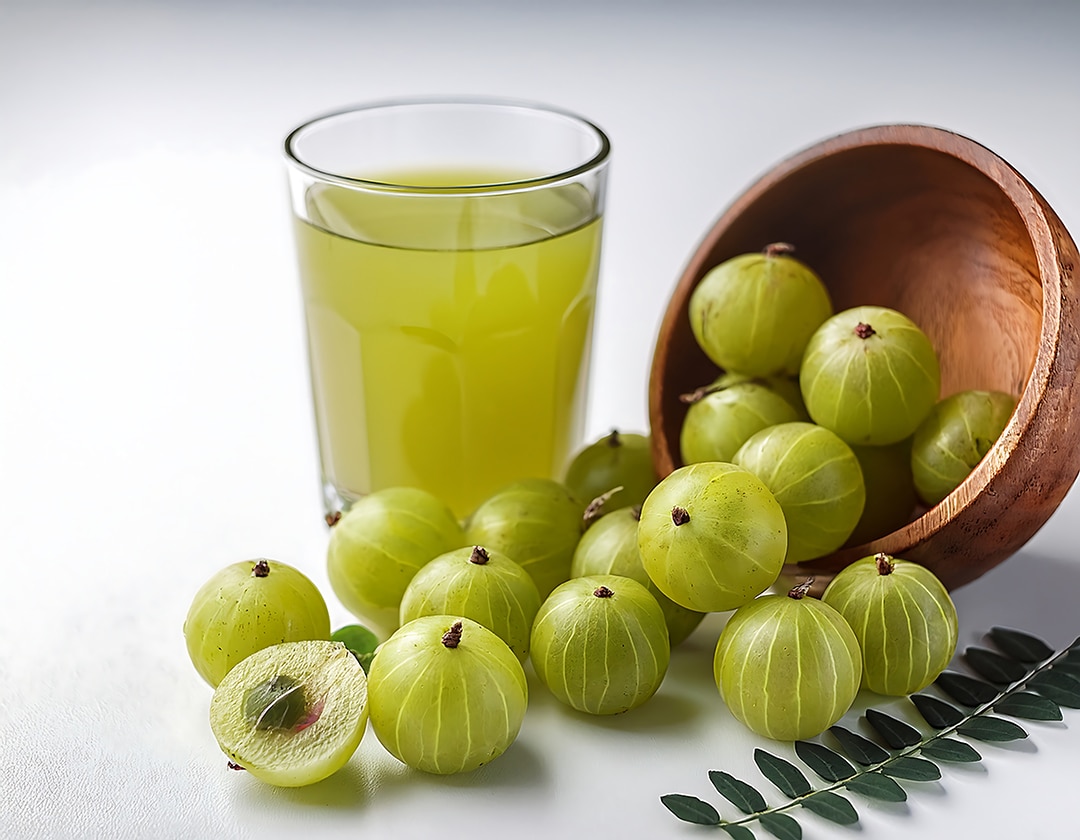
Amla doesn’t aim to replace supplements entirely. Instead, it reduces reliance. When baseline nutrition improves, fewer gaps need patching—and fewer pills feel necessary.
- 8/9
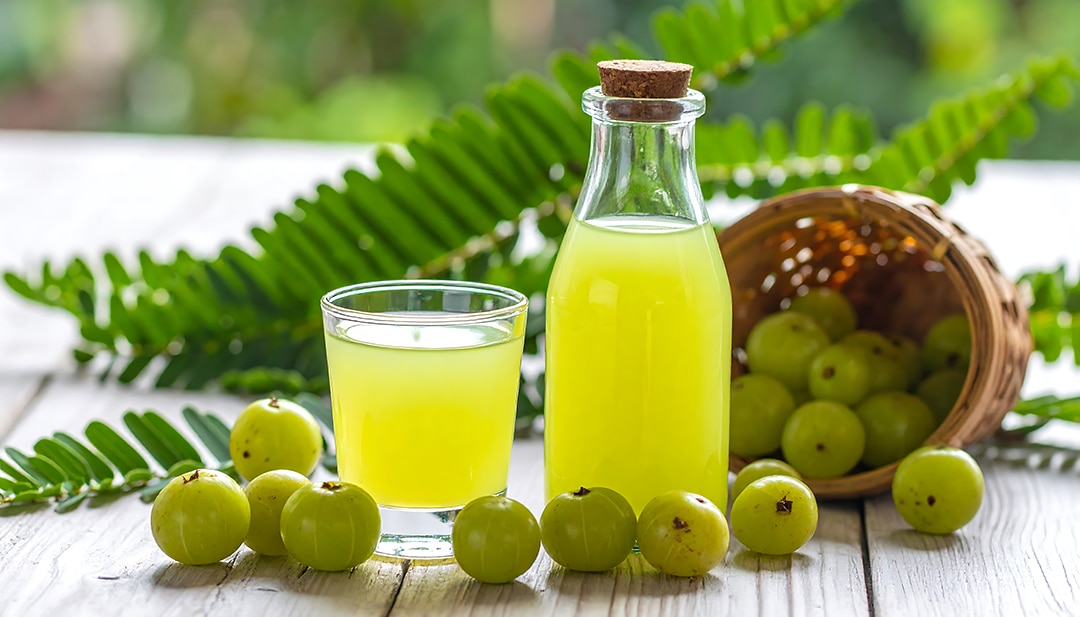
Using amla nudges attention away from hacks and toward patterns. Sleep, stress and consistency matter more. Health becomes a rhythm, not a rescue mission triggered by the next capsule.
- 9/9
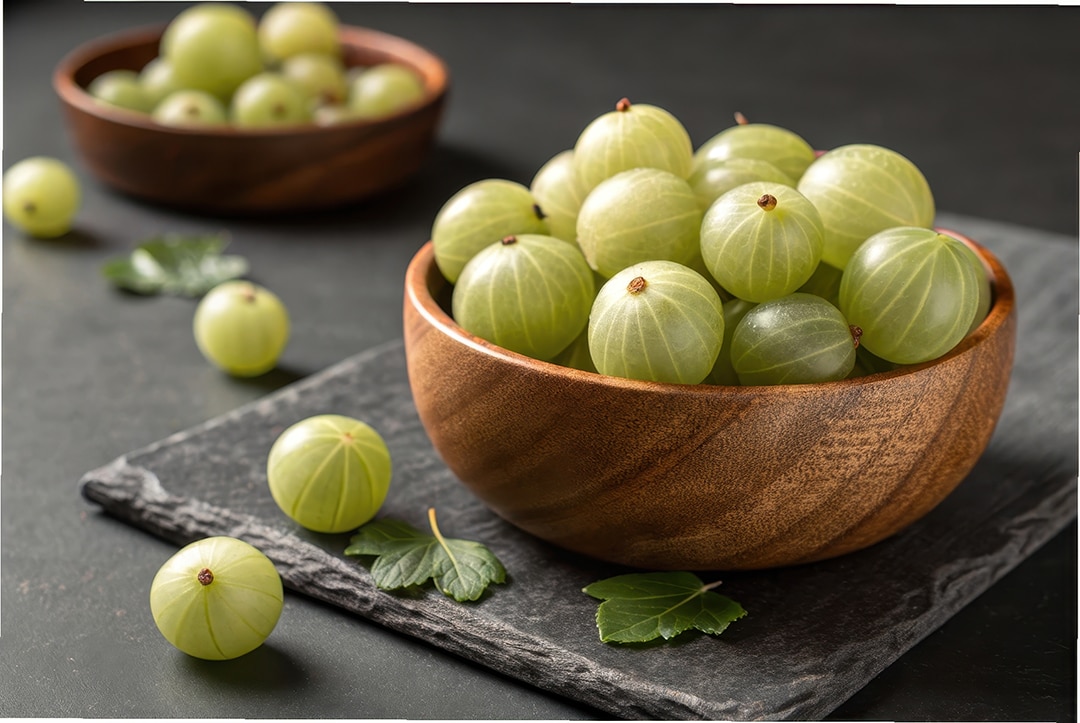
Science hasn’t dismissed amla—it’s been studying it. Research on antioxidants, inflammation and metabolic health often mirrors what tradition already practiced, without crowning amla as a cure-all.