
Pigeon droppings triggering pneumonia—why you should stop feeding them now
Pigeon droppings are spreading deadly fungi, bacteria, and allergens that trigger pneumonia, asthma, and other respiratory issues. Is feeding pigeons causing a public health crisis? Learn why it’s time to stop.
- Dec 18, 2025,
- Updated Dec 18, 2025 12:49 PM IST
- 1/9
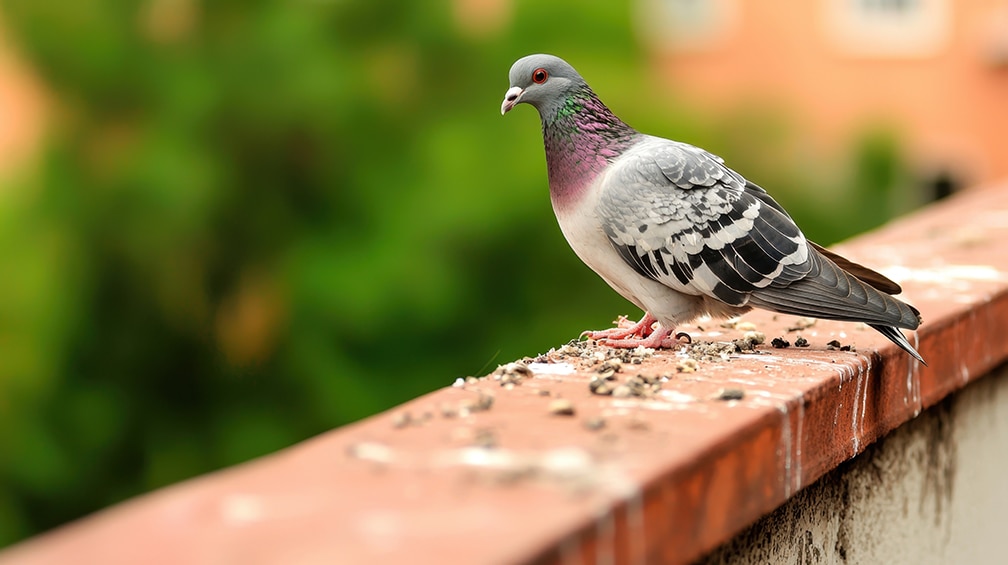
Unseen dangers lurk in pigeon droppings, from deadly fungi to harmful bacteria. A growing number of respiratory illnesses are being traced back to urban pigeon populations. Could the rise in asthma, pneumonia, and even brain inflammation be linked to the dusty particles wafting from public benches?
- 2/9
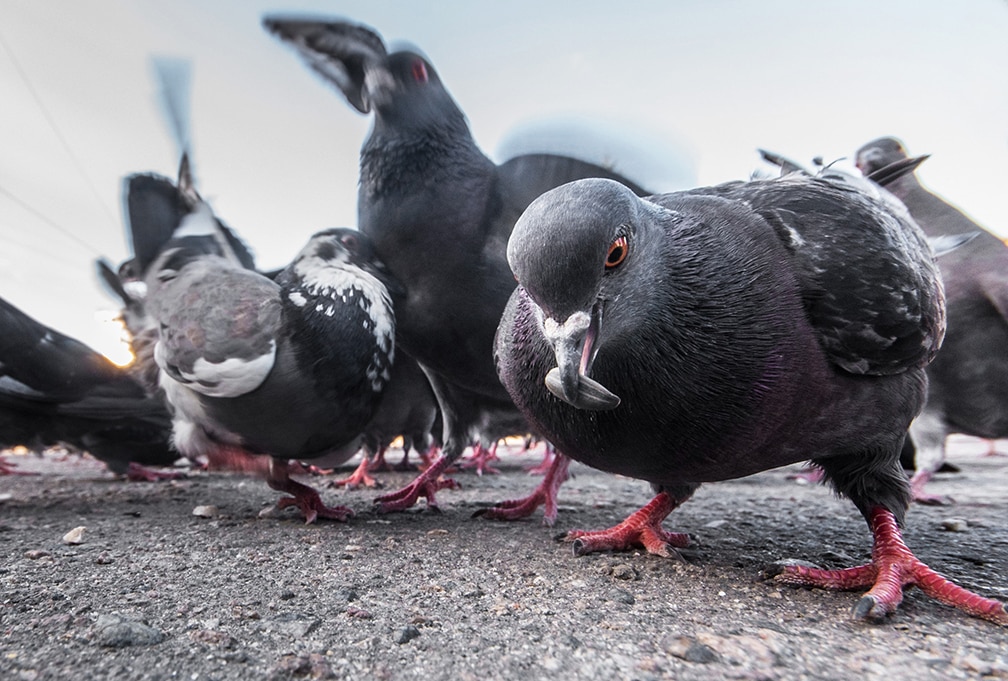
Pigeon feces are teeming with pathogens—fungi and bacteria that can trigger dangerous diseases. Cryptococcosis, a serious infection that starts as a simple cough, could escalate into deadly pneumonia or worse. And yet, we’re still feeding them in the middle of our cities. Why?
- 3/9
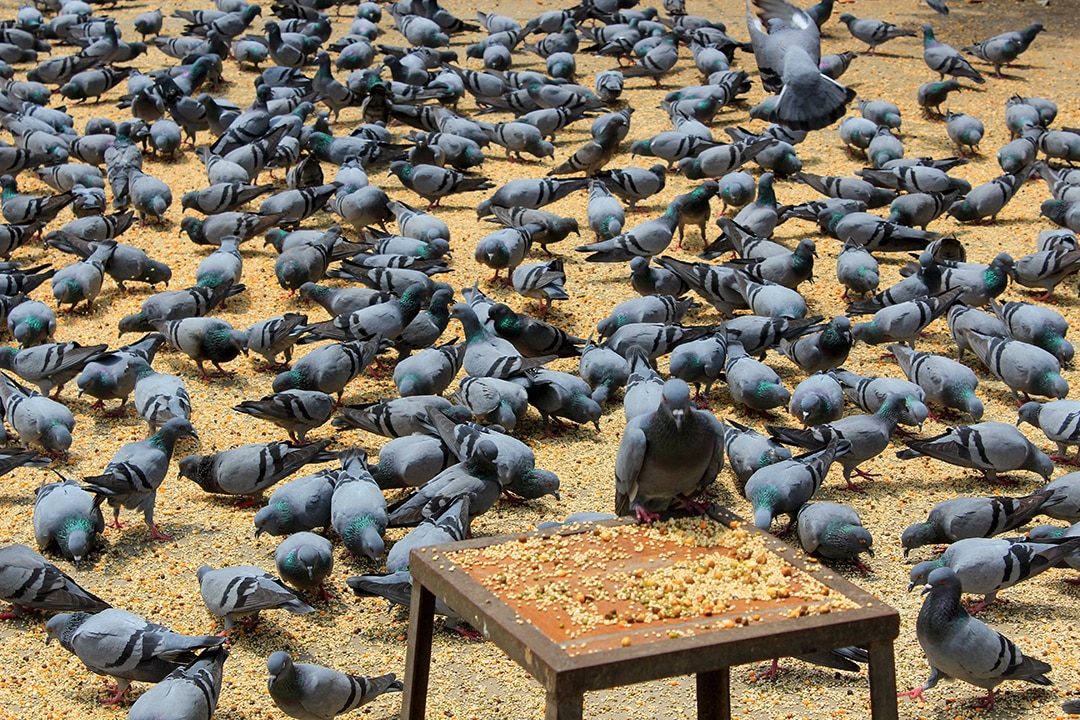
In Bengaluru, a seemingly innocent act—feeding pigeons—has exploded into a public health crisis. As flocks grow and droppings pile up, respiratory patients flood clinics. Is this the real cause of rising illnesses in the city, or just the tip of the iceberg?
- 4/9
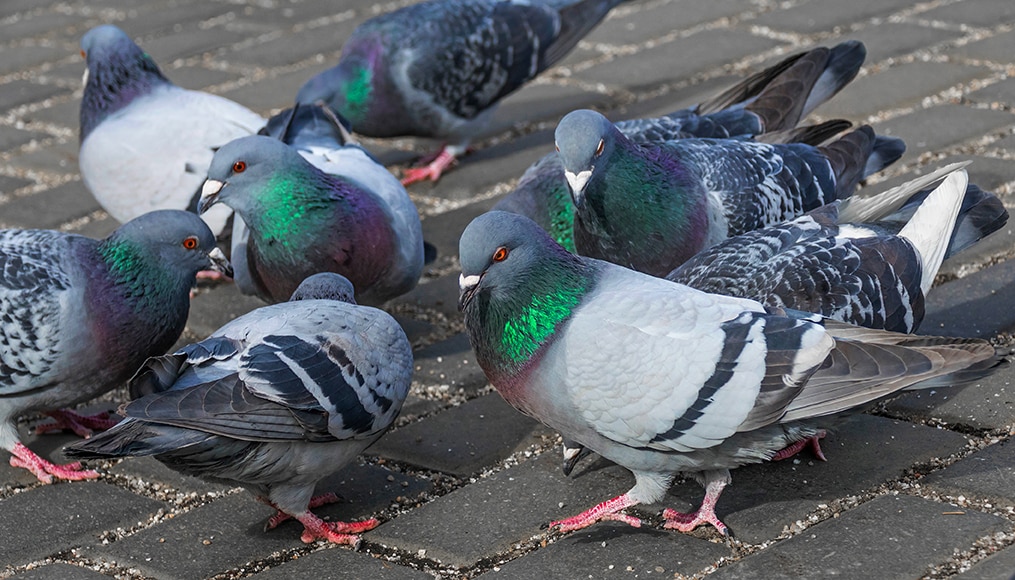
Microorganisms in pigeon droppings can travel through the air, infecting anyone in their path. Studies show that people near feeding zones are 20-30% more likely to experience respiratory issues. How many lives are at risk, and what can be done to stop it?
- 5/9
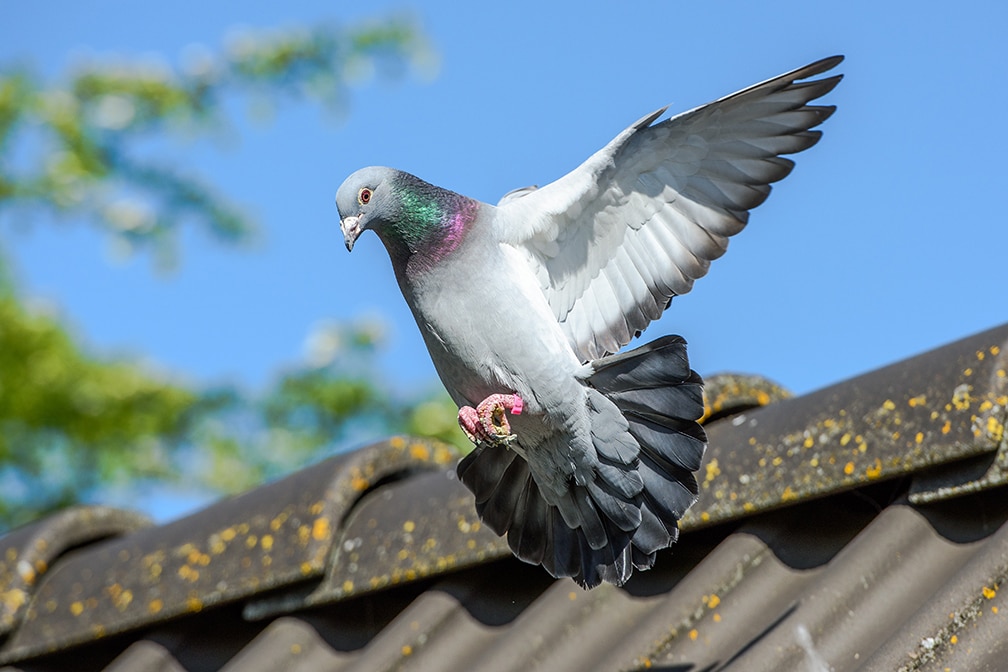
Feather dust and pigeon droppings are a potent mix. One breath and it’s too late. The dust that coats public spaces could be triggering fatal allergic reactions, even causing lung disease. Experts say urban air is now toxic—will cities take action before it’s too late?
- 6/9
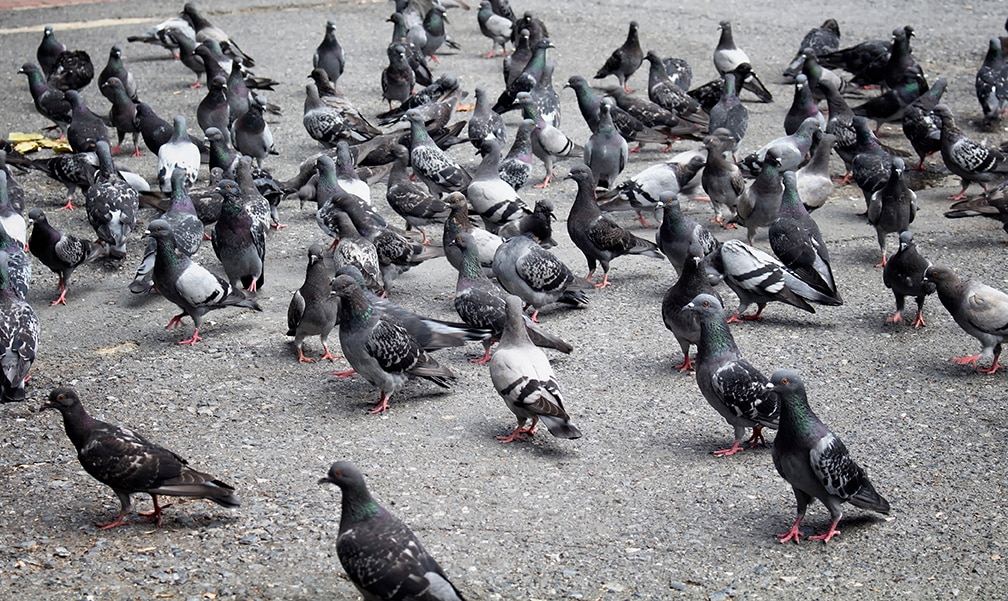
Over 60 diseases are tied to pigeons, including Chlamydia-like infections and deadly salmonella. In cities, urban dwellers are unknowingly exposed daily. Could this pigeon epidemic be spreading diseases that we’re still unaware of?
- 7/9
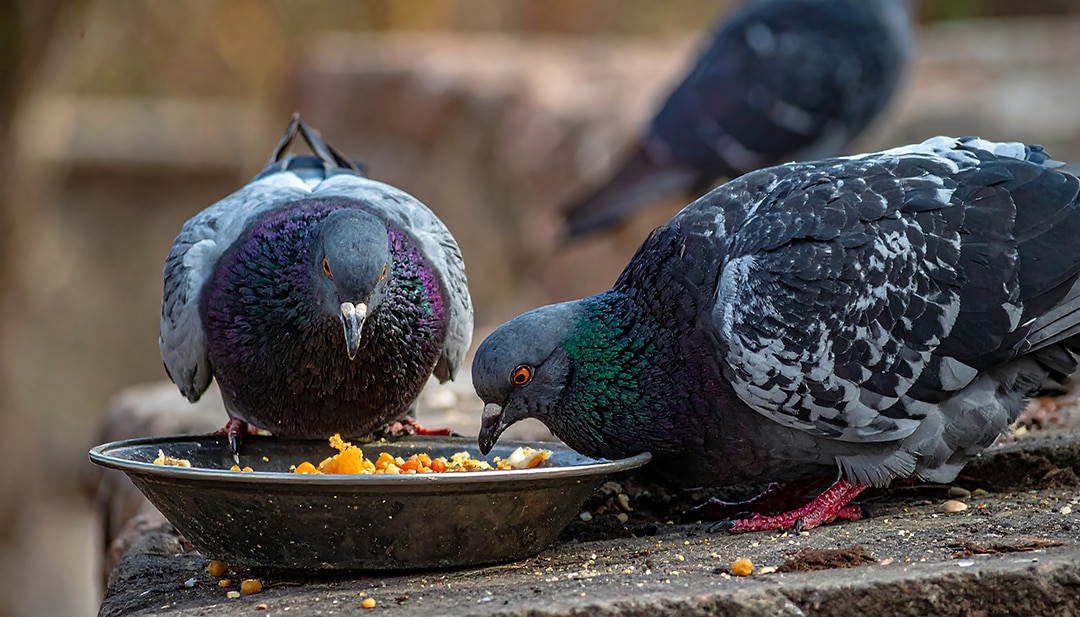
Immunocompromised individuals face a hidden threat from pigeons. Exposure to droppings could cause permanent lung damage, forcing victims onto oxygen or transplant lists. Why aren’t more cities taking action to protect the most vulnerable from this airborne assault?
- 8/9
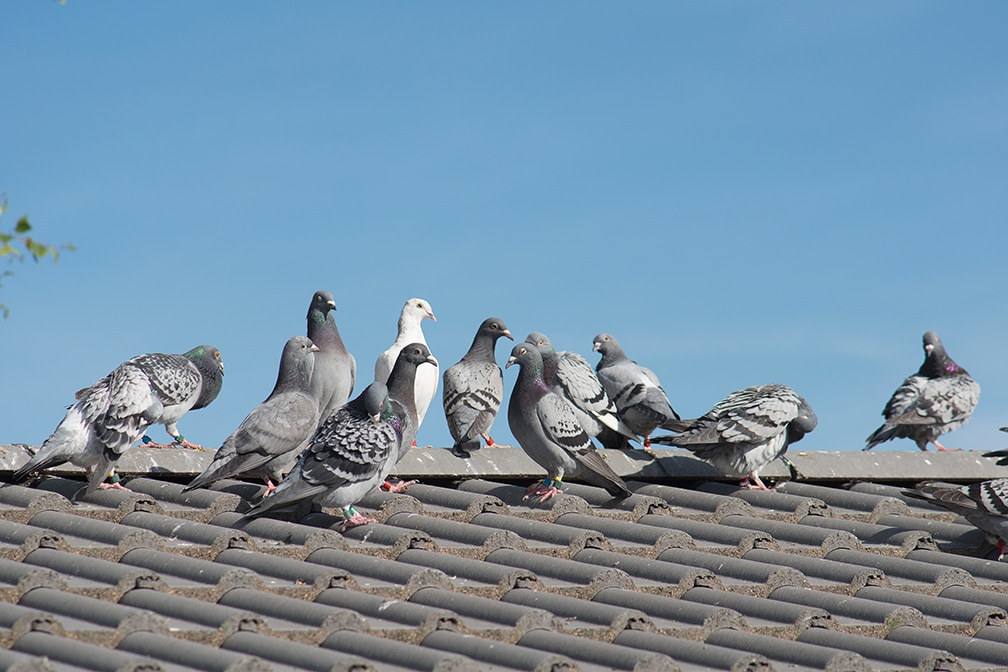
Unchecked pigeon feeding is making cities more dangerous. Droppings cover statues, sidewalks, and benches—turning public spaces into health hazards. Will Karnataka’s new regulations be enough to curb the spreading menace before it’s too late?
- 9/9
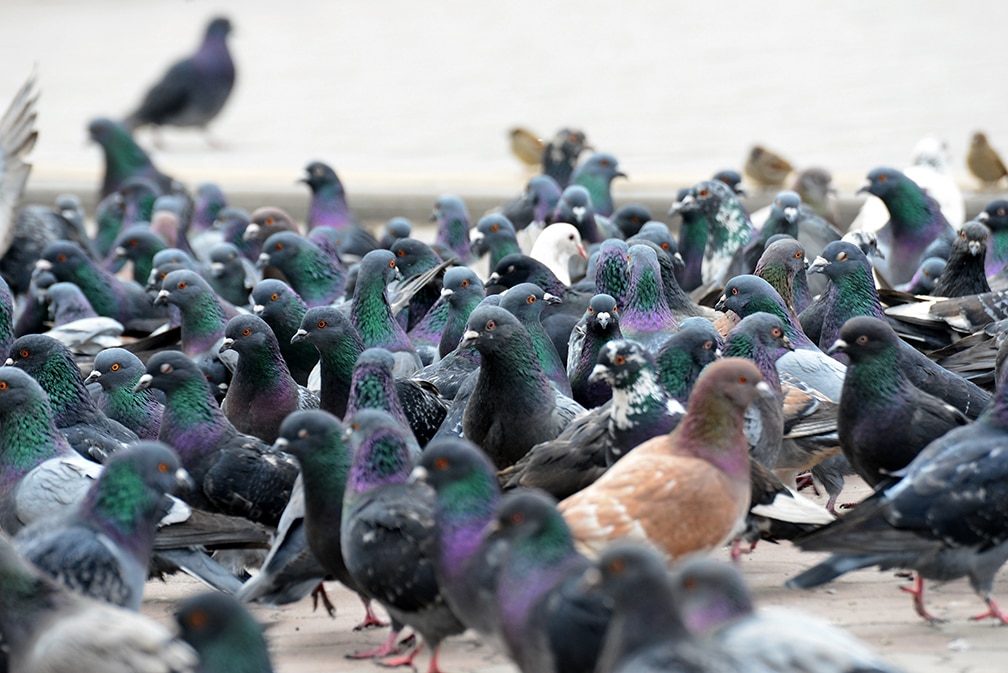
A simple act of feeding pigeons could be the root of a growing public health crisis. With cases of respiratory issues soaring and urban spaces growing dirtier by the day, how long can we ignore the health implications?