
Rare Earth Gambit: Why Venezuela’s soil matters far beyond its borders
Venezuela’s oil, gold, and rare earth riches fuel global power struggles, shaping U.S. pressure, disputed elections, criminal mining, and a new geopolitical battle far beyond its borders.
- Jan 5, 2026,
- Updated Jan 5, 2026 3:44 PM IST
- 1/9
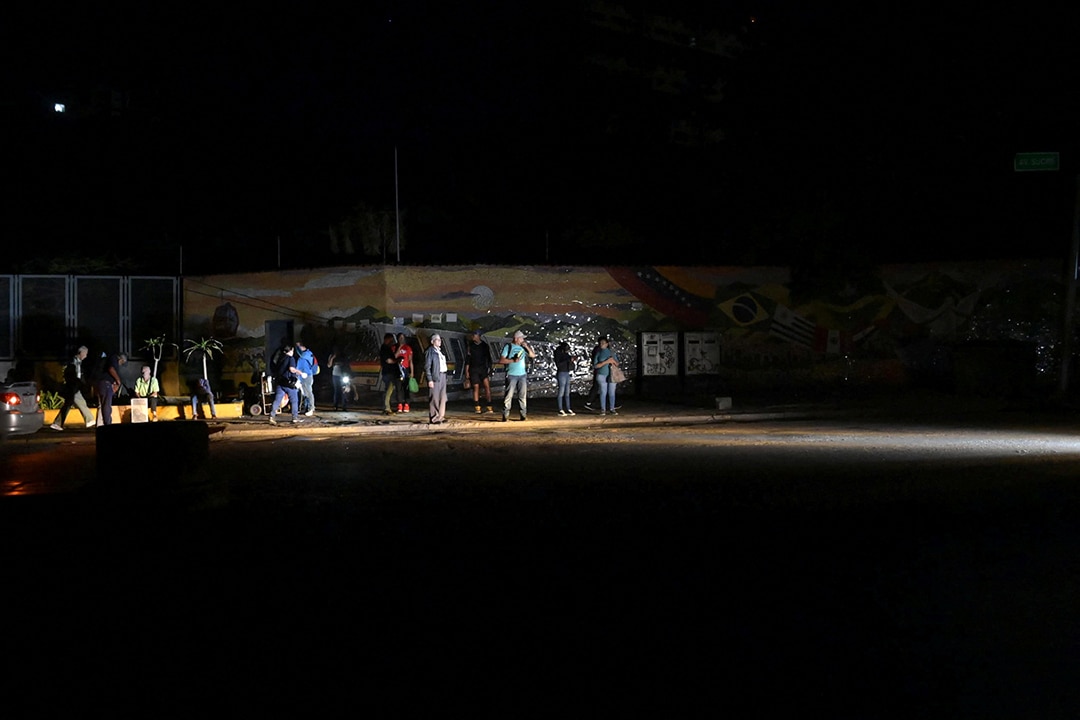
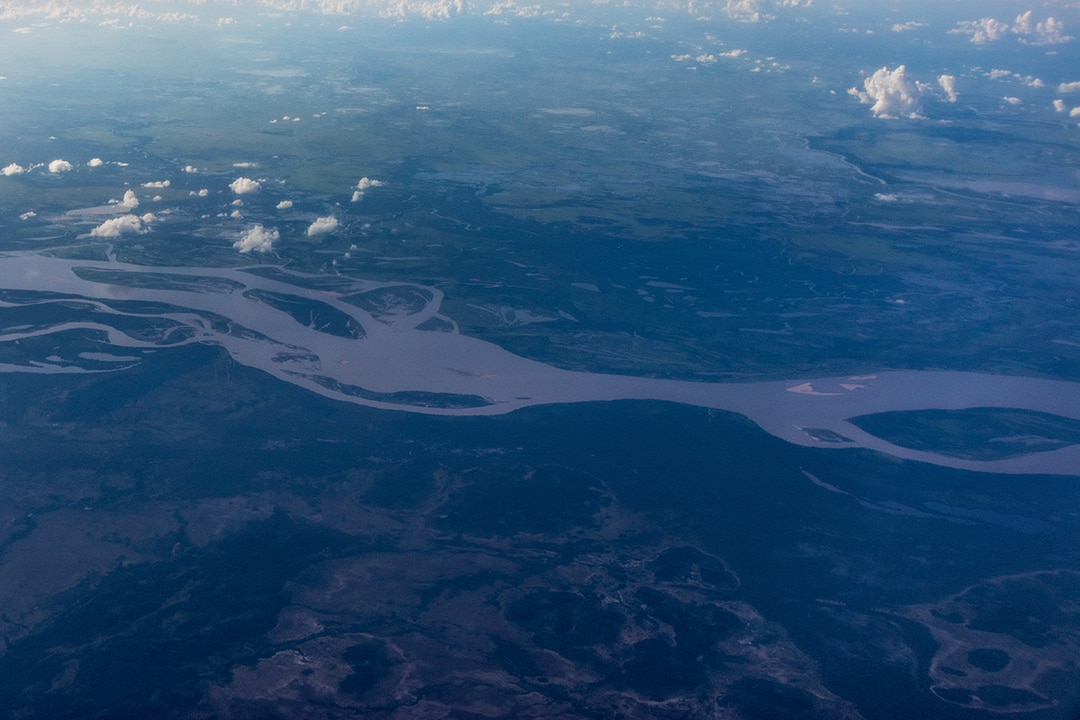
Beneath Venezuela’s daily blackouts and empty shelves sits a geological jackpot that refuses to stay quiet. The world’s largest oil reserves, massive gas fields, and a trove of strategic minerals form the unspoken bassline of today’s crisis—resources so tempting they bend diplomacy, sanctions, and rhetoric toward their gravity.
- 2/9
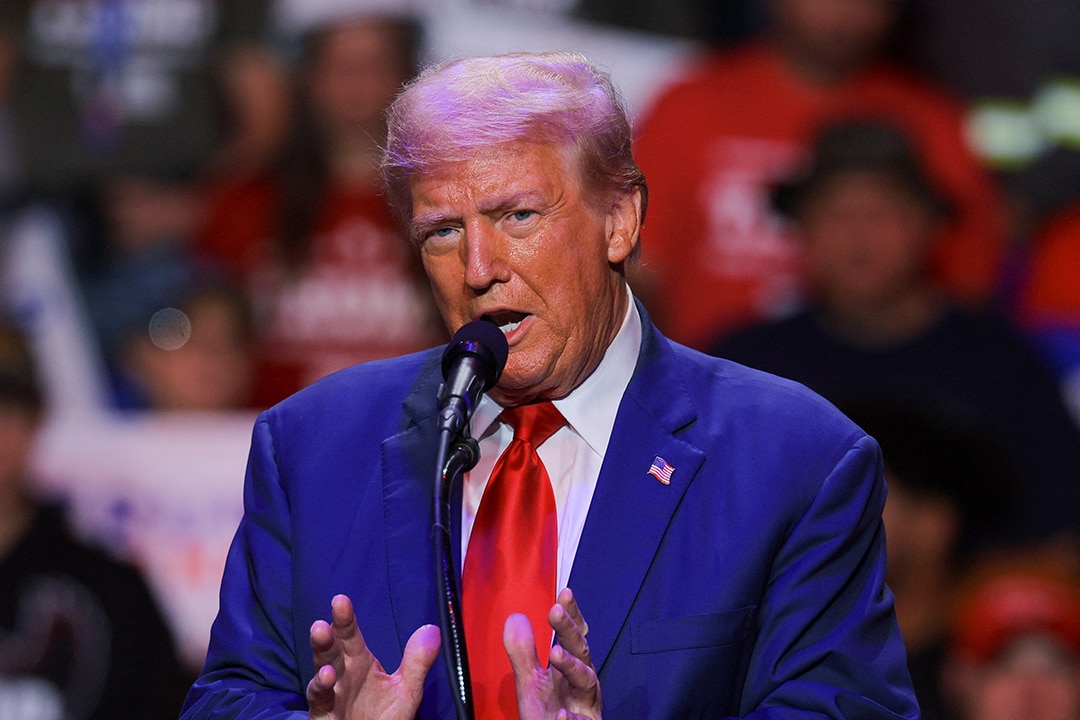
When Donald Trump publicly reminisced about “energy rights” lost in Venezuela, it wasn’t nostalgia—it was signaling. Oil grievances, once buried in arbitration files, are now folded into political pressure, reframing sanctions and recognition as instruments tied to barrels and balance sheets.
- 3/9
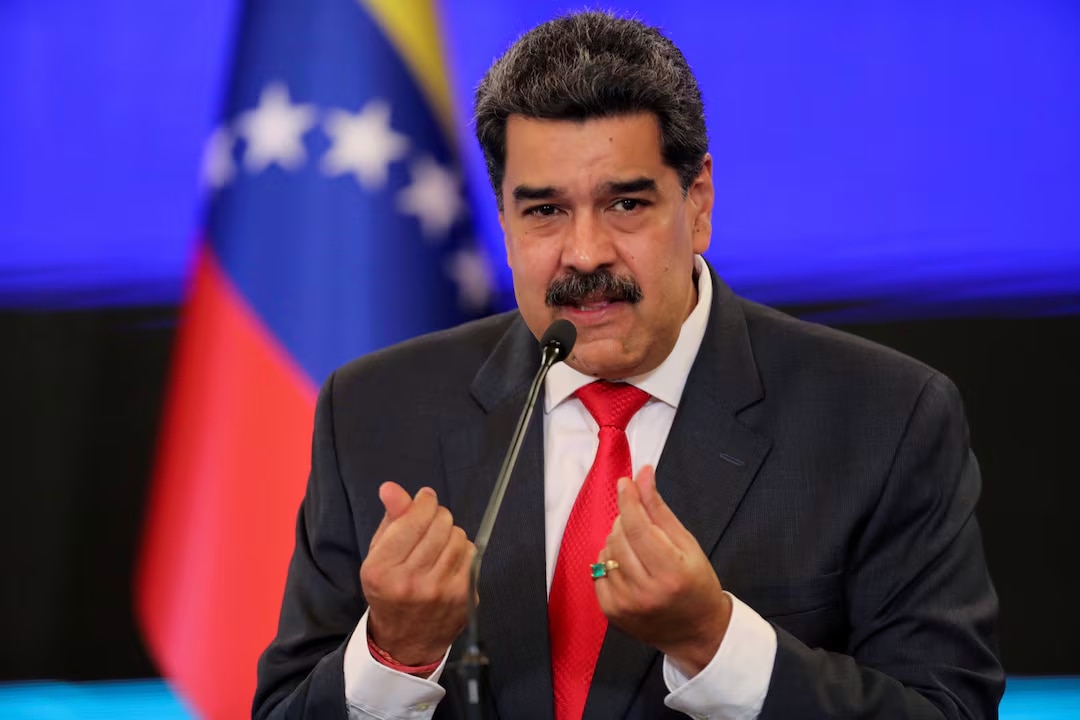
Washington’s challenge to Nicolás Maduro after disputed 2024 elections isn’t just about ballots. Legitimacy determines who signs future energy contracts, who controls mining licenses, and who decides whether foreign capital ever returns to cracked refineries and silent rigs.
- 4/9
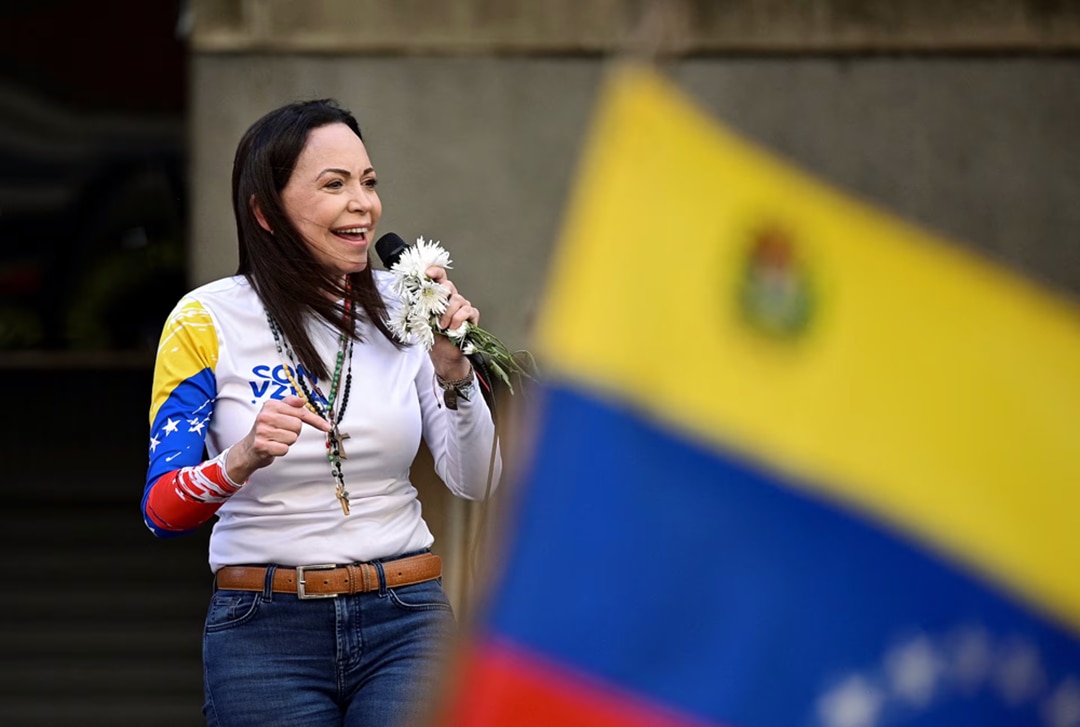
In a glossy video titled “Land of Grace,” María Corina Machado pitched a post-Chavista rebirth fueled by oil, gold, and minerals. It was less campaign ad than prospectus—inviting global investors to imagine stability rising from reserves that have outlived every government.
- 5/9
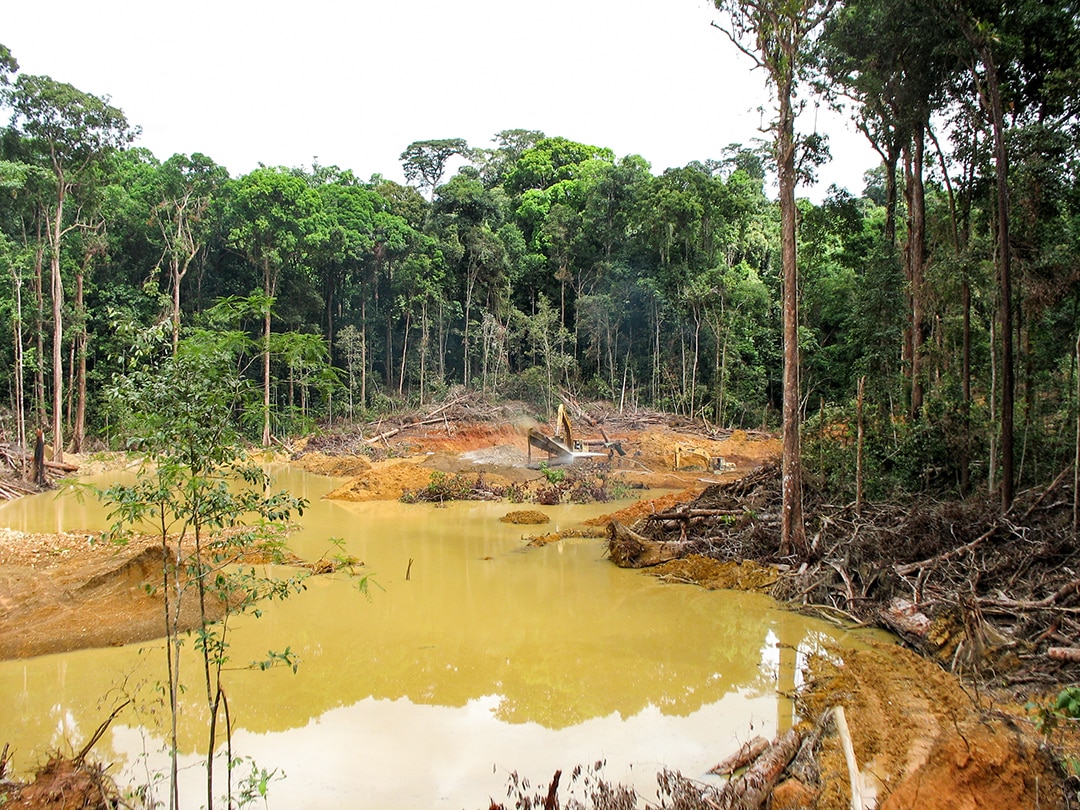
The creation of the Orinoco Mining Arc promised development across 12% of national territory. Instead, it became a cautionary tale: jungle air thick with mercury, rivers scarred by dredges, and profits siphoned off by armed groups while official production figures remain stubbornly opaque.
- 6/9
Gold leaves Venezuela quietly—stuffed into backpacks, ferried across borders, melted into anonymity. Transparency groups estimate only a sliver reaches state coffers, with the rest feeding criminal economies. The shine that could rebuild hospitals instead bankrolls violence, labor exploitation, and a parallel shadow treasury.
- 7/9
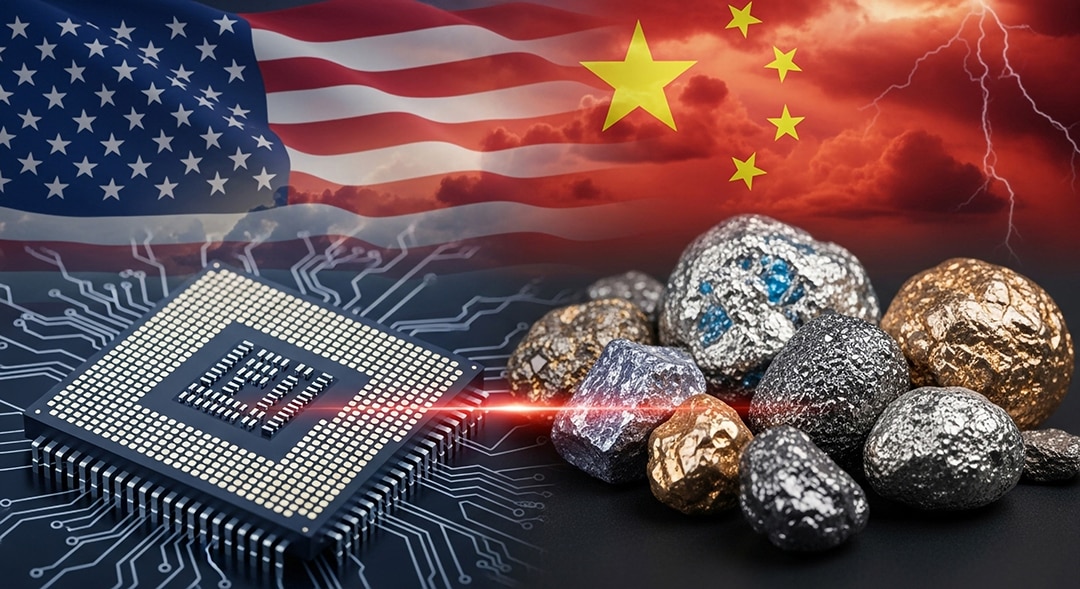
Coltan, thorium, and black sands aren’t sci-fi buzzwords—they’re the connective tissue of smartphones, EVs, and weapons systems. As China dominates processing, U.S. strategists eye Venezuela’s deposits with unease, wary that unregulated flows could tip technological supply chains in a new cold-resource war.
- 8/9
The 2007 departure of Exxon Mobil still haunts Caracas. Arbitration scars hardened foreign skepticism, turning Venezuela into a case study of sunk costs and sovereign risk. Any future détente must reconcile old claims before new drills ever pierce the ground.
- 9/9
Venezuela endures as the “poor rich country,” a phrase whispered like a curse. Abundance without governance has proven combustible—fueling myths, migrations, and meddling. Until institutions match resources, every barrel and ingot will remain less a blessing than a geopolitical accelerant.