
Rs 1,728 crore and counting: how loss engineered Rahman’s empire
After losing his father at nine, A. R. Rahman turned grief into discipline, music into survival, and silence into a Rs 1,728 crore global empire.
- Jan 6, 2026,
- Updated Jan 6, 2026 12:30 PM IST
- 1/9
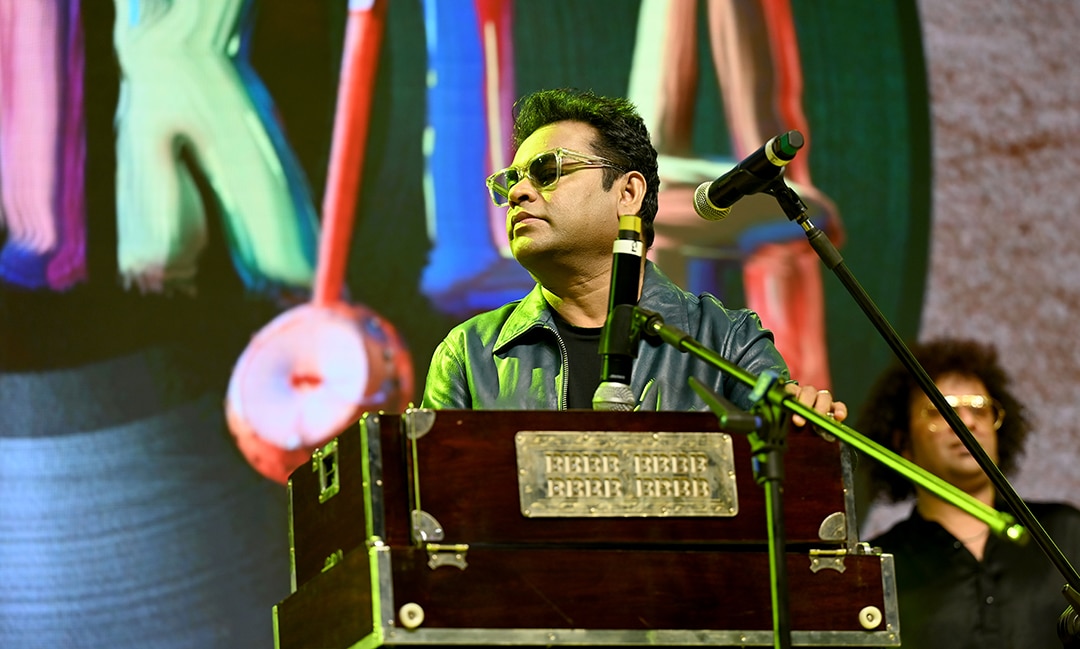
At nine, A. R. Rahman wasn’t dreaming of fame—he was grappling with grief. Pulled out of class to perform his father’s last rites, the moment carved a silence into his childhood. Biographers note how loss, not ambition, became his earliest teacher.
- 2/9
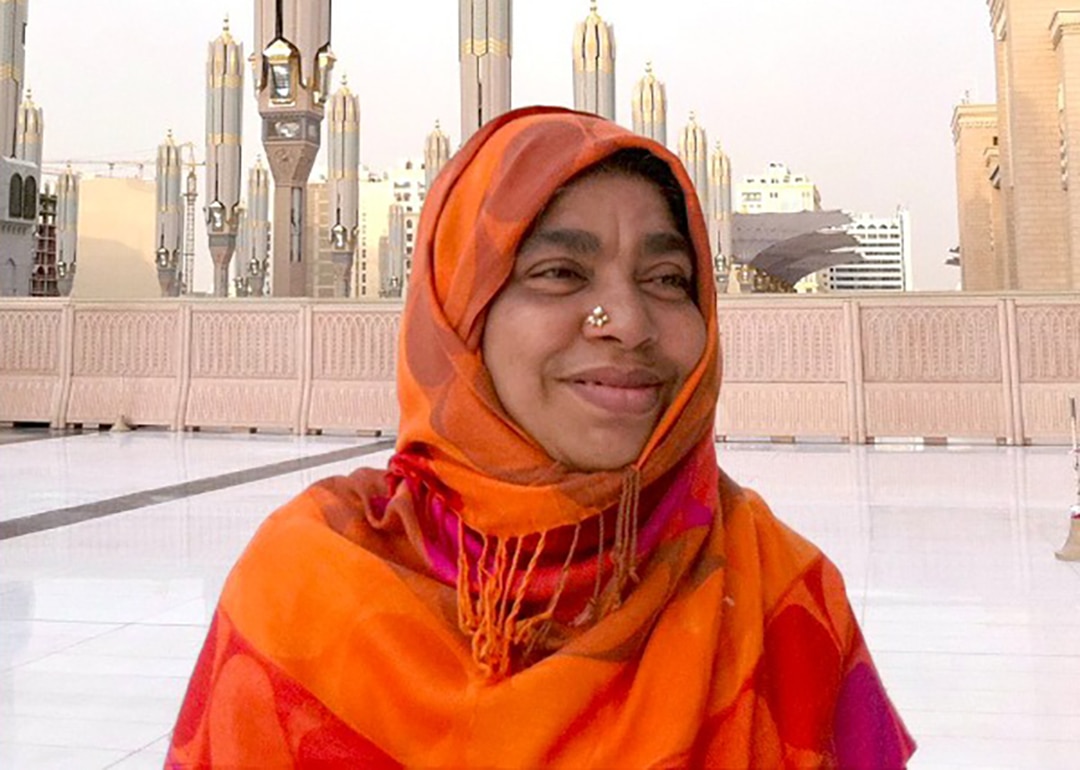
His mother sold her jewelry—gold meant for security, not art—to buy an amplifier. That sacrifice, recalled in multiple interviews, transformed a grieving boy into a sonic experimenter, hunched over borrowed equipment, learning how grief could be translated into sound.
- 3/9
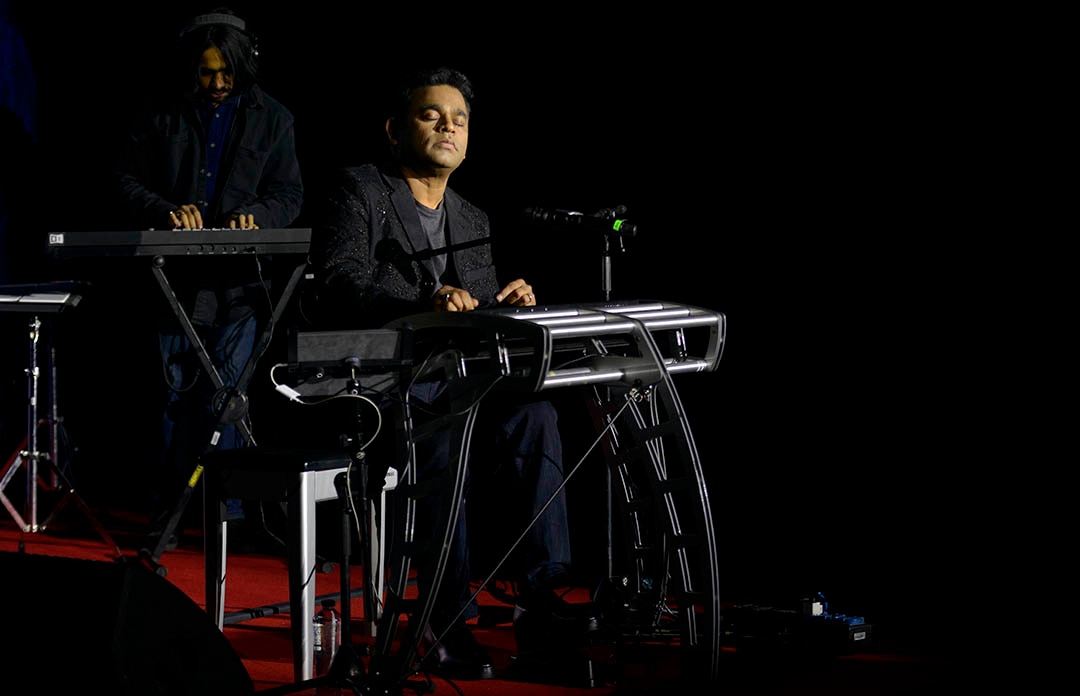
By eleven, Rahman was earning Rs 50 a day operating a record player, supporting a family of five. Industry retrospectives describe a boy navigating adult responsibility early, absorbing discipline from survival rather than classrooms or conservatories.
- 4/9
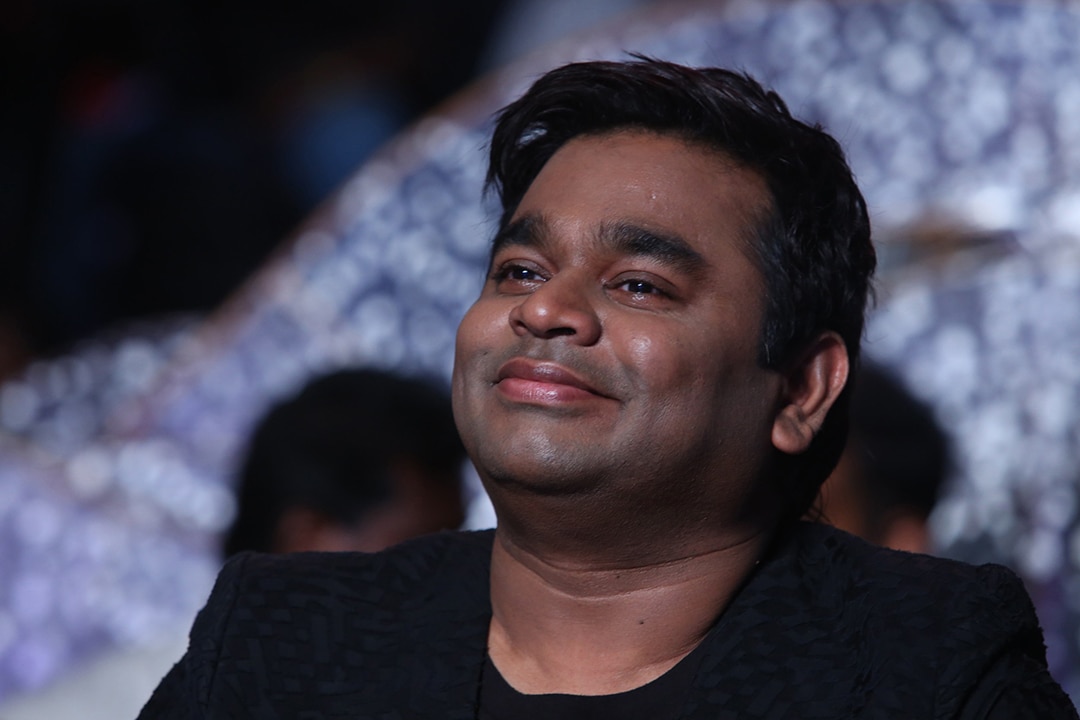
At fifteen, he left school—not in rebellion, but necessity. Music became livelihood, not luxury. Experts often cite this phase as critical: thousands of hours mastering keyboards and synths before most peers chose careers.

- 5/9
Panchathan Record Inn began humbly in his Chennai backyard. What started as a personal lab evolved into a globally respected studio ecosystem, now cited in business case studies as a rare artist-led production empire.

- 6/9
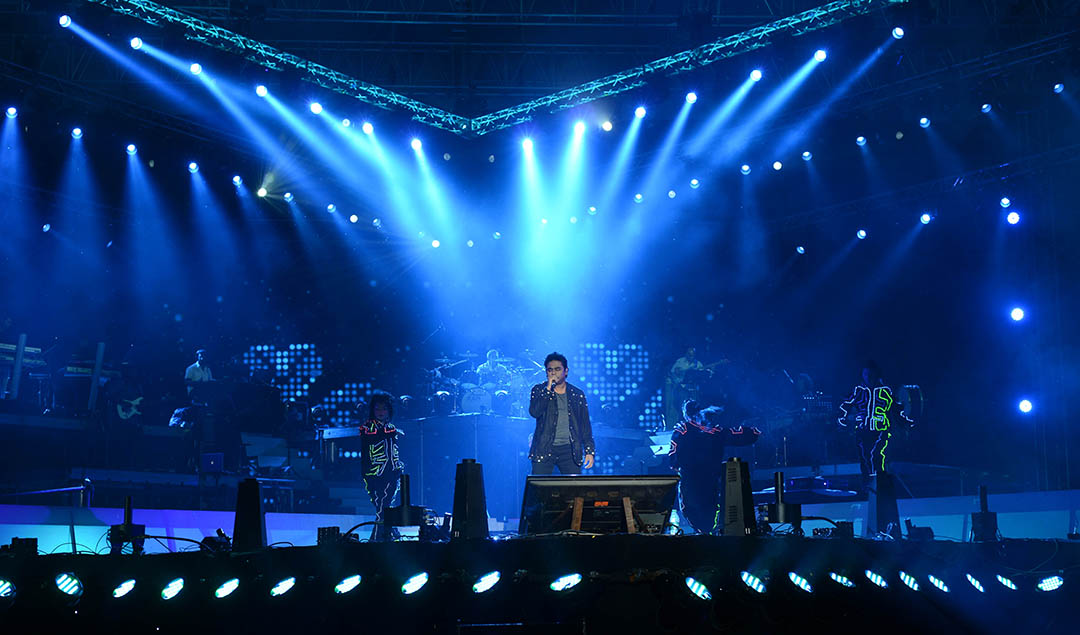
1992’s Roja didn’t just launch Rahman—it rewired Indian cinema. Music analysts note how its layered textures and emotional restraint shattered formulaic soundtracks, marking one of the industry’s most abrupt creative shifts.
- 7/9
With studios in Chennai, London, and Los Angeles, Rahman engineered freedom—producing Hollywood scores without constant travel. Analysts call it vertical integration, but artists call it creative sovereignty.

- 8/9
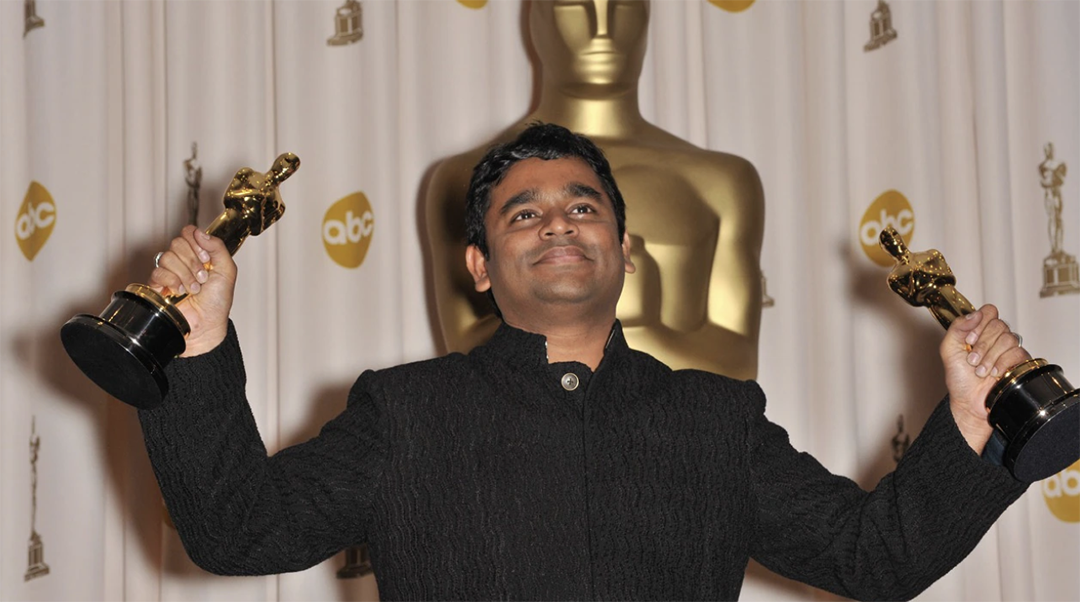
Charging Rs 8–10 crore per film and earning global royalties, his estimated Rs 1,728 crore net worth didn’t come from flash, but structure. Financial commentators point to long-term IP ownership, not celebrity excess.
- 9/9
At 59, debuting as an actor and dancing before 10,000 fans, Rahman’s story isn’t comeback—it’s conversion. Psychologists studying creativity often cite him as proof that unresolved pain, when disciplined, can become cultural power.