
Steel and Silence — The forgotten rules behind Japan’s sword tradition
A deep dive into kenjutsu, Japan’s deadly sword tradition—where silence, geometry, ritual, and psychology shaped warriors, society, and a blade philosophy that still endures.
- Jan 12, 2026,
- Updated Jan 12, 2026 1:21 PM IST
- 1/9
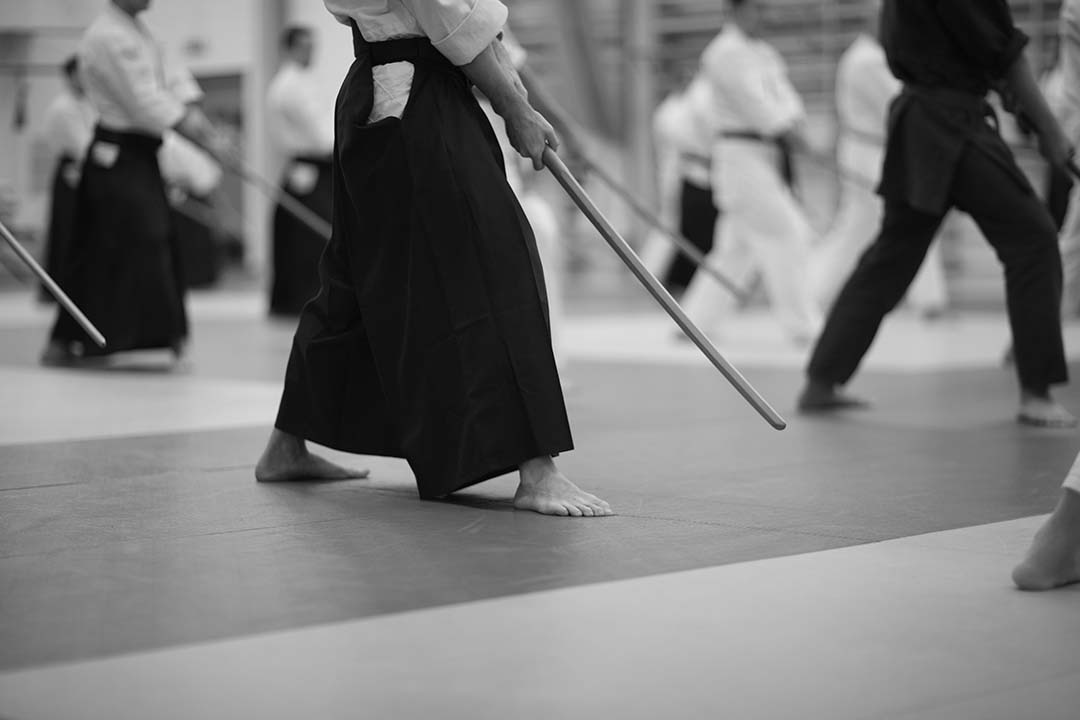
Before the clash, there is stillness. Kenjutsu was born in moments when noise meant death, teaching warriors to read breath, posture, and intention. Modern historians note that this silence wasn’t ritual—it was survival, a language spoken between blades before blood ever touched the ground.
- 2/9
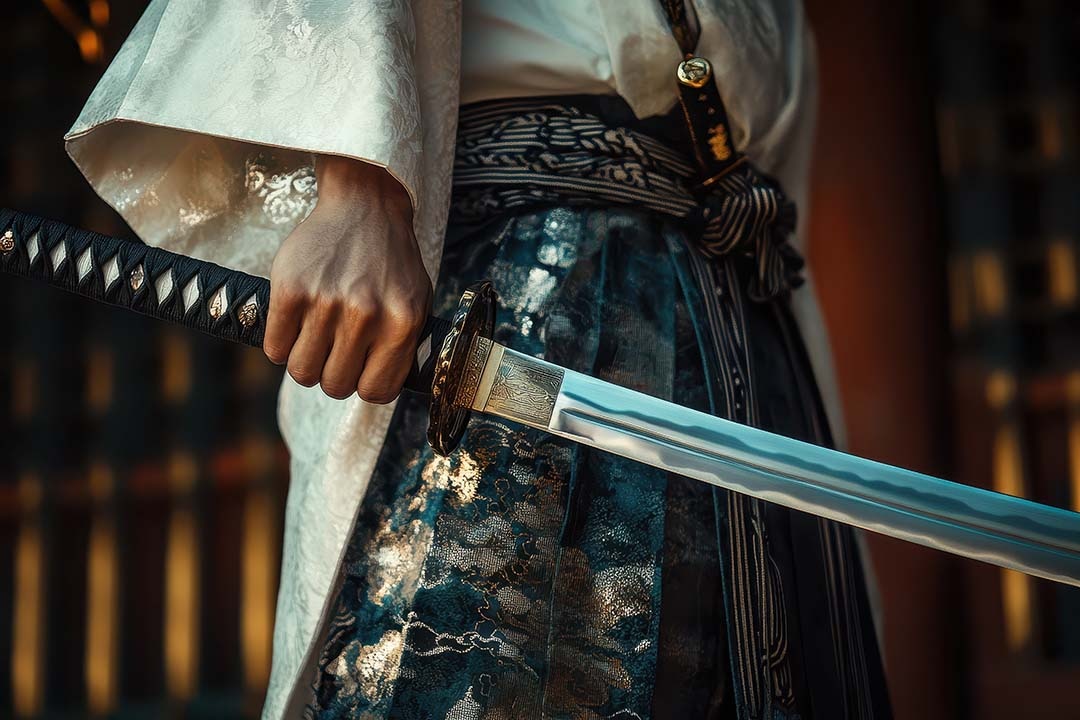
Kenjutsu isn’t preserved behind museum glass. It lives through koryū schools where movements are passed hand to hand, not written down. Martial scholars argue this oral, physical transmission keeps mistakes—and egos—from fossilizing, ensuring the blade remains honest across centuries.
- 3/9
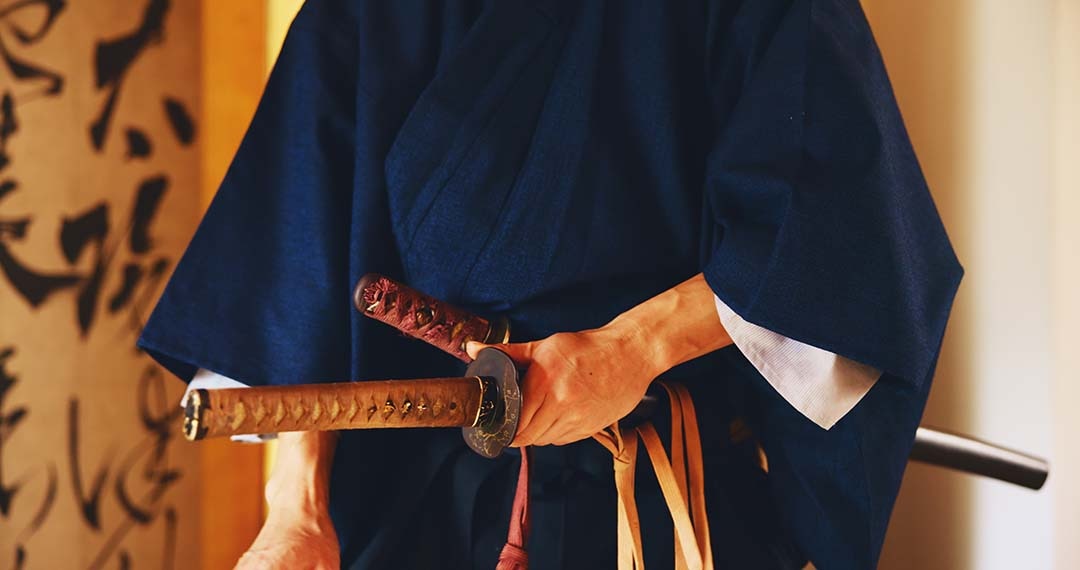
Every step is math. Angles, distance, and timing converge in cuts measured by centimeters and heartbeats. Researchers studying traditional sword arts often compare kenjutsu footwork to applied physics, where a single miscalculation turns elegance into catastrophe.
- 4/9
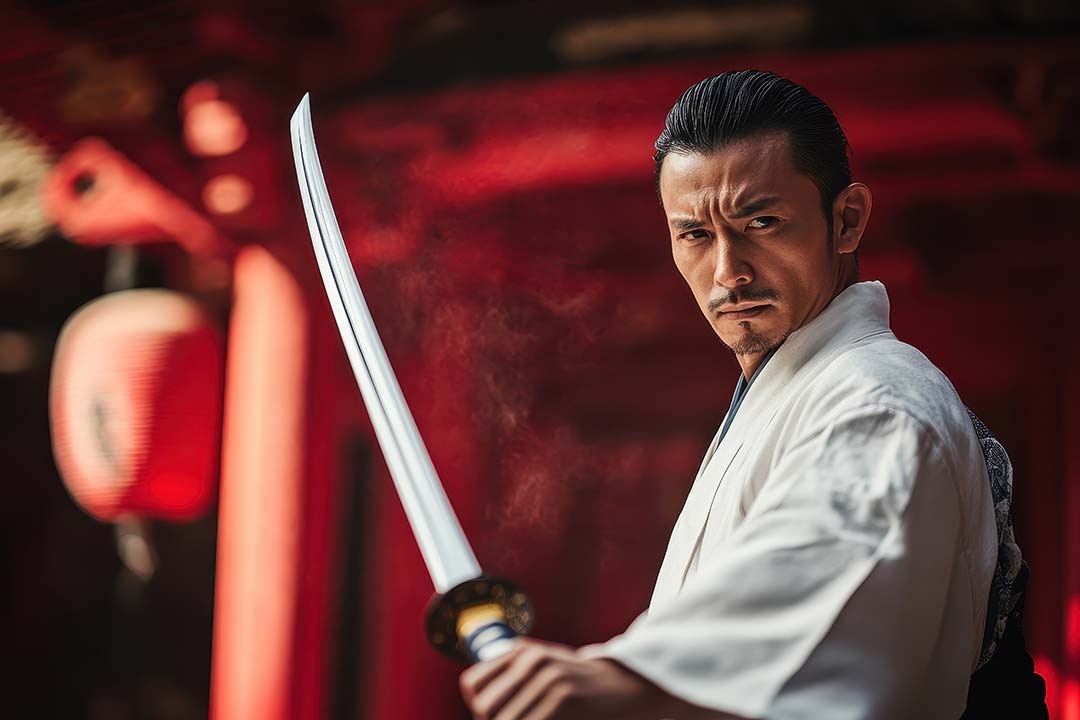
Kenjutsu trains the mind before the body. Manuals emphasize zanshin—remaining awareness after the strike—suggesting the fight isn’t over when the sword lands. Psychologists studying martial disciplines cite this as an early framework for stress control under extreme pressure.
- 5/9
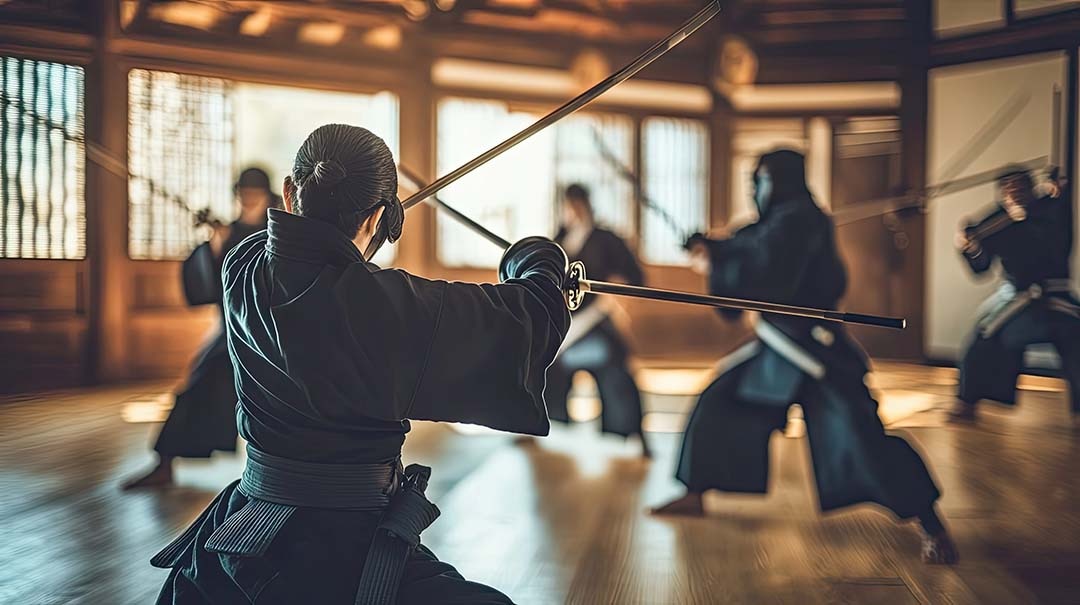
Forget cinematic chaos. Kenjutsu duels were often brief, surgical, and terrifyingly efficient. Historians reviewing Edo-period records highlight that prolonged fights were rare; the goal was decisive resolution, not spectacle—an inconvenient truth for movie audiences.
- 6/9
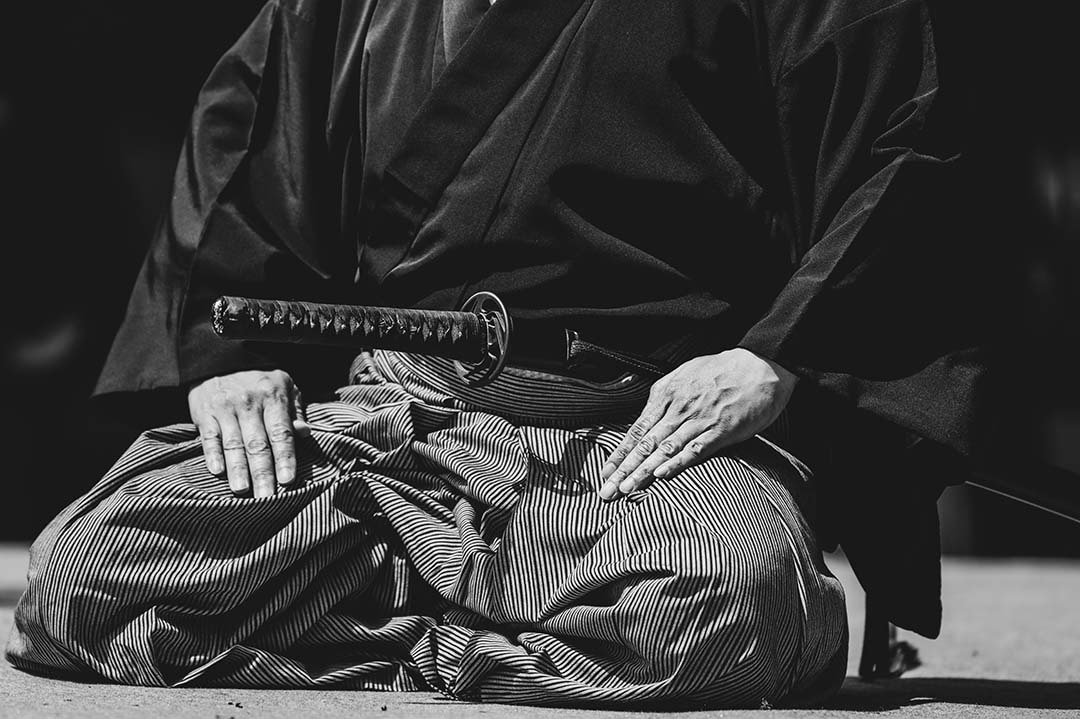
Every bow, grip, and draw carries meaning. Anthropologists argue kenjutsu rituals weren’t decorative but functional, creating mental boundaries between daily life and lethal intent. Crossing that line without ceremony was considered dangerous—to the wielder as much as the opponent.
- 7/9
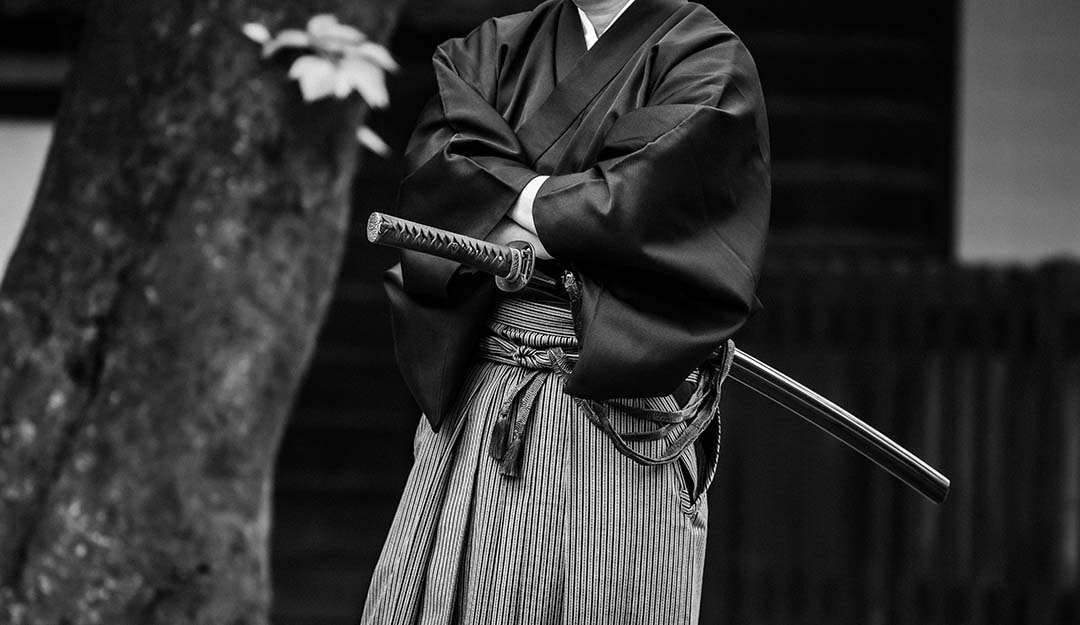
Kenjutsu shaped social order. Mastery of the sword defined status, discipline, and authority in feudal Japan. Scholars note that sword schools doubled as ethical academies, embedding loyalty and restraint into technique—a system designed to control power, not unleash it recklessly.
- 8/9
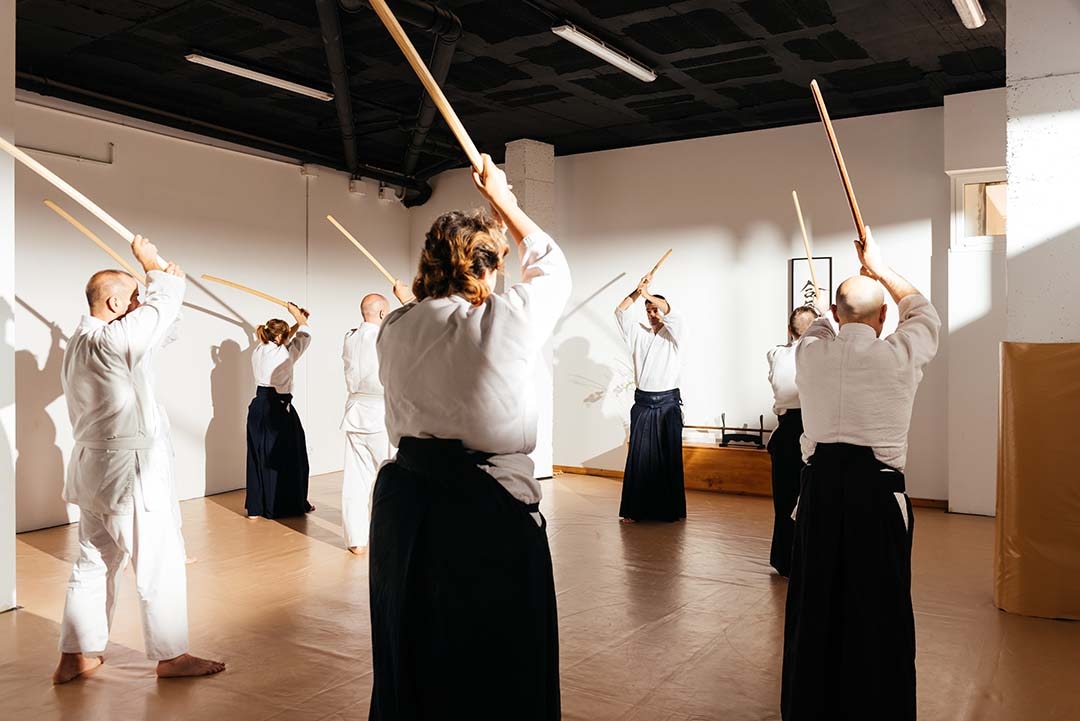
Though battlefield swords vanished, kenjutsu echoes in modern budō and even corporate leadership training. Studies on traditional martial arts show practitioners report heightened focus and emotional regulation, suggesting the old blade still cuts into contemporary life.
- 9/9
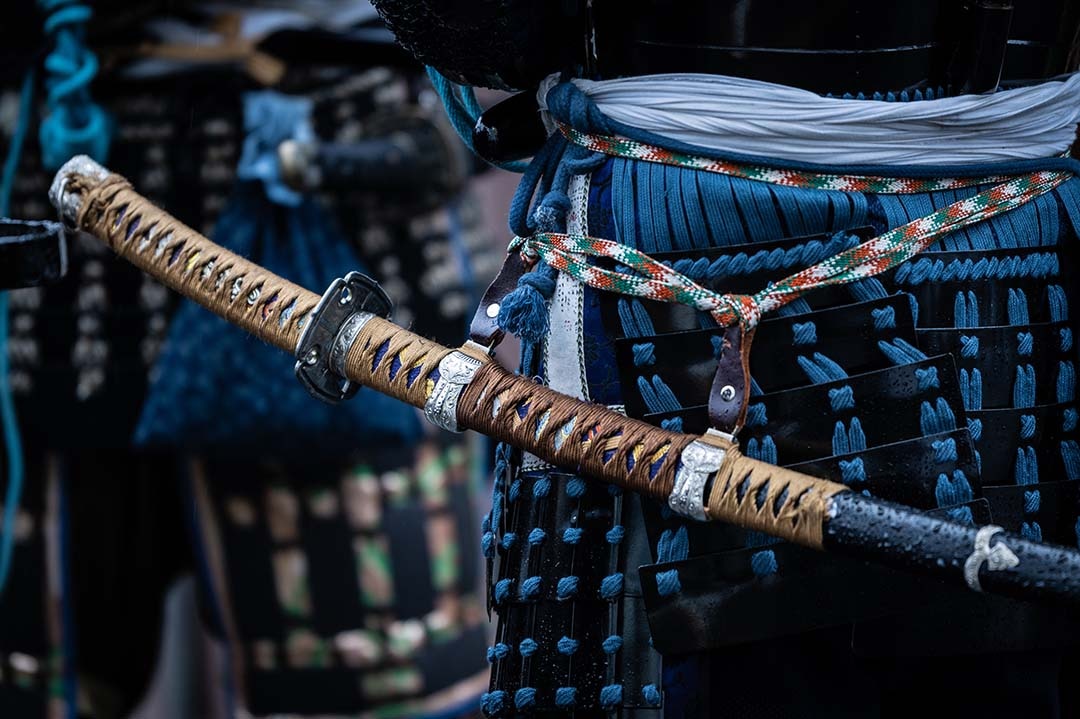
Figures like Miyamoto Musashi loom large, but kenjutsu was never about lone geniuses. It was a collective answer to chaos, refined by countless unnamed fighters whose lessons survive every time steel meets intent.