
Tracks & Tastes: How railway platforms became India’s loudest kitchens
From crackling dosas to syrupy ghewar, this journey explores how India’s railway platforms became roaring food hubs—where regional flavors, memories, and rush-hour hunger collide.
- Jan 7, 2026,
- Updated Jan 7, 2026 1:09 PM IST
- 1/9
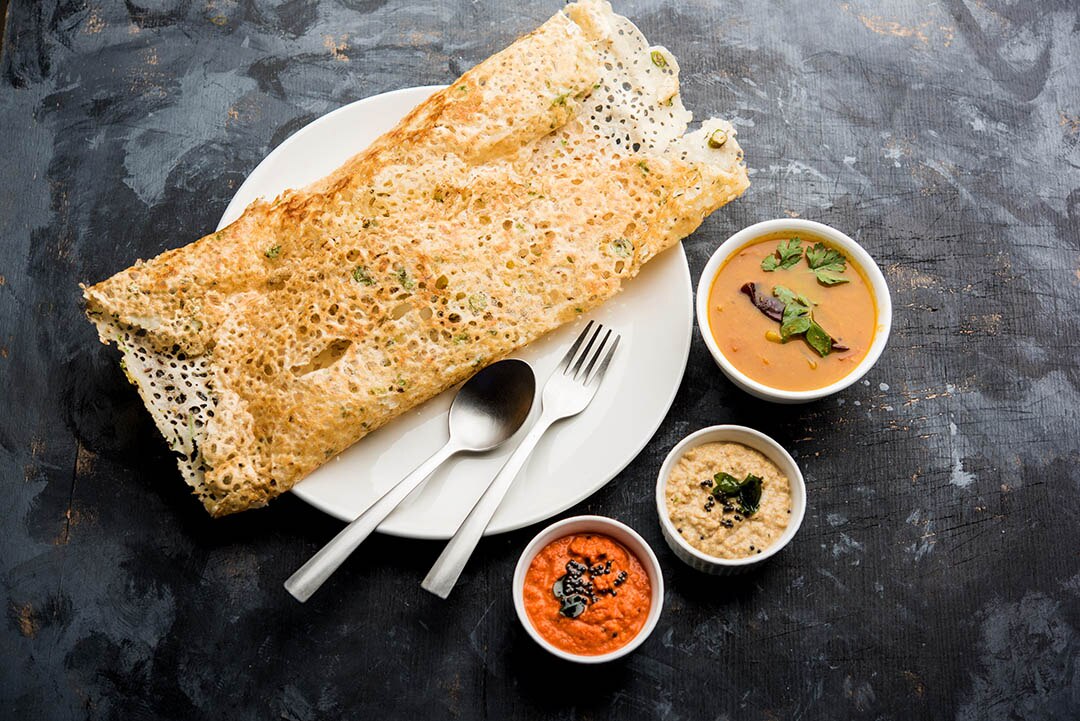
At dawn, platforms in Chennai crackle with the sound of rava dosa batter hitting hot iron griddles. Railway vendors swear by the lacy texture—thin as gossip, crisp as breaking news—backed by food researchers who note semolina’s low moisture helps deliver that shattering crunch. Miss it, and you miss the city’s edible alarm clock.
- 2/9
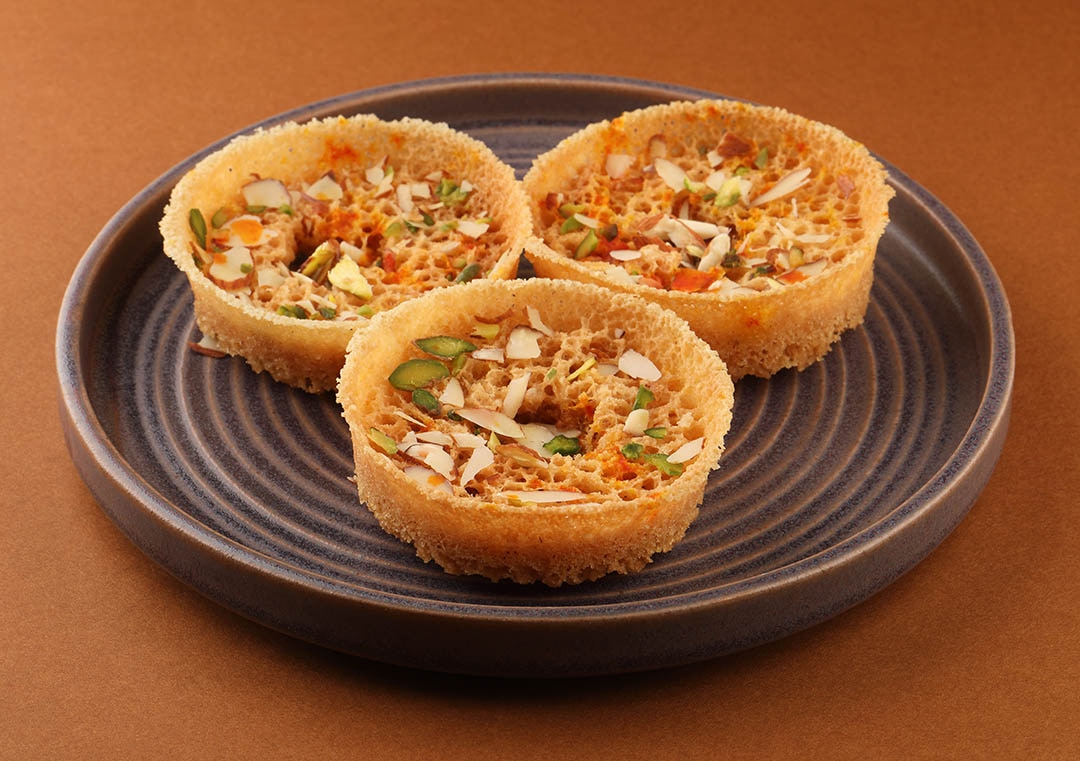
In Udaipur, trains halt and sweet-seekers surge toward ghewar stacked like edible architecture. Deep-fried and syrup-soaked, the honeycomb structure isn’t accidental—culinary historians trace it to desert kitchens engineered for heat. Nutritionists may flinch, but festival vendors insist one bite explains why passengers risk missing departures.

- 3/9
Bareilly’s platforms pulse with the hiss of moong dal pakoda, dropped into oil just as whistles blow. Street food scholars often cite legumes as protein anchors of Indian snacking, but here it’s about speed: soaked dal, blitzed spices, and instant gratification. Eat it hot, locals warn, or it loses the drama that defines Bareilly evenings.
- 4/9
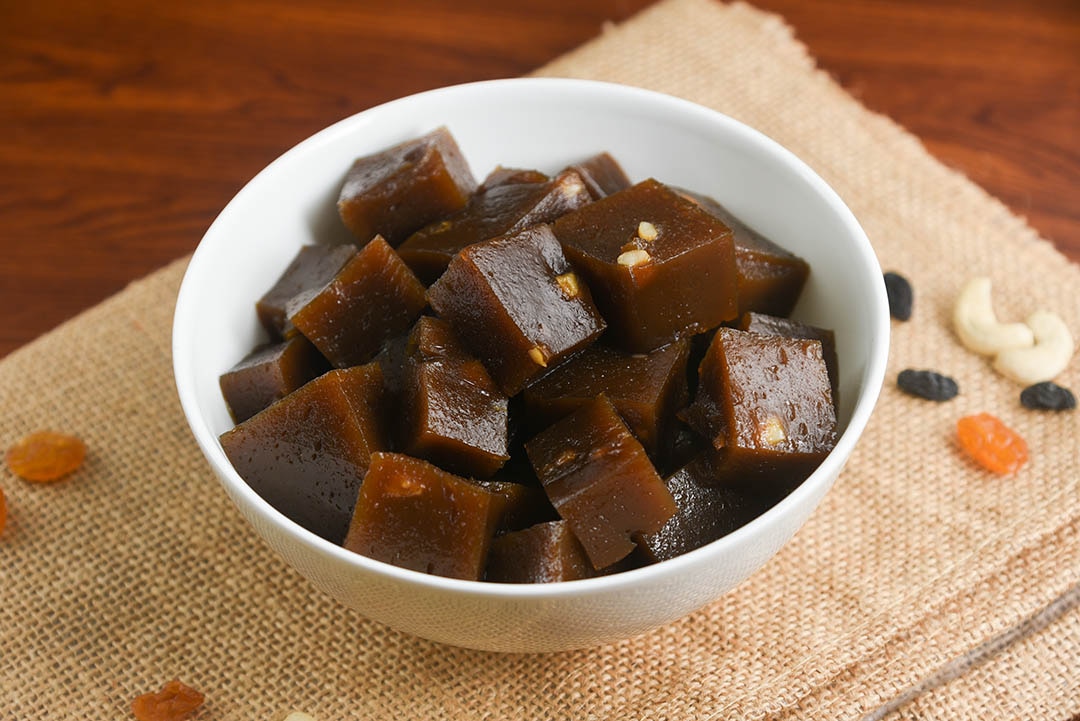
The halwa stalls of Kozhikode glow like stained glass. Chewy, fragrant, and jewel-toned, this sweet carries Arab trade echoes and coastal ingenuity. Food anthropologists point to slow stirring and precise sugar stages as the magic. Travelers buy slabs for the road, only to unwrap history between stations.
- 5/9
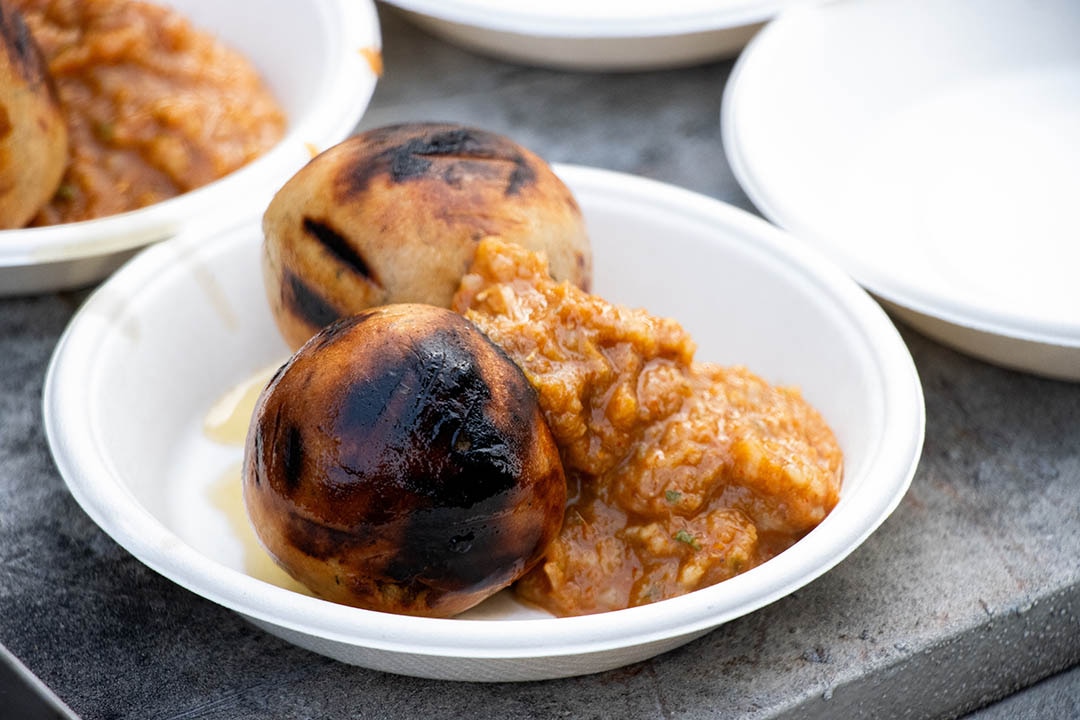
On Patna platforms, litti chokha arrives blackened, cracked, and unapologetic. Born of agrarian resilience, baked wheat balls stuffed with sattu meet mashed vegetables kissed by fire. Nutrition experts praise its balance of protein and fiber, but passengers remember the aroma—smoky, defiant, and impossible to ignore as trains idle.
- 6/9
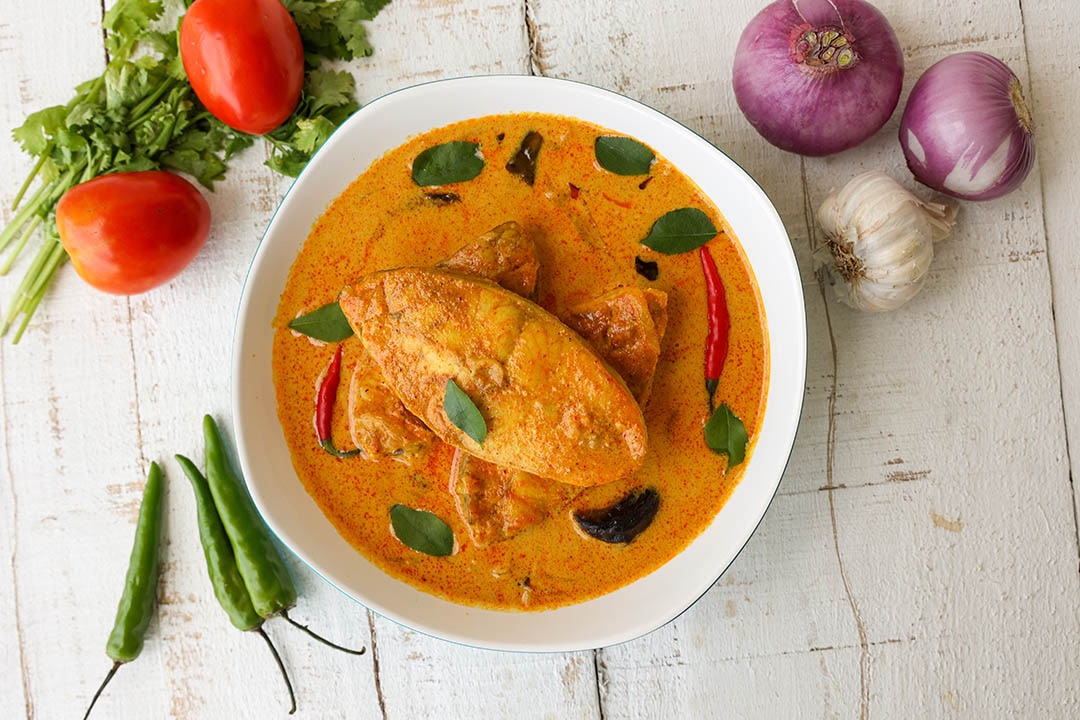
At Jamshedpur’s Tatanagar stop, fish curry simmers like a home kitchen transported to the tracks. Tomatoes, onions, and river fish tell stories of migration and steel-town coexistence. Food studies often cite fish curries as memory foods—and one spoonful with rice can stall even the most hurried traveler.
- 7/9
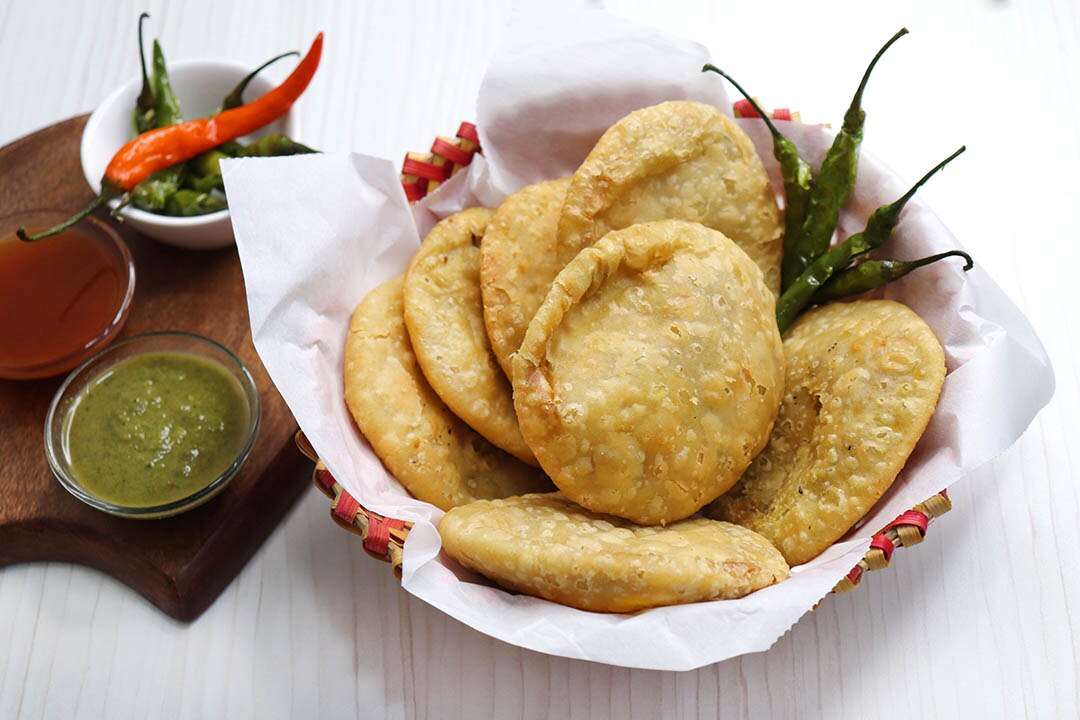
Jaipur’s pyaz kachori doesn’t whisper—it explodes. Layers of fried dough guard a spiced onion core that food chemists might credit to Maillard magic. Vendors time batches to train schedules, ensuring passengers bite into molten centers. It’s snack as spectacle, leaving fingers oily and conversations paused.
- 8/9
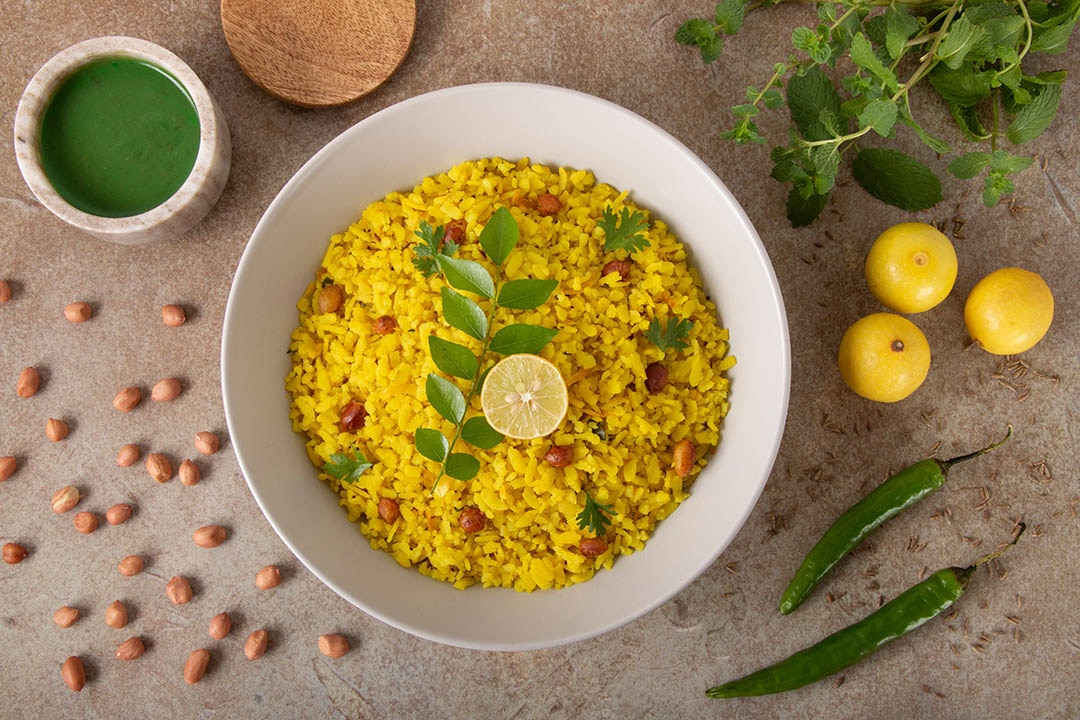
In Ratlam, mornings smell like flattened rice, mustard seeds, and possibility. Kanda poha arrives light yet filling, a favorite cited by dietitians for digestibility. Crowned with sev and lemon, it’s the rare station food that feels both gentle and energizing before long journeys.
- 9/9
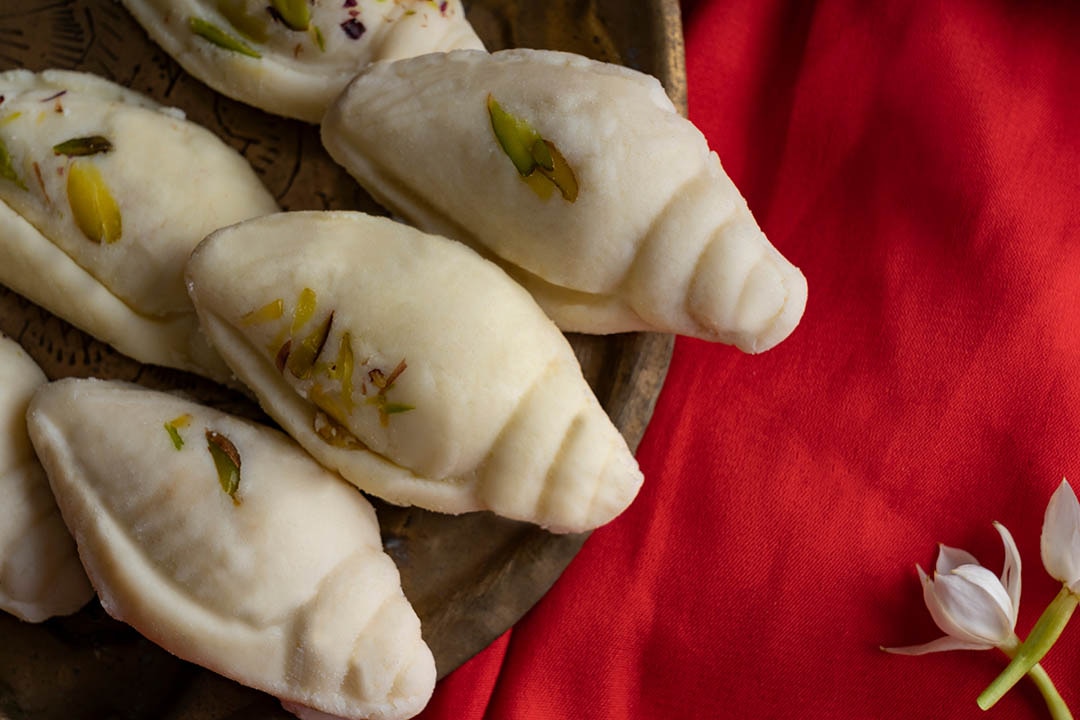
Across the Hooghly in Howrah, sandesh waits quietly—soft chhena shaped with restraint. Culinary historians trace its rise to Bengal’s dairy traditions, while chefs praise its minimalism. Travelers pack it carefully, knowing this subtle sweetness is how many journeys politely end.